by | Aug 12, 2026 | Uncategorized
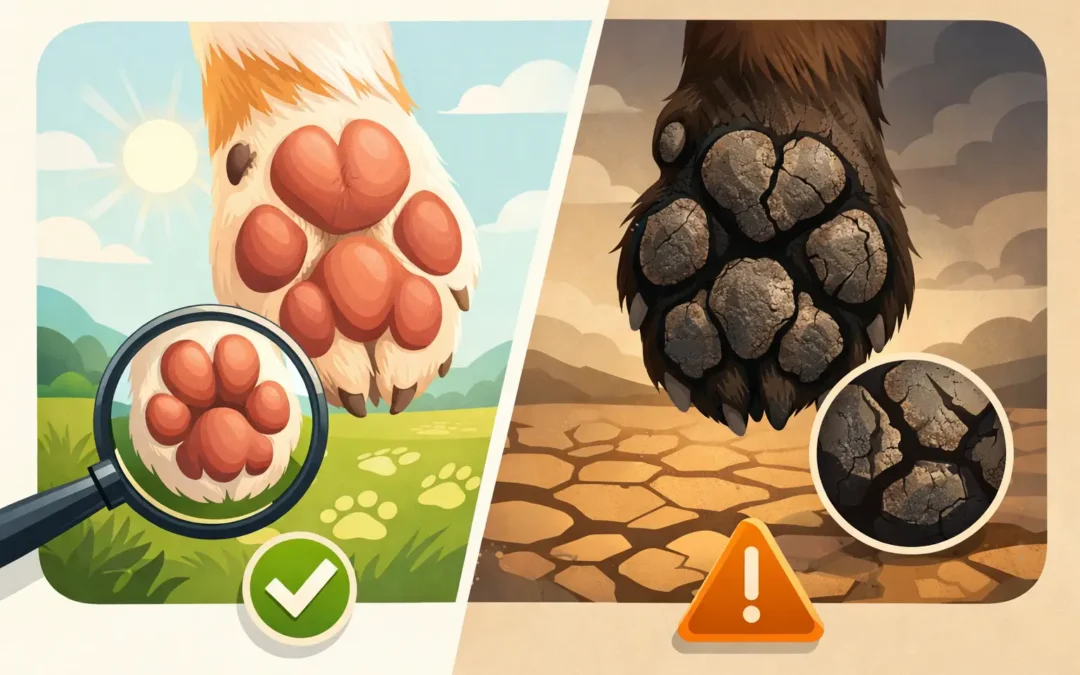
A paw print on the floor may look sweet, but the pads behind it do serious work. If you have been wondering, why are dog paws rough, the short answer is that a little texture is usually completely normal. Paw pads are built to protect your dog from sidewalks, grass, sand, and every joyful lap around the neighborhood.
Still, there is a difference between naturally sturdy paws and pads that are painfully dry, cracked, or irritated. A quick, gentle look at your dog’s feet can help you spot when they simply need routine pampering and when they may need veterinary attention.
Why Are Dog Paws Rough in the First Place?
Dog paw pads have a naturally thick outer layer of skin called keratin. It is similar to the tough skin that forms on the soles of our feet, only your dog relies on it much more often. This protective surface gives them traction, cushions each step, and helps shield the sensitive tissue underneath from everyday wear.
A healthy paw pad often feels firm, slightly pebbled, and a bit dry compared with the softer skin on your dog’s belly. Some dogs have naturally rougher pads than others. A large, active dog who spends plenty of time walking on pavement may have thicker, more textured pads than a small dog who mostly walks on soft indoor flooring.
Florida’s warm weather can also play a role. Hot sidewalks, pool decks, sandy paths, and rough outdoor surfaces may gradually make pads feel tougher. That does not automatically mean something is wrong. It simply means those paws are doing the job they were designed to do.
When Rough Paw Pads Are Normal
A dog’s paws are usually in good shape when the pads are evenly textured, free from deep cracks, and not causing discomfort. Your dog should be happy to walk, run, and let you touch their feet without pulling away or showing signs of pain.
It is also common for pads to become mildly rougher during periods of increased activity. A family beach day, a new walking routine, or lots of playtime in the backyard can all leave their mark. In these cases, gentle maintenance and a little recovery time are often enough to keep paws comfortable.
Dogs with furry feet deserve an extra look between the toes. Hair can hold onto dirt, moisture, small bits of grass, and debris. Keeping that area clean and neatly trimmed supports comfort and makes it easier for pet parents to notice changes in the skin or pads.
Signs Your Dog’s Rough Paws Need More Attention
Roughness becomes a concern when it is paired with visible damage or a change in your dog’s behavior. Dry, flaky pads can progress to splits or painful cracks, especially after repeated exposure to heat, harsh surfaces, or drying products.
Watch for limping, licking or chewing at the feet, redness between the toes, bleeding, swelling, an unusual odor, or a reluctance to walk. A pad that looks pale, raw, deeply cracked, or unusually thick in one area deserves closer attention. Sudden changes are particularly worth taking seriously.
Allergies can sometimes show up in a dog’s paws first. Dogs may lick and chew their feet after walks because pollen, lawn treatments, or other environmental irritants are bothering their skin. Yeast or bacterial infections, parasites, injuries, and certain skin conditions can also cause discomfort that looks like ordinary dryness at first glance.
If your dog is in pain, has an open wound, or continues licking their paws despite gentle home care, call your veterinarian. Grooming supports healthy maintenance, but a veterinarian is the right partner for diagnosing infection, allergies, or medical skin concerns.
Common Reasons Paw Pads Become Dry and Cracked
Paw pads can lose moisture for several reasons, and often it is a combination rather than one single cause. Frequent walks on hot pavement or abrasive concrete can wear down the surface. During Central Florida summers, a surface that feels merely warm to a hand can be much hotter against a dog’s pads. If you cannot comfortably hold the back of your hand on the pavement for several seconds, it is safer to choose grass, shade, or a cooler time of day.
Dry air indoors, frequent bathing with unsuitable products, and contact with cleaning chemicals can also leave paws feeling less supple. Even a dog who loves splashing in puddles can develop dry pads afterward if moisture, shampoo residue, or debris remains trapped between the toes.
Age and lifestyle matter, too. Senior dogs may have more fragile skin, while highly active dogs can develop thicker calluses from regular impact. Neither situation calls for aggressive smoothing. The goal is comfortable, protected pads, not perfectly soft feet.
Gentle Paw Care That Makes a Difference
A thoughtful paw routine is one of the simplest ways to make your dog feel cared for from nose to tail. Start by checking their paws after walks, particularly after time on hot pavement, at the park, or near treated lawns. Wipe away dirt and gently dry between the toes so moisture does not linger.
Use only products formulated for dogs. Human lotions, essential oils, and heavily fragranced creams can be irritating, and many are unsafe if licked. A pet-safe paw balm may help restore moisture to dry but intact pads. Apply a small amount, allow it to absorb, and offer a calm distraction afterward if your dog is tempted to lick it right away.
Regular nail care matters just as much as moisturizing. Overgrown nails can change the way a dog places their feet, putting extra pressure on the pads and toes. Keeping nails at a comfortable length helps support a more natural gait and makes everyday walks feel better.
At home, avoid trying to shave down calluses, cut cracked pads, or pull out deeply embedded debris. A tiny splinter that is easy to see may be one thing, but anything lodged deeply, bleeding, or causing obvious pain should be assessed by a veterinary professional.
Professional Grooming Supports Healthy, Happy Feet
Paw care can be easy to overlook until a dog starts fussing with their feet. Professional grooming gives those small but meaningful details the attention they deserve. During a comfort-focused appointment, paw areas can be cleaned, fur between the pads can be neatly maintained when appropriate, and nails can be cared for with a gentle touch.
For dogs who are sensitive about having their feet handled, a patient grooming experience can also build trust over time. Slow, calm handling helps many pets become more comfortable with routine paw checks and nail care. That is especially valuable for busy pet parents who want their dog looking polished while also feeling relaxed and cared for.
At Jolis Grooming, paw and nail treatment is approached as part of the whole-pet experience. A fresh bath, soft brushing, tidy feet, and attentive handling can leave a dog feeling lighter, cleaner, and ready to put their best paw forward.
A Simple Paw Check for Pet Parents
Make a habit of looking at your dog’s paws once a week, or more often if they are active outdoors. Lift each foot gently and check the pad surface, nails, and spaces between the toes. You are looking for changes, not chasing perfection.
Healthy paws may be rough, but they should not look painful. Notice whether the texture is even, whether your dog reacts when you touch a certain spot, and whether there is trapped debris or excess fur. These quiet moments of care are also a lovely way to strengthen the trust between you and your pet.
Your dog’s paws carry them to every cuddle, every car ride, and every happy greeting at the door. Giving those hardworking pads a little regular attention helps keep each step comfortable, confident, and full of tail-wagging possibility.
by | Aug 10, 2026 | Uncategorized
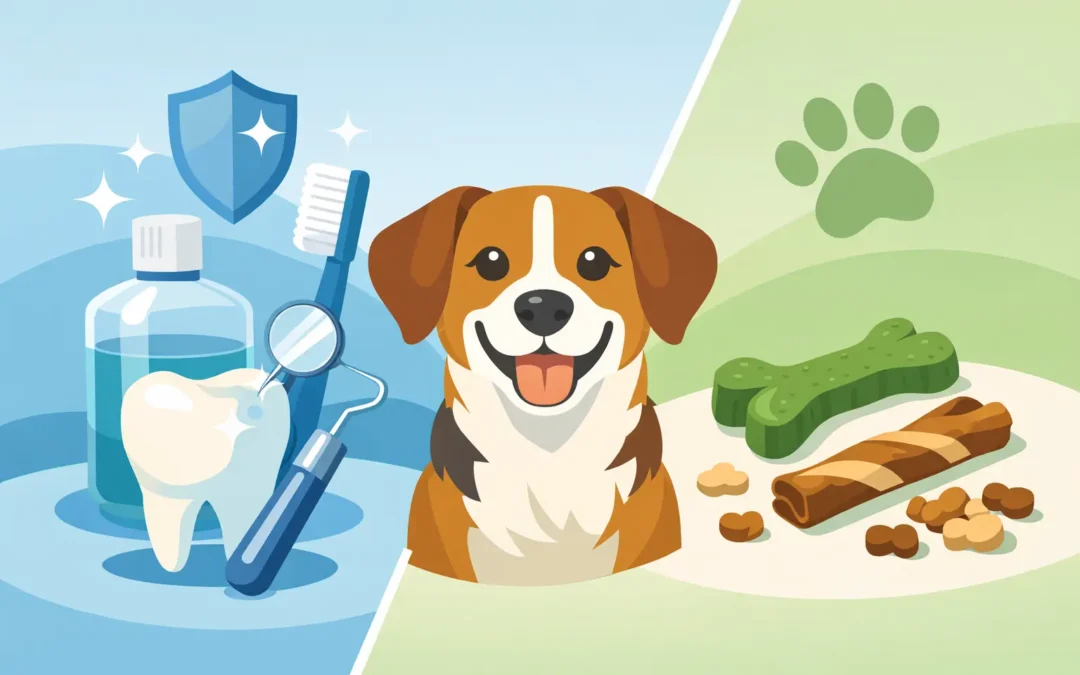
A fresh kiss from your dog should feel sweet, not make you lean away. When pet parents compare teeth cleaning versus dental chews, they are usually looking for a simple answer: which one will keep their companion’s mouth clean, comfortable, and ready for all those close-up cuddles?
The honest answer is that both can have a place in a thoughtful routine, but they do very different jobs. A dental chew may support day-to-day maintenance, while hands-on teeth cleaning focuses on the buildup you can see and the areas a chew may miss. The best choice depends on your dog’s habits, age, comfort level, and current oral health.
Teeth Cleaning Versus Dental Chews: The Real Difference
Dental chews are treats or chewable products designed to encourage chewing. Their texture may create friction against the tooth surface, which can help reduce some soft plaque before it hardens. For many dogs, that makes them an enjoyable part of a regular home-care routine. They also offer a moment of enrichment, especially for dogs who love settling in with a satisfying chew after a walk or dinner.
Teeth cleaning is a more direct form of care. It involves gently cleaning visible tooth surfaces and helping lift away surface buildup, particularly around the gumline where residue often collects. A professional grooming teeth-cleaning service is designed to support a cleaner-looking smile and fresher breath in a calm, comfort-focused setting.
Neither option is a magic fix. Dental chews do not reach every tooth equally, and they cannot replace professional veterinary dental care when a dog has signs of pain, significant tartar, loose teeth, bleeding gums, or an infection. Grooming-based teeth cleaning also does not take the place of a veterinary dental examination or a dental procedure performed under veterinary supervision when one is needed. Think of routine grooming care as part of ongoing maintenance, not a substitute for medical treatment.
What Dental Chews Can Do Well
A well-chosen dental chew can be a convenient addition to life with a busy household. If your dog enjoys chewing safely and consistently, a chew may help interrupt the daily buildup that comes from meals, treats, and normal mouth bacteria. It can also make oral care feel less like a chore for pets who are still learning to accept brushing or mouth handling.
The catch is that effectiveness varies. Some dogs swallow chews quickly, barely giving the product time to work. Others favor one side of the mouth, leaving the opposite side with less contact. Small dogs, senior pets, and dogs with crowded teeth may also have tight spaces that are difficult for any chew to address.
Choose a chew that fits your dog’s size and chewing style, and always supervise treat time. A chew that is too hard can pose a risk to teeth, while one that is too small may be swallowed too quickly. Calories matter, too. For dogs who are watching their weight, a daily dental treat should be counted as part of the overall feeding plan.
Dental chews are most useful when they are consistent, safe, and matched to the individual dog in front of you. They are a helpful supporting player, not the entire oral-care plan.
Why Direct Teeth Cleaning Matters
Food particles and plaque do not politely stay on the easy-to-reach front teeth. They tend to gather near the gumline and along the back teeth, where many dogs are less comfortable allowing attention at home. As plaque sits, it can harden into tartar, which is much tougher to manage with a chew alone.
Routine teeth cleaning offers a closer look at your pet’s visible teeth and breath while providing gentle, focused care. Beyond the polished appearance, many pet parents appreciate the little everyday differences: less noticeable breath, a cleaner mouth after meals, and a pup who looks as cared for as they feel after a bath, brush-out, and nail trim.
For dogs who are new to mouth care, the experience matters as much as the service itself. Rushing, forcing the mouth open, or overwhelming a nervous pet can make future care harder. A gentle approach helps build trust over time. That is especially valuable for sensitive dogs, older dogs, and pups who have had difficult grooming experiences in the past.
At Jolis Grooming, oral care is approached as one more comforting part of a personalized grooming visit. The goal is never to rush a pet through a task. It is to help them feel safe, handled with patience, and sent home looking and feeling refreshed.
When Chews Are Not Enough
Bad breath is easy to dismiss as “dog breath,” but a sudden change or a strong, persistent odor deserves attention. The same is true if your dog paws at their mouth, drops food, chews only on one side, resists having their face touched, drools more than usual, or has visibly red or bleeding gums.
Those signs call for a veterinarian, not another chew or a cosmetic clean. Your veterinarian can assess what is happening below the gumline, check for pain or disease, and recommend appropriate treatment. This is one of the kindest choices a pet parent can make, because dogs often hide discomfort remarkably well.
Even without obvious warning signs, take a closer look at your dog’s teeth regularly. Yellow or brown buildup near the gums, a change in appetite, or a mouth that suddenly smells much stronger than usual are all good reasons to schedule a veterinary conversation. Early attention can spare your pet unnecessary discomfort later.
Building a Routine Your Dog Will Accept
The most effective dental routine is the one you can keep doing. For some families, that means a dog-safe dental chew several times a week, daily tooth brushing at home, and routine grooming appointments that include teeth cleaning. For others, a sensitive pet may need a slower introduction to any type of mouth care.
Start small. Let your dog become comfortable with you touching the muzzle, lifting the lip briefly, and offering praise. Use only toothpaste made for dogs, never human toothpaste, which can contain ingredients that are unsafe for pets. A soft dog toothbrush, finger brush, or gauze can be a gentle starting point depending on what your dog tolerates.
If brushing is not yet realistic, do not let perfection stop you from building a better habit. A safer dental chew, a brief daily look at the teeth, and patient handling are all meaningful steps. Over time, many dogs learn that oral care is simply another part of being pampered.
A simple way to choose
If your dog has a healthy mouth, enjoys chewing, and you want added daily support, dental chews can be a practical choice. If you are noticing visible buildup, stale breath, or teeth that need more focused attention, a professional teeth-cleaning add-on may provide the refresh you are looking for.
If your dog seems painful or has bleeding gums, loose teeth, swelling, or a sudden change in eating behavior, contact your veterinarian first. Comfort always comes before cosmetics.
Give Their Smile the Same Care as Their Coat
A glossy coat, soft paws, neatly trimmed nails, and a clean smile all contribute to the little confidence you see when your dog trots back into the house after a grooming visit. Oral care may not be the most glamorous part of pet parenting, but it is one of the most loving. It supports the everyday moments that matter – happy meals, playful fetch sessions, and close cuddles without hesitation.
Choose dental chews thoughtfully, stay alert to changes in your dog’s mouth, and make gentle teeth cleaning part of their regular care. Your pet does not need a perfect routine. They need a caring one that respects their comfort and helps them feel their very best.
by | Aug 8, 2026 | Uncategorized
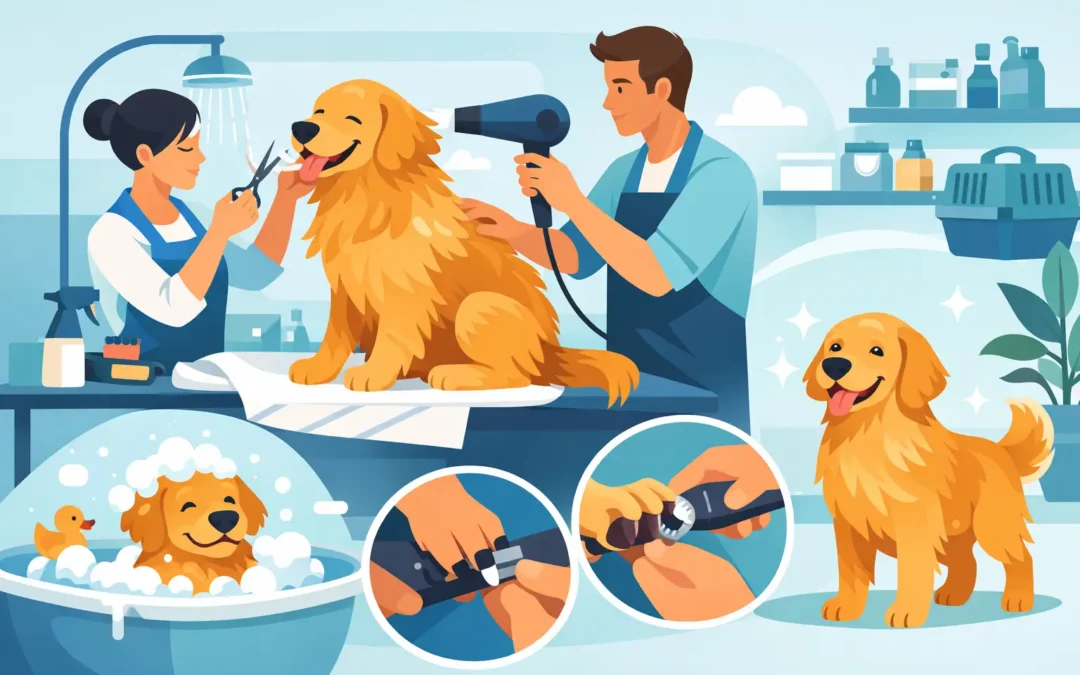
A great pet grooming salon does more than send your dog home smelling fresh and looking adorable. It gives them focused, gentle care that supports their comfort from nose to tail. For pets who are part of the family, grooming is a welcome reset: a clean coat, comfortable paws, bright eyes, and the confidence that comes from feeling their very best.
At Jolis Grooming, every appointment is designed to feel personal. Your dog is not simply moving through a routine. Their coat, skin, temperament, grooming history, and comfort level all deserve thoughtful attention. That difference matters, especially for dogs who need a little extra patience or simply thrive when they are treated with calm, caring hands.
A Pet Grooming Salon Supports Everyday Wellness
Bath time at home is valuable, but professional grooming brings together the details that can be difficult to manage in a bathtub or on a busy weekend. A proper grooming visit can help remove loose fur, lift away dirt and buildup, and leave the coat soft, fresh, and easier to maintain between appointments.
For many dogs, regular brushing and de-shedding are about more than appearance. Matted or compacted fur can pull at the skin and create discomfort, particularly around the ears, legs, belly, and tail. A fluff and brush treatment helps keep the coat light, smooth, and touchably soft while giving groomers the opportunity to work carefully through tangles before they become more troublesome.
A clean dog also tends to be a more comfortable dog. Pet-safe bathing products, thorough rinsing, and careful drying help refresh the coat without relying on harsh products that may irritate sensitive skin. The right schedule depends on your dog’s coat type, outdoor adventures, allergies, and lifestyle. A playful dog who loves puddles may need more frequent baths than a low-shedding companion who spends most days indoors.
The Small Details Make a Big Difference
The finishing touches of a grooming appointment are often the services pet parents appreciate most. They are also the details that can improve a dog’s daily comfort.
Nail and paw care, for example, can help your dog walk more naturally and comfortably. When nails become too long, they may affect how a dog stands or moves. Paw attention can also clear away dirt and help keep the feet looking neat after walks, park days, and backyard play.
Teeth cleaning is another welcome part of a polished care routine. Freshening your dog’s smile supports a cleaner, more pleasant experience for everyone sharing couch cuddles and close-up kisses. While professional grooming does not replace veterinary dental care, routine attention can be a helpful part of your pet’s overall hygiene plan.
A face trim can make an immediate difference, too. Clearing excess hair from around the eyes and muzzle helps your dog look bright, tidy, and photo-ready. More importantly, it can help them feel less bothered by hair that falls into their face. Some dogs need a crisp breed-inspired look, while others benefit from a simple, soft trim that keeps maintenance easy. Personalized grooming makes room for both.
Why Gentle Handling Matters at Every Visit
Not every dog arrives at a grooming appointment feeling relaxed. New sounds, unfamiliar scents, water, dryers, and being handled around sensitive areas can feel overwhelming, especially for puppies, senior dogs, rescues, or pets with a past negative experience.
That is why a comfort-first approach matters. Gentle handling, patient pacing, and clear attention to your dog’s body language help create a calmer experience. A dog who needs time to settle should not be rushed simply to keep a high-volume schedule moving. Sometimes the best grooming care is knowing when to slow down, offer reassurance, and make the appointment feel more manageable.
Consistency can help, too. When dogs return for regular care, they become familiar with the process and the people caring for them. Over time, a grooming visit can become a dependable part of their routine rather than something to fear. This is particularly helpful for pet parents who want their dog to receive the same thoughtful treatment at each appointment.
Personalized Care Is Not One-Size-Fits-All
Every coat tells a different story. A curly-coated dog may need frequent brushing and trimming to prevent mats, while a short-haired dog may benefit most from a bath, brush-out, and nail care. Double-coated breeds can shed heavily during seasonal changes and may need extra help removing loose undercoat. Dogs with sensitive areas or anxious personalities may need an appointment paced around their comfort.
A personalized plan also respects your preferences. Some pet parents love a fluffy, rounded finish. Others want a low-maintenance trim that keeps their dog’s coat neat between visits. The goal is not to force every dog into the same style. It is to provide care that fits their coat, their needs, and the life they share with you.
What to Expect From a Full Grooming Visit
A full bath and groom package brings the experience together. Your dog can enjoy a refreshing bath, careful drying, brushing, coat shaping or trimming as needed, and attention to face, nails, paws, and overall presentation. The result is a dog who looks cared for, feels clean, and is ready for cuddles, company, and whatever the week brings.
Before an appointment, it helps to share anything that may make your pet more comfortable. Let the groomer know if your dog is sensitive about their paws, nervous around dryers, prone to tangles, recovering from an injury, or new to professional grooming. These details are not inconveniences. They help shape a more considerate visit.
It is also wise to arrive with a little extra time, especially for a first appointment. A calm handoff gives your dog a chance to settle without absorbing your own rush or stress. If your pet has medical concerns, skin changes, or pain that you have noticed at home, consult your veterinarian as needed. Grooming supports wellness, but it should always work alongside appropriate veterinary care.
Choosing a Pet Grooming Salon You Can Trust
The right salon should leave you feeling reassured before your dog ever steps into the bath. Look for a clean, welcoming environment, pet-safe products, services that match your dog’s needs, and a team that communicates with care. You should feel comfortable asking questions about the grooming process, sharing your dog’s preferences, and discussing how the appointment can be adapted for their personality.
Price and convenience matter, but they are not the whole picture. A lower-cost option may be right for a simple bath, while a pet who is anxious, heavily coated, or in need of detailed grooming may benefit from a more personalized appointment. The best value is care that protects your dog’s comfort while delivering the polished, healthy-looking result you want.
For Longwood pet parents, choosing local grooming also means choosing a relationship. Your groomer gets to know your dog’s usual coat condition, favorite comforts, and changing needs through every season of life. That familiarity can make grooming feel more personal for you and more reassuring for your best friend.
Your dog gives so much comfort, loyalty, and joy without ever asking for much in return. A gentle grooming appointment is a simple way to return that love: a little pampering, a little relief, and the happy feeling of being wonderfully cared for.
by | Aug 6, 2026 | Uncategorized
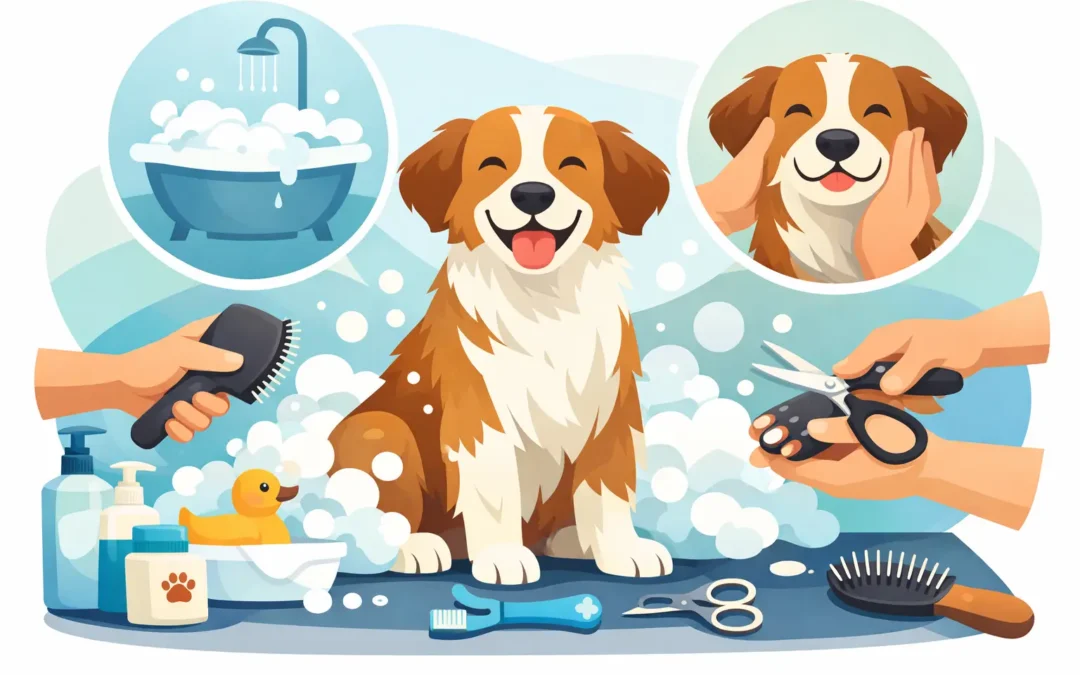
A fresh coat and a sweet-smelling pup are lovely, but grooming is about much more than a beautiful before-and-after photo. When pet parents ask what is included in dog grooming, the answer should include the thoughtful care that helps a dog feel clean, comfortable, and confident from nose to tail.
Every dog has different needs. A short-haired dog who sheds may benefit most from a deep bath and deshedding brush-out, while a curly-coated companion may need regular trimming to prevent mats and keep their skin comfortable. A quality grooming appointment is personalized around your pet’s coat, lifestyle, temperament, and current condition.
What Is Included in Dog Grooming?
Professional dog grooming often begins with a careful look at your pet’s coat, skin, ears, nails, and overall comfort. From there, the groomer can recommend the right level of care, whether that is a refreshing bath and brush service or a more complete groom with trimming and finishing details.
A full grooming experience may include bathing, drying, brushing, coat trimming, face shaping, nail care, paw treatment, ear attention, and teeth cleaning. The exact services can vary based on your dog’s breed, coat type, and the package you choose. What should not vary is gentle handling and a commitment to helping your pet feel safe throughout the visit.
A Clean, Comforting Bath
The bath is the foundation of many grooming appointments. It removes everyday dirt, loose hair, dander, and odors that can settle into the coat between visits. Professional pet-safe shampoos are selected with a dog’s skin and coat in mind, helping leave them clean without using harsh products that may cause dryness or irritation.
For dogs with sensitive skin, frequent outdoor adventures, or a particularly thick coat, the bathing process may need a little extra care. A thorough rinse matters just as much as the shampoo itself. Leftover product can make skin feel itchy, so a patient groomer takes the time to rinse thoroughly and make sure your pup is comfortable.
After the bath, careful drying helps prevent lingering dampness in the coat. Depending on your dog’s comfort level and coat type, this may involve towel drying, gentle high-velocity drying, fluff drying, or a combination of methods. The goal is not simply to get a dog dry quickly. It is to create a clean, soft finish while keeping the experience as calm as possible.
Brushing, Fluffing, and Coat Care
Brushing is one of the most valuable parts of a grooming visit, especially for dogs with longer, double, curly, or silky coats. It lifts out loose undercoat, removes tangles, and helps keep the coat from packing down against the skin. A proper fluff and brush treatment can leave a dog looking polished while also improving everyday comfort.
Mats are more than a cosmetic concern. Tight tangles can pull at the skin, hold moisture, hide irritation, and make movement uncomfortable. If a coat is mildly tangled, patient brushing may be enough. If mats are tight or widespread, shaving may be the kinder option. While no pet parent loves a shorter-than-expected haircut, relieving painful matting always comes before preserving coat length.
Regular professional brushing also helps reduce the amount of loose fur that ends up on furniture, clothes, and car seats. More importantly, it gives groomers a chance to notice changes such as dry patches, bumps, fleas, or tender areas that may deserve a closer look at home or with your veterinarian.
Hair Trims That Suit Your Dog
A haircut is not required for every dog, but for many breeds it is an essential part of healthy coat maintenance. Full grooming packages may include body trimming, sanitary trimming, foot shaping, and a tailored style that fits your pet’s coat and your preferred maintenance routine.
Face trims deserve special attention. Hair around the eyes, mouth, and chin can collect tears, food, and moisture. Keeping this area neat can help your dog see clearly and feel more comfortable, while giving them that bright, well-cared-for expression pet parents love. A gentle, experienced approach is especially important here because many dogs are naturally sensitive about their face and muzzle.
The best style is not always the longest or most elaborate one. It depends on your dog’s coat condition, how often they are brushed at home, the Florida heat, and how active their days tend to be. A practical trim that stays clean and manageable can be a wonderful choice for a busy family pet.
Nail, Paw, and Ear Care
Nail care is a small service with a big impact on comfort. Overgrown nails can affect how a dog stands and walks, catch on rugs, and create pressure on the toes. During grooming, nails are carefully trimmed or filed to a comfortable length. Because every dog’s nails and quicks are different, this is a service that calls for patience rather than rushing.
Paw treatment may include tidying excess hair around the pads and checking for debris or compacted fur. Clean, neat paws can help dogs gain better traction and reduce the chance of dirt being carried indoors. For pets who spend plenty of time outside, paw care is a thoughtful finishing touch that supports their everyday comfort.
Ear care is often included as well, though it should always be handled gently and appropriately. Groomers may clean visible debris around the outer ear area and alert you if they notice unusual odor, redness, or discharge. A groomer can support hygiene, but signs of an ear infection or ongoing discomfort should be addressed by a veterinarian.
Teeth Cleaning for a Fresher Finish
Many grooming appointments include basic teeth cleaning to freshen breath and remove surface buildup. This service can be a welcome part of a polished routine, especially for dogs who dislike having their mouths handled at home. It also encourages pet parents to stay aware of their dog’s oral hygiene between appointments.
Cosmetic teeth cleaning is different from veterinary dental care. If your dog has severe tartar, swollen gums, loose teeth, pain, or a strong persistent odor, they may need a veterinary examination. Professional grooming complements regular health care, but it does not replace it.
The Part You Cannot See: Individualized Attention
The best answer to what is included in dog grooming is not only a checklist of services. It is the way those services are delivered. A nervous rescue dog, a wiggly puppy, an older pet with stiff joints, and a confident social butterfly should not all be treated the same way.
A comfort-first appointment allows time for reassurance, gentle handling, breaks when needed, and a pace that respects the dog in front of the groomer. This is especially meaningful for pets who have had stressful grooming experiences in the past. Trust is built in small moments: a calm voice, a patient hand, a warm towel, and a groomer who pays attention to body language.
At Jolis Grooming, that personalized care is part of the experience. From a tidy face trim to a full bath and groom package, each visit is designed to help pets feel pampered rather than processed.
How Often Should Your Dog Be Groomed?
The right schedule depends on the dog. Many pets benefit from a bath and brush every four to eight weeks, while high-maintenance coats may need grooming every four to six weeks to stay free of mats. Short-haired dogs may not need haircuts, but they still benefit from bathing, nail care, brushing, and a regular wellness check from a trusted groomer.
Puppies often do well with early, positive introductory visits that help them become comfortable with the sounds, tools, and handling involved in grooming. Senior dogs may need shorter appointments or extra support depending on mobility and health needs. Sharing these details with your groomer helps create a visit that feels right for your pet.
A grooming appointment is a simple way to give your dog the clean coat, comfortable paws, and loving attention they deserve. When their tail is wagging on the way home, that polished finish feels even better.
by | Aug 4, 2026 | Uncategorized
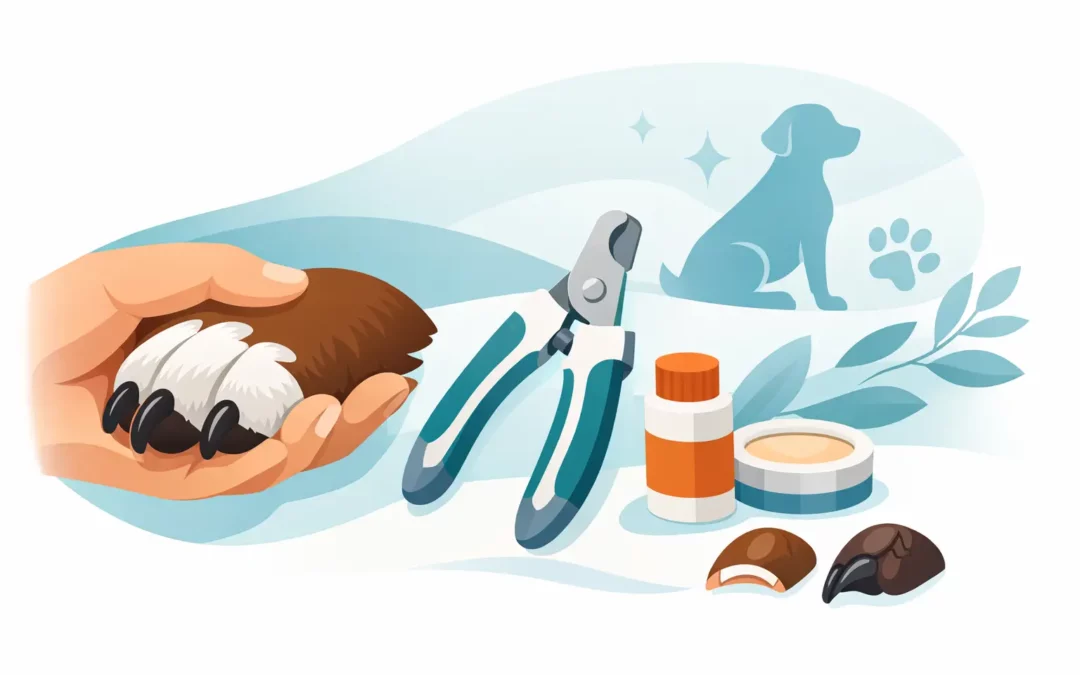
That familiar click-click across the kitchen floor may sound sweet at first, but it can be your dog’s quiet way of asking for a little paw care. This guide to dog nail maintenance is designed to help caring pet parents recognize when nails need attention, support comfortable movement, and make grooming feel less stressful for everyone involved.
Nail care is not simply a finishing touch for a polished look. When nails grow too long, they can change how a dog stands, walks, runs, and rests. A consistent, gentle routine protects those everyday moments – from excited greetings at the door to peaceful naps curled beside the family.
Why Healthy Nail Length Matters
A dog’s nails naturally wear down at different rates. Dogs who regularly walk on sidewalks may wear their nails more quickly than dogs who spend most of their time on grass, carpet, or soft indoor floors. Age, activity level, gait, breed, and even the shape of the paw can all affect how often a trim is needed.
When nails become overgrown, they may press against the floor and push the toes into an unnatural position. Over time, this can make walking uncomfortable and may contribute to sore paws, strained joints, or reduced confidence on slippery surfaces. Long nails can also snag on rugs, bedding, and upholstery, creating an unpleasant surprise for an already sensitive paw.
The dewclaws deserve special attention. These are the nails found higher on the inside of a dog’s front legs, and sometimes the rear legs. Because they often do not touch the ground, they do not wear down naturally. Left unchecked, a dewclaw can curl inward and become painful.
Signs Your Dog Is Due for a Nail Trim
The most obvious sign is the sound of nails tapping on hard floors. However, some dogs need a trim before the clicking starts. Look at your dog while they are standing comfortably. Nails ideally should sit close to the ground without forcing the toes upward or making the foot look splayed.
You may also notice your dog slipping more often, hesitating before jumping onto furniture, licking at a paw, or favoring one leg. These signs can have several causes, so they do not always point to nail length alone. Still, they are a good reason to inspect the paws and consider a professional grooming visit.
Check for nails that curve sharply, chips, splits, rough edges, redness between the toes, or pads that appear dry and irritated. A nail that is cracked, bleeding, loose, or painful to touch needs prompt attention. Avoid trying to solve a significant injury with a routine trim at home, especially if your dog pulls away, cries out, or will not bear weight on the paw.
A Guide to Dog Nail Maintenance at Home
For many families, the easiest approach is a combination of short at-home check-ins and regular professional care. Start by making paw handling an ordinary, rewarding part of the day. While your dog is relaxed, gently touch one paw, offer calm praise, and release it. Gradually hold each toe for a second or two. This small practice builds trust long before a nail tool appears.
Choose a quiet space with good lighting and a nonslip surface. Have treats ready, and keep the first sessions brief. The goal is not to finish every nail in one sitting. A dog who feels safe receiving two careful trims today may be far more comfortable completing the rest tomorrow.
Nail clippers and nail grinders can both work well, but the best tool depends on your dog. Clippers are quick and may suit dogs who tolerate brief handling. A grinder can create a smooth edge and allows you to remove a little length at a time, though some pets find the sound or vibration unsettling. Introduce either tool slowly: let your dog see it, hear it from a distance, and receive a reward for staying relaxed.
Work in Tiny Increments
Inside every nail is the quick, a sensitive area containing blood vessels and nerves. On light-colored nails, the quick is often visible as a pink center. On dark nails, it can be much harder to see. Rather than taking a large amount at once, remove a very small tip, then reassess the nail. If the freshly trimmed center begins to look darker, softer, or more oval, stop.
If you accidentally nick the quick, stay calm. Your dog will take emotional cues from you. Apply pet-safe styptic powder or cornstarch with gentle pressure to help stop minor bleeding, offer reassurance, and pause the session. If bleeding does not stop quickly or the toe seems injured, contact a veterinary professional.
Do Not Forget the Paw Itself
A lovely nail trim feels even better when the entire paw is clean and comfortable. Gently check between the toes for packed dirt, small burrs, or tangled hair. Keep paw fur tidy when needed so it does not trap moisture or make your dog slide on smooth floors. In Central Florida’s heat, pavement can be especially harsh, so inspect pads after walks and offer your companion cooler, gentler routes whenever possible.
Paw balm may help with dry pads for some dogs, but it is not a substitute for addressing soreness, burns, cuts, or persistent licking. Products should always be pet-safe, since dogs are likely to lick their feet.
How Often Should Nails Be Trimmed?
There is no single calendar rule that fits every dog. Many dogs benefit from a nail check every two to four weeks, while others may need more frequent touch-ups. The most reliable guide is your dog’s nail growth and comfort, not a date on the calendar.
Frequent, light trims can be especially helpful for long nails because the quick may gradually recede as the nail is shortened over time. Trying to restore overgrown nails to an ideal length in one session risks cutting into the quick and making future grooming more frightening. Patience is kinder and often more effective.
For puppies, senior dogs, and dogs with limited mobility, regular checks matter even more. Puppies are learning what grooming feels like, so positive early experiences can shape their comfort for years. Senior pets may have thicker, more brittle nails and less natural wear from exercise. Dogs with anxiety, arthritis, or previous grooming trauma may need extra breaks, softer handling, and the reassurance of an experienced groomer.
When Professional Nail and Paw Care Is the Kindest Choice
Home maintenance can be a wonderful bonding routine, but it is not the right fit for every pet parent or every dog. Dark nails, heavy coat growth around the feet, extreme squirming, and a history of fear can make trimming feel intimidating. There is no prize for pushing through a stressful session when your dog is telling you they need more support.
Professional groomers have the tools, lighting, handling skills, and practiced eye to care for nails efficiently while prioritizing comfort. A personalized nail and paw treatment can also include a close look at paw pads, dewclaws, and the condition of the feet, helping your dog leave feeling clean, light on their paws, and thoroughly cared for.
At Jolis Grooming, nail care is approached as part of a comfort-first grooming experience, never as a rushed add-on. Gentle handling and individualized attention help turn an essential task into a calmer moment of care for your cherished companion.
A well-timed nail trim can make the whole day feel better to your dog. Keep an eye on those paws, celebrate the small wins, and choose the level of support that helps your best friend feel safe, comfortable, and ready for every happy step ahead.

by | Aug 2, 2026 | Uncategorized
That sweet face leaning in for a cuddle should not come with a strong odor that makes you pull away. While many dogs have a little “doggy breath” now and then, persistent bad breath can make close moments less pleasant and may point to a need for better oral care. The best ways to freshen dog breath are gentle, consistent, and tailored to your pet’s comfort – never a quick cover-up that ignores what is happening in their mouth.
At Jolis Grooming, we see grooming as part of the loving care that helps dogs feel polished, comfortable, and ready for all the affection they deserve. A fresher mouth is a wonderful bonus, but healthy habits are the real goal.
Start With What Your Dog’s Breath Is Telling You
A mild odor after a nap, a treat, or an enthusiastic sniff around the yard is usually no reason to worry. Breath that is consistently foul, sour, metallic, unusually sweet, or suddenly much worse is different. It may be caused by plaque and tartar buildup, irritated gums, food caught between teeth, or an underlying health concern that deserves veterinary attention.
Take a calm look at your dog’s mouth when they are relaxed. Red or swollen gums, yellow-brown tartar, bleeding, loose teeth, heavy drooling, pawing at the face, and reluctance to eat crunchy food are all reasons to call your veterinarian. No dental chew, breath spray, or grooming treatment can replace professional veterinary dental care when there is pain, infection, or disease.
This is especially true for senior dogs, small breeds, flat-faced breeds, and pets who have already had dental problems. Their mouths often need a little more thoughtful attention.
Brush Teeth Gently and Often
Daily brushing is one of the most effective ways to improve your dog’s breath because it removes the sticky plaque that feeds odor-causing bacteria. If every day feels unrealistic at first, begin with a routine you can maintain. Brushing several times a week is far more helpful than buying supplies that never leave the drawer.
Use a soft dog toothbrush or finger brush with toothpaste made specifically for dogs. Human toothpaste is not safe for pets to swallow and should never be used. Pet toothpaste comes in dog-friendly flavors, which can turn the process from a chore into a small treat.
Start slowly. Let your dog smell and lick the toothpaste, then gently touch the brush to the outer surfaces of a few teeth. Praise generously, keep the session short, and stop before your dog becomes worried or frustrated. Most plaque builds along the gumline and on the outside of the teeth, so you do not need to force your way around the whole mouth on day one.
For sensitive dogs, a soft gauze pad wrapped around your finger can be a kind first step. The goal is not perfection. It is building trust and making oral care feel like another familiar part of being pampered at home.
Choose Dental Chews With Care
Dental chews can be a lovely addition to brushing, particularly for dogs who enjoy chewing. The gentle mechanical action may help reduce some surface buildup, while a quality dog-safe chew can leave the mouth feeling fresher between brushing sessions.
The right choice depends on your dog’s size, chewing style, dietary needs, and dental condition. A chew that is too small can become a choking risk, while extremely hard items can crack teeth. As a practical rule, avoid anything so hard that you could not make an indent in it with your fingernail. Bones, antlers, hooves, and very hard nylon chews may look long-lasting, but they are not the best fit for every mouth.
Offer chews only while you can supervise, and factor their calories into your dog’s daily meals. For dogs with sensitive teeth, missing teeth, or a history of digestive issues, ask your veterinarian for a recommendation before making dental chews part of the routine.
Keep the Water Bowl and Everyday Diet Fresh
A clean water bowl supports a cleaner-feeling mouth. Wash it daily with hot, soapy water, rinse thoroughly, and refill it with fresh water. This small habit helps reduce the bacteria and food residue that can collect in a bowl over time, especially in Florida’s warm weather.
Your dog’s food can also affect their breath. Strong-smelling treats, table scraps, and foods that do not agree with their digestion may contribute to an unpleasant odor. That does not mean every dog needs a dramatic diet change. It means paying attention to patterns. If breath becomes noticeably worse after a new food or treat, speak with your veterinarian before changing your pet’s diet.
Fresh vegetables such as small pieces of plain carrot can be a crunchy treat for some dogs, but they are not a substitute for brushing. They should also be offered in safe portions and only if they suit your dog’s age, size, chewing ability, and dietary plan.
Skip Breath “Fixes” That Only Mask Odor
When breath is unpleasant, it is tempting to reach for the fastest solution. But products that simply perfume the mouth can hide the odor without addressing plaque, gum irritation, or a dental problem. Avoid human mouthwash, breath mints, gum, toothpaste, and essential oils. Many contain ingredients that are unsafe for dogs, including xylitol, alcohol, or concentrated oils.
Dog-specific oral rinses, water additives, wipes, and sprays may be useful for some pets, particularly as a supplement to brushing. Still, they work best as part of a complete routine rather than the main event. If your dog dislikes sprays or becomes anxious when you approach their mouth, do not turn fresh-breath care into a stressful daily battle. A calm, gradual approach protects the trust you have built together.
Make Professional Grooming Part of the Routine
A well-groomed dog feels different – cleaner around the face, lighter through the coat, and ready to greet the world with confidence. Oral hygiene belongs in that same comfort-centered picture. During a grooming visit, teeth cleaning can help maintain your dog’s polished, cared-for appearance and give pet parents an added opportunity to notice changes in the mouth.
Professional grooming care is most valuable when it supports your home routine and veterinary guidance. Cosmetic teeth cleaning is not a replacement for a veterinary dental exam or anesthetic dental procedure when tartar extends below the gumline. A caring groomer will always put your pet’s comfort and safety first, rather than pushing through a service that is not appropriate for their needs.
For dogs who get messy around the muzzle, regular face trims and baths can make a meaningful difference, too. Food residue caught in facial fur, damp beard hair, and tear staining can create odors that seem like bad breath even when the mouth is not the only source. Keeping the face clean and comfortably trimmed helps your dog look as fresh as they feel.
Know When It Is Time for the Veterinarian
Fresh breath habits work best when your dog is starting with a healthy mouth. Schedule a veterinary visit promptly if bad breath appears suddenly, becomes intense, or comes with changes in appetite, energy, drinking, urination, weight, or behavior. You should also seek care if your dog seems painful when chewing, has facial swelling, or has discharge from the mouth or nose.
Some breath odors can signal issues beyond dental plaque. A sweet or fruity smell, urine-like odor, or severe rotten smell deserves timely professional attention. Your veterinarian can look beneath the surface, assess your dog’s teeth and gums, and recommend the right next step.
A Fresher Routine for Happier Close Moments
The most lasting answer is rarely one product. It is a gentle rhythm of brushing, safe chewing, fresh water, clean facial care, and veterinary checkups when something does not seem right. Begin with one small habit your dog can enjoy, then build from there with patience.
Your dog does not need a perfect smile to be deeply loved. They simply deserve the comfort of a clean, healthy mouth – and all the close-up kisses, couch cuddles, and happy greetings that come with feeling their very best.
by | Jul 31, 2026 | Uncategorized
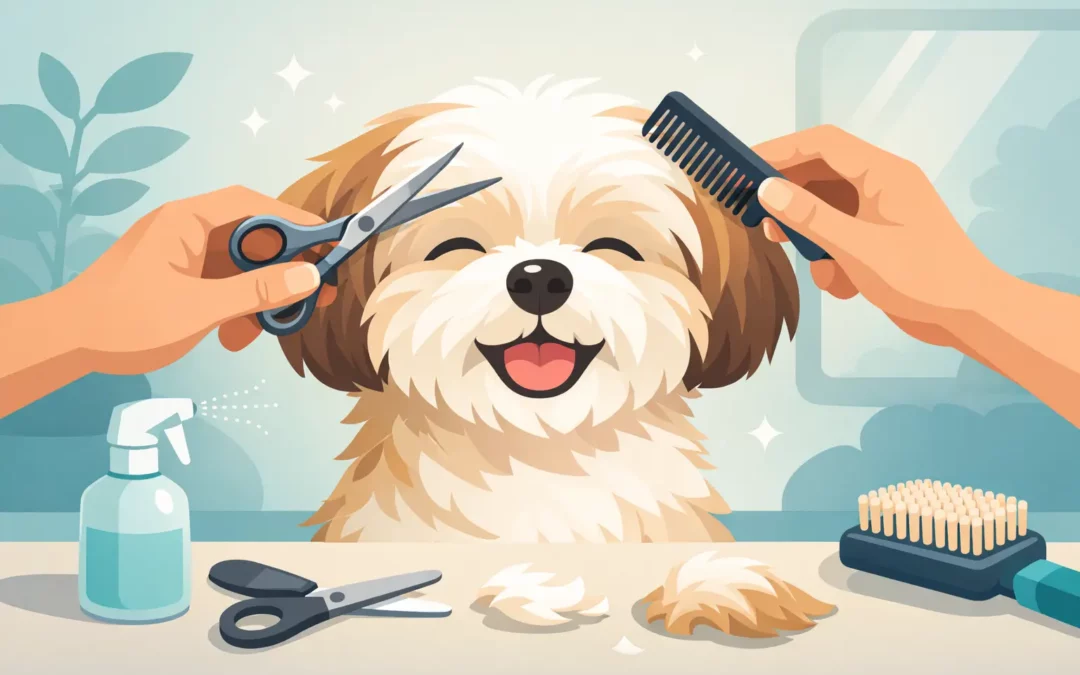
That sweet face deserves to be seen. When fur begins falling into your dog’s eyes, collecting around the mouth, or hiding their natural expression, a thoughtful face trim dog grooming visit can make a remarkable difference. It is not just about a tidy photo-ready look. A clean, comfortable face helps your pup see, eat, drink, and move through the day with more ease.
For many pet parents, the face is the area they notice first after a grooming appointment. Bright eyes look brighter, whiskers and cheeks feel softer, and your dog simply looks like themselves again. At the same time, face grooming requires patience, a gentle touch, and an understanding of each dog’s comfort level. This is delicate care, not a rushed finishing step.
Why Face Trim Dog Grooming Matters
The hair around a dog’s face can grow quickly, especially for breeds with soft, continuously growing coats. Poodles, doodles, Shih Tzus, Maltese, Yorkies, bichons, and many mixed breeds often need regular attention around the eyes, muzzle, ears, and chin. Left too long, facial hair can hold moisture, pick up food, mat near the corners of the eyes, and make everyday care more difficult.
A well-shaped face trim helps keep hair from rubbing against the eyes or blocking your dog’s view. It also makes it easier to notice tear staining, irritation, or changes around the skin that may otherwise be hidden by a heavy fringe. Around the mouth, a neat trim can reduce the amount of water and food that clings to the coat after meals.
There is also the simple comfort of feeling clean. Dogs use their faces to explore nearly everything. When their facial coat is free of tangles, dried debris, and overgrown strands, they often appear more relaxed and at ease. The goal is never to change your dog into a different-looking pet. It is to create a neat, balanced style that brings out the personality you already love.
A Face Trim Should Feel Safe, Not Stressful
The face is one of the most sensitive areas to groom. Dogs may be wary of tools near their eyes, ears, and nose, particularly if they have had an uncomfortable experience in the past. That is why the quality of the grooming experience matters as much as the finished shape.
A comfort-first groomer moves at your pet’s pace. They use calm handling, gentle support, and pet-safe grooming tools to work carefully around sensitive features. Some dogs settle in quickly, while others need a little more time, reassurance, and breaks. Neither response is wrong. Personalized grooming means respecting what your individual dog needs that day.
At Jolis Grooming, the intention is to make each visit feel like caring attention rather than a stressful chore. A polished trim should come with soft handling, a welcoming environment, and the confidence that your pet is being treated with patience from start to finish.
The areas your groomer may shape
A face trim is customized, but it commonly includes the hair around the eyes, forehead, cheeks, muzzle, chin, and the outer edges of the ears. Depending on your dog’s coat and preferred style, the groomer may also blend the face into the neck and body coat for a naturally finished appearance.
The right style depends on more than breed. Your dog’s face shape, hair texture, lifestyle, and tolerance all matter. A fluffy teddy-bear style can be adorable on a doodle or bichon, while a shorter, cleaner muzzle may be more practical for a dog that gets messy at every meal. A groomer can help you find the balance between the look you love and the maintenance that fits your routine.
What a Gentle Face Grooming Appointment Looks Like
A professional face trim begins long before scissors or clippers come near the face. Your groomer first gets to know your dog’s coat condition and temperament. If there are tangles near the eyes, beard, or ears, those areas are handled with extra care so pulling is minimized.
The facial coat is brushed and gently combed to reveal its natural shape. Your groomer may clean around the eyes and mouth as appropriate, then carefully remove excess hair that affects vision or collects moisture. The trim is refined in small steps, allowing the groomer to check for symmetry while keeping your pet calm.
For a dog who is nervous, the appointment may need a slower approach. In some cases, a simpler trim is the kindest choice, with the goal of building trust over time. A perfectly sculpted style is never worth pushing a frightened dog past their limits. Consistent, positive grooming experiences usually help pets become more comfortable with the process.
Many face trims pair beautifully with a bath, fluff and brush treatment, nail and paw care, or a full groom. A freshly cleaned and dried coat gives the groomer a better foundation for shaping the face, and it leaves your pup feeling pampered from nose to tail.
How Often Does Your Dog Need a Face Trim?
Most dogs with fast-growing facial hair benefit from a face trim every four to six weeks. Some need it more often, particularly if their bangs grow into their eyes or their beard becomes wet and messy between regular grooming appointments. A short-haired dog may only need occasional cleanup around the eyes, ears, or whiskers.
Your dog’s lifestyle can affect the schedule, too. A playful pup who loves water bowls, muddy yards, and enthusiastic meals may need more frequent facial freshening than a low-maintenance companion with a short, smooth coat. It depends on how quickly the hair grows, how easily it mats, and how much upkeep you prefer at home.
Rather than waiting until the fur becomes a problem, consider making face care part of a regular wellness routine. Staying ahead of tangles is usually gentler for your pet and easier for the groomer. Regular visits also give your dog the familiarity that can make grooming feel more predictable and reassuring.
Between-Appointments Care for a Clean, Comfortable Face
Professional grooming provides the careful shaping, but a few simple habits at home can help maintain that fresh look. After meals or drinks, gently wipe the muzzle and chin with a clean, pet-safe cloth. This small step can keep food residue from drying into the coat, especially for dogs with beards or light-colored facial hair.
Brushing the facial hair lightly can also prevent small tangles from becoming uncomfortable mats. Use a tool recommended for your dog’s coat type, and always work slowly around the eyes and mouth. If your dog pulls away or becomes worried, stop rather than forcing the grooming session. Building a positive association matters more than finishing every stroke.
Avoid trying to cut hair close to the eyes at home unless you have the proper training and your dog is exceptionally calm. A sudden head movement can turn a quick touch-up into a frightening moment. Professional groomers have the equipment, positioning skills, and experience to handle these detailed areas safely.
Signs it is time for a professional trim
You may notice your dog blinking more often because hair is hanging into their eyes, or see them rubbing their face on furniture and paws. Damp, discolored hair around the mouth, visible mats near the corners of the eyes, and a fringe that hides their expression are also good reasons to schedule care.
If you spot redness, swelling, unusual discharge, a strong odor, or persistent discomfort around the eyes or skin, contact your veterinarian. Grooming supports hygiene and comfort, but it does not replace medical care when a health concern may be present.
The Difference a Fresh Face Can Make
A face trim can seem like a small service until you see your dog afterward. Their eyes are visible. Their features look soft and balanced. Their coat feels cleaner around the places where daily life tends to leave the biggest mess. For pet parents, that polished look comes with the added reassurance that their companion has received attentive care.
The best face trim is one that suits the dog in front of the groomer, not a one-size-fits-all style. Whether your pup needs a quick eye-area cleanup, a rounded teddy-bear finish, or a practical short muzzle, gentle professional care can help them feel comfortable and look wonderfully loved. When their face says happy, clear-eyed, and cared for, you will see the difference every time they greet you at the door.
by | Jul 29, 2026 | Uncategorized
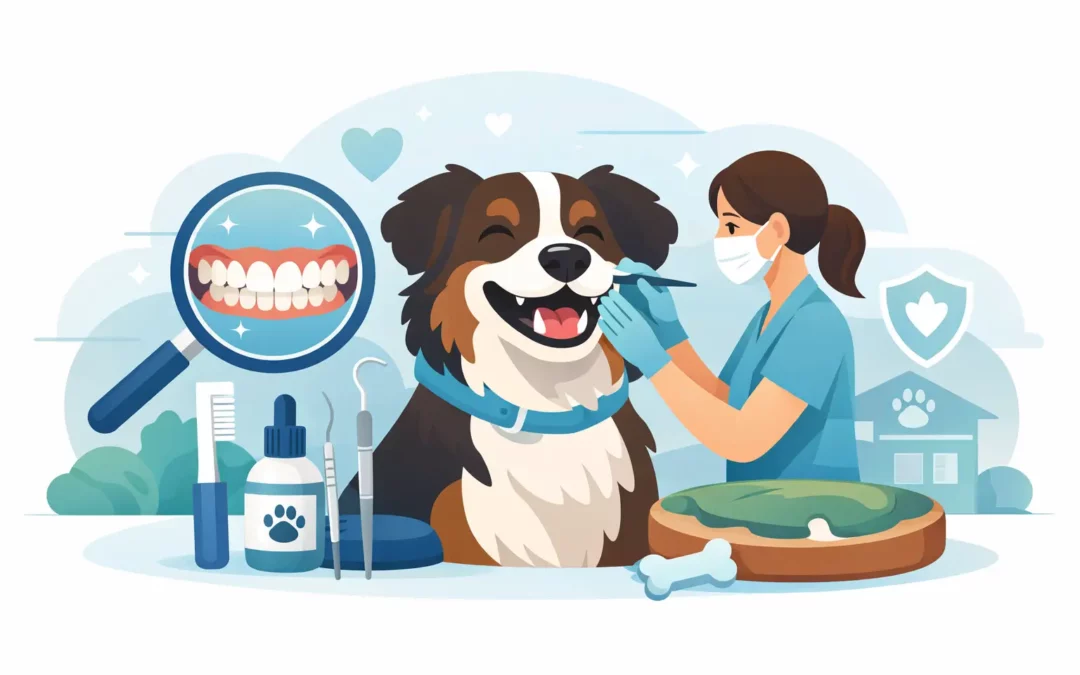
A sweet kiss from your dog should be a happy moment, not one that makes you turn away. Fresh breath and a clean-looking smile can make a real difference in the close, everyday moments you share. Dog teeth cleaning cost varies because oral care is not a one-size-fits-all service. The right choice depends on your dog’s comfort, the condition of their mouth, and whether they need routine grooming support or medical dental care.
For pet parents in Longwood and across Central Florida, the goal is simple: give your dog attentive care that helps them feel clean, comfortable, and confidently pampered. Understanding what goes into the price helps you choose care based on your dog’s needs, not just the lowest number on a menu.
What affects dog teeth cleaning cost?
The biggest factor is the type of cleaning your dog needs. A grooming salon’s teeth-cleaning service is generally designed to freshen the breath and gently remove light, visible buildup from the outer surfaces of the teeth. It is part of a regular wellness and hygiene routine, much like a bath, brush-out, or nail and paw treatment.
Veterinary dental cleanings are different. They are medical procedures, often performed with anesthesia, and may include a full oral exam, dental X-rays, cleaning below the gumline, polishing, medication, and treatment for diseased or damaged teeth. Because the level of care, equipment, training, and monitoring is much more involved, the cost is typically much higher.
Your dog’s size, temperament, and comfort level can also matter. A nervous dog may need extra patience and a slower pace. A dog with a very small mouth, a wriggly personality, or heavy tartar may not be an appropriate candidate for a standard grooming teeth-cleaning service. A caring provider will never rush through discomfort simply to finish an appointment.
The condition of the coat and the services booked alongside dental care can affect the overall grooming visit, too. Many families add teeth cleaning to a bath or full groom so their dog leaves feeling refreshed from nose to tail. That can be a convenient way to maintain regular hygiene without adding another stop to a busy week.
Grooming teeth cleaning versus veterinary dental care
Both have a place in your dog’s care routine, but they serve different needs. Grooming teeth cleaning is best thought of as maintenance for a mouth that is already generally healthy. It can help reduce surface debris, improve breath, and keep you more aware of changes in your dog’s mouth between veterinary visits.
It does not replace a veterinary dental exam or professional medical cleaning. Plaque and bacteria below the gumline cannot be fully addressed with a cosmetic grooming service. If there is pain, infection, loose teeth, advanced tartar, or gum disease, your dog needs veterinary attention rather than a salon appointment.
This distinction protects your dog. A sparkling front tooth can look reassuring, yet a pet may still have painful disease hidden beneath the gums. The most loving approach is to use each kind of care for what it does best: regular grooming maintenance for cleanliness and comfort, plus veterinary dentistry for diagnosis and treatment.
Signs your dog should see a veterinarian first
Do not wait for a grooming appointment if you notice persistent bad breath, red or bleeding gums, swelling around the face or jaw, excessive drooling, pawing at the mouth, trouble chewing, or a sudden reluctance to eat. Brown or yellow buildup, broken teeth, loose teeth, and changes in behavior also deserve a veterinary conversation.
Dogs are wonderfully good at carrying on even when something hurts. A dog who still eats may still have dental discomfort. When in doubt, let a veterinarian assess the situation before scheduling cosmetic teeth cleaning. That choice may feel less convenient in the moment, but it is the kindest path for your pet.
What should be included in a gentle grooming service?
A quality grooming teeth-cleaning service should focus on calm handling, clean tools, pet-safe products, and clear communication. Your groomer should take a quick look at the mouth before beginning and be comfortable telling you when a dog appears to need veterinary care instead.
For suitable dogs, the experience should be gentle rather than forceful. The aim is to clean accessible tooth surfaces as tolerated, freshen the mouth, and help your pet feel at ease throughout the process. No dog should be restrained harshly or pushed past clear signs of fear or discomfort for the sake of a brighter smile.
At Jolis Grooming, dental hygiene is approached as part of the whole grooming experience. Every pet deserves individualized attention, whether they are a confident regular who loves being pampered or a shy pup who needs extra reassurance. That comfort-first mindset matters just as much as the finished look.
Before you book, ask what the service includes, whether it is appropriate for your dog’s current dental condition, and how the groomer responds if your pet becomes anxious. A thoughtful answer is often more valuable than a bargain price. You are trusting someone with a beloved family member, and that trust should be earned through patience and honest guidance.
How often should dogs have their teeth cleaned?
At-home care is the foundation. Ideally, brushing with dog-safe toothpaste happens daily, though several times a week is still more helpful than skipping it entirely. Never use human toothpaste, which may contain ingredients that are unsafe for dogs to swallow.
Professional grooming teeth cleaning can be a helpful addition to your regular schedule, especially for dogs who tolerate mouth handling well and have been cleared of dental disease by their veterinarian. The right frequency depends on how quickly your dog develops surface buildup, their diet, breed, age, and home-care habits.
Small dogs and flat-faced breeds often need especially close dental attention because crowded teeth can trap food and plaque. Senior dogs may also need more frequent veterinary monitoring. On the other hand, a young dog with a healthy mouth and consistent home brushing may only need grooming maintenance as an occasional refresh. Your veterinarian can help set the medical side of that plan.
Ways to protect your dog between appointments
Regular brushing is the most meaningful step you can take at home. Start slowly by letting your dog taste dog-safe toothpaste and become comfortable with a finger near the lips. Keep early sessions brief, praise generously, and build up over time. For many dogs, a calm 30-second routine is more successful than a long battle once a week.
Dental chews, approved oral-care products, and a balanced diet may also support fresh breath and cleaner teeth, but they are not substitutes for brushing or veterinary care. Be cautious with very hard chews, such as antlers, bones, or objects that do not give under pressure. They can crack teeth, turning a simple maintenance concern into a painful and costly dental problem.
A quick look at your dog’s gums during cuddle time can be useful, too. Healthy gums are usually pink, though natural pigment varies. If you see new redness, swelling, bleeding, or buildup, make a note and reach out to your veterinarian rather than waiting for the next grooming visit.
Choosing value, not just the lowest price
When comparing dog teeth cleaning cost, consider the experience behind the service. A lower price may be appealing, but it should never come at the expense of gentle handling, hygiene, or your dog’s emotional comfort. The best value is care that respects your pet’s limits, uses appropriate products, and clearly recognizes when veterinary treatment is needed.
A well-kept smile is part of helping your dog enjoy the little things: favorite treats, playful greetings, cozy naps close to your face, and every tail-wagging moment in between. Ask questions, keep up with home care, and choose a grooming team that treats your dog with the patience and affection they deserve.
by | Jul 27, 2026 | Uncategorized
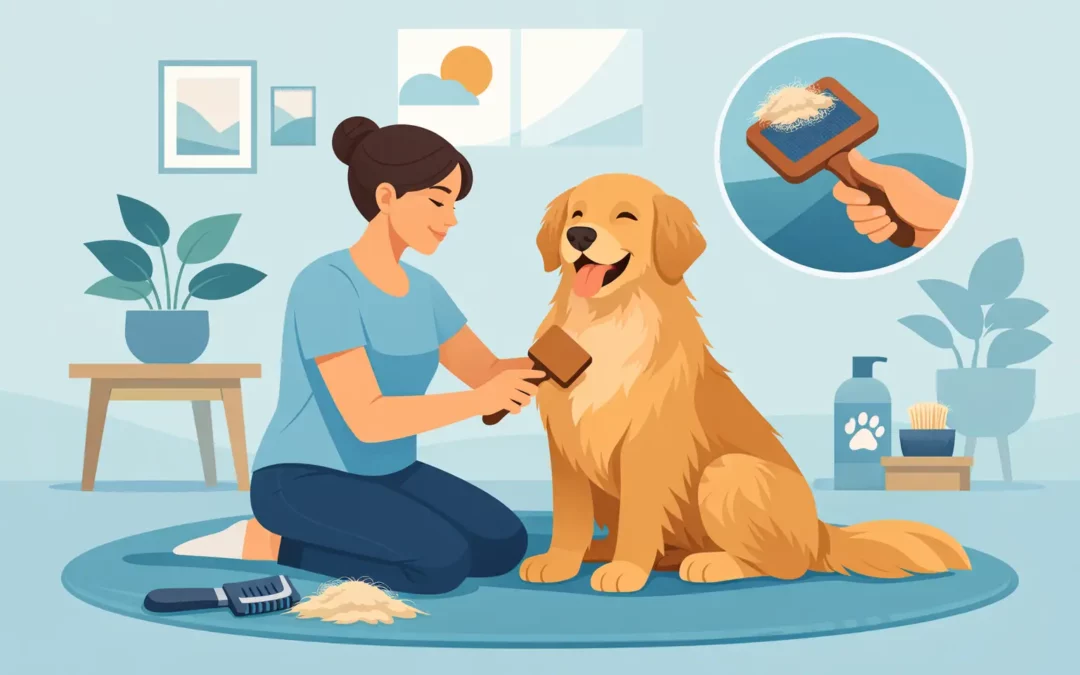
A silky coat is lovely, but the real value of regular brushing is what your dog feels: lighter, cleaner, more comfortable, and cared for. This guide to dog coat brushing is designed to help pet parents turn a necessary task into a gentle routine that supports healthy skin, a polished appearance, and peaceful time together.
Brushing is not one-size-fits-all. A Labrador who sheds on the sofa needs a different approach than a curly-coated Poodle, a fluffy double-coated Husky, or a small dog with fine, silky hair. The best routine is the one that respects your pet’s coat, comfort level, and individual needs.
Why Brushing Is a Comfort Care Essential
Loose hair does more than collect on furniture. When it stays trapped in the coat, it can contribute to tangles, compacted undercoat, and poor air circulation near the skin. Mats can pull with every step, especially behind the ears, under the collar, in the armpits, around the tail, and between the back legs. What looks like a small knot can become surprisingly uncomfortable.
Thoughtful brushing also gives you a regular opportunity to notice changes. You may spot dry skin, flakes, irritated areas, bumps, fleas, or tenderness before they become easy to miss beneath the fur. If you see a wound, swelling, unusual odor, or a skin concern that persists, pause the grooming and contact your veterinarian.
For many dogs, the emotional benefit matters just as much. A calm brushing session can build trust when it is handled with patience, soft touch, and plenty of breaks. Your dog learns that being cared for does not have to mean being rushed, restrained, or uncomfortable.
Your Guide to Dog Coat Brushing Tools
The right brush should glide through the coat without scraping, tugging, or causing your dog to flinch. You do not need a crowded grooming drawer, but selecting tools for your dog’s coat type makes every session kinder and more effective.
A soft bristle brush works beautifully for short, smooth coats. It lifts surface dust, distributes natural oils, and adds a healthy shine. Rubber curry brushes or grooming mitts can also be a comfortable choice for short-haired dogs, especially during shedding season.
For medium or longer coats, a slicker brush can help separate the hair and remove loose fur. Choose one with flexible pins and use light pressure. A metal comb is valuable for checking your work because it can find small tangles that a brush may glide over. For thick double coats, an undercoat rake or de-shedding tool may be helpful, but it should be used carefully and only as needed. Overusing a harsh shedding tool can irritate skin or damage the protective coat.
Curly, wavy, and continuously growing coats often benefit from a slicker brush followed by a comb. These coats can mat close to the skin even when the top layer looks fluffy and tidy. If you cannot comfortably get a comb through the coat, a professional groomer can help before the matting becomes painful.
Start With a Calm Setup
Where you brush can shape the entire experience. Choose a quiet room with good lighting and a nonslip surface. A towel or grooming mat can help a small dog feel secure on a table, while larger dogs may be most relaxed on the floor. Avoid beginning right after an exciting walk, during family bustle, or when your pet is already tired of being handled.
Let your dog inspect the brush first. Offer gentle praise, a favorite small treat, or a few calm strokes with your hand. Start with an easy area, such as the shoulder or back, rather than reaching immediately for sensitive places like the feet, belly, or tail.
Short sessions are perfectly worthwhile. A three-minute positive experience several times a week is often better than one long session that leaves your dog anxious. If your pet turns away, stiffens, lip-licks repeatedly, growls, or tries to escape, take that communication seriously. Stop, reset, and try again later with a softer approach.
How to Brush Without Pulling
Begin by running your fingers through the coat. This gentle check helps you locate tangles before a brush catches on them. Work in small sections, brushing in the direction the hair grows. On longer coats, use line brushing: hold a small layer of hair up, brush the hair beneath it from the ends toward the roots, then move gradually upward. This technique reaches the coat near the skin without pulling through a large section all at once.
When you find a knot, do not force it. Hold the hair at the base, close to the skin, to reduce tugging. Then use your fingers or the end of a comb to gently loosen the outer edges of the tangle. A pet-safe detangling spray may help, but never spray close to your dog’s eyes or face. If the knot is tight, flat against the skin, or causing discomfort, it is time to call a professional.
Never cut a mat out with household scissors. Skin can be pulled into a mat and is much easier to nick than many pet parents realize. Professional groomers use specialized tools, training, and careful handling to address difficult areas safely.
Pay special attention to the places where friction creates tangles fastest: behind the ears, under harness straps, around the collar, beneath the front legs, feathering on the legs, and the rear. A quick comb-through in these spots between full brushing sessions can prevent a small problem from turning into a major one.
Brushing Sensitive Areas
The face, paws, tail, and sanitary areas call for extra patience. Use a small comb or a soft brush around the face, always moving away from the eyes. Do not pull at dried discharge near the eyes. A damp, soft cloth may be a more comfortable first step.
For paws, handle one foot at a time and keep the session brief. Some dogs need time to feel safe with their feet being touched, especially if nail trims have been stressful in the past. Gentle praise and gradual practice can make a meaningful difference.
Match the Schedule to the Coat
Short-coated dogs often do well with a quick brush once or twice a week, though more frequent brushing can be welcome during seasonal shedding. Medium and long coats usually need attention several times a week. Curly and dense coats may need daily combing, particularly if your dog wears a harness, enjoys swimming, or loves rolling through Central Florida’s humid grass and sandy paths.
Bathing changes the equation. A clean, fully dried coat is generally easier to brush, while brushing a wet, tangled coat can tighten knots. After a bath, dry thoroughly according to your dog’s coat needs before doing a complete brush-out. Dogs with double coats should never be shaved simply to manage shedding or Florida heat without veterinary or grooming guidance. Their coat plays a role in insulation and skin protection, and the right maintenance plan depends on the dog.
When Home Care Needs a Professional Touch
At-home brushing keeps your pet comfortable between appointments, but professional grooming provides a deeper level of coat and skin care. This is especially true for dogs with dense undercoats, long hair, curly coats, recurring matting, or a strong dislike of being brushed in certain areas.
A comfort-first grooming appointment can include a thorough brush and fluff treatment, a gentle bath with pet-safe products, careful face trimming, nail and paw attention, and a polished finish tailored to your dog. At Jolis Grooming, each pet is treated as an individual, with patient handling and personalized care designed to make grooming feel reassuring rather than overwhelming.
Do not wait for a coat to become severely tangled before booking. Early help is usually more comfortable for your dog and gives the groomer more options for preserving coat length where appropriate. Bring up any sensitivities, past grooming stress, skin concerns, or areas your dog dislikes being handled so the visit can be shaped around their needs.
A brush, a few quiet minutes, and a gentle hand can tell your dog something wonderful: you notice the little things that affect their comfort. Keep the routine simple, celebrate small progress, and seek caring professional support whenever your best friend needs a little extra pampering.
by | Jul 25, 2026 | Uncategorized
A fresh coat can make your dog look wonderful, but the best grooming appointment does much more than create a picture-perfect finish. A thoughtful dog grooming package comparison helps you choose care that suits your pet’s coat, comfort level, lifestyle, and personal needs – without paying for services that do not make sense for them.
For Longwood pet parents, the right package is often the one that leaves a dog clean, comfortable, and happily cared for from nose to paw. Whether your pup needs a quick refresh between full appointments or a complete pampering session, understanding what each service includes makes booking feel much easier.
What a Dog Grooming Package Should Do
Grooming is part of your dog’s regular wellness routine. A clean, brushed coat can feel lighter and more comfortable, while trimmed nails support easier movement around the house and on daily walks. Gentle face care can keep fur out of the eyes, and teeth cleaning helps freshen the moments when your pup is eager to greet you up close.
The ideal package is not always the biggest one. A short-haired dog who is bathed regularly may need a bath, nail and paw treatment, and light brushing. A fluffy doodle, long-haired mix, or double-coated breed may benefit from more detailed brushing and a full bath and groom service to keep the coat tidy and manageable.
Age and temperament matter, too. Puppies may do best with shorter, positive visits that build trust with the grooming process. Senior dogs or anxious pets may need extra patience, gentle handling, and a quieter pace. A caring groomer looks at the dog in front of them, not just a standard checklist.
Dog Grooming Package Comparison: The Core Options
Most grooming choices fall into three helpful categories: a bath-focused refresh, targeted maintenance care, or a full grooming appointment. Each has a place in a healthy routine.
Bath and Brush Services
A bath and brush service is a lovely choice for dogs that do not need a haircut but still deserve a clean, polished feel. This appointment typically centers on a thorough bath with pet-safe products, drying, and brushing to remove loose fur and leave the coat soft.
It is especially useful for short-coated dogs, dogs between haircut appointments, and pets who have had a muddy weekend in the yard or a little too much fun at the park. Regular baths can also help manage odor and shedding, although the right frequency depends on your dog’s skin, coat type, and activity level.
A bath package may be enough when your dog’s coat is already easy to maintain and you are comfortable handling routine brushing at home. If the coat is tangling, growing around the eyes, or collecting debris around the paws, a more detailed service may be the kinder choice.
Targeted Touch-Up Care
Sometimes your dog does not need a full groom. They simply need the details attended to. Face trims, teeth cleaning, and nail and paw treatment can be valuable add-ons or focused services for keeping your pet comfortable between major appointments.
Face trims are particularly helpful for dogs whose hair falls into their eyes or gathers around the mouth. The goal is not to change your dog’s personality or signature look. It is to keep their face neat, comfortable, and easy to see through.
Nail and paw care deserves just as much attention. Overgrown nails can affect how a dog stands and walks, while neglected paw areas may collect dirt and become uncomfortable. A professional trim and paw-focused treatment can help your dog feel more at ease on tile floors, sidewalks, and everyday adventures.
Teeth cleaning offers a finishing touch that pet parents appreciate during close cuddles. It is not a replacement for veterinary dental care, especially when there are signs of pain, swelling, or persistent bad breath. Still, routine grooming-based dental attention can support a fresher, more cared-for appearance.
Full Bath and Groom Packages
A full bath and groom package is the best fit when your dog needs coat shaping, a complete trim, or more involved maintenance. It generally combines the refreshing benefits of a bath with drying, fluffing and brushing, face care, nail attention, and grooming that is tailored to the dog’s coat and desired style.
This is often the right choice for breeds and mixes with continuously growing hair, including poodles, bichons, shih tzus, yorkies, and many doodles. It can also be a thoughtful option for any dog whose coat needs more than a quick brush to look and feel its best.
The difference is in the level of detail. A full groom creates a more finished look, but the real value is comfort. Removing excess hair around sensitive areas, gently working through the coat, and maintaining a manageable length can make daily life easier for your dog and home brushing easier for you.
How to Match the Package to Your Dog
Start with your dog’s coat rather than a package name. Smooth, short coats often need less frequent trimming but still benefit from bathing, shedding control, and nail maintenance. Curly, silky, or dense coats generally require more consistent brushing and professional grooming to prevent tangles from becoming painful mats.
Next, consider what you are seeing at home. Is your dog leaving more fur on the sofa than usual? Is their face becoming scruffy? Are their nails clicking on the floor? These small signs can point you toward the care that will make the biggest difference right now.
Your preferred look matters, but it should work with your dog’s needs. A longer, flowing style can be beautiful, yet it asks more of the at-home brushing routine. A shorter trim may be more practical for an active dog who loves Florida’s warm weather, outdoor play, or frequent swims. There is no one right answer – only the style and maintenance schedule that feel good for your pet and manageable for your household.
Questions Worth Asking Before You Book
A great grooming experience begins with clear communication. Ask what is included in the package, whether your dog’s coat condition could affect the appointment, and which services are recommended based on their breed, age, and temperament.
It is also helpful to share anything that may make your dog nervous. Perhaps they dislike having their paws handled, are sensitive around the face, or need time to warm up to new people. Those details allow the grooming team to provide a calmer, more personalized experience.
If you are unsure whether to book a bath and brush or a full groom, describe your dog’s current coat and the result you hope for. A trusted professional can guide you toward the service that offers the right level of care rather than simply the most extensive option.
Why Personalized Grooming Feels Different
High-volume grooming can make every appointment feel the same. Personalized grooming recognizes that a lively young retriever, a shy senior terrier, and a fluffy puppy experiencing their first trim each need something different.
At Jolis Grooming, that difference begins with a comfort-first approach. Gentle handling, pet-safe products, and individualized attention help turn routine maintenance into an experience that supports your dog’s happiness as well as their appearance. The goal is for your pet to leave feeling clean, cared for, and proud of their fresh look.
A package should never feel like a one-size-fits-all commitment. Your dog’s needs can change with the season, their coat length, their activity level, and even their comfort with grooming. Choose the care that meets them where they are, then give them the calm, loving appointment they deserve.
