
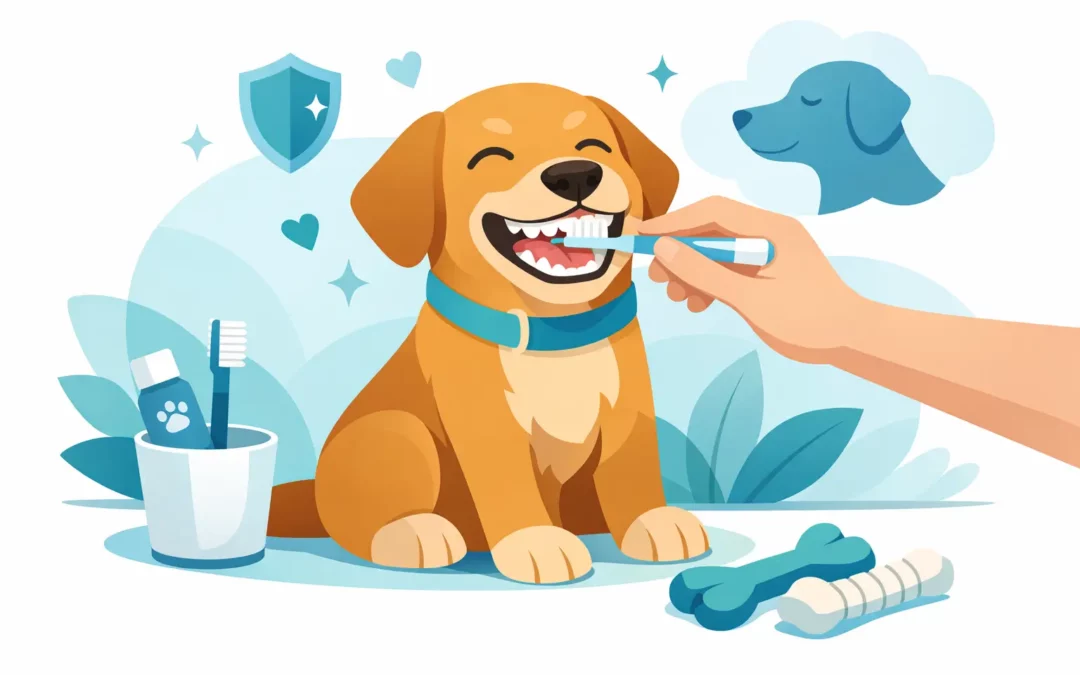
A bright smile is more than a sweet detail in your dog’s next family photo. Healthy teeth can make meals more comfortable, kisses fresher, and daily life happier. Learning how to clean dog teeth safely gives your pup gentle, consistent care without turning an affectionate routine into a stressful struggle.
The goal is not to force a perfect brushing session on day one. It is to build trust, one calm moment at a time. For many dogs, a few seconds of patient care followed by praise is far more valuable than a long session that leaves them uneasy.
Why Gentle Dental Care Deserves Attention
Dogs are wonderfully good at carrying on even when something in their mouth is uncomfortable. Plaque can build up along the gumline, eventually hardening into tartar. Left alone, that buildup may contribute to gum irritation, unpleasant breath, pain while chewing, and more serious dental concerns.
At-home brushing is one of the most helpful ways to reduce soft plaque before it becomes harder to manage. It cannot remove established tartar, repair a damaged tooth, or replace veterinary dental care. Think of it as the loving everyday maintenance between professional assessments, much like brushing your own teeth at home.
Your dog’s temperament, age, mouth shape, and dental history all matter. A relaxed puppy may welcome a toothbrush quickly, while a senior dog with tender gums may need a slower introduction and a veterinarian’s guidance first. Comfort always comes before speed.
What You Need Before You Begin
Keep the setup simple and pet-safe. Choose a quiet spot with good light, a time when your dog is naturally settled, and a reward they truly enjoy. A small dab of dog toothpaste in a flavor they like can make the experience feel much more inviting.
Use toothpaste made specifically for dogs. Human toothpaste is not safe for dogs to swallow and may contain ingredients that can upset their stomach or be harmful. You can use a soft dog toothbrush, a finger brush, or even a clean piece of gauze wrapped around your finger when first introducing oral care. The best tool is the one your dog can tolerate comfortably.
Have a soft towel nearby if your pup is wiggly, but avoid restraining them tightly. Dental care should feel like a moment of calm connection, not a wrestling match. If your dog starts pulling away, stiffening, growling, or showing obvious fear, pause and try again later.
How to Clean Dog Teeth Safely, Step by Step
Start by helping your dog become comfortable with you touching their muzzle. During a cuddle or quiet moment, gently rest your hand near the side of their face, offer a treat, and let them relax. Over several short sessions, lightly lift the lip for a second, then reward them again.
Once your dog is comfortable, place a tiny amount of dog toothpaste on your finger. Let them lick it. This step matters because the flavor and texture should become a positive part of the routine before a brush ever enters the picture.
Next, lift the lip and gently rub the toothpaste along the outer surfaces of a few teeth. The outside of the teeth, especially the upper molars and canines, is where plaque commonly collects. You do not need to pry your dog’s mouth open. Most dogs allow better access when their mouth stays naturally closed and you work beneath the lifted lip.
When your dog accepts the finger rub, introduce the toothbrush or finger brush. Hold it at a slight angle toward the gumline and use small, soft circles. Begin with just a few teeth on one side, then finish with praise and a reward. As your dog grows more comfortable, gradually work toward brushing both sides of the mouth for about 30 seconds to two minutes.
Aim for daily brushing when possible. If daily care is not realistic for your household, a few calm sessions each week are still worthwhile. Consistency is kinder and more effective than occasional, overly ambitious brushing.
Keep the Experience Calm and Positive
The safest brushing routine is the one your dog does not dread. Choose a predictable time, such as after an evening walk or before settling down for the night. Avoid trying to brush when your dog is excited, hungry, overheated, or eager to greet visitors.
Use a soft voice and brief praise throughout. Some dogs respond beautifully to a lickable treat afterward; others are happiest with a favorite toy or a few minutes of extra affection. Keep your body language relaxed. Dogs notice when we are rushing or frustrated.
If your pup has never had teeth cleaned, break the process into tiny wins. On the first day, simply touch their muzzle. The next day, lift the lip. Later, offer toothpaste. This slow approach may take a week or two, but it protects the trust you have worked so hard to build.
What Not to Do at Home
A few well-meaning shortcuts can cause discomfort or make dental issues worse. Never use human toothpaste, baking soda, mouthwash, peroxide, or essential oils in your dog’s mouth. These products are not designed to be swallowed by dogs and can create avoidable risks.
Do not scrape tartar from your dog’s teeth with metal tools or household objects. Hard tartar often needs professional removal, and scraping at home can injure the gums, damage tooth enamel, or leave rough surfaces where plaque gathers more easily. A dog may also move suddenly, even when they are usually gentle.
Avoid forcing the mouth open or holding your dog down to finish a session. If they are resisting, that is useful information. Take a break, make the next session easier, and consider whether soreness or anxiety may be affecting their response.
Dental chews, water additives, and special diets may support a broader oral-care routine, depending on the product and your dog’s needs. They are helpful additions for some pets, but they do not replace brushing or veterinary attention when dental disease is present.
When Your Dog Needs a Veterinarian
Brushing is preventive care, not a cure for a painful mouth. Schedule a veterinary visit if you notice persistent bad breath, swollen or bleeding gums, heavy yellow-brown tartar, loose or broken teeth, pawing at the mouth, drooling more than usual, or trouble chewing. A sudden change in appetite can also be a clue that something is wrong.
Veterinary dental cleanings are different from a surface brushing. A veterinarian can assess the entire mouth, including areas below the gumline, and recommend the appropriate care for your dog’s health and safety. This is especially important when tartar is already visible or your dog seems uncomfortable.
Make Oral Care Part of Your Pup’s Pampering Routine
Teeth care fits beautifully alongside baths, coat brushing, nail care, and all the little details that help a dog feel fresh and comfortable. During a grooming visit, gentle teeth cleaning can help maintain a polished appearance and fresher breath, while a veterinarian remains the right partner for diagnosing or treating dental disease.
For Longwood pet parents who want grooming to feel personal, calm, and thoughtfully handled, Jolis Grooming brings the same comfort-first approach to every detail of your dog’s care. Let your pup’s tolerance guide the pace, and celebrate every small success. A few gentle strokes today can become a familiar ritual your dog trusts tomorrow.