by | May 30, 2026 | Uncategorized
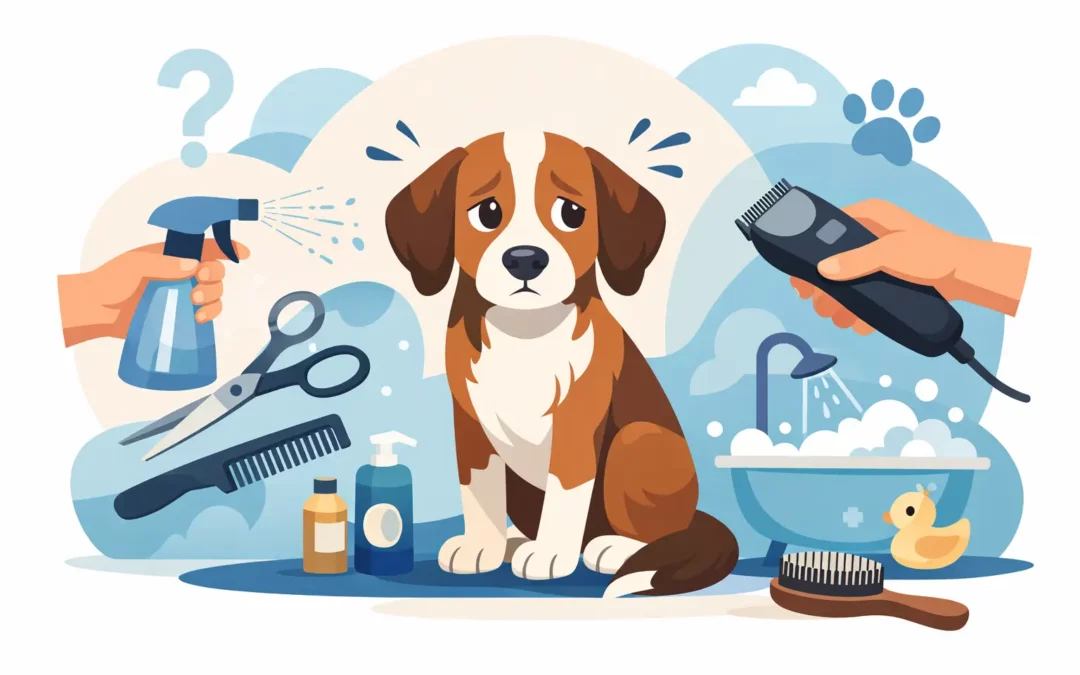
The moment you reach for the brush, your dog slips under the table. When the nail trimmers come out, they suddenly become an escape artist. If you have ever asked, why does my dog hate grooming, you are not alone. Many loving pet parents run into this exact struggle, and the answer is usually less about stubbornness and more about stress, sensitivity, or past experiences.
For dogs, grooming is deeply personal. It involves touch, sound, restraint, unfamiliar tools, and sometimes vulnerable areas like paws, ears, and faces. Even a sweet, affectionate dog can become nervous when a grooming routine feels confusing or uncomfortable. The good news is that grooming resistance often makes sense once you understand what your dog may be feeling.
Why Does My Dog Hate Grooming? Common Reasons
A dog who resists grooming is not trying to be difficult. More often, they are responding to something that feels scary, uncomfortable, or unpredictable. That reaction can show up as wiggling, whining, hiding, growling, or complete refusal.
One of the biggest reasons is simple sensitivity. Dogs experience the world through touch, sound, smell, and movement. Clippers buzz. Dryers roar. Brushes tug. Nail filing creates pressure on the paw. If your dog is especially sensitive, grooming can feel overwhelming very quickly.
Past negative experiences matter too. A dog that once had a painful mat brushed out, got nicked during a nail trim, or felt rushed during a previous appointment may start to connect grooming with discomfort. That memory can linger, even if every future grooming session is gentle.
Sometimes the issue is not emotional at all. It may be physical. Skin irritation, ear infections, dental discomfort, overgrown nails, joint pain, and matted fur can all make grooming feel unpleasant. A dog with sore hips may hate standing still for too long. A dog with tender paws may panic as soon as those paws are handled.
Age also plays a role. Puppies often dislike grooming because everything is new. Senior dogs may dislike it because their bodies feel more fragile. In both cases, patience and a customized approach make a real difference.
The Parts of Grooming Dogs Often Dislike Most
Not all grooming steps feel the same to your dog. Some dogs tolerate baths but hate brushing. Others are perfectly calm until it is time for nails or face trimming.
Paw handling is one of the most common triggers. Dogs rely on their feet for balance, movement, and security, so many feel protective of them. Nail trims can be especially stressful if a dog has had a quick cut too short before, or if they simply dislike the pressure and sound.
Face grooming can also be a challenge. Trimming around the eyes, muzzle, and ears requires closeness and precision, and some dogs do not enjoy hands or tools near such sensitive areas. Even gentle pets may pull away when they feel vulnerable.
Bathing is another mixed experience. Some dogs enjoy warm water and massage. Others dislike slippery tubs, the sensation of being wet, or water near their face. Then comes the dryer, which can be one of the loudest and most startling parts of the entire process.
Brushing becomes stressful when coats are tangled or matted. A light daily brush on a healthy coat feels very different from trying to work through tight mats that pull at the skin. In these cases, what looks like grooming resistance may actually be a dog trying to avoid pain.
Why Does My Dog Hate Grooming at Home but Not Always Elsewhere?
This can feel confusing for pet parents. Some dogs resist every grooming attempt at home, yet do surprisingly well in a professional setting. Others are the opposite.
At home, dogs may pick up on your hesitation. If you feel nervous about clipping nails or frustrated during brushing, your dog often senses that shift immediately. Home is also a place where dogs expect to relax, so handling they do not understand can feel disruptive.
In a calm professional environment, routines are more predictable. Skilled groomers know how to support a dog safely, work efficiently, and adjust techniques based on temperament and coat condition. For many dogs, that consistency helps lower anxiety.
That said, it depends on the dog. Some pets feel safest with their family and need slow desensitization at home before they can enjoy salon visits. Others benefit from the structure and confidence of experienced hands. There is no one-size-fits-all answer, which is why personalized care matters so much.
Signs Your Dog Is Stressed During Grooming
A dog does not have to bark or snap to be struggling. Stress can be subtle. You may notice lip licking, yawning, trembling, pinned-back ears, panting when they are not hot, trying to turn away, lifting a paw, or suddenly becoming very still.
Some dogs become extra clingy. Others shut down. A frozen posture is not always cooperation. Sometimes it is a sign that a dog feels too unsure to move.
Watching these smaller signals matters because they tell you when your dog is nearing their limit. When stress is ignored, grooming can become harder over time. When it is recognized early, the experience can be adjusted before fear escalates.
How to Help a Dog Who Hates Grooming
If your dog dislikes grooming, the goal is not to force them through it and hope they get used to it. Real progress usually comes from helping them feel safer, one positive experience at a time.
Start by lowering the pressure. Instead of trying to complete a full grooming routine in one session, focus on tiny wins. Let your dog sniff the brush. Touch one paw, then reward. Turn on the dryer across the room for a few seconds, then stop. These moments may seem small, but they teach your dog that grooming does not always lead to something scary.
Keep sessions short. A two-minute calm brushing session is more valuable than a 20-minute struggle. Ending on a positive note helps build trust.
Comfort matters just as much as technique. Use pet-safe products, gentle handling, and the right tools for your dog’s coat and skin. If brushing keeps catching, if nails are severely overgrown, or if mats are tight to the skin, trying to push through at home can make the problem worse.
Routine helps too. Dogs often do better when grooming is part of normal life instead of a rare, overwhelming event. Regular baths, fluff and brush treatments, paw care, and light trims can prevent buildup that turns basic maintenance into a stressful event.
If you suspect pain is part of the problem, it is worth paying attention. A dog that suddenly starts resisting grooming after tolerating it well before may be dealing with a physical issue rather than a behavioral one.
When Professional Grooming Can Change the Experience
For many families, the turning point comes when grooming stops feeling like a battle and starts feeling like care. A gentle, comfort-first grooming experience can reshape how a dog responds over time.
That is especially true for pets who need more than a quick rinse. Dogs with thick coats, fast-growing nails, sensitive skin, or anxiety often benefit from a setting designed around patience and personalized attention. The right groomer will not treat every dog the same. They will notice what your pet is nervous about, move thoughtfully, and create a more peaceful rhythm.
This is where boutique, appointment-based grooming can feel very different from a rushed, high-volume experience. When a dog is handled with kindness, given time to settle, and cared for with their comfort in mind, grooming becomes less about getting through it and more about helping them feel clean, relieved, and confident.
At Jolis Grooming, that comfort-first approach is at the heart of the experience. Services like face trims, baths, teeth cleaning, nail and paw treatment, and full bath and groom appointments are designed to support both appearance and wellness, while helping pets feel pampered instead of pressured.
A Better Grooming Experience Starts With Trust
If your dog hates grooming, it does not mean they are impossible to groom. It usually means they need a little more understanding, a little more patience, and a little more personalization than they have had before.
Some dogs need time to build confidence. Some need gentler handling. Some simply need grooming to happen before mats, long nails, and discomfort take over. Whatever the reason, your dog deserves an experience that protects their comfort as much as their coat.
The most reassuring shift happens when grooming no longer feels like something your dog has to endure. With the right support, it can become part of the care that helps them look polished, feel better, and head home more relaxed than when they arrived.
by | May 28, 2026 | Uncategorized
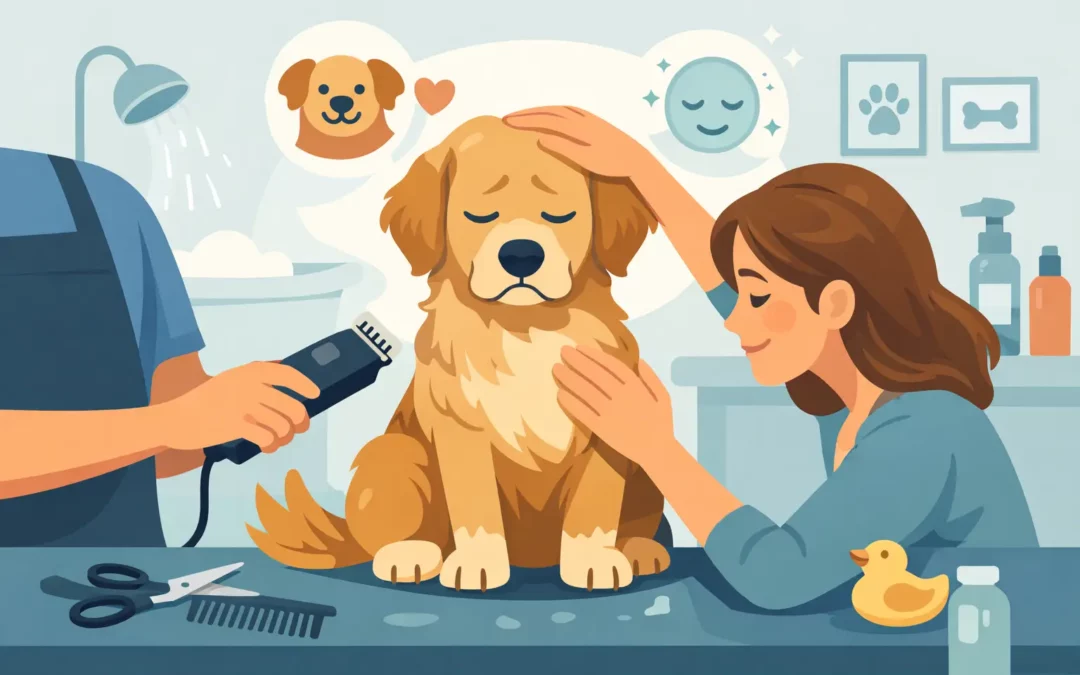
Some dogs start worrying before the car even leaves the driveway. They recognize the routine, tense up, and suddenly a simple bath or nail trim feels like a big event. If you have been wondering how to reduce dog grooming anxiety, the answer usually starts long before the appointment itself. A calmer grooming experience is built through trust, preparation, and the kind of gentle care that helps your dog feel safe at every step.
For many pet parents, anxiety around grooming can feel discouraging. You want your dog to stay clean, comfortable, and well cared for, but you also never want them to feel overwhelmed. The good news is that grooming stress is not something you simply have to accept. With the right approach, many dogs learn that grooming can be calm, predictable, and even comforting.
Why grooming anxiety happens
Dogs can feel uneasy about grooming for all kinds of reasons. Sometimes it is tied to noise, like clippers or dryers. Sometimes it is the sensation of water, brushing, paw handling, or being in a new space with unfamiliar smells. In other cases, the anxiety comes from a past experience that felt too fast, too rough, or simply too unfamiliar.
Age and temperament matter too. Puppies may be nervous because everything is new. Older dogs may have more physical sensitivity, especially around joints, nails, or matted areas. Some breeds are naturally more touch-sensitive, and some dogs are simply more cautious by personality. That is why comfort-first grooming works so well – it makes room for the individual dog instead of forcing every pet through the exact same pace.
When anxiety is ignored, grooming can become more difficult over time. A dog that panics during brushing may start resisting as soon as the brush comes out. A dog that struggles through nail trims may become fearful of anyone touching their feet. On the other hand, when a dog is handled gently and consistently, trust tends to build with each visit.
How to reduce dog grooming anxiety at home
The best grooming appointments usually begin with small, positive moments at home. If your dog only experiences brushing, face handling, or paw touching during a stressful session, those sensations can start to feel like warnings. Gentle practice between appointments changes that pattern.
Start with short sessions and keep the mood light. Touch your dog’s paws for a second, offer praise, then stop. Brush one small area, reward, and move on with your day. Lift an ear, wipe around the face, or briefly handle the collar and chest while speaking in a calm voice. These tiny repetitions help your dog understand that being handled does not automatically mean discomfort.
Timing matters. If your dog is already overstimulated, hungry, or full of pent-up energy, grooming practice may be harder. A short walk beforehand can help some dogs settle. Others do better after a quiet rest. It depends on your pet’s personality, which is why observing their body language is so valuable.
Keep your expectations realistic. A dog that fears nail trims may not be ready for a full trim after one week of practice. Progress often looks modest at first – less pulling away, less panting, more willingness to stay still. Those are meaningful wins, and they create the foundation for easier grooming later.
Make the routine feel predictable
Dogs tend to relax when life feels understandable. A predictable rhythm around grooming can reduce the fear of surprises. That can mean using the same travel routine, bringing your dog in at a quieter time of day, or keeping your own tone calm and steady before the appointment.
Your dog notices your energy. If you sound rushed, apologetic, or nervous, they can pick up on that tension quickly. A warm, reassuring attitude helps more than many owners realize. Calm does not need to be dramatic. It simply needs to be consistent.
Familiar comforts can also help. For some dogs, that means a favorite blanket in the car. For others, it means arriving with enough time so they are not being hurried from one place to another. Little details make a difference when your goal is to create a sense of safety rather than just get through the appointment.
Choose a comfort-first grooming experience
One of the most important parts of how to reduce dog grooming anxiety is choosing a groomer who sees emotional comfort as part of quality care. Technique matters, of course, but so does patience. A beautiful result is only part of the experience. The way your dog feels during the process matters just as much.
A comfort-first salon pays attention to pace, handling, and the individual needs of the pet. That may mean allowing a nervous dog time to settle before beginning. It may mean taking extra care around sensitive paws, a guarded face, or a heavily tangled coat. It may also mean using pet-safe products, gentle touch, and a quieter, more personalized approach.
Not every anxious dog needs the exact same solution. Some do better with more frequent appointments so coat maintenance stays simple and comfortable. Others benefit from shorter visits focused on just a few services at a time. A dog who dreads full grooming may cope well with a bath and brush one visit, then a face trim and nail care on another. The right plan depends on what your dog finds hardest and how quickly they recover from stress.
For local pet parents who want that kind of individualized attention, Jolis Grooming is built around a calm, personalized experience that helps dogs feel cared for, not rushed. That difference can mean a lot for pets who need a gentler path toward confidence.
Watch for the small signs of stress
Many dogs do not show anxiety in dramatic ways at first. They may lick their lips, yawn, lean away, freeze, tremble, or keep looking for the exit. Those subtle signals are worth noticing. They tell you when your dog is approaching their limit.
This is where a slower approach matters. If a dog is showing mild stress, a short pause, softer handling, or a reset can prevent that stress from escalating. If those signs are missed, the dog may move from uneasy to fully panicked. Once that happens, learning becomes harder and trust can take longer to rebuild.
It is also important to separate anxiety from discomfort. A dog who resists brushing may be frightened, but they may also be dealing with mats that pull at the skin. A dog who hates paw handling may be anxious, or they may have tender nails or irritated paw pads. Good grooming care looks at both emotional and physical comfort together.
Keep coat and nail care manageable
Sometimes the most effective way to reduce grooming anxiety is to prevent the appointment from becoming physically uncomfortable. When coats get heavily matted, brushing and trimming take longer and can feel much more intense. When nails are overgrown, paw handling can be more sensitive. Regular maintenance supports emotional ease because the process stays gentler.
That does not mean every dog needs an elaborate routine at home. It means consistency matters more than perfection. A few minutes of brushing several times a week is often easier on your dog than one long detangling session after weeks of buildup. The same idea applies to paw care, face cleaning, and routine baths.
If your schedule is full, regular professional grooming can take pressure off both you and your dog. Staying on a dependable schedule usually means shorter, smoother appointments and a dog who becomes more familiar with the process over time.
Give nervous dogs time to build confidence
Some dogs improve quickly. Others need a longer runway. That is normal. The goal is not to create a dog who loves every part of grooming overnight. The goal is to help your dog feel safer, more supported, and less overwhelmed each time.
Confidence often grows through repetition paired with positive handling. A dog who once fought paw trims may eventually tolerate them calmly. A puppy who squirms through brushing may grow into an adult dog who stands comfortably for coat care. Those changes rarely happen through force. They happen through patience, trust, and experiences that stay as positive as possible.
If your dog has severe anxiety, honesty helps. Tell your groomer what triggers your pet, what has gone badly before, and what seems to help. That information allows the experience to be tailored with more care. Personalized grooming is not a luxury for anxious dogs. It is often the reason they are able to make progress at all.
When your dog is treated with warmth, patience, and respect, grooming starts to feel less like something to endure and more like part of being well cared for. That shift may happen gradually, but it is worth every gentle step.
by | May 26, 2026 | Uncategorized
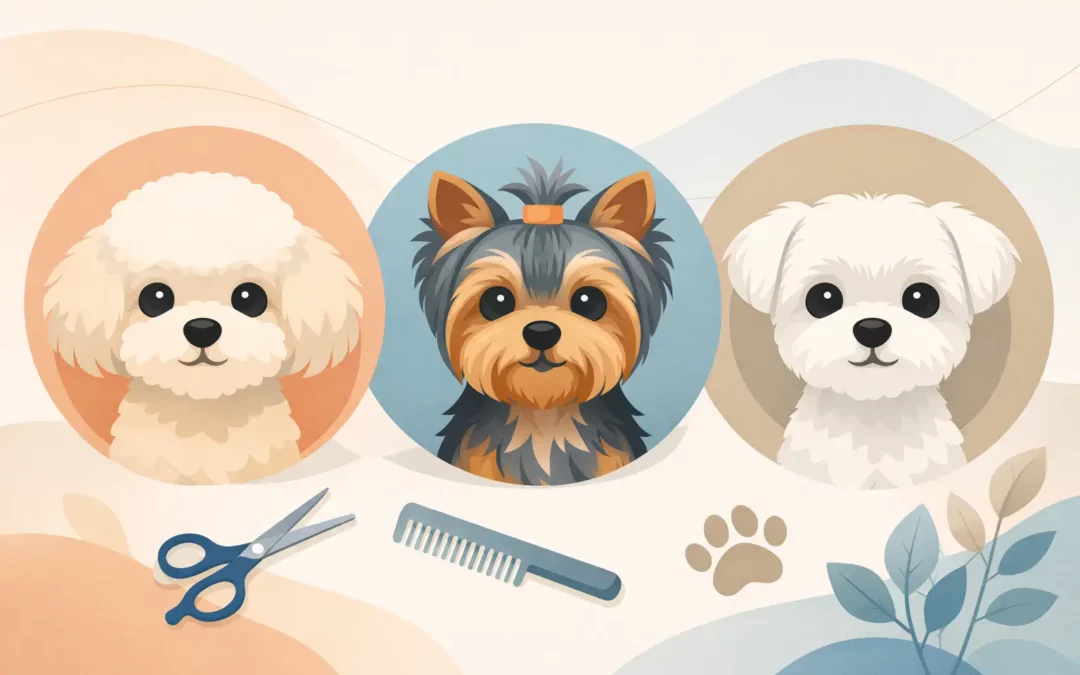
A beautifully trimmed face can change everything about a small dog’s look. The right face trim styles for small dogs do more than create a cute finish for photos – they help your pup see clearly, stay cleaner around the mouth and eyes, and feel more comfortable day to day. For pet parents who want their dog to look polished without sacrificing softness or comfort, the face trim is often where grooming feels most personal.
Small dogs have expressive features, and a thoughtful trim can bring those features forward in the most flattering way. It can soften a strong muzzle, open up bright eyes, or create a neat teddy bear shape that feels timeless and sweet. At the same time, not every trim suits every coat, and the most beautiful result is usually the one that balances style with your dog’s texture, maintenance needs, and comfort level.
Choosing face trim styles for small dogs
When pet parents think about grooming, they often picture the body cut first. But with small breeds, the face is what everyone sees immediately. That is why choosing among face trim styles for small dogs should start with your dog’s lifestyle, not just a photo you love.
A trim that looks perfect on a relaxed Maltese with a silky coat may not wear the same way on a playful Shih Tzu who spends afternoons rubbing her face on the couch. A fuller face can create that plush, cuddly look many owners adore, but it may require more brushing and more frequent touch-ups around the eyes. A shorter, cleaner shape tends to stay neater longer, though some pet parents feel it gives a less fluffy, puppy-like finish.
The sweet spot is different for every dog. Some need a trim that keeps tear staining less noticeable. Others benefit from tighter shaping around the mouth because they tend to hold food and moisture in the beard. For nervous dogs, a simpler maintenance trim may be the kindest choice because it keeps appointments shorter and easier.
The most loved small dog face trims
The teddy bear face
This is one of the most requested looks for a reason. The teddy bear face leaves the cheeks rounded, the muzzle soft, and the overall expression plush and youthful. It works especially well for breeds and mixes with coats that can hold shape, including Shih Tzus, Bichon Frises, and many doodle mixes on the smaller side.
The appeal is obvious – it feels classic, cuddly, and beautifully balanced. The trade-off is maintenance. A fuller round face can trap moisture after drinking and may need regular wiping and brushing to stay fresh. For pet parents who love that cloud-soft look and are comfortable with a little upkeep, it is hard to beat.
The puppy face
The puppy face is slightly looser and more natural than a crisp sculpted round trim. It keeps the expression open and gentle without making every line look highly styled. This can be a lovely option for owners who want their dog to appear neat but not overly formal.
It is especially flattering on dogs with naturally soft features or those whose coats grow quickly between appointments. Because the shape is a bit more forgiving, it often grows out gracefully. That can be helpful for busy families trying to keep their small dog looking adorable without feeling like grooming must be perfectly timed.
The clean round face
For pet parents who want softness with a tidier edge, the clean round face offers a polished middle ground. It keeps the rounded charm around the cheeks and head while trimming the eye corners and mouth area more closely. The result feels boutique and refined without looking severe.
This style is often ideal for dogs who get messy around the muzzle or who need clear visibility around the eyes. It delivers that well-kept salon finish while still honoring the sweetness small dogs are known for.
The short practical face
Sometimes the best style is the one that makes everyday life easier. A shorter face trim keeps hair away from the eyes, reduces debris around the mouth, and lowers the amount of brushing needed between appointments. This style can be especially helpful in warm Florida weather, where lighter maintenance and less trapped moisture can make a real difference in comfort.
That does not mean it has to look plain. A skilled groomer can keep the face short while still preserving softness and balance. For active dogs, seniors, or pups with sensitive skin, this can be one of the kindest and most functional choices.
The breed-inspired face
Some pet parents prefer a trim that honors the traditional look of their dog’s breed. A Yorkie face, for example, often leans sleek and neat, while a Schnauzer-inspired trim may include a more defined beard and brows. Breed-inspired styles can be beautiful, but they work best when adjusted for the individual dog rather than followed too rigidly.
A pure breed look may need to be softened if your dog’s coat texture is different, if matting is a concern, or if your pup does better with lower-maintenance care. The best grooming never feels forced. It should suit your dog as they are, not only as a breed standard photo suggests.
What makes a face trim truly flattering
A flattering face trim is not just about symmetry. It is about proportion, expression, and comfort. Small dogs can have prominent eyes, petite muzzles, rounded skulls, or narrow faces, and each feature changes what will look most balanced.
Dogs with larger, more prominent eyes usually benefit from careful clearing around the eye area so their expression looks bright rather than hidden. Dogs with shorter muzzles may need shaping that avoids making the face appear too bulky. If the ears carry a lot of coat, the face trim also needs to work with that volume instead of competing with it.
Coat type matters just as much. Silky hair falls differently than dense, curly, or cottony coats. A style that appears airy and rounded on one dog may collapse or separate on another. That is why the nicest result often comes from a groomer who tailors the trim rather than repeating the same pattern on every small breed.
Comfort should always come first
A beautiful face trim is only worth it if your dog feels at ease. The area around the face is sensitive, and many small dogs are especially aware of handling near the eyes, chin, and ears. Gentle technique, patience, and calm pacing matter just as much as the final shape.
This is where a comfort-first salon experience changes everything. Dogs who are handled kindly and given individualized attention are more likely to relax, which helps create a safer, more even result. When grooming feels less stressful, pets often become more accepting of regular maintenance, and owners gain peace of mind too.
For some dogs, especially puppies or rescue pets, the best first step is a simpler trim that builds trust. Once they are more comfortable with the process, more detailed styling may become an option. There is no downside to moving at your dog’s pace. In grooming, confidence grows beautifully over time.
Keeping the look fresh between appointments
Even the most polished trim needs a little home care to stay lovely. A quick daily wipe around the eyes and mouth can keep the face cleaner and more comfortable, especially for dogs prone to staining or dampness after meals. Gentle brushing around the cheeks and ears helps prevent tangles from forming where hair rubs together.
If your dog wears a fuller face, consistency matters. Skipping maintenance for a week or two can make the style lose its shape quickly. On the other hand, if your pet wears a shorter trim, home care is usually easier, though regular grooming is still important to keep the face balanced and sanitary.
This is often where pet parents realize that the prettiest style is the one they can realistically maintain. There is nothing wrong with choosing a slightly simpler trim if it keeps your dog more comfortable and your routine more manageable.
Finding the right look for your little dog
The best face trim is the one that makes your dog look like the happiest, most cared-for version of themselves. Some pets shine with a plush round face that invites compliments everywhere they go. Others look best with a cleaner, neater trim that highlights sparkling eyes and keeps life easy. Neither choice is better – it simply depends on coat, temperament, upkeep, and what feels right for your family.
At a personalized grooming salon, this decision should never feel rushed. It should feel like a conversation about comfort, appearance, and trust. That is what pet parents deserve, and it is what small dogs deserve too. At Jolis Grooming, that kind of thoughtful care is part of what makes a grooming visit feel less like an errand and more like a treat.
When you are choosing among face trim styles for small dogs, look for a style that brings out your pup’s personality while keeping everyday comfort front and center. The sweetest face is not just well groomed – it is relaxed, bright-eyed, and clearly feeling loved.
by | May 24, 2026 | Uncategorized
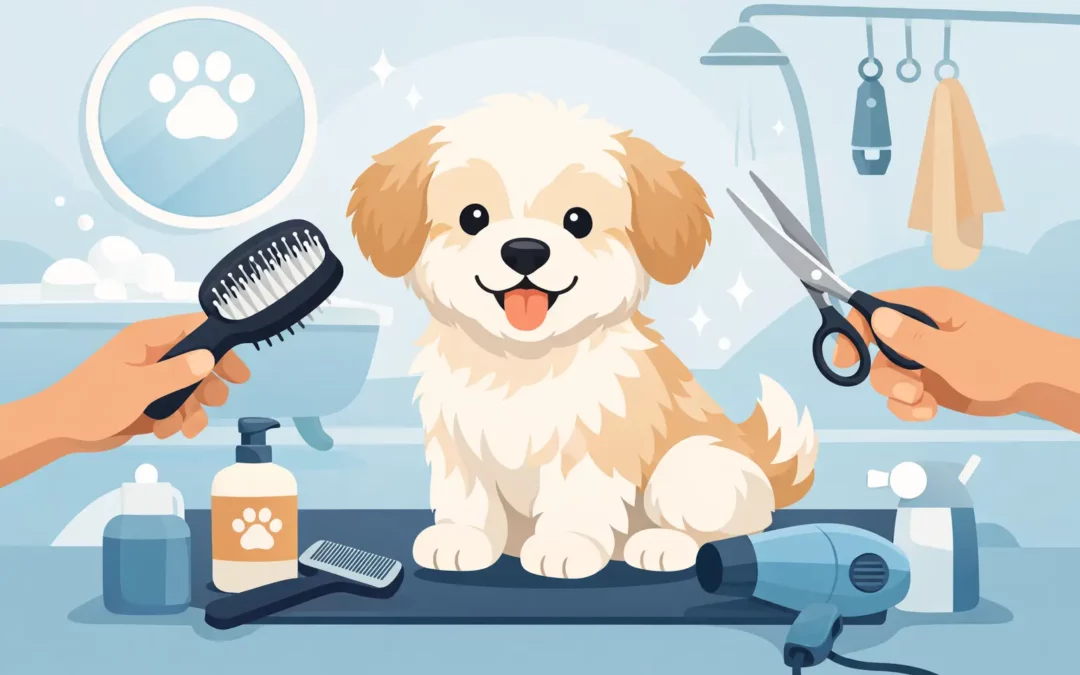
That first brush, bath, and nail trim can feel like a big milestone – because it is. A puppy first grooming appointment is often the moment when pet parents realize grooming is not just about looking polished. It is about helping a young dog feel comfortable being handled, cared for, and gently introduced to routines that support lifelong wellness.
For many families, the biggest question is not whether grooming matters. It is how to make the first visit feel calm and positive. The good news is that a thoughtful, comfort-first experience can set the tone for every appointment that follows.
Why a puppy first grooming appointment matters so much
A puppy’s first grooming visit is less about achieving a perfect finish and more about building trust. New sounds, unfamiliar tools, water, brushing, and handling around the face and paws can all feel brand new. When that introduction is handled with patience and kindness, puppies learn that grooming is safe.
That early confidence matters more than many pet owners expect. Puppies who are introduced to grooming gently are often easier to care for as they grow. Regular coat maintenance becomes less stressful, nail trims are more manageable, and routine hygiene feels more familiar instead of overwhelming.
There is also a practical side. Even young puppies can develop tangles, overgrown nails, tear staining, and messy fur around the face or paws. Starting early helps keep them clean and comfortable while preventing grooming from becoming a dreaded event later.
When to schedule the first visit
The timing depends on your puppy’s age, breed, coat type, and vaccination guidance from your veterinarian. Many pet parents begin with a light introductory appointment once their puppy is old enough and has the appropriate vaccine protection for a salon setting.
For some puppies, an earlier visit focused on gentle handling, a soft bath, a fluff and brush, and light touch around the nails or face is ideal. For others, especially breeds with faster-growing or higher-maintenance coats, waiting too long can make the first visit harder because the puppy is already dealing with matting or discomfort.
It really does depend on the dog. A fluffy doodle puppy and a short-coated boxer puppy will have different grooming needs, but both benefit from learning that being cared for is a positive experience.
How to prepare your puppy at home
The best preparation is simple, calm, and consistent. In the days before a puppy first grooming appointment, it helps to practice gentle handling at home. Touch your puppy’s paws, lift the ears softly, brush lightly if their coat allows it, and reward calm behavior with praise.
This does not need to be a training project with perfect results. Even brief, positive moments can help your puppy feel less surprised during the appointment. The goal is familiarity, not perfection.
It also helps to keep your puppy’s day easy and well-paced. A little playtime before the appointment can take the edge off extra energy, but too much stimulation may leave them overtired and less able to cope with new experiences. A potty break before arrival is also a small detail that makes a difference.
If your puppy is especially shy, your own energy matters too. Dogs are quick to pick up tension. A relaxed, cheerful handoff often helps more than a long, emotional goodbye.
What happens during a first grooming visit
Most first appointments are intentionally gentle. Rather than pushing for a full transformation, a quality grooming experience focuses on introducing the puppy to each step in a calm and supportive way.
That may include a soft bath, gentle drying, brushing, nail attention, paw care, light face trimming if needed, and plenty of patience throughout. The pace matters. Puppies often need breaks, reassurance, and a little extra time to adjust.
This is one reason a personalized salon experience can feel so different from a rushed, high-volume environment. Young dogs rarely benefit from being hurried. They benefit from being noticed – from someone recognizing when they are doing well, when they need a pause, and how to make the visit feel safe.
A comfort-first grooming team also pays attention to the details pet parents care about most. That includes pet-safe products, careful handling around sensitive areas, clean tools, and services that support both appearance and health. Teeth cleaning, paw treatment, coat care, and face trims are not just cosmetic extras. They can contribute to a puppy’s overall comfort and confidence.
What pet parents should expect after the appointment
Some puppies bounce right back as if nothing happened. Others are a little sleepy, clingy, or overstimulated after all the new sensations. Both responses can be completely normal.
Your puppy may also smell fresh, feel impossibly soft, and look noticeably more polished than before. But the most valuable result is not the fluffy finish. It is the beginning of a routine your puppy can grow into with less fear and more ease.
If the first visit went well, that does not mean every future appointment will be effortless. Puppies go through developmental stages, and their tolerance can change as they grow. That is why consistency matters. Regular appointments often work better than waiting until the coat is tangled, the nails are long, or the dog is already uncomfortable.
Common worries about a puppy first grooming appointment
It is very normal to feel protective about handing your puppy over for the first time. Many pet parents worry their dog will be scared, cry, or have a bad experience.
Those concerns are valid. Not every puppy loves every part of grooming right away. Some dislike nail handling. Others are unsure about the dryer or being on a grooming table. A good first appointment does not mean the puppy enjoys every second. It means the experience is managed with patience, empathy, and realistic expectations.
Another common concern is whether a puppy is too young or too sensitive for grooming. In many cases, the opposite problem is more common. Waiting too long can allow fear, matting, and resistance to build. Gentle early exposure usually gives puppies a better chance to develop comfort over time.
There is also the question of breed-specific needs. Long-coated, curly, or fast-growing coats often need earlier and more frequent maintenance. Short-coated puppies may need less coat work, but they still benefit from nail, paw, ear, and hygiene care. Grooming is never one-size-fits-all, especially for puppies.
Choosing the right salon for your puppy
The right fit matters. For a puppy first grooming appointment, pet parents should look for a salon that values gentle handling, clear communication, cleanliness, and individualized care.
This is not just about the final look. It is about whether the groomer sees your puppy as a young family member who needs patience and reassurance, not just a spot on the schedule. A boutique, appointment-based setting can be especially appealing for families who want a more attentive and stress-conscious experience.
Ask yourself how the salon talks about pets. Do they emphasize comfort? Do they seem willing to pace the visit around your puppy’s needs? Do they offer services that support wellness as well as appearance? Those details say a great deal.
For local families who want a polished, nurturing approach, Jolis Grooming reflects the kind of personalized care that helps puppies feel safe while giving pet parents real peace of mind.
Building a positive routine after the first visit
The first appointment is only the beginning. Puppies tend to do best when grooming becomes a familiar part of life rather than an occasional, overwhelming event.
That does not always mean frequent full grooms. Sometimes it means regular baths, brush-outs, face trims, nail care, or paw treatments scheduled at a pace that matches your puppy’s breed, coat, and comfort level. The exact routine will vary, and that is perfectly fine.
What matters most is keeping the experience positive and consistent. When puppies learn that grooming brings comfort, cleanliness, and kind handling, they are far more likely to settle into the process as they mature.
A beautiful coat is lovely, of course. Soft ears, tidy paws, fresh breath, and a clean face are wonderful too. But the real gift of a thoughtful first grooming visit is confidence. When your puppy feels safe being cared for, everything that follows gets easier – and that is something both of you can feel good about.
by | May 23, 2026 | Uncategorized
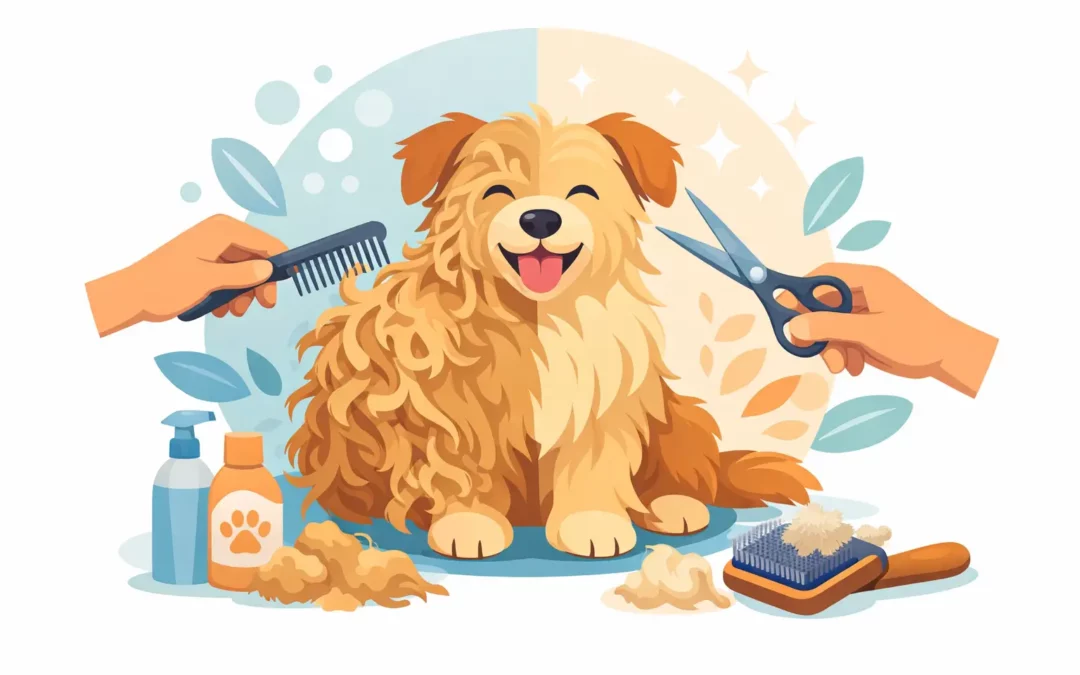
A matted coat can go from a small nuisance to a painful problem faster than many pet parents expect. Dog grooming for matted coats is not just about making a dog look tidy again. It is about protecting skin, easing discomfort, and giving your pet the kind of gentle attention that helps them feel safe throughout the process.
When mats tighten, they pull at the skin with every step, stretch, and scratch. They can trap moisture, dirt, and debris close to the body, which creates the perfect setting for irritation. In more serious cases, matting can hide hot spots, redness, sores, and even pests. That is why coat care is never only cosmetic. It is part of your dog’s overall wellness.
Why matted coats need prompt attention
A few tangles behind the ears are one thing. A heavily matted coat is something else entirely. Dense mats often form in areas with frequent friction, including under the collar, behind the legs, around the tail, under the ears, and along the chest or belly. Dogs with curly, fine, silky, or long coats are especially prone to it, but any dog can develop matting if the coat is not maintained consistently.
The challenge is that mats rarely stay small. Once loose hair gets caught and twists together, it keeps collecting more coat around it. Bathing a matted dog at home without proper prep can make the issue worse because water tightens mats. Brushing too aggressively can also hurt, especially if the mat is close to the skin. What starts as a simple grooming task can quickly become stressful for both dog and owner.
For many families, the hardest part is realizing that a beloved pet may be uncomfortable long before they show obvious signs. Dogs often adapt quietly. They may still wag their tails, ask for dinner, and greet you at the door. Meanwhile, their coat may be pulling every time they move. That is why timely grooming matters.
Dog grooming for matted coats is different from routine brushing
Routine maintenance grooming is about keeping the coat soft, clean, and manageable. Dog grooming for matted coats requires a more careful approach. The goal is not to force a perfect style at any cost. The goal is to remove problem areas as safely and comfortably as possible while respecting the dog’s skin, temperament, and coat condition.
That often means the best grooming plan depends on the severity of the matting. In mild cases, a groomer may be able to work through smaller tangles with brushing, detangling techniques, and patience. In moderate to severe cases, shaving underneath the mats may be the kindest option. Pet parents are sometimes disappointed to hear that a fluffy trim is not realistic that day, but comfort has to come first.
There is a real trade-off here. Saving coat length may sound ideal, yet trying to preserve too much hair can prolong discomfort and increase stress. A shorter reset can give the skin room to breathe and let the coat grow back healthier. It is not a failure. It is often the most compassionate path forward.
When brushing is enough and when it is not
If you can gently separate the hair with your fingers and move a comb through without pulling, the issue may still be manageable at home. If the coat feels like a dense pad against the skin, if your dog flinches when touched, or if you cannot see where the mat begins and ends, it is usually time for professional care.
The same is true if the matting is close to sensitive areas such as the ears, sanitary area, armpits, or paws. These spots are harder to work on safely, and an anxious dog can shift suddenly. Even a well-meaning at-home attempt can lead to accidental nicks when scissors are involved. For that reason alone, scissors are rarely the right answer for tight mats.
What a gentle salon approach looks like
A comfort-focused grooming experience can make all the difference for a dog with matting. Before any brushing or clipping begins, the coat should be assessed carefully. A skilled groomer looks at how tight the mats are, where they sit, whether there may be skin irritation underneath, and how the dog is handling the appointment emotionally.
That emotional piece matters. Dogs with matted coats often arrive already sensitive to touch. They may be embarrassed, uneasy, or simply overwhelmed by discomfort. Gentle handling, calm communication, and a patient pace are not extras. They are essential.
At Jolis Grooming, that kind of personalized care is part of what makes the experience feel reassuring for both pets and their people. A dog who feels safe is easier to groom thoughtfully, and that creates a better result from start to finish.
Why a fresh bath usually comes after mat removal
Many owners assume a bath should happen first, but with matting, the order matters. Thick mats can hold water and product against the skin, making them even tighter and harder to remove. In many cases, the coat needs to be clipped or detangled first, then bathed and gently dried once the skin is free.
After mat removal, a bath can do what it is supposed to do – cleanse the coat, soothe the skin, and leave your dog feeling refreshed rather than weighed down. Follow-up services like fluff and brush treatments, nail and paw care, and careful face trims can help complete the reset and leave your pet looking polished again.
How matted coats happen even in loving homes
Matting is common, and it does not always mean a pet owner has been careless. Busy schedules, weather, swimming, humidity, seasonal shedding, puppy coat changes, senior mobility issues, and even the wrong brushing tools can all contribute. Some dogs also dislike brushing, which turns routine maintenance into a struggle.
In Florida, heat and humidity can make coat maintenance even trickier. A damp coat after a walk in the rain, a day at the park, or time near the water can quickly tangle if it is not dried and brushed properly. Dogs who wear harnesses often mat where straps rub. Active dogs can mat around the legs and chest simply from everyday movement.
The key is not perfection. It is consistency. Small, regular grooming habits are easier on your dog than occasional marathon sessions once the coat has already become difficult.
Preventing future matting after a reset
Once the coat is clean, comfortable, and free of tight tangles, keeping it that way becomes much more manageable. A maintenance plan should fit your dog’s coat type and your lifestyle. A longer style may require more frequent brushing and more regular salon visits. A shorter trim can be a smart option for families who want easier upkeep without sacrificing comfort or charm.
Home care helps most when it is simple enough to stick with. For many dogs, a few minutes of brushing several times a week is better than one long session they dread. Focus on friction areas first. Lift the coat gently rather than brushing only the top layer. If your brush glides over the surface but a comb cannot pass through near the skin, hidden tangles may already be forming.
Professional appointments also matter. Regular baths, brush-outs, trims, and coat checks can catch problem spots before they become painful. It is much easier to maintain a healthy coat than to restore one that has become tightly matted.
Signs your dog may be due sooner than you think
You may want to schedule grooming sooner if your dog starts scratching more, resists being touched in certain spots, smells musty after getting wet, or develops clumps around the ears, collar, legs, or tail. Changes in behavior can be a clue too. Some dogs become quieter or more irritable when their coat is uncomfortable.
If your dog has had matting once, that does not mean it will always be a struggle. It often just means the grooming schedule needs to be adjusted. A little more frequency can spare your pet a lot of discomfort.
Choosing the right help for dog grooming for matted coats
When a coat is matted, the salon experience should feel calm, not rushed. This is not the moment for a one-size-fits-all appointment. Dogs dealing with tangles and tight mats need thoughtful assessment, pet-safe products, and handling that puts comfort before speed.
It also helps to work with a groomer who is honest about what is realistic. Sometimes that means preserving more coat. Sometimes it means starting fresh with a shorter trim to protect the skin and make future maintenance easier. A trustworthy groomer will explain the reason behind that choice with your dog’s well-being at the center.
Your dog does not need to live with the discomfort of a tight, tangled coat, and you do not need to guess your way through it alone. With gentle care, the right grooming approach, and a plan that fits your pet’s needs, even a heavily matted coat can become the starting point for a much more comfortable routine. A fresh coat, easier movement, and a happier dog are often closer than they seem.
