by | Jul 31, 2026 | Uncategorized
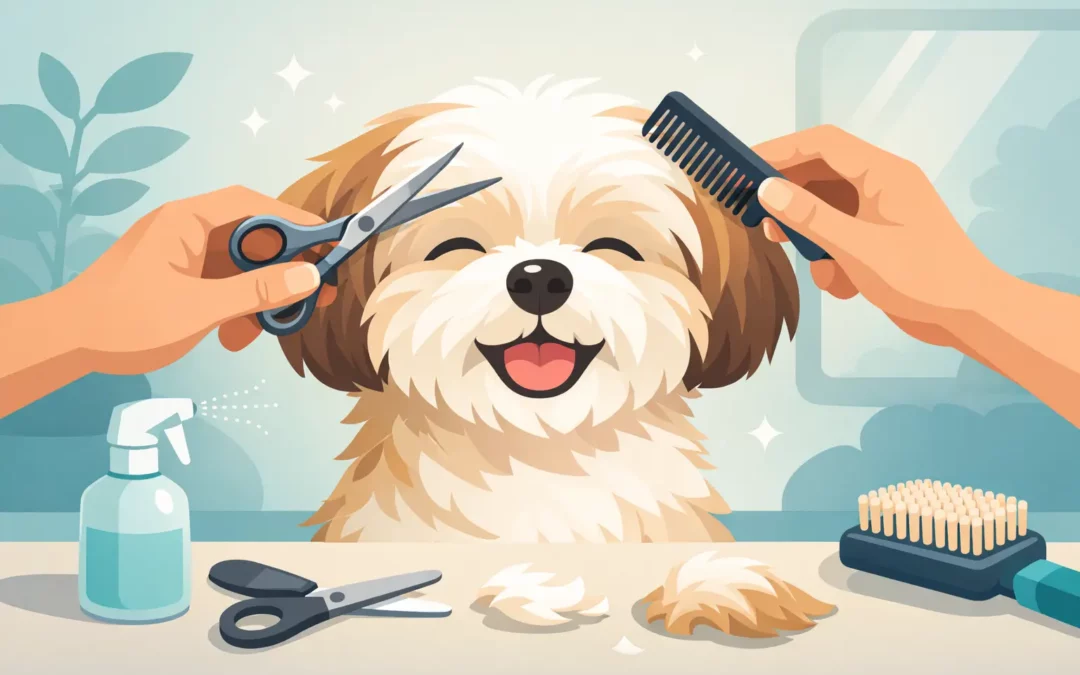
That sweet face deserves to be seen. When fur begins falling into your dog’s eyes, collecting around the mouth, or hiding their natural expression, a thoughtful face trim dog grooming visit can make a remarkable difference. It is not just about a tidy photo-ready look. A clean, comfortable face helps your pup see, eat, drink, and move through the day with more ease.
For many pet parents, the face is the area they notice first after a grooming appointment. Bright eyes look brighter, whiskers and cheeks feel softer, and your dog simply looks like themselves again. At the same time, face grooming requires patience, a gentle touch, and an understanding of each dog’s comfort level. This is delicate care, not a rushed finishing step.
Why Face Trim Dog Grooming Matters
The hair around a dog’s face can grow quickly, especially for breeds with soft, continuously growing coats. Poodles, doodles, Shih Tzus, Maltese, Yorkies, bichons, and many mixed breeds often need regular attention around the eyes, muzzle, ears, and chin. Left too long, facial hair can hold moisture, pick up food, mat near the corners of the eyes, and make everyday care more difficult.
A well-shaped face trim helps keep hair from rubbing against the eyes or blocking your dog’s view. It also makes it easier to notice tear staining, irritation, or changes around the skin that may otherwise be hidden by a heavy fringe. Around the mouth, a neat trim can reduce the amount of water and food that clings to the coat after meals.
There is also the simple comfort of feeling clean. Dogs use their faces to explore nearly everything. When their facial coat is free of tangles, dried debris, and overgrown strands, they often appear more relaxed and at ease. The goal is never to change your dog into a different-looking pet. It is to create a neat, balanced style that brings out the personality you already love.
A Face Trim Should Feel Safe, Not Stressful
The face is one of the most sensitive areas to groom. Dogs may be wary of tools near their eyes, ears, and nose, particularly if they have had an uncomfortable experience in the past. That is why the quality of the grooming experience matters as much as the finished shape.
A comfort-first groomer moves at your pet’s pace. They use calm handling, gentle support, and pet-safe grooming tools to work carefully around sensitive features. Some dogs settle in quickly, while others need a little more time, reassurance, and breaks. Neither response is wrong. Personalized grooming means respecting what your individual dog needs that day.
At Jolis Grooming, the intention is to make each visit feel like caring attention rather than a stressful chore. A polished trim should come with soft handling, a welcoming environment, and the confidence that your pet is being treated with patience from start to finish.
The areas your groomer may shape
A face trim is customized, but it commonly includes the hair around the eyes, forehead, cheeks, muzzle, chin, and the outer edges of the ears. Depending on your dog’s coat and preferred style, the groomer may also blend the face into the neck and body coat for a naturally finished appearance.
The right style depends on more than breed. Your dog’s face shape, hair texture, lifestyle, and tolerance all matter. A fluffy teddy-bear style can be adorable on a doodle or bichon, while a shorter, cleaner muzzle may be more practical for a dog that gets messy at every meal. A groomer can help you find the balance between the look you love and the maintenance that fits your routine.
What a Gentle Face Grooming Appointment Looks Like
A professional face trim begins long before scissors or clippers come near the face. Your groomer first gets to know your dog’s coat condition and temperament. If there are tangles near the eyes, beard, or ears, those areas are handled with extra care so pulling is minimized.
The facial coat is brushed and gently combed to reveal its natural shape. Your groomer may clean around the eyes and mouth as appropriate, then carefully remove excess hair that affects vision or collects moisture. The trim is refined in small steps, allowing the groomer to check for symmetry while keeping your pet calm.
For a dog who is nervous, the appointment may need a slower approach. In some cases, a simpler trim is the kindest choice, with the goal of building trust over time. A perfectly sculpted style is never worth pushing a frightened dog past their limits. Consistent, positive grooming experiences usually help pets become more comfortable with the process.
Many face trims pair beautifully with a bath, fluff and brush treatment, nail and paw care, or a full groom. A freshly cleaned and dried coat gives the groomer a better foundation for shaping the face, and it leaves your pup feeling pampered from nose to tail.
How Often Does Your Dog Need a Face Trim?
Most dogs with fast-growing facial hair benefit from a face trim every four to six weeks. Some need it more often, particularly if their bangs grow into their eyes or their beard becomes wet and messy between regular grooming appointments. A short-haired dog may only need occasional cleanup around the eyes, ears, or whiskers.
Your dog’s lifestyle can affect the schedule, too. A playful pup who loves water bowls, muddy yards, and enthusiastic meals may need more frequent facial freshening than a low-maintenance companion with a short, smooth coat. It depends on how quickly the hair grows, how easily it mats, and how much upkeep you prefer at home.
Rather than waiting until the fur becomes a problem, consider making face care part of a regular wellness routine. Staying ahead of tangles is usually gentler for your pet and easier for the groomer. Regular visits also give your dog the familiarity that can make grooming feel more predictable and reassuring.
Between-Appointments Care for a Clean, Comfortable Face
Professional grooming provides the careful shaping, but a few simple habits at home can help maintain that fresh look. After meals or drinks, gently wipe the muzzle and chin with a clean, pet-safe cloth. This small step can keep food residue from drying into the coat, especially for dogs with beards or light-colored facial hair.
Brushing the facial hair lightly can also prevent small tangles from becoming uncomfortable mats. Use a tool recommended for your dog’s coat type, and always work slowly around the eyes and mouth. If your dog pulls away or becomes worried, stop rather than forcing the grooming session. Building a positive association matters more than finishing every stroke.
Avoid trying to cut hair close to the eyes at home unless you have the proper training and your dog is exceptionally calm. A sudden head movement can turn a quick touch-up into a frightening moment. Professional groomers have the equipment, positioning skills, and experience to handle these detailed areas safely.
Signs it is time for a professional trim
You may notice your dog blinking more often because hair is hanging into their eyes, or see them rubbing their face on furniture and paws. Damp, discolored hair around the mouth, visible mats near the corners of the eyes, and a fringe that hides their expression are also good reasons to schedule care.
If you spot redness, swelling, unusual discharge, a strong odor, or persistent discomfort around the eyes or skin, contact your veterinarian. Grooming supports hygiene and comfort, but it does not replace medical care when a health concern may be present.
The Difference a Fresh Face Can Make
A face trim can seem like a small service until you see your dog afterward. Their eyes are visible. Their features look soft and balanced. Their coat feels cleaner around the places where daily life tends to leave the biggest mess. For pet parents, that polished look comes with the added reassurance that their companion has received attentive care.
The best face trim is one that suits the dog in front of the groomer, not a one-size-fits-all style. Whether your pup needs a quick eye-area cleanup, a rounded teddy-bear finish, or a practical short muzzle, gentle professional care can help them feel comfortable and look wonderfully loved. When their face says happy, clear-eyed, and cared for, you will see the difference every time they greet you at the door.
by | Jul 29, 2026 | Uncategorized
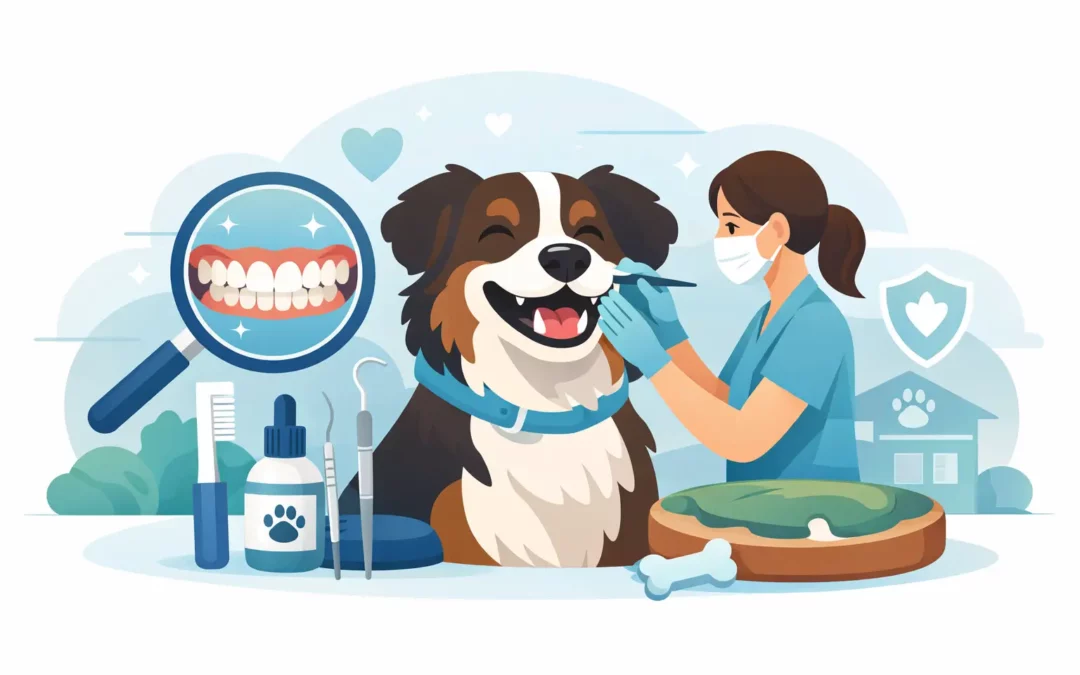
A sweet kiss from your dog should be a happy moment, not one that makes you turn away. Fresh breath and a clean-looking smile can make a real difference in the close, everyday moments you share. Dog teeth cleaning cost varies because oral care is not a one-size-fits-all service. The right choice depends on your dog’s comfort, the condition of their mouth, and whether they need routine grooming support or medical dental care.
For pet parents in Longwood and across Central Florida, the goal is simple: give your dog attentive care that helps them feel clean, comfortable, and confidently pampered. Understanding what goes into the price helps you choose care based on your dog’s needs, not just the lowest number on a menu.
What affects dog teeth cleaning cost?
The biggest factor is the type of cleaning your dog needs. A grooming salon’s teeth-cleaning service is generally designed to freshen the breath and gently remove light, visible buildup from the outer surfaces of the teeth. It is part of a regular wellness and hygiene routine, much like a bath, brush-out, or nail and paw treatment.
Veterinary dental cleanings are different. They are medical procedures, often performed with anesthesia, and may include a full oral exam, dental X-rays, cleaning below the gumline, polishing, medication, and treatment for diseased or damaged teeth. Because the level of care, equipment, training, and monitoring is much more involved, the cost is typically much higher.
Your dog’s size, temperament, and comfort level can also matter. A nervous dog may need extra patience and a slower pace. A dog with a very small mouth, a wriggly personality, or heavy tartar may not be an appropriate candidate for a standard grooming teeth-cleaning service. A caring provider will never rush through discomfort simply to finish an appointment.
The condition of the coat and the services booked alongside dental care can affect the overall grooming visit, too. Many families add teeth cleaning to a bath or full groom so their dog leaves feeling refreshed from nose to tail. That can be a convenient way to maintain regular hygiene without adding another stop to a busy week.
Grooming teeth cleaning versus veterinary dental care
Both have a place in your dog’s care routine, but they serve different needs. Grooming teeth cleaning is best thought of as maintenance for a mouth that is already generally healthy. It can help reduce surface debris, improve breath, and keep you more aware of changes in your dog’s mouth between veterinary visits.
It does not replace a veterinary dental exam or professional medical cleaning. Plaque and bacteria below the gumline cannot be fully addressed with a cosmetic grooming service. If there is pain, infection, loose teeth, advanced tartar, or gum disease, your dog needs veterinary attention rather than a salon appointment.
This distinction protects your dog. A sparkling front tooth can look reassuring, yet a pet may still have painful disease hidden beneath the gums. The most loving approach is to use each kind of care for what it does best: regular grooming maintenance for cleanliness and comfort, plus veterinary dentistry for diagnosis and treatment.
Signs your dog should see a veterinarian first
Do not wait for a grooming appointment if you notice persistent bad breath, red or bleeding gums, swelling around the face or jaw, excessive drooling, pawing at the mouth, trouble chewing, or a sudden reluctance to eat. Brown or yellow buildup, broken teeth, loose teeth, and changes in behavior also deserve a veterinary conversation.
Dogs are wonderfully good at carrying on even when something hurts. A dog who still eats may still have dental discomfort. When in doubt, let a veterinarian assess the situation before scheduling cosmetic teeth cleaning. That choice may feel less convenient in the moment, but it is the kindest path for your pet.
What should be included in a gentle grooming service?
A quality grooming teeth-cleaning service should focus on calm handling, clean tools, pet-safe products, and clear communication. Your groomer should take a quick look at the mouth before beginning and be comfortable telling you when a dog appears to need veterinary care instead.
For suitable dogs, the experience should be gentle rather than forceful. The aim is to clean accessible tooth surfaces as tolerated, freshen the mouth, and help your pet feel at ease throughout the process. No dog should be restrained harshly or pushed past clear signs of fear or discomfort for the sake of a brighter smile.
At Jolis Grooming, dental hygiene is approached as part of the whole grooming experience. Every pet deserves individualized attention, whether they are a confident regular who loves being pampered or a shy pup who needs extra reassurance. That comfort-first mindset matters just as much as the finished look.
Before you book, ask what the service includes, whether it is appropriate for your dog’s current dental condition, and how the groomer responds if your pet becomes anxious. A thoughtful answer is often more valuable than a bargain price. You are trusting someone with a beloved family member, and that trust should be earned through patience and honest guidance.
How often should dogs have their teeth cleaned?
At-home care is the foundation. Ideally, brushing with dog-safe toothpaste happens daily, though several times a week is still more helpful than skipping it entirely. Never use human toothpaste, which may contain ingredients that are unsafe for dogs to swallow.
Professional grooming teeth cleaning can be a helpful addition to your regular schedule, especially for dogs who tolerate mouth handling well and have been cleared of dental disease by their veterinarian. The right frequency depends on how quickly your dog develops surface buildup, their diet, breed, age, and home-care habits.
Small dogs and flat-faced breeds often need especially close dental attention because crowded teeth can trap food and plaque. Senior dogs may also need more frequent veterinary monitoring. On the other hand, a young dog with a healthy mouth and consistent home brushing may only need grooming maintenance as an occasional refresh. Your veterinarian can help set the medical side of that plan.
Ways to protect your dog between appointments
Regular brushing is the most meaningful step you can take at home. Start slowly by letting your dog taste dog-safe toothpaste and become comfortable with a finger near the lips. Keep early sessions brief, praise generously, and build up over time. For many dogs, a calm 30-second routine is more successful than a long battle once a week.
Dental chews, approved oral-care products, and a balanced diet may also support fresh breath and cleaner teeth, but they are not substitutes for brushing or veterinary care. Be cautious with very hard chews, such as antlers, bones, or objects that do not give under pressure. They can crack teeth, turning a simple maintenance concern into a painful and costly dental problem.
A quick look at your dog’s gums during cuddle time can be useful, too. Healthy gums are usually pink, though natural pigment varies. If you see new redness, swelling, bleeding, or buildup, make a note and reach out to your veterinarian rather than waiting for the next grooming visit.
Choosing value, not just the lowest price
When comparing dog teeth cleaning cost, consider the experience behind the service. A lower price may be appealing, but it should never come at the expense of gentle handling, hygiene, or your dog’s emotional comfort. The best value is care that respects your pet’s limits, uses appropriate products, and clearly recognizes when veterinary treatment is needed.
A well-kept smile is part of helping your dog enjoy the little things: favorite treats, playful greetings, cozy naps close to your face, and every tail-wagging moment in between. Ask questions, keep up with home care, and choose a grooming team that treats your dog with the patience and affection they deserve.
by | Jul 27, 2026 | Uncategorized
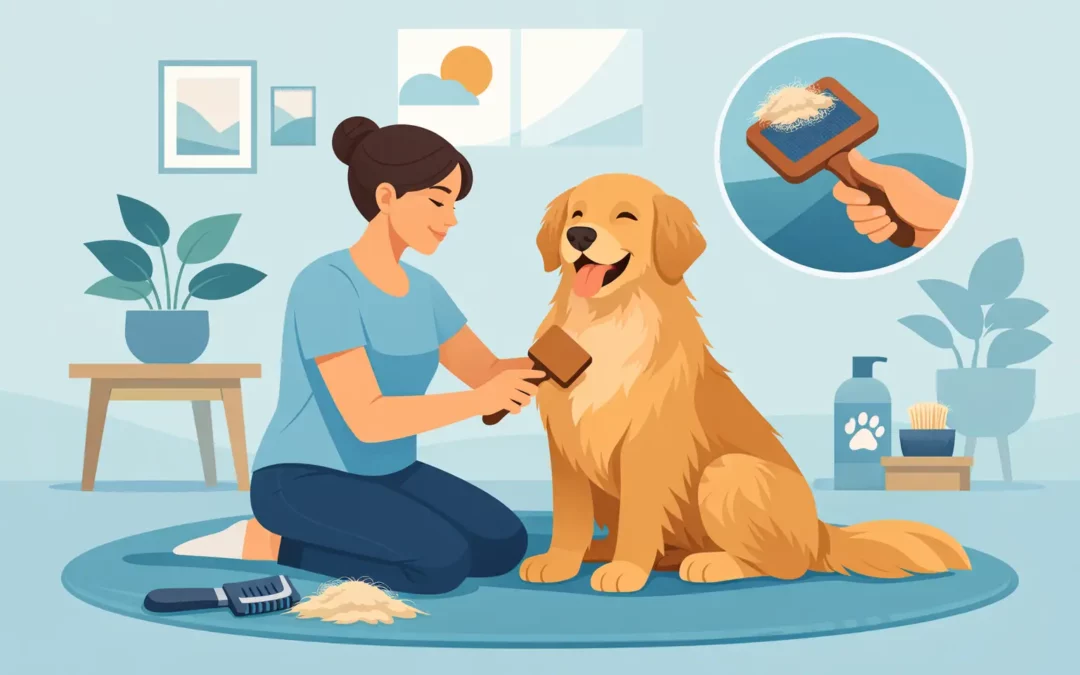
A silky coat is lovely, but the real value of regular brushing is what your dog feels: lighter, cleaner, more comfortable, and cared for. This guide to dog coat brushing is designed to help pet parents turn a necessary task into a gentle routine that supports healthy skin, a polished appearance, and peaceful time together.
Brushing is not one-size-fits-all. A Labrador who sheds on the sofa needs a different approach than a curly-coated Poodle, a fluffy double-coated Husky, or a small dog with fine, silky hair. The best routine is the one that respects your pet’s coat, comfort level, and individual needs.
Why Brushing Is a Comfort Care Essential
Loose hair does more than collect on furniture. When it stays trapped in the coat, it can contribute to tangles, compacted undercoat, and poor air circulation near the skin. Mats can pull with every step, especially behind the ears, under the collar, in the armpits, around the tail, and between the back legs. What looks like a small knot can become surprisingly uncomfortable.
Thoughtful brushing also gives you a regular opportunity to notice changes. You may spot dry skin, flakes, irritated areas, bumps, fleas, or tenderness before they become easy to miss beneath the fur. If you see a wound, swelling, unusual odor, or a skin concern that persists, pause the grooming and contact your veterinarian.
For many dogs, the emotional benefit matters just as much. A calm brushing session can build trust when it is handled with patience, soft touch, and plenty of breaks. Your dog learns that being cared for does not have to mean being rushed, restrained, or uncomfortable.
Your Guide to Dog Coat Brushing Tools
The right brush should glide through the coat without scraping, tugging, or causing your dog to flinch. You do not need a crowded grooming drawer, but selecting tools for your dog’s coat type makes every session kinder and more effective.
A soft bristle brush works beautifully for short, smooth coats. It lifts surface dust, distributes natural oils, and adds a healthy shine. Rubber curry brushes or grooming mitts can also be a comfortable choice for short-haired dogs, especially during shedding season.
For medium or longer coats, a slicker brush can help separate the hair and remove loose fur. Choose one with flexible pins and use light pressure. A metal comb is valuable for checking your work because it can find small tangles that a brush may glide over. For thick double coats, an undercoat rake or de-shedding tool may be helpful, but it should be used carefully and only as needed. Overusing a harsh shedding tool can irritate skin or damage the protective coat.
Curly, wavy, and continuously growing coats often benefit from a slicker brush followed by a comb. These coats can mat close to the skin even when the top layer looks fluffy and tidy. If you cannot comfortably get a comb through the coat, a professional groomer can help before the matting becomes painful.
Start With a Calm Setup
Where you brush can shape the entire experience. Choose a quiet room with good lighting and a nonslip surface. A towel or grooming mat can help a small dog feel secure on a table, while larger dogs may be most relaxed on the floor. Avoid beginning right after an exciting walk, during family bustle, or when your pet is already tired of being handled.
Let your dog inspect the brush first. Offer gentle praise, a favorite small treat, or a few calm strokes with your hand. Start with an easy area, such as the shoulder or back, rather than reaching immediately for sensitive places like the feet, belly, or tail.
Short sessions are perfectly worthwhile. A three-minute positive experience several times a week is often better than one long session that leaves your dog anxious. If your pet turns away, stiffens, lip-licks repeatedly, growls, or tries to escape, take that communication seriously. Stop, reset, and try again later with a softer approach.
How to Brush Without Pulling
Begin by running your fingers through the coat. This gentle check helps you locate tangles before a brush catches on them. Work in small sections, brushing in the direction the hair grows. On longer coats, use line brushing: hold a small layer of hair up, brush the hair beneath it from the ends toward the roots, then move gradually upward. This technique reaches the coat near the skin without pulling through a large section all at once.
When you find a knot, do not force it. Hold the hair at the base, close to the skin, to reduce tugging. Then use your fingers or the end of a comb to gently loosen the outer edges of the tangle. A pet-safe detangling spray may help, but never spray close to your dog’s eyes or face. If the knot is tight, flat against the skin, or causing discomfort, it is time to call a professional.
Never cut a mat out with household scissors. Skin can be pulled into a mat and is much easier to nick than many pet parents realize. Professional groomers use specialized tools, training, and careful handling to address difficult areas safely.
Pay special attention to the places where friction creates tangles fastest: behind the ears, under harness straps, around the collar, beneath the front legs, feathering on the legs, and the rear. A quick comb-through in these spots between full brushing sessions can prevent a small problem from turning into a major one.
Brushing Sensitive Areas
The face, paws, tail, and sanitary areas call for extra patience. Use a small comb or a soft brush around the face, always moving away from the eyes. Do not pull at dried discharge near the eyes. A damp, soft cloth may be a more comfortable first step.
For paws, handle one foot at a time and keep the session brief. Some dogs need time to feel safe with their feet being touched, especially if nail trims have been stressful in the past. Gentle praise and gradual practice can make a meaningful difference.
Match the Schedule to the Coat
Short-coated dogs often do well with a quick brush once or twice a week, though more frequent brushing can be welcome during seasonal shedding. Medium and long coats usually need attention several times a week. Curly and dense coats may need daily combing, particularly if your dog wears a harness, enjoys swimming, or loves rolling through Central Florida’s humid grass and sandy paths.
Bathing changes the equation. A clean, fully dried coat is generally easier to brush, while brushing a wet, tangled coat can tighten knots. After a bath, dry thoroughly according to your dog’s coat needs before doing a complete brush-out. Dogs with double coats should never be shaved simply to manage shedding or Florida heat without veterinary or grooming guidance. Their coat plays a role in insulation and skin protection, and the right maintenance plan depends on the dog.
When Home Care Needs a Professional Touch
At-home brushing keeps your pet comfortable between appointments, but professional grooming provides a deeper level of coat and skin care. This is especially true for dogs with dense undercoats, long hair, curly coats, recurring matting, or a strong dislike of being brushed in certain areas.
A comfort-first grooming appointment can include a thorough brush and fluff treatment, a gentle bath with pet-safe products, careful face trimming, nail and paw attention, and a polished finish tailored to your dog. At Jolis Grooming, each pet is treated as an individual, with patient handling and personalized care designed to make grooming feel reassuring rather than overwhelming.
Do not wait for a coat to become severely tangled before booking. Early help is usually more comfortable for your dog and gives the groomer more options for preserving coat length where appropriate. Bring up any sensitivities, past grooming stress, skin concerns, or areas your dog dislikes being handled so the visit can be shaped around their needs.
A brush, a few quiet minutes, and a gentle hand can tell your dog something wonderful: you notice the little things that affect their comfort. Keep the routine simple, celebrate small progress, and seek caring professional support whenever your best friend needs a little extra pampering.

by | Jul 25, 2026 | Uncategorized
A fresh coat can make your dog look wonderful, but the best grooming appointment does much more than create a picture-perfect finish. A thoughtful dog grooming package comparison helps you choose care that suits your pet’s coat, comfort level, lifestyle, and personal needs – without paying for services that do not make sense for them.
For Longwood pet parents, the right package is often the one that leaves a dog clean, comfortable, and happily cared for from nose to paw. Whether your pup needs a quick refresh between full appointments or a complete pampering session, understanding what each service includes makes booking feel much easier.
What a Dog Grooming Package Should Do
Grooming is part of your dog’s regular wellness routine. A clean, brushed coat can feel lighter and more comfortable, while trimmed nails support easier movement around the house and on daily walks. Gentle face care can keep fur out of the eyes, and teeth cleaning helps freshen the moments when your pup is eager to greet you up close.
The ideal package is not always the biggest one. A short-haired dog who is bathed regularly may need a bath, nail and paw treatment, and light brushing. A fluffy doodle, long-haired mix, or double-coated breed may benefit from more detailed brushing and a full bath and groom service to keep the coat tidy and manageable.
Age and temperament matter, too. Puppies may do best with shorter, positive visits that build trust with the grooming process. Senior dogs or anxious pets may need extra patience, gentle handling, and a quieter pace. A caring groomer looks at the dog in front of them, not just a standard checklist.
Dog Grooming Package Comparison: The Core Options
Most grooming choices fall into three helpful categories: a bath-focused refresh, targeted maintenance care, or a full grooming appointment. Each has a place in a healthy routine.
Bath and Brush Services
A bath and brush service is a lovely choice for dogs that do not need a haircut but still deserve a clean, polished feel. This appointment typically centers on a thorough bath with pet-safe products, drying, and brushing to remove loose fur and leave the coat soft.
It is especially useful for short-coated dogs, dogs between haircut appointments, and pets who have had a muddy weekend in the yard or a little too much fun at the park. Regular baths can also help manage odor and shedding, although the right frequency depends on your dog’s skin, coat type, and activity level.
A bath package may be enough when your dog’s coat is already easy to maintain and you are comfortable handling routine brushing at home. If the coat is tangling, growing around the eyes, or collecting debris around the paws, a more detailed service may be the kinder choice.
Targeted Touch-Up Care
Sometimes your dog does not need a full groom. They simply need the details attended to. Face trims, teeth cleaning, and nail and paw treatment can be valuable add-ons or focused services for keeping your pet comfortable between major appointments.
Face trims are particularly helpful for dogs whose hair falls into their eyes or gathers around the mouth. The goal is not to change your dog’s personality or signature look. It is to keep their face neat, comfortable, and easy to see through.
Nail and paw care deserves just as much attention. Overgrown nails can affect how a dog stands and walks, while neglected paw areas may collect dirt and become uncomfortable. A professional trim and paw-focused treatment can help your dog feel more at ease on tile floors, sidewalks, and everyday adventures.
Teeth cleaning offers a finishing touch that pet parents appreciate during close cuddles. It is not a replacement for veterinary dental care, especially when there are signs of pain, swelling, or persistent bad breath. Still, routine grooming-based dental attention can support a fresher, more cared-for appearance.
Full Bath and Groom Packages
A full bath and groom package is the best fit when your dog needs coat shaping, a complete trim, or more involved maintenance. It generally combines the refreshing benefits of a bath with drying, fluffing and brushing, face care, nail attention, and grooming that is tailored to the dog’s coat and desired style.
This is often the right choice for breeds and mixes with continuously growing hair, including poodles, bichons, shih tzus, yorkies, and many doodles. It can also be a thoughtful option for any dog whose coat needs more than a quick brush to look and feel its best.
The difference is in the level of detail. A full groom creates a more finished look, but the real value is comfort. Removing excess hair around sensitive areas, gently working through the coat, and maintaining a manageable length can make daily life easier for your dog and home brushing easier for you.
How to Match the Package to Your Dog
Start with your dog’s coat rather than a package name. Smooth, short coats often need less frequent trimming but still benefit from bathing, shedding control, and nail maintenance. Curly, silky, or dense coats generally require more consistent brushing and professional grooming to prevent tangles from becoming painful mats.
Next, consider what you are seeing at home. Is your dog leaving more fur on the sofa than usual? Is their face becoming scruffy? Are their nails clicking on the floor? These small signs can point you toward the care that will make the biggest difference right now.
Your preferred look matters, but it should work with your dog’s needs. A longer, flowing style can be beautiful, yet it asks more of the at-home brushing routine. A shorter trim may be more practical for an active dog who loves Florida’s warm weather, outdoor play, or frequent swims. There is no one right answer – only the style and maintenance schedule that feel good for your pet and manageable for your household.
Questions Worth Asking Before You Book
A great grooming experience begins with clear communication. Ask what is included in the package, whether your dog’s coat condition could affect the appointment, and which services are recommended based on their breed, age, and temperament.
It is also helpful to share anything that may make your dog nervous. Perhaps they dislike having their paws handled, are sensitive around the face, or need time to warm up to new people. Those details allow the grooming team to provide a calmer, more personalized experience.
If you are unsure whether to book a bath and brush or a full groom, describe your dog’s current coat and the result you hope for. A trusted professional can guide you toward the service that offers the right level of care rather than simply the most extensive option.
Why Personalized Grooming Feels Different
High-volume grooming can make every appointment feel the same. Personalized grooming recognizes that a lively young retriever, a shy senior terrier, and a fluffy puppy experiencing their first trim each need something different.
At Jolis Grooming, that difference begins with a comfort-first approach. Gentle handling, pet-safe products, and individualized attention help turn routine maintenance into an experience that supports your dog’s happiness as well as their appearance. The goal is for your pet to leave feeling clean, cared for, and proud of their fresh look.
A package should never feel like a one-size-fits-all commitment. Your dog’s needs can change with the season, their coat length, their activity level, and even their comfort with grooming. Choose the care that meets them where they are, then give them the calm, loving appointment they deserve.
by | Jul 23, 2026 | Uncategorized
A damp, rust-colored track beneath bright eyes can make even the most lovingly cared-for dog look a little less comfortable. Learning how to clean dog tear stains is less about chasing a perfectly white face and more about keeping the delicate skin around your pup’s eyes clean, dry, and free from irritating buildup.
Tear staining is especially noticeable on white and light-colored coats, but it can affect dogs of every color. A gentle routine can make a visible difference over time. Just as valuable, it gives you a quiet moment to check in with your dog and notice changes that may deserve a veterinarian’s attention.
Why dog tear stains happen
The reddish-brown color comes from pigments called porphyrins, which are present in tears. When tears sit on the fur, air and moisture can deepen that discoloration. Dogs with short noses, prominent eyes, facial folds, allergies, or hair that grows close to the eyes may be more prone to staining.
Some breeds naturally need more face care than others. Maltese, Shih Tzus, Poodles, Bichon Frises, Pugs, and similar breeds often benefit from consistent cleaning and tidy facial hair. Still, staining is not always only cosmetic. Excessive tearing can also be connected to eye irritation, blocked tear ducts, allergies, eyelid concerns, or an infection.
That is why a gentle at-home routine should never replace veterinary care when something seems off. If your dog’s eyes are comfortable and the staining is mild, daily maintenance is usually a lovely place to start.
How to clean dog tear stains safely
The skin around your dog’s eyes is sensitive, so the goal is simple: soften the residue, wipe it away without rubbing, and leave the area dry. Choose a calm time when your dog is relaxed, perhaps after a walk or while settling in for the evening.
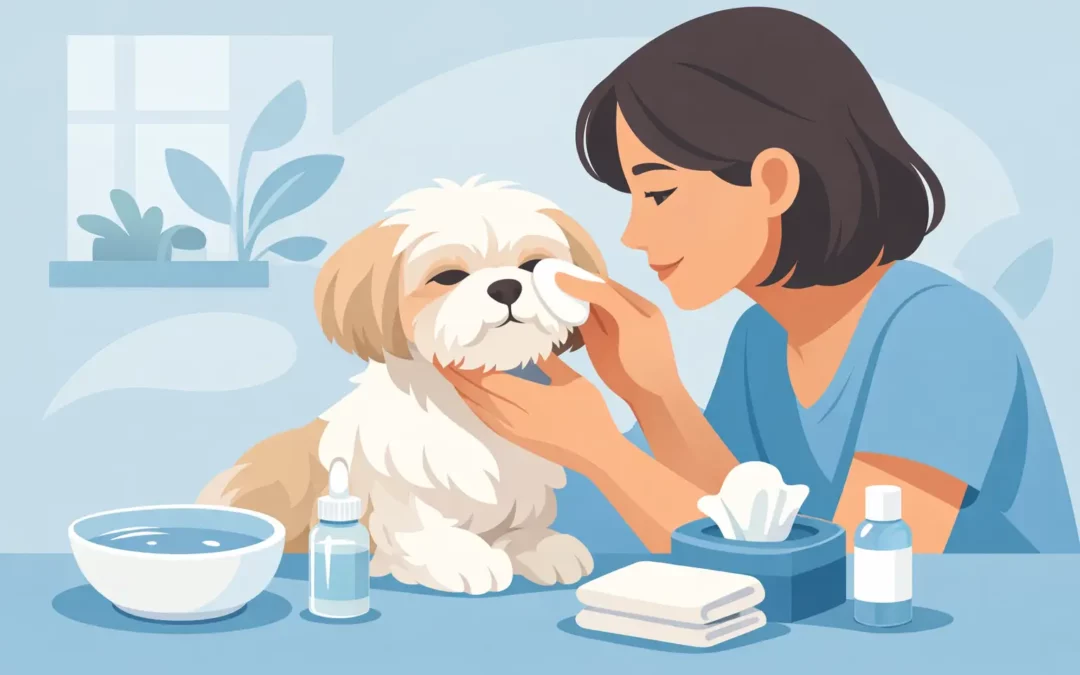
Start with clean hands and a soft, clean washcloth, cotton round, or gauze pad. Moisten it with lukewarm water. Hold the damp material gently against the stained fur for a few seconds to loosen dried discharge. Then wipe outward, away from the eye, using light strokes.
Use a fresh section of the cloth or a new pad for each eye. This small habit helps prevent transferring debris from one eye to the other. Never press on the eyeball, scrape at a crust, or use force to remove stubborn buildup. If it does not lift easily, soften it again with warm water and try later.
After cleaning, pat the fur dry with a soft towel. Damp hair can hold moisture against the skin and make staining, odor, or irritation more likely. For dogs with deep facial folds, gently separate the fold only as much as needed to dry the area thoroughly.
If you use a dog-specific eye wipe or tear-stain product, read the label carefully and follow its directions exactly. Select products made for the eye area, not general shampoo, whitening products, or household cleaners. Even pet-safe products are not one-size-fits-all, so stop using anything that causes redness, squinting, itching, or discomfort.
A simple routine makes the biggest difference
Tear stains rarely disappear in one cleaning session because stained hair needs time to grow out or be carefully trimmed away. Consistency is kinder and more effective than aggressive cleaning.
For many dogs, a quick daily wipe is enough to keep fresh residue from building up. Dogs with heavy tearing may need a gentle check morning and evening. During your regular grooming routine, comb the hair beneath the eyes with a small, clean face comb to keep it from matting and holding moisture.
Water bowls and food dishes also deserve attention. Wash them often so bacteria and residue do not collect around your dog’s mouth and face. A clean drinking area will not solve every tear-staining concern, but it supports the clean, comfortable environment your pup deserves.
It also helps to keep facial hair neatly maintained. Long hair can wick tears into the coat, poke at the eyes, and make daily cleaning more difficult. A professional face trim gives your dog a polished look while helping you see and care for the eye area more easily at home.
What not to use around your dog’s eyes
A well-meaning home remedy can cause more trouble than the tear stains themselves. Avoid hydrogen peroxide, vinegar, rubbing alcohol, bleach, human makeup removers, essential oils, and harsh whitening shampoos around the eyes. These products can sting, dry the skin, or cause serious injury if they enter the eye.
Do not use scissors close to a wiggly dog’s eyes at home. Even a sweet, familiar dog can jerk suddenly when they feel nervous or ticklish. If the stained hair needs to be shortened, a trained groomer can carefully tidy the face with appropriate tools and patient handling.
It is also wise to skip supplements or powders marketed as quick tear-stain cures unless your veterinarian recommends them. The source of tearing varies from dog to dog. A product that works for one pup may not address what is happening with yours.
When tear stains call for a veterinarian
Mild, occasional staining can be a normal grooming concern. But new or heavy tearing deserves a closer look, particularly if your dog seems uncomfortable. Call your veterinarian promptly if you notice:
- Redness, swelling, cloudiness, or a visible injury around the eye
- Squinting, frequent blinking, pawing at the face, or light sensitivity
- Thick yellow, green, or foul-smelling discharge
- A sudden increase in tears or staining on one side only
- Skin that is raw, itchy, painful, or developing an odor beneath the eyes
A veterinarian can check for causes that grooming cannot diagnose, such as infection, allergies, eyelashes rubbing the eye, or tear drainage issues. Once your dog is feeling well, regular grooming can help keep the surrounding coat fresh, clean, and comfortable.
Professional face care for a cleaner, softer look
At-home care does a great deal, but some dogs need extra help staying tidy around the eyes. Dense coats, facial folds, anxious personalities, and persistent staining can make this delicate task challenging. A professional groomer can gently clean the face, remove buildup from the surrounding coat, and shape the hair so it stays out of your dog’s eyes.
At Jolis Grooming, face care is approached with the same patience and personalized attention your pet receives throughout their grooming visit. A calm, comfort-first experience matters, especially for dogs who are sensitive about having their face touched. Regular appointments can also help establish a predictable routine, making grooming feel familiar rather than stressful.
Keep expectations realistic: grooming can remove stained hair and maintain a clean appearance, but it cannot promise that tears will never return. The best plan is the one that fits your dog’s coat, comfort level, health needs, and daily life.
Helping your dog feel comfortable with face cleaning
The gentlest technique works best when your dog feels safe. Begin with very short sessions, offering calm praise and a favorite treat after each successful wipe. Let your dog sniff the cloth first, then touch the cheek before moving near the eye area.
If your dog pulls away, do not turn face cleaning into a struggle. Pause and try again later when they are calmer. Over several days, most dogs learn that a soft wipe and a little attention around the eyes are simply part of being cared for.
Your pup does not need a flawless, photo-ready face every day. They need clean skin, clear eyes, and care that respects their comfort. A few gentle minutes of attention can help them feel as fresh and cherished as they look.
