by | Aug 30, 2026 | Uncategorized
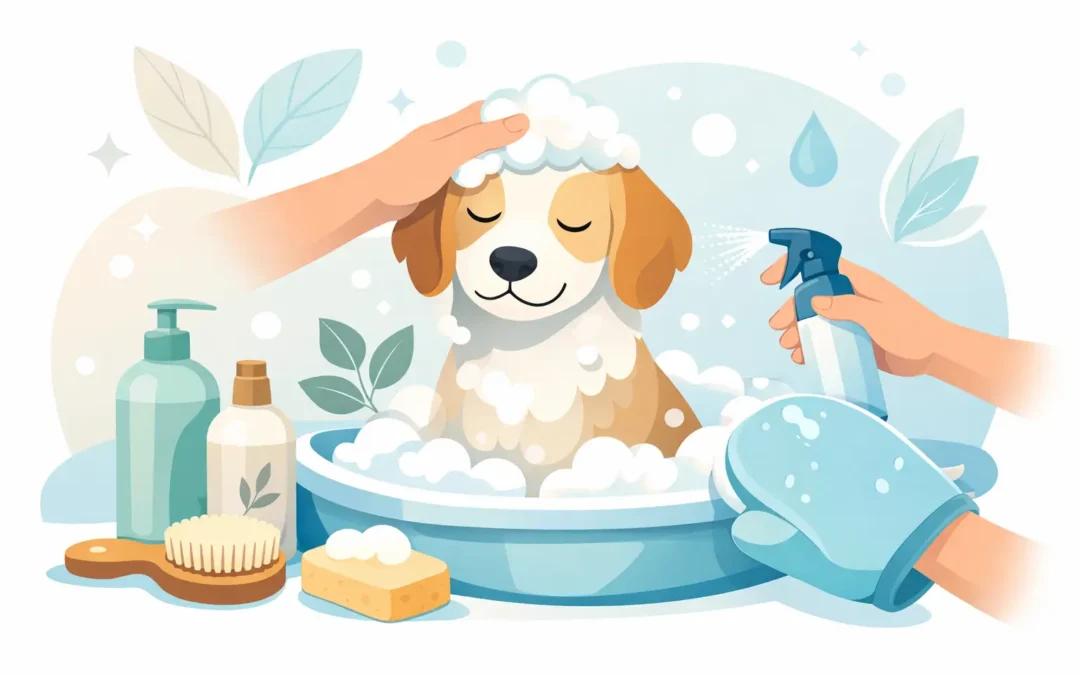
A bath should leave your dog soft, fresh, and comfortable – not scratching at their collar on the ride home. For pets prone to dryness, redness, flakes, or irritation, dog grooming for sensitive skin is about much more than getting a clean coat. It is a gentler, more personalized kind of care that respects what your pet is telling us through their skin.
Sensitive skin can make a routine grooming appointment feel uncomfortable when products, water temperature, brushing pressure, or drying methods are not chosen with care. The good news is that a thoughtful grooming plan can help your dog look beautifully cared for while supporting their everyday comfort.
What Sensitive Skin Can Look Like
Every dog is different, and sensitive skin does not always look the same. Some pets develop dry flakes along the back or notice more itching after a bath. Others may have pink skin around the belly, paws, ears, or underarms. A dull coat, frequent licking, small bumps, or a strong odor can also signal that something is bothering the skin.
Sensitivity may be connected to seasonal allergies, environmental irritants, parasites, diet, a skin condition, or a reaction to a product. Matted fur can make matters worse by trapping moisture, dirt, and oil close to the body. Florida’s warmth and humidity can also be challenging for dogs who are already prone to itchy skin or hot spots.
Grooming can support healthy skin, but it is not a replacement for veterinary care. If your dog has open sores, sudden hair loss, swelling, bleeding, persistent odor, or intense itching, speak with your veterinarian before scheduling a bath. Once medical concerns are addressed, regular gentle grooming can become a comforting part of their care routine.
Dog Grooming for Sensitive Skin Starts Before the Bath
The best sensitive-skin appointments begin with a conversation. Share anything you have noticed at home: when the itching started, whether your dog has known allergies, which products have caused problems before, and where they dislike being touched. Even details that seem small can help shape a more comfortable visit.
A comfort-first groomer should take time to look over the coat and skin before choosing a shampoo or beginning a brush-out. This matters because a dog with mild dryness may benefit from a moisturizing approach, while a dog with inflamed patches may need grooming postponed until a veterinarian has evaluated them. Personalized care is not about using the same “gentle” routine for every dog. It is about noticing what that individual pet needs that day.
For a dog who feels nervous during grooming, slow introductions matter just as much as the products used. Calm handling, patient reassurance, and breaks when needed can lower stress. Less stress means less struggling, less pulling on tender skin, and a more positive experience for your pet.
The Products and Techniques That Make a Difference
A sensitive dog does not necessarily need the most heavily scented shampoo or the strongest cleansing formula. In fact, fragrance, harsh detergents, and unnecessary additives can leave some dogs feeling dry or irritated. A pet-safe, gentle shampoo selected for your dog’s coat and skin needs is usually the better choice.
Water temperature deserves attention, too. Water that is too hot can strip natural oils and aggravate dry skin, while water that is too cold can make an already anxious dog tense up. A comfortably lukewarm rinse, followed by thorough rinsing, helps prevent shampoo residue from staying behind in the coat.
The brushing process should be intentional rather than rushed. Regular brushing removes loose fur, helps distribute natural oils, and allows air to reach the skin. But aggressive brushing over tangles can pull painfully at sensitive areas. When mats are present, there is a real trade-off: trying to save every inch of coat can prolong discomfort, while a shorter trim may be kinder and easier to maintain. The right choice depends on the severity of the matting and how your dog is feeling.
Drying also needs a gentle touch. High-velocity dryers can be useful for many coats, but they may be overwhelming or uncomfortable for some sensitive pets. Adjusting the airflow, keeping the dryer moving, and giving a dog a quiet moment between steps can make a noticeable difference. Their comfort should never be treated as an extra.
Keep Paws, Nails, and Faces in the Care Plan
Skin sensitivity is not limited to the body. Paws pick up grass, pollen, sidewalk debris, and moisture throughout the day. Keeping paw pads clean and neatly trimmed can help reduce what gets trapped between the toes, especially for dogs who lick their feet after walks. Regular nail care also helps your pet stand and walk more naturally, which protects overall comfort.
The face deserves equally gentle attention. Tear staining, food residue, and moisture around the mouth can irritate delicate facial skin if left to build up. A careful face trim and cleaning routine can keep your dog looking polished without making them feel overwhelmed. For dogs with sensitive ears or skin folds, gentle cleaning and close observation are especially valuable.
These finishing touches are part of wellness, not simply appearance. A clean face, comfortable paws, and neatly maintained nails help a dog move through daily life with less irritation and more ease.
Between-Appointments Care at Home
The care your dog receives at the salon works best alongside a simple routine at home. Avoid bathing too often unless your veterinarian recommends it, since overbathing can dry the skin and wash away protective oils. The ideal schedule depends on your dog’s breed, coat type, activity level, allergies, and medical needs.
After walks, a quick wipe of the paws and underside can remove pollen, dust, and outdoor residue before your dog settles in. Brushing gently a few times a week can prevent tangles from becoming tight mats, particularly behind the ears, under the collar, around the legs, and near the tail. Use a tool that suits your dog’s coat, and stop if they seem uncomfortable.
Pay attention to changes between appointments. A pet who suddenly resists brushing, licks one spot repeatedly, or develops a new odor may be trying to communicate discomfort. Early attention is often much kinder than waiting until a small issue becomes a painful one.
A More Comfortable Grooming Experience
For sensitive dogs, a beautiful groom is one that feels as good as it looks. That means a clean coat without stripped skin, a tidy trim without unnecessary stress, and a groomer who recognizes that comfort is part of quality care.
At Jolis Grooming, each appointment is an opportunity to pamper your pet with the individualized attention they deserve. Let your groomer know about your dog’s sensitivities before the visit, and keep the conversation open as their needs change. With patient handling, pet-safe choices, and a routine built around your dog’s comfort, grooming can become a reassuring ritual your best friend can feel good about.
by | Aug 28, 2026 | Uncategorized
A silky coat can hide a problem until your hand finds a tight knot behind the ear or beneath the collar. The best grooming routine for long haired dogs is not about chasing a show-ready finish every day. It is about giving your dog gentle, consistent care that keeps their skin comfortable, their coat free to move, and their grooming time calm enough to feel like a little pampering.
Long coats are beautiful, but they collect more than compliments. Loose undercoat, moisture, grass, burrs, food around the muzzle, and friction from harnesses can all turn into tangles quickly. A thoughtful routine catches those small issues before they become painful mats that pull at the skin.
Start With the Right Rhythm
Most long-haired dogs benefit from a quick brush several times a week, with many needing daily attention in high-friction areas. The exact schedule depends on coat type, lifestyle, and length. A flowing, fine coat can tangle faster than a coarser coat, while an active dog who loves puddles, the backyard, or weekend adventures may need more frequent checks.
Set aside five to ten calm minutes rather than waiting for a major brushing session. Short, pleasant sessions are easier on your dog and much more manageable for you. Choose a quiet place, offer gentle praise, and stop before your pet becomes restless. The goal is to build trust, not to wrestle through a routine.
A professional full groom is still valuable even for devoted at-home brushers. Regular appointments help maintain a healthy coat shape, clean areas that are difficult to manage at home, and provide careful attention to nails, paws, ears, and hygiene areas.
The Best Grooming Routine for Long Haired Dogs at Home
Begin by running your hands over your dog before reaching for a brush. Feel behind the ears, under the chin, beneath the front legs, around the collar line, along the belly, and where the back legs meet the body. These are the places where rubbing and movement create hidden knots. If you find a small tangle, address it early with patience instead of assuming it will brush out later.
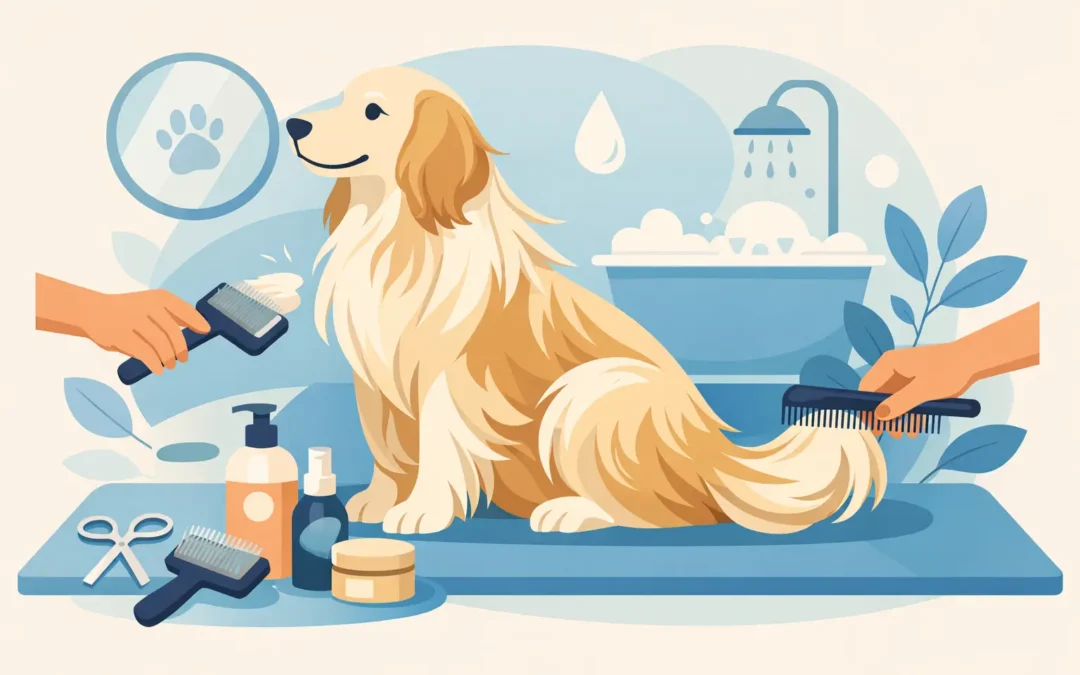
Use a quality slicker brush or pin brush suited to your dog’s coat, then follow with a metal comb. The brush opens and separates the outer coat, while the comb tells you whether you have truly reached the skin. If the comb catches, there is still a tangle underneath. Work in small sections, beginning near the feet and moving upward, so you do not simply brush over knots on the surface.
Hold the hair close to the skin while working through a small snag. This reduces pulling and helps your dog stay comfortable. For light tangles, a pet-safe detangling spray can add slip and make the process gentler. Never yank, and avoid cutting mats out with household scissors. Skin can pull up into a mat and be easily injured. A tight, close-to-the-skin mat is a job for a trained groomer.
Give Extra Attention to Friction Zones
A long coat does not mat evenly. The areas below deserve a quick check every day or two, especially after outdoor play or rainy weather:
- Behind and beneath the ears
- Under collars, harnesses, and bandanas
- Under the front legs and across the chest
- The belly, sanitary area, and inner legs
- Between the paw pads and around the tail
A few seconds spent checking these spots can prevent a much longer, less comfortable grooming experience later.
Bathing Without Creating More Tangles
A bath should leave your dog fresh and comfortable, not turn a few loose hairs into a web of knots. Always brush and comb the coat thoroughly before bathing whenever possible. Water tightens existing tangles, and shampoo can make a mat harder to separate.
Use lukewarm water and pet-safe shampoo selected for your dog’s skin and coat needs. Human shampoo is not a substitute because canine skin has different needs and can become dry or irritated with the wrong product. Work shampoo gently through the coat with your fingers rather than scrubbing it into circles. Rinse generously. Leftover product can cause itching and leave the coat dull or heavy.
Conditioner can be especially helpful for long-haired dogs, provided it is rinsed according to the product directions. It supports softness, manageability, and easier brushing after the bath. Towel-blot rather than rubbing vigorously, since rough towel drying can create tangles. Then dry the coat fully, brushing in small sections as you go. Leaving a thick coat damp, particularly at the skin, can lead to discomfort and stubborn matting.
How often to bathe depends on your dog. Some pets do well with a monthly bath and professional grooming schedule, while others need a refresh sooner because of skin conditions, outdoor activity, or a naturally oilier coat. If you notice persistent odor, flaky skin, redness, or frequent scratching, it is wise to speak with your veterinarian rather than simply bathing more often.
Do Not Let Face, Paws, and Nails Become Afterthoughts
The face is where comfort and appearance meet. Long facial hair can collect moisture and food, block vision, or irritate the eyes. A soft daily wipe around the muzzle and eyes keeps your dog looking bright between appointments. Face trims are best handled carefully, especially for wiggly dogs or pets who dislike having tools near their eyes.
Paws also need regular attention. Long hair between pads can hold mud, allergens, and moisture, while overgrown nails can affect how a dog stands and walks. Check paws after walks, wipe away debris, and watch for licking, redness, or a sour smell. These signs can point to irritation that deserves attention.
Nail care is not merely cosmetic. Nails that click sharply across the floor or curl toward the pads are usually due for a trim. Many dogs find nail trimming stressful, so a slow approach, frequent rewards, and professional help can make a meaningful difference. The same is true for teeth cleaning: consistent care supports fresher breath and contributes to your dog’s overall wellness.
Know When a Professional Groom Is the Kinder Choice
There is a difference between a loose tangle and matting that has tightened into the coat. If you cannot slide a comb between the mat and your dog’s skin, if the area feels warm or tender, or if your dog pulls away when you touch it, do not keep brushing harder. Continuing can cause pain, skin damage, and a lasting fear of grooming.
Professional grooming provides more than a tidy outline. A comfort-first groomer can safely assess the coat, select the appropriate products, and create a practical trim that fits your dog’s life. A shorter, easier-care style may be a wonderful choice for a busy family, a Florida dog who spends lots of time outdoors, or a pet who is prone to severe matting. Keeping a coat long is lovely, but comfort should always come first.
At Jolis Grooming, every visit is approached as personal care, with gentle handling and individualized attention designed to help pets feel safe, clean, and beautifully cared for. Bringing your dog in on a reliable schedule also makes grooming more familiar, which can ease anxiety over time.
A Simple Schedule That Feels Sustainable
For many long-haired dogs, a daily check of the ears, paws, and harness areas paired with a thorough brush two to four times a week is a strong starting point. Add a bath as needed with full drying and combing, keep nails and face hair monitored, and plan professional grooming on a schedule that matches your dog’s coat and lifestyle.
Puppies, seniors, dogs with mobility challenges, and anxious pets may need an even gentler pace. Let their comfort guide the routine. A few kind minutes of care, offered consistently, protect more than a beautiful coat. They give your dog the comfort to stretch, play, nap, and lean into every hug without a hidden tangle getting in the way.
by | Aug 26, 2026 | Uncategorized
A fluffy coat can look wonderfully soft from across the room, but the hidden layers tell the real story. Beneath that beautiful volume, loose undercoat, tiny knots, moisture, and debris can gather close to the skin. The best brushes for fluffy dog coats do more than make your pet look picture-perfect. They help keep brushing comfortable, protect the coat from painful matting, and turn a necessary routine into a little extra bonding time.
For pet parents in Longwood and throughout Central Florida, regular brushing is especially helpful when warm, humid weather meets an active pup who loves the yard, the park, or a sunny afternoon walk. The right tool depends on your dog’s coat type, tolerance for grooming, and how much shedding is happening right now. A brush that feels wonderful for one fluffy companion may be too harsh or ineffective for another.
What Fluffy Coats Need From a Brush
Dogs with plush, double, curly, or long coats need brushing that reaches beyond the surface. A soft top layer can hide compacted undercoat and early mats near the ears, collar area, tail, armpits, and hind legs. If those tangles are ignored, they can tighten against the skin and make even gentle touching uncomfortable.
The goal is not to pull out every loose hair in one sitting. It is to work carefully through the coat, section by section, while protecting your dog’s comfort. A thoughtful brushing routine supports cleaner skin, better airflow through the coat, and a polished finish that lets your pet feel as good as they look.
Start With a Comfortable Routine
A calm dog is much easier to brush than a worried one. Choose a quiet place, keep sessions short at first, and offer praise along the way. Many dogs do best with five or ten minutes of brushing a few times a week rather than one long session that tests everyone’s patience.
Always brush with a light hand. If the brush catches, stop rather than pulling through it. Hold the hair above the knot, close to the skin, to reduce tugging, then work gently at the ends of the tangle before moving upward. If a mat is tight, close to the skin, or causing discomfort, it is time for professional help instead of a home detangling battle.
Best Brushes for Fluffy Dog Coats by Coat Type
There is no single brush that suits every fluffy dog. Most well-kept coats benefit from a small combination of tools used for different jobs.
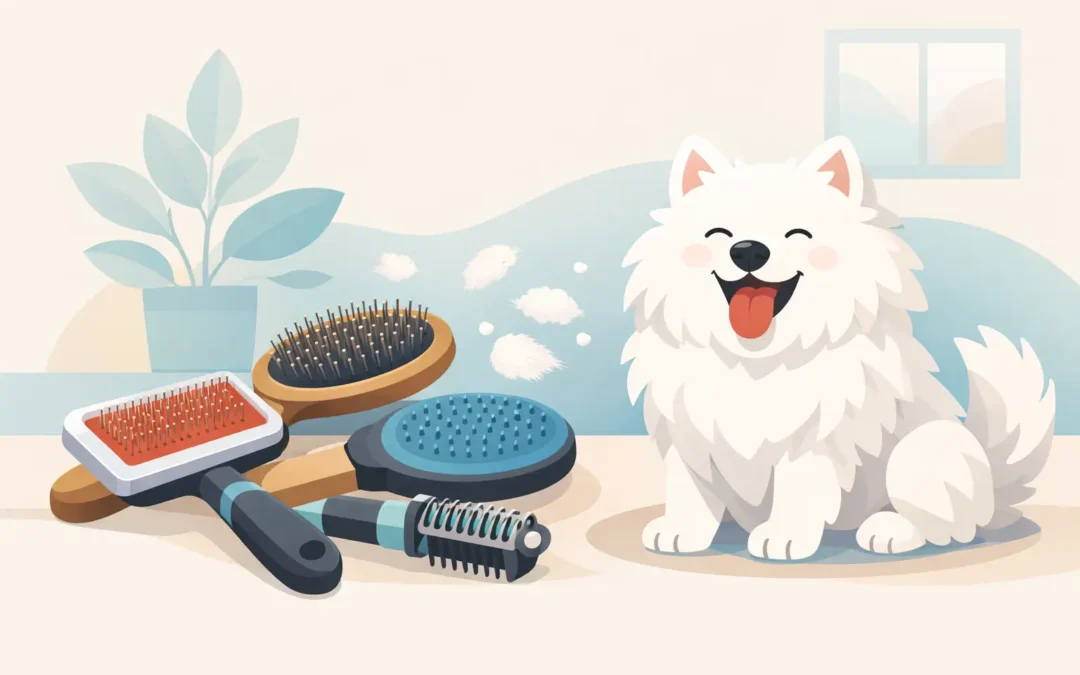
Slicker Brush for Everyday Fluff and Light Tangles
A quality slicker brush is often the most useful starting point for fluffy dogs. Its fine, angled pins lift loose hair and help separate the outer coat, making it especially helpful for Pomeranians, doodles, Bichons, Shih Tzus, and many mixed-breed dogs with soft, full coats.
Look for a slicker with flexible pins and a cushioned pad. The pins should glide through the hair without scratching the skin. Small slickers offer better control around the face, ears, paws, and sanitary areas, while a larger brush can make body brushing faster for bigger dogs.
Slicker brushes are excellent for regular maintenance, but they are not a reason to brush harder. A few gentle passes over a small section are more effective and more comfortable than repeatedly dragging the brush across the same spot.
Pin Brush for Long, Silky, or Easily Snagged Coats
A pin brush has rounded metal pins set farther apart than a slicker brush. It is a lovely choice for long, flowing coats that need smoothing and light daily upkeep, including many Cavalier King Charles Spaniels, Havanese, Maltese, and long-coated mixes.
Because the pins are gentler and less dense, a pin brush may not remove a thick undercoat as thoroughly as a slicker or rake. Still, it is often a comfortable tool for dogs who are sensitive to brushing or who need a finishing pass after a more thorough groom. Think of it as a way to maintain softness, shine, and movement without overworking the coat.
Undercoat Rake for Dense Double Coats
Fluffy double-coated breeds such as Samoyeds, Keeshonds, Chow Chows, American Eskimo Dogs, and some Pomeranians need a tool that can reach into the dense layer beneath the visible coat. An undercoat rake, used gently and correctly, helps lift out loose seasonal undercoat before it compacts.
Choose a rake with rounded teeth and spacing appropriate for your dog’s coat density. Use slow, short strokes in the direction of hair growth, checking often to make sure the tool is not catching. This is not a daily brush for every dog. During shedding season, it can be very helpful once or twice a week. Outside of that period, use it only as needed.
Avoid aggressive de-shedding tools or heavy pressure, especially on a dog with thin skin, sparse areas, irritation, or a coat that is already tangled. Removing too much coat can leave a pet looking uneven and may irritate the skin underneath.
Wide-Tooth Comb for Checking Your Work
A wide-tooth metal comb is not always the first tool pet parents think to buy, but it is one of the most valuable. After brushing, run the comb gently through the coat to check whether it can reach the skin without snagging. This simple step helps reveal knots that a brush may have skimmed over.
Use the wider end for the body and the narrower end for smaller areas. The comb is particularly useful behind the ears, beneath harnesses and collars, around the legs, and at the base of the tail. If it cannot pass through easily, return to the area with a gentle slicker brush or ask a groomer to assess the tangle.
How Often Should You Brush a Fluffy Dog?
Frequency depends on the coat. Dogs with thick double coats may need a thorough brush two or three times a week, with extra attention during seasonal shedding. Long-haired or curly-coated dogs can need brushing every day or every other day to prevent mats from forming. A shorter plush coat may only need weekly care.
Your dog’s lifestyle matters, too. A pet who wears a harness daily, plays in damp grass, enjoys swimming, or rolls enthusiastically in the yard may need more frequent checks. In Florida’s humidity, small tangles can become stubborn quickly when moisture lingers in a dense coat.
Rather than waiting until the coat looks messy, make brushing part of your regular care rhythm. It is also a gentle opportunity to notice changes such as dry skin, bumps, fleas, tenderness, or an unusual odor. If your pet reacts suddenly to brushing in an area they normally enjoy, pause and consider whether something may be bothering them.
When Brushing at Home Is Not Enough
Home brushing is a loving part of coat care, but it cannot always replace a professional grooming appointment. Mats close to the skin, compacted undercoat, excessive shedding, or a coat that has become damp and tangled often need experienced, gentle handling. Trying to cut out mats with household scissors can lead to painful accidents because dog skin is thin and can pull into the mat.
A professional bath, fluff and brush treatment, and tailored grooming plan can reset the coat while keeping your pet’s comfort at the center of the experience. At Jolis Grooming, each pet receives personalized attention designed to help them feel calm, clean, and beautifully cared for. Regular professional visits also make home maintenance much more manageable between appointments.
Give Every Brush a Purpose
The best brush is the one that matches your dog’s coat and is used with patience. Keep a slicker or pin brush for gentle maintenance, add an undercoat rake only when a dense coat truly needs it, and use a comb to make sure hidden tangles are not building beneath all that fluff.
Most of all, let brushing be a moment of care rather than a chore. A few calm minutes, kind hands, and the right tools can help your fluffy companion stay comfortable, confident, and ready for every cuddle.
by | Aug 24, 2026 | Uncategorized
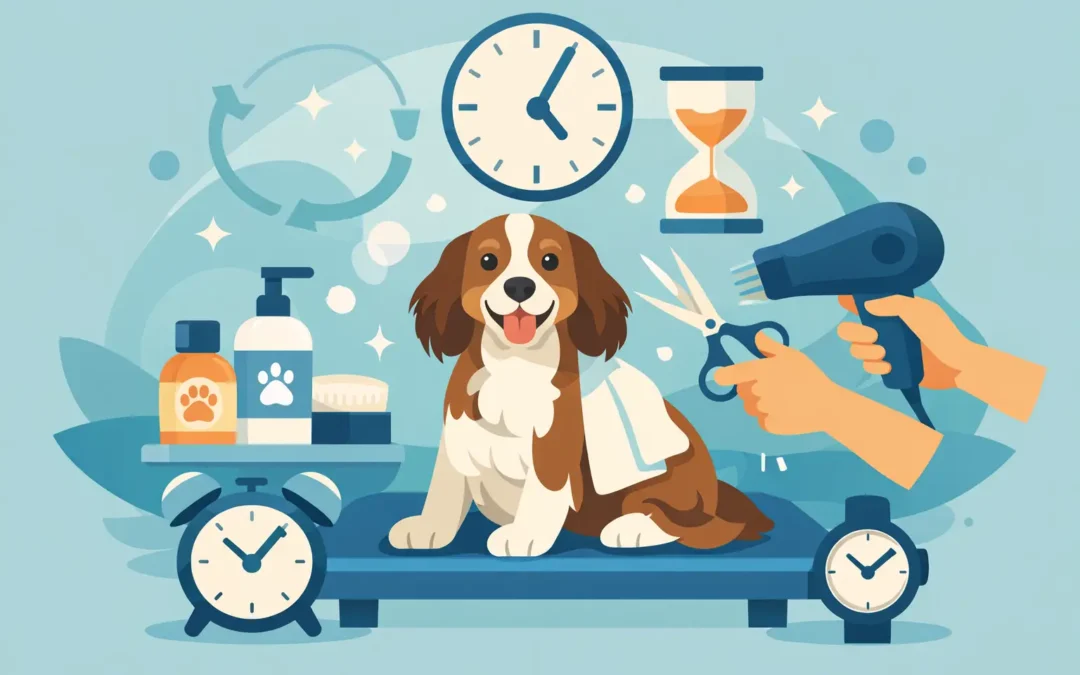
A soft, clean coat, tidy paws, and that happy post-grooming strut are worth a little planning. So, how long does dog grooming take? For many dogs, an appointment lasts between one and four hours, but the right answer depends on your pet’s coat, the services selected, and most of all, the pace that keeps them comfortable.
At a caring grooming salon, time is not simply about getting a dog in and out the door. It is about creating a calm experience where their coat, skin, nails, teeth, and individual needs receive the attention they deserve. A rushed appointment may be faster, but a thoughtful one helps your best friend feel safe, fresh, and pampered.
How Long Does Dog Grooming Take at the Salon?
A bath-only visit for a small, short-haired dog may take about 45 to 90 minutes. This usually includes a gentle bath with pet-safe products, towel and blow drying, brushing, and basic finishing touches. A larger dog, a thick double coat, or a pup with a longer coat will typically need more drying and brushing time.
A full bath and groom appointment often takes two to four hours. Along with bathing and drying, this service may include a full-body haircut, face trim, nail and paw treatment, ear care, teeth cleaning, and detailed brushing. Dogs with curly, dense, or long hair need careful section-by-section work to ensure the finish is even and comfortable.
For some pets, their visit may take longer because they benefit from breaks. A gentle pause can make a real difference for a senior dog, a young puppy experiencing grooming for the first time, or a nervous pet who needs time to settle. That extra patience is part of quality care, not an inconvenience.
Appointment time is different from hands-on grooming time
Your dog’s total salon visit can be longer than the time a groomer is actively working on them. Grooming appointments often include time for a coat and skin check, a safe kennel rest between services, drying, and waiting for the right moment to begin the next step.
For example, a dog may be washed, gently dried, and allowed a quiet break before a haircut begins. This approach can be especially helpful for pets who become tired during brushing or uneasy with the sound of a dryer. Your groomer can give you a more personal pickup estimate after seeing your dog and discussing the services you would like.
What Affects How Long Dog Grooming Takes?
Every dog brings a different coat, temperament, and grooming history to the table. These details shape the appointment far more than size alone.
Coat type and condition
A smooth-coated Beagle generally needs less time than a Poodle, Doodle, Shih Tzu, or other dog with hair that grows continuously. Thick undercoats also take time to wash, rinse, dry, and brush thoroughly. Proper drying matters because dampness trapped near the skin can cause discomfort and leave the coat looking less polished.
Tangles and matting can add significant time. Small knots may be gently brushed out, while tighter mats may require a careful trim for your dog’s comfort. Groomers should never pull through painful mats just to preserve length. In some cases, a shorter haircut is the kindest option and gives the coat a healthy fresh start.
Size and the services you choose
A tiny dog may need a detailed face trim and careful scissoring, while a large dog requires more product, drying time, and physical handling. Both deserve a complete, attentive visit. The service package also matters. Adding teeth cleaning, nail and paw care, de-shedding, a fluff and brush treatment, or a stylish trim naturally extends the appointment.
These services are not only about looking polished. Regular nail care can support easier movement, paw care helps keep feet neat and comfortable, and coat maintenance can reduce dirt, odor, shedding, and irritation at home.
Your dog’s comfort level
Some dogs happily greet the grooming table as if they have arrived at a spa day. Others need reassurance, a slower introduction, and a few extra comfort breaks. Puppies are still learning that baths, dryers, and paw handling are safe. Older dogs may have stiff joints, reduced hearing, or sensitivities that call for gentle positioning.
A comfort-first groomer will adjust to the dog in front of them. That may mean taking a few more minutes to build trust before trimming around the face, working in shorter sessions, or giving a pet a calm pause. The goal is never to force a dog through an appointment. It is to send them home feeling cared for.
Why a Thorough Groom Is Worth the Time
Grooming is a wellness routine as much as a beauty service. During a professional visit, a groomer has the opportunity to notice changes such as dry skin, coat thinning, irritated paws, unusual lumps, or ear discomfort. A groomer does not replace veterinary care, but alerting you to something that seems different can help you decide whether to contact your veterinarian.
A well-maintained coat also feels better. Brushing removes loose hair and debris, while a proper bath and dry leave the coat soft, clean, and easier to manage. A neat face trim can help keep hair out of the eyes, and clean paws are especially welcome after a day of Florida walks, backyard play, and rainy-season puddles.
The difference shows up at home, too. Regular grooming often means less shedding on furniture, fewer stubborn tangles between appointments, and easier handling when you need to check your dog’s paws or brush their coat. It is a simple routine that supports comfort every day, not just when guests come over.
How to Help Your Dog Have a Smoother Appointment
A little preparation can help keep the visit relaxed and may reduce extra grooming time. Take your dog for a bathroom break before drop-off, especially if they will be at the salon for several hours. If your pet has medical needs, tender areas, recent behavior changes, or a history of anxiety, share that information with the groomer before the appointment begins.
Brushing at home between visits is one of the kindest things you can do for dogs with longer or curlier coats. Even a few minutes several times a week can keep tangles from turning into mats. Focus on friction areas such as behind the ears, under the collar or harness, beneath the legs, and around the tail.
Try not to wait until the coat is severely tangled or nails are overdue. Regular visits are usually easier and more pleasant than a long corrective session. Depending on coat type and lifestyle, many dogs benefit from professional grooming every four to eight weeks. Short-haired dogs may need fewer full grooms but can still enjoy a bath, nail trim, teeth cleaning, and a refreshing brush-out.
Planning Your Dog’s Grooming Day
When scheduling, think of grooming as a dedicated care window rather than a quick errand. Arrange your day with a little flexibility, especially for a first visit or a dog whose coat needs extra attention. Let your groomer know if you have a pickup deadline, but remember that safety and comfort should guide the pace.
At Jolis Grooming, each appointment is an opportunity to give your pet individualized, gentle attention rather than a one-size-fits-all routine. Your groomer can recommend services that fit your dog’s coat, personality, and maintenance needs, so you know what to expect before their next pampering visit.
The best grooming appointment is not the shortest one. It is the one that leaves your dog clean, comfortable, beautifully cared for, and ready to head home with their tail held high.
by | Aug 22, 2026 | Uncategorized
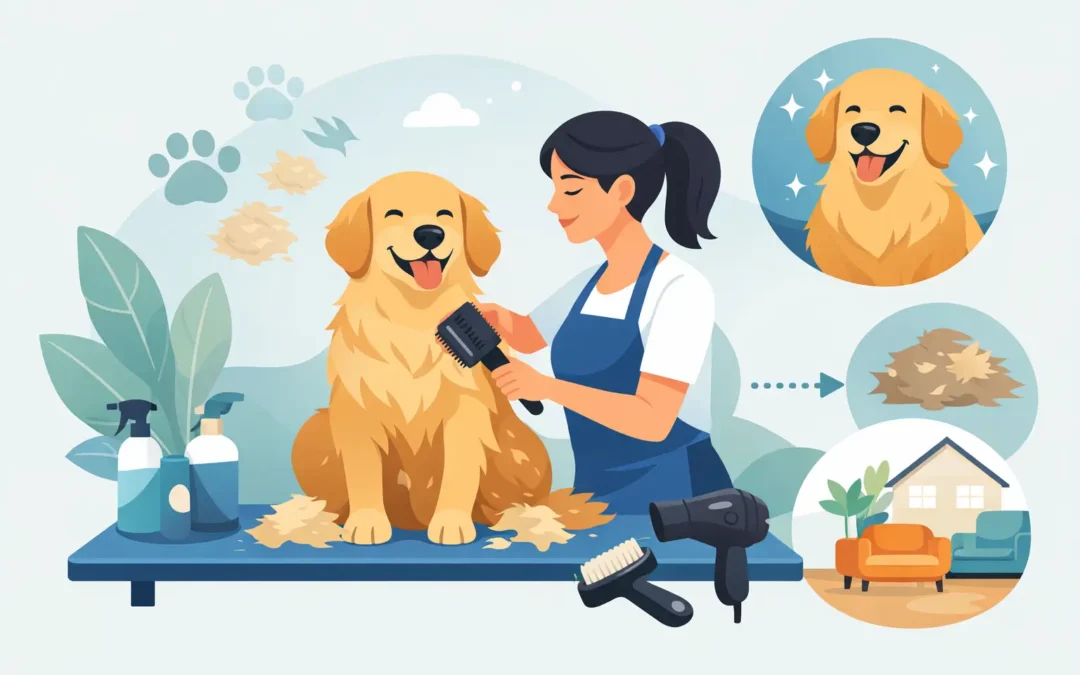
That soft tumbleweed rolling across the living room is familiar to many loving dog parents. So, can dog grooming help shedding? Yes. While grooming cannot stop a healthy dog from shedding altogether, it can dramatically reduce the amount of loose hair that ends up on your sofa, clothes, car seats, and floors.
The real benefit goes beyond a tidier home. Thoughtful, regular grooming helps your dog feel lighter, cleaner, and more comfortable in their own coat. For Longwood pet parents, it is one of the kindest ways to support both a polished appearance and everyday wellness.
Can Dog Grooming Help Shedding Without Stopping It?
Shedding is natural. Dogs lose old or damaged hairs to make room for new growth, and the amount they shed depends on their breed, coat type, health, age, hormones, and the season. In Central Florida, where warm weather and indoor air conditioning can affect the skin and coat year-round, shedding may not always follow the dramatic spring and fall pattern seen in colder climates.
Grooming works by removing hair that has already loosened before it spreads around your home. A professional brush-out, bath, and drying process can release an impressive amount of dead undercoat and surface fur in one visit. That means less hair on your furniture and fewer tangles pulling at your dog’s skin.
It is not a promise of a no-fur household. A Labrador, German Shepherd, Husky, Golden Retriever, or short-haired mixed breed will still shed because that is what their coat is designed to do. The goal is healthier shedding management, not an unnatural attempt to eliminate it.
Why Loose Fur Needs More Than a Quick Brush
A few strokes with a brush at home can be helpful, but loose fur often gets trapped deep within a dense coat. When it stays there, it can compact against the skin, mix with natural oils, and contribute to matting, odor, and irritation. This is especially common in double-coated dogs and curly or long-haired pups.
Professional grooming combines several gentle steps that work together. Brushing helps lift loose hair. A pet-safe bath washes away dirt and excess oils. Proper drying helps separate the coat so remaining loose fur can be brushed out thoroughly. A light trim around the face, feet, or sanitary areas may also make routine coat care easier between appointments.
For dogs with sensitive skin, the products and techniques matter just as much as the brush. Harsh shampoos, overly aggressive brushing, or poor drying can leave a dog uncomfortable. Personalized grooming should feel like care, not a battle with a coat.
A clean coat sheds more comfortably
Clean fur is easier to brush because it is free from buildup that makes strands cling together. After a well-matched bath and fluff-and-brush treatment, the coat can move naturally again. Your dog may still leave a few hairs behind, but those hairs are less likely to collect in dense patches or form knots close to the skin.
Brushing supports skin and coat health
Gentle brushing distributes natural oils through the coat and gives groomers a closer look at what may be happening underneath all that fur. Dryness, flaky skin, redness, fleas, ticks, bumps, or areas of thinning hair can be easier to notice during a grooming appointment.
A groomer cannot diagnose a medical condition, but a caring professional can help flag changes worth discussing with your veterinarian. That early attention can make a meaningful difference for your pet’s comfort.
The Best Grooming Schedule Depends on Your Dog
There is no single perfect schedule for every dog. A sleek, short-haired Beagle may need a bath and de-shedding brush-out less often than a thick-coated Australian Shepherd. A Poodle mix may shed less visibly but require more frequent grooming to prevent mats. Senior dogs, puppies, and anxious pets may also benefit from appointments paced around their comfort level.
As a general starting point, many moderate to heavy shedders do well with professional grooming every four to eight weeks. Regular visits prevent loose undercoat from building up and let your dog become familiar with the grooming routine. A calm, predictable experience is often easier than waiting until the coat is heavily impacted or tangled.
At home, a brief brushing session once or twice a week can extend the benefits of professional care. Heavy seasonal shedders may need more frequent brushing during periods when the undercoat is releasing. Keep those sessions short, gentle, and positive. A favorite treat, quiet praise, and a comfortable spot can turn coat care into bonding time.
What Not to Do When Your Dog Is Shedding Heavily
When fur seems to be everywhere, it can be tempting to reach for quick fixes. Some, however, can create bigger problems for the coat.
Do not shave a double-coated dog simply because they shed. Breeds with protective double coats rely on those layers for insulation and skin protection. Shaving may change how the coat grows back and does not solve the underlying shedding cycle. It should only be considered under professional guidance for a specific grooming or veterinary reason.
Avoid brushing so hard that your dog flinches, pulls away, or develops brush burn. The right tool and technique depend on whether your dog has a smooth, curly, wiry, single, or double coat. More pressure is not better.
Also, resist bathing too often with random household or human shampoos. Dogs have different skin needs, and frequent washing with unsuitable products can strip oils and worsen dryness. A fresh-smelling coat should also be a comfortable, well-cared-for coat.
When Excessive Shedding Deserves a Veterinary Call
Normal shedding looks like a gradual release of fur across the body. A sudden change deserves more attention. If you notice bald patches, sores, intense scratching, dandruff, redness, greasy skin, a strong odor, or a dramatic increase in hair loss, contact your veterinarian.
Changes in appetite, energy, weight, or behavior alongside coat loss are also worth mentioning. Allergies, parasites, skin infections, nutrition concerns, stress, and other health issues can affect the coat. Grooming is a wonderful support for coat condition, but it is not a substitute for veterinary care when something seems wrong.
Make Shedding Season Feel More Manageable
The most effective plan is simple: consistent professional grooming paired with gentle maintenance at home. Keep your dog’s bedding clean, vacuum the places they love to nap, and use a brush suited to their coat rather than choosing one based on appearance alone. Most of all, pay attention to how your dog responds. A relaxed dog is more likely to enjoy regular care and let you reach the areas where loose fur tends to collect.
At Jolis Grooming, every appointment is an opportunity to give your pup unhurried, comfort-first attention. A soothing bath, careful brush-out, face trim, nail and paw care, and individualized handling can help your dog leave feeling fresh, pampered, and beautifully cared for.
Shedding may be part of life with a beloved dog, but it does not have to take over your home or leave your pet feeling itchy and weighed down. A consistent grooming routine gives you more cuddle time, fewer fur-covered chores, and a happier companion who feels as special as they are.
