
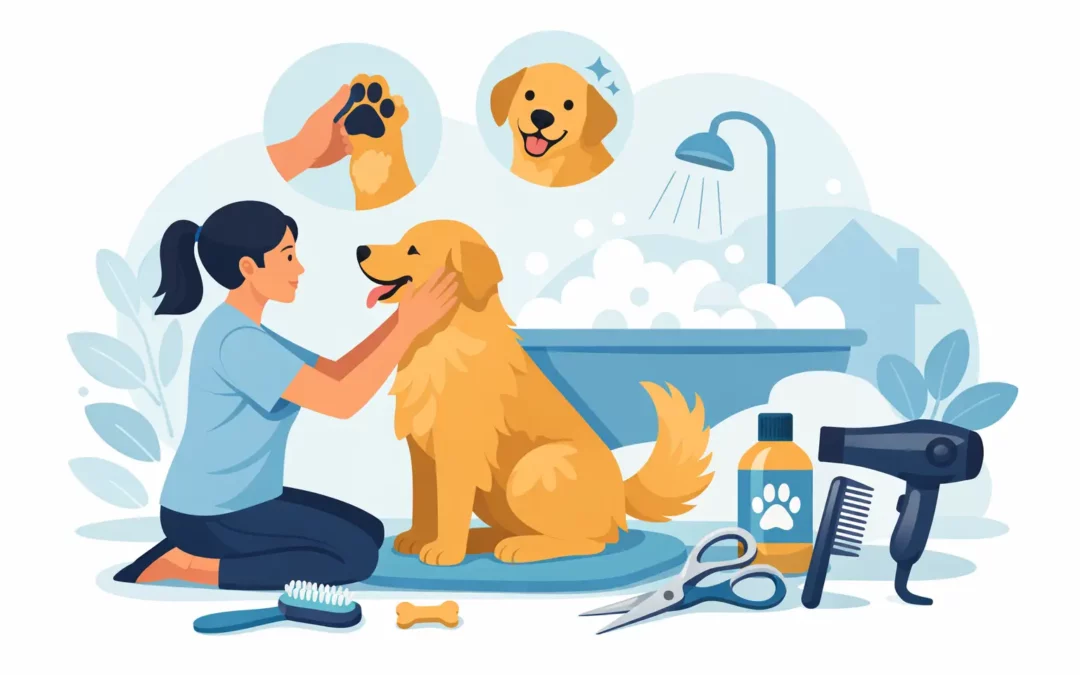
A grooming appointment tends to go better before your dog ever reaches the salon door. If you are wondering how to prepare dog for grooming, the goal is not perfection. It is helping your pet feel calm, comfortable, and familiar with the process so grooming feels more like care and less like a surprise.
For many dogs, the hardest part of grooming is not the bath, brush, or trim. It is the unfamiliar handling, the sounds, and the change in routine. A little thoughtful preparation at home can make a meaningful difference. It can also help your groomer give your dog a more polished, comfortable experience from start to finish.
Why preparation matters before a grooming visit
Dogs pick up on energy quickly. If the day feels rushed, noisy, or tense, they often carry that stress into the appointment. When they have had a chance to get used to touch, brushing, paw handling, and short periods of standing still, the whole visit usually feels gentler and easier.
Preparation also supports better results. A dog that is relaxed is safer to work with and more comfortable during face trims, nail care, ear cleaning, and coat maintenance. That matters whether your pet needs a simple bath and fluff and brush or a full groom. Comfort is not separate from appearance. It is part of good grooming.
How to prepare dog for grooming at home
The best approach is steady and low-pressure. A dramatic practice session the night before is rarely as helpful as a few calm minutes several times a week.
Start with handling. Touch your dog’s paws, lift each ear gently, stroke around the muzzle, and run your hand along the legs and tail. Offer praise in a warm, relaxed voice. If your dog pulls away, do not force it. Pause, keep the moment positive, and try again later. Building trust is more effective than pushing through resistance.
Brushing is another important part of preparation, even for short-haired breeds. It helps your dog get used to the sensation of coat care and lets you check for mats, tangles, irritated skin, or sensitive spots. If your dog has a dense, curly, or longer coat, this step matters even more. Severe matting can make grooming uncomfortable and may limit what style options are realistic at the appointment.
Bathing at home is optional. In some cases, it helps. In others, it creates more stress than benefit, especially if your dog already dislikes water or blow drying. If your pet is due for professional grooming soon, a better choice may be simple maintenance at home and then letting the salon handle the full bathing process with the right tools and products.
Practice the small things your dog will experience
A grooming visit involves more than washing and trimming. Your dog may be asked to stand on a table, tolerate light restraint, hear dryers, and have paws handled for nail care. You can gently introduce pieces of that routine at home.
Let your dog stand on a stable surface for a few seconds while you calmly touch the body and reward stillness. Turn on a hair dryer across the room for a brief moment so the sound becomes less startling. Hold a paw, separate the toes lightly, then release. Lift the chin for a second as if preparing for a face trim. These tiny moments teach your dog that grooming-related handling is not something to fear.
It is worth paying attention to limits, though. Some dogs adapt quickly. Others need more time, especially puppies, rescues, or pets with a history of anxious appointments. Progress counts even when it is small.
Timing matters on grooming day
The day of the appointment should feel calm and predictable. Give your dog a chance to go outside beforehand for a bathroom break and a little movement. A short walk can help burn off nervous energy, but this is not the time for an exhausting outing in the Florida heat. You want your dog comfortable, not overstimulated or worn out.
Feeding is another place where balance matters. A very full stomach right before grooming can leave some dogs uncomfortable, especially during a bath or while being handled. A very hungry dog may be restless. Many pet owners find that a light meal with enough time to settle works well, but it can depend on your dog’s age, routine, and sensitivity.
Try not to rush the drop-off. Dogs often mirror their owners, so a calm goodbye helps. If you act as though the visit is safe and normal, your pet is more likely to take that cue.
What to tell your groomer before the appointment
Good grooming is personal. The more your groomer knows, the better they can tailor the experience to your dog’s needs.
Share anything that affects comfort or behavior. That might include anxiety around nail trims, sensitivity near the ears, skin allergies, stiffness in the hips, a tendency to nip when startled, or past grooming experiences that did not go well. If your dog is a puppy, senior, or first-time client, that is helpful information too.
You should also be clear about goals. If your main priority is comfort, say so. If you want extra attention on paw care, facial tidying, coat maintenance, or freshening up between full grooms, mention that as well. A thoughtful groomer will weigh your preferences against your dog’s coat condition, temperament, and tolerance that day.
Sometimes pet parents come in with a style in mind, but the dog’s coat tells a different story. Mats, heavy shedding, skin irritation, or a dog’s stress level may call for a more practical approach. That is not a disappointment. It is part of responsible care.
How to prepare an anxious dog for grooming
Some dogs need more than routine preparation. They need reassurance, repetition, and a gentler pace.
If your dog becomes nervous around handling, start your prep several days or even weeks ahead. Keep sessions short. Reward calm behavior. End before your dog gets overwhelmed. It is better to have five positive one-minute sessions than one long struggle.
Your own tone matters too. Comforting your dog is good. Accidentally signaling that something is wrong is less helpful. A cheerful, steady presence usually works best. Treat grooming prep like a normal part of caring for your dog, not a looming event.
For highly sensitive dogs, consistency can help more than anything. Seeing the same groomer, using a salon that prioritizes gentle handling, and booking regular appointments instead of waiting until the coat is difficult to manage often leads to better long-term results. At Jolis Grooming, that comfort-first approach is central because pets respond so much better when they feel safe, seen, and patiently cared for.
A few things not to do before grooming
Preparation should reduce stress, not add to it. Avoid trying brand-new products right before the appointment, especially scented sprays, shampoos, or home trimming tools your dog has never experienced. Skin reactions and fear responses are not worth the risk.
It is also best not to cut out mats with scissors at home. What looks like a simple tangle can sit very close to the skin, and accidental injury happens quickly. If your dog has tight matting, let a professional assess it safely.
Another common mistake is waiting too long between appointments. When nails are overgrown, coats are heavily matted, or the dog is already uncomfortable, grooming becomes harder for everyone. Regular care usually feels more pleasant and keeps the experience familiar.
Preparing puppies and first-time dogs
A first appointment sets the tone. Puppies and dogs new to grooming do best when the experience is introduced as something kind and manageable.
Before the visit, focus less on achieving perfect brush-outs and more on helping your dog accept touch. Practice opening the mouth gently, holding the collar, checking the paws, and brushing for a minute or two at a time. Keep the energy light. Treats, praise, and patience go a long way.
It also helps to keep expectations realistic. A puppy may not be ready for an elaborate grooming session right away. Sometimes the best first visit is about building trust, creating a positive memory, and getting comfortable with the environment. That foundation often leads to smoother appointments in the future.
The real goal of grooming prep
When people think about grooming, they often picture the visible result – a clean coat, tidy face, fresh paws, and that polished look everyone loves. But preparation is really about how your dog feels during the process. A pet who arrives calmer, cleaner underneath the coat, and more familiar with handling is more likely to have a positive experience.
That is what thoughtful grooming should be. Not a stressful errand, but a form of care that supports comfort, hygiene, and confidence. When you prepare with that in mind, you are not just getting your dog ready for an appointment. You are helping make grooming a gentler part of a happy, healthy routine.