
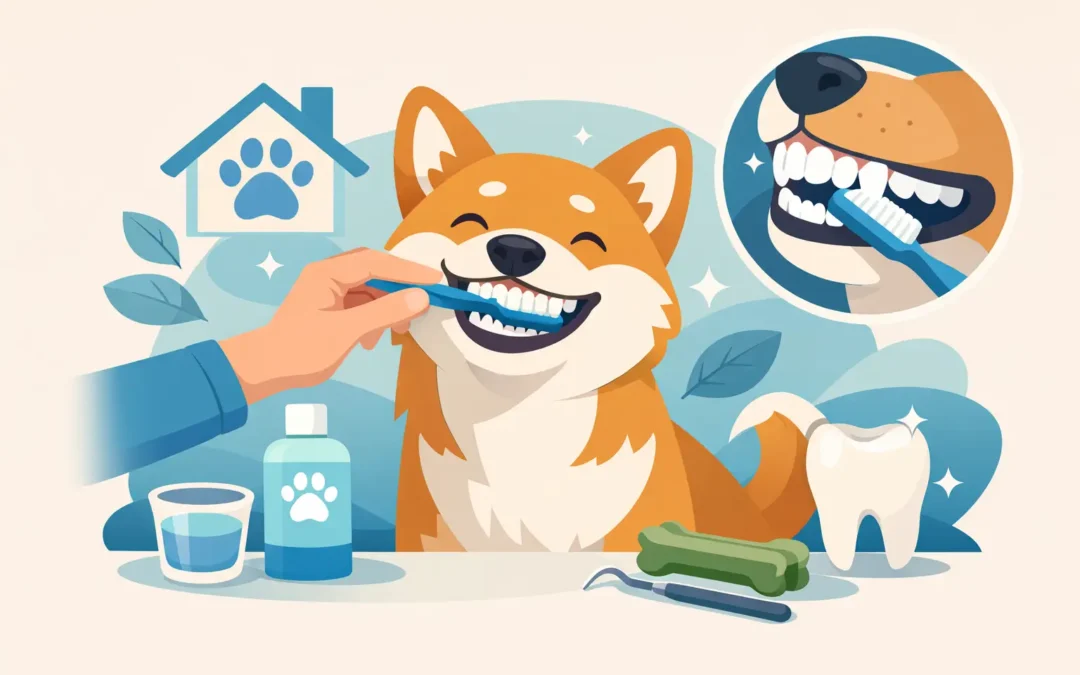
Your Guide to Brushing Dog Teeth at Home
That little turn of the head after dinner, the hesitation when you reach near the muzzle, or a breath that is no longer quite so sweet can make any pet parent pause. A consistent guide to brushing dog teeth can help turn oral care from an occasional struggle into one more loving part of your dog’s routine. The goal is not perfection on day one. It is helping your best friend feel safe, cared for, and comfortable while you protect a healthier smile.
Why Brushing Matters Beyond Fresh Breath
A dog’s mouth works hard every day. Food particles and bacteria can collect along the gumline, where plaque begins to build. Left in place, that buildup can harden into tartar and contribute to irritated gums, unpleasant breath, and discomfort.
Regular brushing removes soft plaque before it has the chance to settle in. It also gives you a quiet moment to notice changes in your dog’s mouth, from a sensitive spot to a chipped tooth. That kind of attentive care matters, especially because many dogs are very good at hiding discomfort.
Brushing at home does not replace veterinary dental exams or treatment. If your dog has swollen or bleeding gums, loose teeth, a sudden change in appetite, facial swelling, heavy tartar, or persistent bad breath, contact your veterinarian. Those signs deserve professional medical attention, not more vigorous brushing.
What You Need Before You Begin
Keep the setup simple and calm. Choose a time when your dog is relaxed, such as after a walk or during a quiet evening at home. A bathroom, kitchen, or another well-lit space can make it easier to see what you are doing, but comfort matters more than location.
You will need a dog toothbrush, a finger brush or soft gauze, and toothpaste made specifically for dogs. Pet toothpaste is designed to be swallowed safely and often comes in dog-friendly flavors. Human toothpaste is not appropriate for dogs because it may contain ingredients, including xylitol, that can be dangerous if swallowed.
A soft-bristled brush is usually the best place to start. For a very small dog or a pet who is unsure about brushing, a finger brush or a piece of clean gauze wrapped around your finger may feel less intimidating. Have a favorite small treat nearby for encouragement, but choose one that fits your dog’s dietary needs.
A Gentle Guide to Brushing Dog Teeth
The first few sessions should be about trust, not about reaching every tooth. Sit beside your dog rather than directly in front of them, and keep your voice warm and unhurried. If your dog seems worried, stop before they feel overwhelmed. A short, positive practice session is far more valuable than forcing a full brushing.
Start by making mouth handling feel normal
For a day or two, simply touch your dog’s cheek and gently lift the lip for a second. Offer praise and a reward. Next, let your dog sniff and lick a tiny amount of pet toothpaste from your finger. This helps create a pleasant association before a brush ever enters the picture.
When your dog is comfortable, rub a small amount of toothpaste along the outer surfaces of a few teeth with your finger or gauze. Most plaque accumulates where the teeth meet the gums, particularly on the outside surfaces. You do not need to open your dog’s mouth wide to do good work.
Add the toothbrush slowly
Place the brush at about a 45-degree angle toward the gumline and use small, gentle circles. Begin with the canine teeth and the larger back teeth on one side. These are often easier to reach while your dog’s mouth is naturally closed.
Work for 10 to 15 seconds at first, then praise your dog and finish on a happy note. Over several sessions, gradually extend the time and alternate sides. Ideally, you will brush the outer surfaces of all teeth, but even a partial brushing is beneficial while your dog is learning.
Avoid scrubbing hard. Brushing should feel like a light massage, not a battle. Pressing too firmly can make tender gums feel worse and may cause your dog to resist the next session.
How Often Should You Brush?
Daily brushing gives the best protection because plaque can begin forming again quickly. For busy households, three to four sessions a week is still a meaningful routine and a wonderful place to begin. The best schedule is the one you can maintain with patience and consistency.
Try pairing brushing with an existing habit, such as the last potty break of the evening or settling down after your dog’s dinner. A predictable rhythm helps dogs understand what comes next. Some dogs love the flavored toothpaste so much that brushing becomes a small nightly treat.
Dental chews, toys designed for oral care, and a balanced diet can support a clean mouth, but they are not an equal substitute for brushing. Their usefulness depends on the product, your dog’s chewing habits, and their dental condition. Always supervise chewing, especially if your dog tends to gulp treats or break off large pieces.
When Your Dog Does Not Love the Toothbrush
Resistance is common, particularly for dogs who have never had their mouths handled or who have had an uncomfortable dental experience. Do not interpret hesitation as stubbornness. Your dog is communicating that the process needs to move more slowly.
Go back one step. If the brush causes stress, use toothpaste on your finger for a few days. If lip lifting is the challenge, reward a brief touch to the cheek and build from there. Keep sessions brief, offer calm praise, and end before your dog pulls away.
Some dogs may need several weeks to become comfortable. Senior pets, dogs with short noses, and pets with crowded teeth may require extra patience because their mouths can be more sensitive or harder to reach. If your dog suddenly resists brushing after previously accepting it, schedule a veterinary checkup to rule out pain.
Never hold your dog down, pry their mouth open, or punish them for moving away. That can create lasting fear around grooming and care. Gentle repetition protects the trust you have worked so hard to build.
What to Watch for During Home Care
A healthy mouth generally has pale pink gums and teeth without heavy yellow-brown buildup near the gumline. A little variation in gum color can be normal, particularly in dogs with naturally pigmented gums, so pay attention to changes rather than comparing your pet to another dog.
Call your veterinarian if you notice bleeding, red or swollen gums, broken teeth, thick tartar, drooling that is unusual for your dog, pawing at the mouth, reluctance to eat, or breath that remains very strong despite regular care. Professional veterinary dentistry may include an exam, X-rays, cleaning below the gumline, and treatment that cannot be done safely at home.
A grooming visit can be a lovely part of your dog’s overall fresh-and-polished care routine, including gentle attention to their appearance and comfort. At Jolis Grooming, every service is approached with the same calm, personalized care that helps pets feel secure. Still, concerns involving dental disease should always be assessed by a veterinarian.
Make the Routine Feel Like Care, Not Chores
Your dog does not need a picture-perfect brushing session to benefit from your attention. They need your steady hands, a soft approach, and the reassurance that each new step is safe. Start with one tooth, one calm minute, and one well-earned bit of praise. With time, that simple ritual can become a quiet way to care for the smile that greets you every day.