
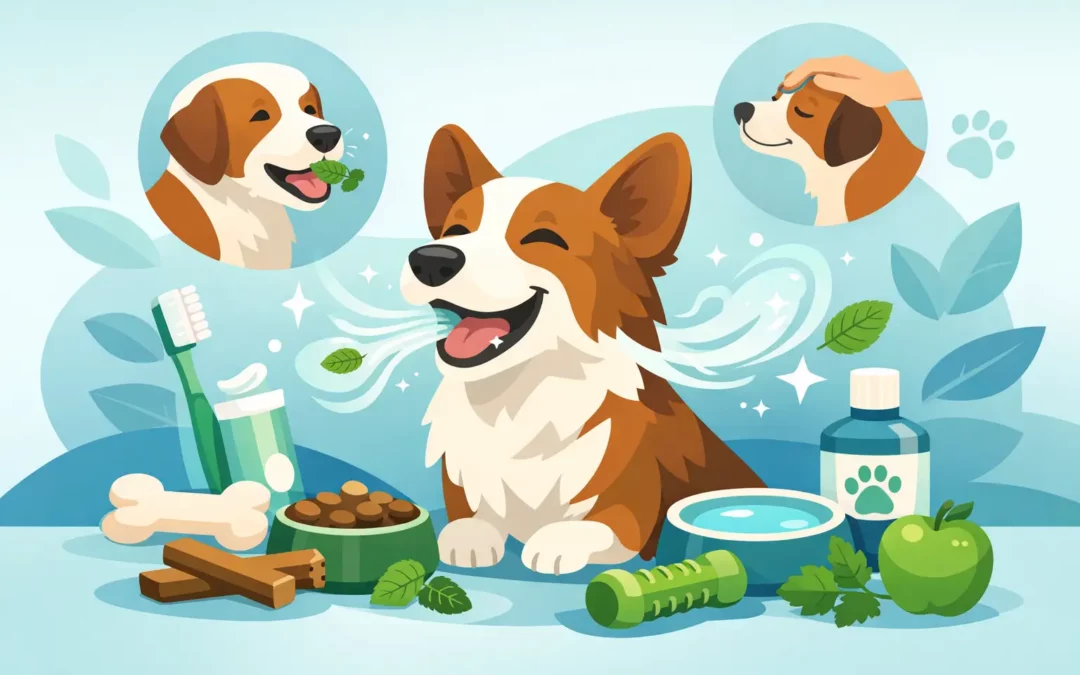
That sweet face leaning in for a cuddle should not come with a strong odor that makes you pull away. While many dogs have a little “doggy breath” now and then, persistent bad breath can make close moments less pleasant and may point to a need for better oral care. The best ways to freshen dog breath are gentle, consistent, and tailored to your pet’s comfort – never a quick cover-up that ignores what is happening in their mouth.
At Jolis Grooming, we see grooming as part of the loving care that helps dogs feel polished, comfortable, and ready for all the affection they deserve. A fresher mouth is a wonderful bonus, but healthy habits are the real goal.
Start With What Your Dog’s Breath Is Telling You
A mild odor after a nap, a treat, or an enthusiastic sniff around the yard is usually no reason to worry. Breath that is consistently foul, sour, metallic, unusually sweet, or suddenly much worse is different. It may be caused by plaque and tartar buildup, irritated gums, food caught between teeth, or an underlying health concern that deserves veterinary attention.
Take a calm look at your dog’s mouth when they are relaxed. Red or swollen gums, yellow-brown tartar, bleeding, loose teeth, heavy drooling, pawing at the face, and reluctance to eat crunchy food are all reasons to call your veterinarian. No dental chew, breath spray, or grooming treatment can replace professional veterinary dental care when there is pain, infection, or disease.
This is especially true for senior dogs, small breeds, flat-faced breeds, and pets who have already had dental problems. Their mouths often need a little more thoughtful attention.
Brush Teeth Gently and Often
Daily brushing is one of the most effective ways to improve your dog’s breath because it removes the sticky plaque that feeds odor-causing bacteria. If every day feels unrealistic at first, begin with a routine you can maintain. Brushing several times a week is far more helpful than buying supplies that never leave the drawer.
Use a soft dog toothbrush or finger brush with toothpaste made specifically for dogs. Human toothpaste is not safe for pets to swallow and should never be used. Pet toothpaste comes in dog-friendly flavors, which can turn the process from a chore into a small treat.
Start slowly. Let your dog smell and lick the toothpaste, then gently touch the brush to the outer surfaces of a few teeth. Praise generously, keep the session short, and stop before your dog becomes worried or frustrated. Most plaque builds along the gumline and on the outside of the teeth, so you do not need to force your way around the whole mouth on day one.
For sensitive dogs, a soft gauze pad wrapped around your finger can be a kind first step. The goal is not perfection. It is building trust and making oral care feel like another familiar part of being pampered at home.
Choose Dental Chews With Care
Dental chews can be a lovely addition to brushing, particularly for dogs who enjoy chewing. The gentle mechanical action may help reduce some surface buildup, while a quality dog-safe chew can leave the mouth feeling fresher between brushing sessions.
The right choice depends on your dog’s size, chewing style, dietary needs, and dental condition. A chew that is too small can become a choking risk, while extremely hard items can crack teeth. As a practical rule, avoid anything so hard that you could not make an indent in it with your fingernail. Bones, antlers, hooves, and very hard nylon chews may look long-lasting, but they are not the best fit for every mouth.
Offer chews only while you can supervise, and factor their calories into your dog’s daily meals. For dogs with sensitive teeth, missing teeth, or a history of digestive issues, ask your veterinarian for a recommendation before making dental chews part of the routine.
Keep the Water Bowl and Everyday Diet Fresh
A clean water bowl supports a cleaner-feeling mouth. Wash it daily with hot, soapy water, rinse thoroughly, and refill it with fresh water. This small habit helps reduce the bacteria and food residue that can collect in a bowl over time, especially in Florida’s warm weather.
Your dog’s food can also affect their breath. Strong-smelling treats, table scraps, and foods that do not agree with their digestion may contribute to an unpleasant odor. That does not mean every dog needs a dramatic diet change. It means paying attention to patterns. If breath becomes noticeably worse after a new food or treat, speak with your veterinarian before changing your pet’s diet.
Fresh vegetables such as small pieces of plain carrot can be a crunchy treat for some dogs, but they are not a substitute for brushing. They should also be offered in safe portions and only if they suit your dog’s age, size, chewing ability, and dietary plan.
Skip Breath “Fixes” That Only Mask Odor
When breath is unpleasant, it is tempting to reach for the fastest solution. But products that simply perfume the mouth can hide the odor without addressing plaque, gum irritation, or a dental problem. Avoid human mouthwash, breath mints, gum, toothpaste, and essential oils. Many contain ingredients that are unsafe for dogs, including xylitol, alcohol, or concentrated oils.
Dog-specific oral rinses, water additives, wipes, and sprays may be useful for some pets, particularly as a supplement to brushing. Still, they work best as part of a complete routine rather than the main event. If your dog dislikes sprays or becomes anxious when you approach their mouth, do not turn fresh-breath care into a stressful daily battle. A calm, gradual approach protects the trust you have built together.
Make Professional Grooming Part of the Routine
A well-groomed dog feels different – cleaner around the face, lighter through the coat, and ready to greet the world with confidence. Oral hygiene belongs in that same comfort-centered picture. During a grooming visit, teeth cleaning can help maintain your dog’s polished, cared-for appearance and give pet parents an added opportunity to notice changes in the mouth.
Professional grooming care is most valuable when it supports your home routine and veterinary guidance. Cosmetic teeth cleaning is not a replacement for a veterinary dental exam or anesthetic dental procedure when tartar extends below the gumline. A caring groomer will always put your pet’s comfort and safety first, rather than pushing through a service that is not appropriate for their needs.
For dogs who get messy around the muzzle, regular face trims and baths can make a meaningful difference, too. Food residue caught in facial fur, damp beard hair, and tear staining can create odors that seem like bad breath even when the mouth is not the only source. Keeping the face clean and comfortably trimmed helps your dog look as fresh as they feel.
Know When It Is Time for the Veterinarian
Fresh breath habits work best when your dog is starting with a healthy mouth. Schedule a veterinary visit promptly if bad breath appears suddenly, becomes intense, or comes with changes in appetite, energy, drinking, urination, weight, or behavior. You should also seek care if your dog seems painful when chewing, has facial swelling, or has discharge from the mouth or nose.
Some breath odors can signal issues beyond dental plaque. A sweet or fruity smell, urine-like odor, or severe rotten smell deserves timely professional attention. Your veterinarian can look beneath the surface, assess your dog’s teeth and gums, and recommend the right next step.
A Fresher Routine for Happier Close Moments
The most lasting answer is rarely one product. It is a gentle rhythm of brushing, safe chewing, fresh water, clean facial care, and veterinary checkups when something does not seem right. Begin with one small habit your dog can enjoy, then build from there with patience.
Your dog does not need a perfect smile to be deeply loved. They simply deserve the comfort of a clean, healthy mouth – and all the close-up kisses, couch cuddles, and happy greetings that come with feeling their very best.