
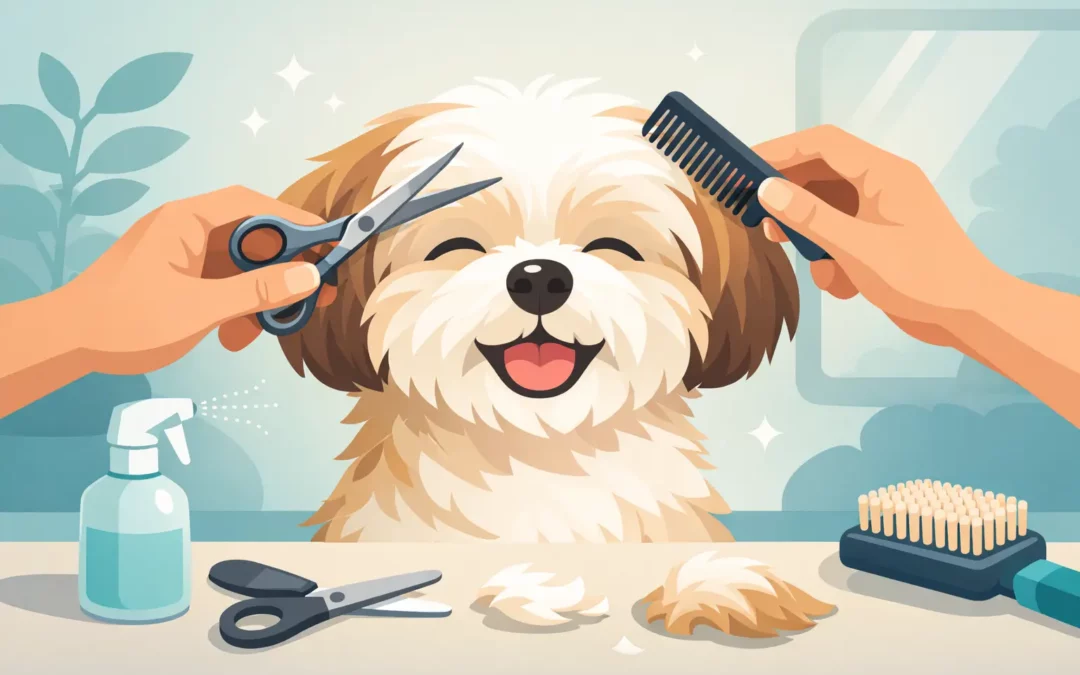
That sweet face deserves to be seen. When fur begins falling into your dog’s eyes, collecting around the mouth, or hiding their natural expression, a thoughtful face trim dog grooming visit can make a remarkable difference. It is not just about a tidy photo-ready look. A clean, comfortable face helps your pup see, eat, drink, and move through the day with more ease.
For many pet parents, the face is the area they notice first after a grooming appointment. Bright eyes look brighter, whiskers and cheeks feel softer, and your dog simply looks like themselves again. At the same time, face grooming requires patience, a gentle touch, and an understanding of each dog’s comfort level. This is delicate care, not a rushed finishing step.
Why Face Trim Dog Grooming Matters
The hair around a dog’s face can grow quickly, especially for breeds with soft, continuously growing coats. Poodles, doodles, Shih Tzus, Maltese, Yorkies, bichons, and many mixed breeds often need regular attention around the eyes, muzzle, ears, and chin. Left too long, facial hair can hold moisture, pick up food, mat near the corners of the eyes, and make everyday care more difficult.
A well-shaped face trim helps keep hair from rubbing against the eyes or blocking your dog’s view. It also makes it easier to notice tear staining, irritation, or changes around the skin that may otherwise be hidden by a heavy fringe. Around the mouth, a neat trim can reduce the amount of water and food that clings to the coat after meals.
There is also the simple comfort of feeling clean. Dogs use their faces to explore nearly everything. When their facial coat is free of tangles, dried debris, and overgrown strands, they often appear more relaxed and at ease. The goal is never to change your dog into a different-looking pet. It is to create a neat, balanced style that brings out the personality you already love.
A Face Trim Should Feel Safe, Not Stressful
The face is one of the most sensitive areas to groom. Dogs may be wary of tools near their eyes, ears, and nose, particularly if they have had an uncomfortable experience in the past. That is why the quality of the grooming experience matters as much as the finished shape.
A comfort-first groomer moves at your pet’s pace. They use calm handling, gentle support, and pet-safe grooming tools to work carefully around sensitive features. Some dogs settle in quickly, while others need a little more time, reassurance, and breaks. Neither response is wrong. Personalized grooming means respecting what your individual dog needs that day.
At Jolis Grooming, the intention is to make each visit feel like caring attention rather than a stressful chore. A polished trim should come with soft handling, a welcoming environment, and the confidence that your pet is being treated with patience from start to finish.
The areas your groomer may shape
A face trim is customized, but it commonly includes the hair around the eyes, forehead, cheeks, muzzle, chin, and the outer edges of the ears. Depending on your dog’s coat and preferred style, the groomer may also blend the face into the neck and body coat for a naturally finished appearance.
The right style depends on more than breed. Your dog’s face shape, hair texture, lifestyle, and tolerance all matter. A fluffy teddy-bear style can be adorable on a doodle or bichon, while a shorter, cleaner muzzle may be more practical for a dog that gets messy at every meal. A groomer can help you find the balance between the look you love and the maintenance that fits your routine.
What a Gentle Face Grooming Appointment Looks Like
A professional face trim begins long before scissors or clippers come near the face. Your groomer first gets to know your dog’s coat condition and temperament. If there are tangles near the eyes, beard, or ears, those areas are handled with extra care so pulling is minimized.
The facial coat is brushed and gently combed to reveal its natural shape. Your groomer may clean around the eyes and mouth as appropriate, then carefully remove excess hair that affects vision or collects moisture. The trim is refined in small steps, allowing the groomer to check for symmetry while keeping your pet calm.
For a dog who is nervous, the appointment may need a slower approach. In some cases, a simpler trim is the kindest choice, with the goal of building trust over time. A perfectly sculpted style is never worth pushing a frightened dog past their limits. Consistent, positive grooming experiences usually help pets become more comfortable with the process.
Many face trims pair beautifully with a bath, fluff and brush treatment, nail and paw care, or a full groom. A freshly cleaned and dried coat gives the groomer a better foundation for shaping the face, and it leaves your pup feeling pampered from nose to tail.
How Often Does Your Dog Need a Face Trim?
Most dogs with fast-growing facial hair benefit from a face trim every four to six weeks. Some need it more often, particularly if their bangs grow into their eyes or their beard becomes wet and messy between regular grooming appointments. A short-haired dog may only need occasional cleanup around the eyes, ears, or whiskers.
Your dog’s lifestyle can affect the schedule, too. A playful pup who loves water bowls, muddy yards, and enthusiastic meals may need more frequent facial freshening than a low-maintenance companion with a short, smooth coat. It depends on how quickly the hair grows, how easily it mats, and how much upkeep you prefer at home.
Rather than waiting until the fur becomes a problem, consider making face care part of a regular wellness routine. Staying ahead of tangles is usually gentler for your pet and easier for the groomer. Regular visits also give your dog the familiarity that can make grooming feel more predictable and reassuring.
Between-Appointments Care for a Clean, Comfortable Face
Professional grooming provides the careful shaping, but a few simple habits at home can help maintain that fresh look. After meals or drinks, gently wipe the muzzle and chin with a clean, pet-safe cloth. This small step can keep food residue from drying into the coat, especially for dogs with beards or light-colored facial hair.
Brushing the facial hair lightly can also prevent small tangles from becoming uncomfortable mats. Use a tool recommended for your dog’s coat type, and always work slowly around the eyes and mouth. If your dog pulls away or becomes worried, stop rather than forcing the grooming session. Building a positive association matters more than finishing every stroke.
Avoid trying to cut hair close to the eyes at home unless you have the proper training and your dog is exceptionally calm. A sudden head movement can turn a quick touch-up into a frightening moment. Professional groomers have the equipment, positioning skills, and experience to handle these detailed areas safely.
Signs it is time for a professional trim
You may notice your dog blinking more often because hair is hanging into their eyes, or see them rubbing their face on furniture and paws. Damp, discolored hair around the mouth, visible mats near the corners of the eyes, and a fringe that hides their expression are also good reasons to schedule care.
If you spot redness, swelling, unusual discharge, a strong odor, or persistent discomfort around the eyes or skin, contact your veterinarian. Grooming supports hygiene and comfort, but it does not replace medical care when a health concern may be present.
The Difference a Fresh Face Can Make
A face trim can seem like a small service until you see your dog afterward. Their eyes are visible. Their features look soft and balanced. Their coat feels cleaner around the places where daily life tends to leave the biggest mess. For pet parents, that polished look comes with the added reassurance that their companion has received attentive care.
The best face trim is one that suits the dog in front of the groomer, not a one-size-fits-all style. Whether your pup needs a quick eye-area cleanup, a rounded teddy-bear finish, or a practical short muzzle, gentle professional care can help them feel comfortable and look wonderfully loved. When their face says happy, clear-eyed, and cared for, you will see the difference every time they greet you at the door.