
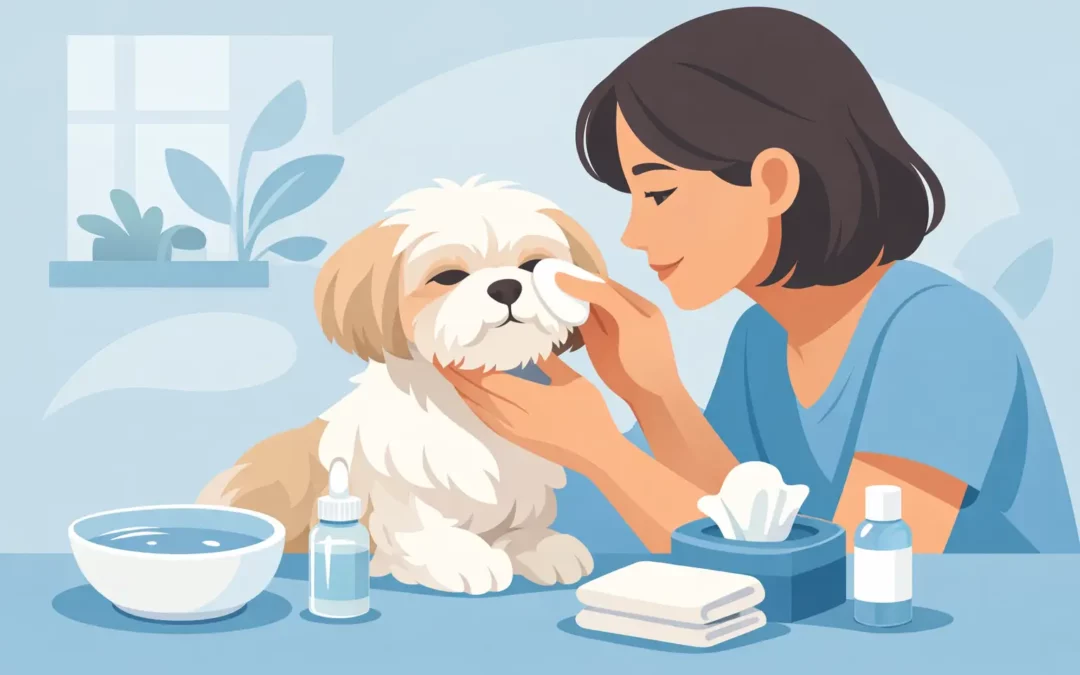
A damp, rust-colored track beneath bright eyes can make even the most lovingly cared-for dog look a little less comfortable. Learning how to clean dog tear stains is less about chasing a perfectly white face and more about keeping the delicate skin around your pup’s eyes clean, dry, and free from irritating buildup.
Tear staining is especially noticeable on white and light-colored coats, but it can affect dogs of every color. A gentle routine can make a visible difference over time. Just as valuable, it gives you a quiet moment to check in with your dog and notice changes that may deserve a veterinarian’s attention.
Why dog tear stains happen
The reddish-brown color comes from pigments called porphyrins, which are present in tears. When tears sit on the fur, air and moisture can deepen that discoloration. Dogs with short noses, prominent eyes, facial folds, allergies, or hair that grows close to the eyes may be more prone to staining.
Some breeds naturally need more face care than others. Maltese, Shih Tzus, Poodles, Bichon Frises, Pugs, and similar breeds often benefit from consistent cleaning and tidy facial hair. Still, staining is not always only cosmetic. Excessive tearing can also be connected to eye irritation, blocked tear ducts, allergies, eyelid concerns, or an infection.
That is why a gentle at-home routine should never replace veterinary care when something seems off. If your dog’s eyes are comfortable and the staining is mild, daily maintenance is usually a lovely place to start.
How to clean dog tear stains safely
The skin around your dog’s eyes is sensitive, so the goal is simple: soften the residue, wipe it away without rubbing, and leave the area dry. Choose a calm time when your dog is relaxed, perhaps after a walk or while settling in for the evening.
Start with clean hands and a soft, clean washcloth, cotton round, or gauze pad. Moisten it with lukewarm water. Hold the damp material gently against the stained fur for a few seconds to loosen dried discharge. Then wipe outward, away from the eye, using light strokes.
Use a fresh section of the cloth or a new pad for each eye. This small habit helps prevent transferring debris from one eye to the other. Never press on the eyeball, scrape at a crust, or use force to remove stubborn buildup. If it does not lift easily, soften it again with warm water and try later.
After cleaning, pat the fur dry with a soft towel. Damp hair can hold moisture against the skin and make staining, odor, or irritation more likely. For dogs with deep facial folds, gently separate the fold only as much as needed to dry the area thoroughly.
If you use a dog-specific eye wipe or tear-stain product, read the label carefully and follow its directions exactly. Select products made for the eye area, not general shampoo, whitening products, or household cleaners. Even pet-safe products are not one-size-fits-all, so stop using anything that causes redness, squinting, itching, or discomfort.
A simple routine makes the biggest difference
Tear stains rarely disappear in one cleaning session because stained hair needs time to grow out or be carefully trimmed away. Consistency is kinder and more effective than aggressive cleaning.
For many dogs, a quick daily wipe is enough to keep fresh residue from building up. Dogs with heavy tearing may need a gentle check morning and evening. During your regular grooming routine, comb the hair beneath the eyes with a small, clean face comb to keep it from matting and holding moisture.
Water bowls and food dishes also deserve attention. Wash them often so bacteria and residue do not collect around your dog’s mouth and face. A clean drinking area will not solve every tear-staining concern, but it supports the clean, comfortable environment your pup deserves.
It also helps to keep facial hair neatly maintained. Long hair can wick tears into the coat, poke at the eyes, and make daily cleaning more difficult. A professional face trim gives your dog a polished look while helping you see and care for the eye area more easily at home.
What not to use around your dog’s eyes
A well-meaning home remedy can cause more trouble than the tear stains themselves. Avoid hydrogen peroxide, vinegar, rubbing alcohol, bleach, human makeup removers, essential oils, and harsh whitening shampoos around the eyes. These products can sting, dry the skin, or cause serious injury if they enter the eye.
Do not use scissors close to a wiggly dog’s eyes at home. Even a sweet, familiar dog can jerk suddenly when they feel nervous or ticklish. If the stained hair needs to be shortened, a trained groomer can carefully tidy the face with appropriate tools and patient handling.
It is also wise to skip supplements or powders marketed as quick tear-stain cures unless your veterinarian recommends them. The source of tearing varies from dog to dog. A product that works for one pup may not address what is happening with yours.
When tear stains call for a veterinarian
Mild, occasional staining can be a normal grooming concern. But new or heavy tearing deserves a closer look, particularly if your dog seems uncomfortable. Call your veterinarian promptly if you notice:
- Redness, swelling, cloudiness, or a visible injury around the eye
- Squinting, frequent blinking, pawing at the face, or light sensitivity
- Thick yellow, green, or foul-smelling discharge
- A sudden increase in tears or staining on one side only
- Skin that is raw, itchy, painful, or developing an odor beneath the eyes
A veterinarian can check for causes that grooming cannot diagnose, such as infection, allergies, eyelashes rubbing the eye, or tear drainage issues. Once your dog is feeling well, regular grooming can help keep the surrounding coat fresh, clean, and comfortable.
Professional face care for a cleaner, softer look
At-home care does a great deal, but some dogs need extra help staying tidy around the eyes. Dense coats, facial folds, anxious personalities, and persistent staining can make this delicate task challenging. A professional groomer can gently clean the face, remove buildup from the surrounding coat, and shape the hair so it stays out of your dog’s eyes.
At Jolis Grooming, face care is approached with the same patience and personalized attention your pet receives throughout their grooming visit. A calm, comfort-first experience matters, especially for dogs who are sensitive about having their face touched. Regular appointments can also help establish a predictable routine, making grooming feel familiar rather than stressful.
Keep expectations realistic: grooming can remove stained hair and maintain a clean appearance, but it cannot promise that tears will never return. The best plan is the one that fits your dog’s coat, comfort level, health needs, and daily life.
Helping your dog feel comfortable with face cleaning
The gentlest technique works best when your dog feels safe. Begin with very short sessions, offering calm praise and a favorite treat after each successful wipe. Let your dog sniff the cloth first, then touch the cheek before moving near the eye area.
If your dog pulls away, do not turn face cleaning into a struggle. Pause and try again later when they are calmer. Over several days, most dogs learn that a soft wipe and a little attention around the eyes are simply part of being cared for.
Your pup does not need a flawless, photo-ready face every day. They need clean skin, clear eyes, and care that respects their comfort. A few gentle minutes of attention can help them feel as fresh and cherished as they look.