by | Aug 20, 2026 | Uncategorized
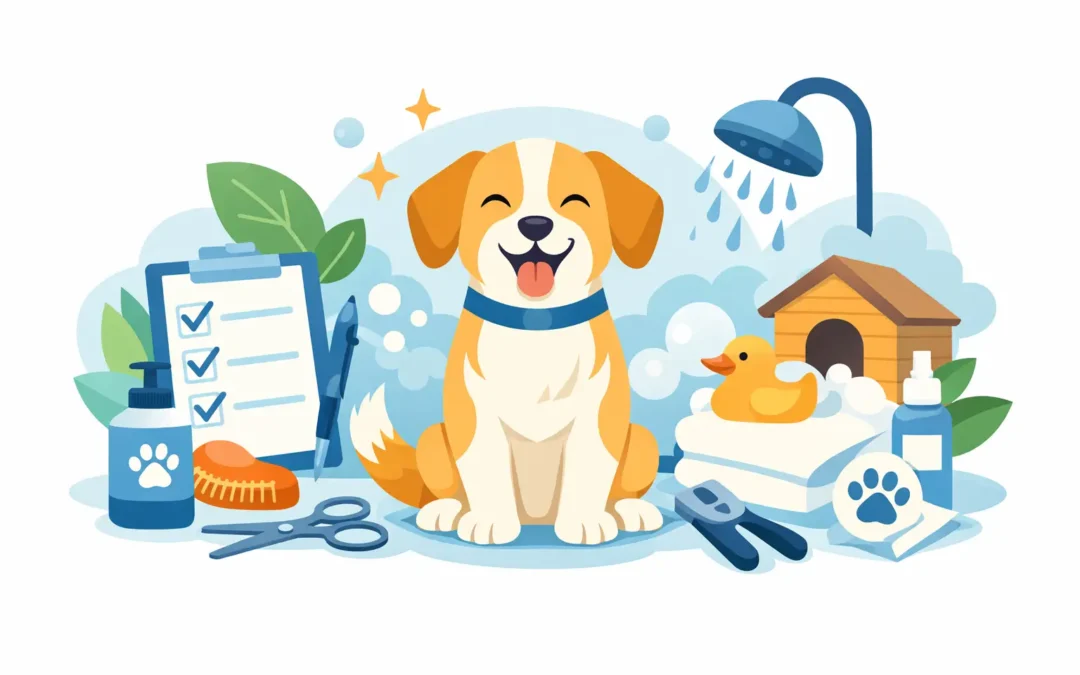
A soft, freshly brushed coat feels wonderful, but the real value of regular grooming is often found in the little details: the clean ears, comfortable paws, trimmed nails, and bright smile that help your dog feel like themselves. This dog grooming hygiene checklist helps loving pet parents stay ahead of common comfort concerns between professional appointments, without turning care time into a stressful chore.
Every dog has different needs. A short-haired dog who spends most days indoors may need a lighter routine than a doodle who loves a muddy backyard, while a senior dog may need extra patience around sensitive joints and paws. The goal is not perfection. It is a calm, consistent rhythm of care that keeps your companion clean, comfortable, and happily pampered.
Your Dog Grooming Hygiene Checklist
Start with the coat and skin
A healthy coat begins with regular brushing. For many dogs, this is also a sweet moment of connection: a few quiet minutes of gentle attention after a walk or before bedtime. Brushing removes loose hair, lifts everyday dirt, distributes natural oils, and gives you a chance to notice changes that might otherwise stay hidden beneath the fur.
Run your hands gently along your dog’s body as you brush. Watch for tangles, dryness, flakes, bumps, redness, or areas your pet suddenly dislikes having touched. Small mats can become tight and uncomfortable surprisingly quickly, especially behind the ears, under the collar, in the armpits, around the tail, and along the legs.
How often you brush depends on coat type. Smooth-coated dogs may only need a quick weekly brush, while curly, double-coated, or long-haired dogs often benefit from brushing several times a week or even daily. If a mat is close to the skin, avoid pulling or attempting to cut it out at home. Scissors near loose skin can lead to painful accidents. A professional groomer can assess the coat and remove tangles safely with the right tools and a gentle approach.
Bathing matters, too, but more is not always better. Overbathing can leave some dogs dry or itchy, particularly when the wrong shampoo is used. Use pet-safe products and choose a bath schedule suited to your dog’s coat, lifestyle, skin, and veterinarian’s guidance. Always rinse thoroughly. Leftover product can irritate the skin, even after an otherwise lovely bath.
Check ears with a light touch
Healthy ears should not have a strong odor, heavy buildup, discharge, or obvious redness. Once a week, lift each ear flap and take a quick look. This simple habit is especially helpful for floppy-eared breeds, frequent swimmers, and dogs with thick hair around the ears.
Clean only as directed by your veterinarian, using a dog-safe ear cleanser. Never push cotton swabs down into the ear canal. Your job is to notice and maintain what is visible, not to reach deep inside the ear. Head shaking, repeated scratching, tenderness, an unpleasant smell, or dark debris can point to an issue that needs veterinary attention rather than more cleaning.
A calm ear check should be brief and rewarded with praise. If your dog pulls away, do not force the moment. Building trust over several short sessions is kinder and more productive than creating a struggle around a sensitive area.
Keep teeth and breath on the care calendar
Dental care is one of the most overlooked parts of a grooming routine, yet it can make a meaningful difference in your dog’s daily comfort. Bad breath is not simply part of being a dog. A lingering odor, visible tartar, inflamed gums, drooling, or reluctance to chew may signal that your pet needs a veterinary dental evaluation.
At home, use a dog toothbrush and dog-safe toothpaste. Human toothpaste is not appropriate for dogs. Begin slowly by letting your pet taste the toothpaste, then gently lift the lip and focus on the outside surfaces of the teeth. Even a short brushing session a few times a week is a caring step forward. Dental chews and toys may complement brushing, but they do not replace it.
Professional teeth cleaning as part of a grooming visit can help keep your pet feeling fresh and polished, but it is different from veterinary dental treatment. Deep dental cleanings, dental disease, and anesthesia-related procedures belong with your veterinarian. Knowing the difference protects your dog and helps you make confident choices.
Give nails and paws the attention they deserve
You may hear your dog’s nails clicking across the floor before you notice they have grown too long. When nails extend past a comfortable length, they can affect the way a dog stands and walks. They may also snag more easily or curl toward the paw pad in severe cases.
Check nail length every two to four weeks, though active dogs who walk frequently on pavement may wear theirs down more naturally. Dark nails and wiggly paws can make home trimming intimidating, and there is no shame in leaving this job to a trained groomer. A careful nail service protects both your dog’s comfort and your confidence.
While you are at the paws, look between the toes and pads for packed dirt, burrs, small cuts, cracked pads, swelling, or a persistent urge to lick. In Central Florida, hot pavement can be especially tough on paw pads. On warm days, test the pavement with the back of your hand before heading out. If it is too hot for you to hold comfortably, it is too hot for tender paws.
Freshen the face and sanitary areas
Eyes, facial folds, and the area around the mouth deserve routine attention, particularly for dogs with short noses, long facial hair, or light-colored coats. Use a soft, damp cloth to gently wipe away everyday tear residue or food debris. Be delicate around the eyes, and avoid scented products that could irritate sensitive skin.
A well-maintained face trim can make a remarkable difference in comfort and visibility. Hair that falls into the eyes, collects moisture around the mouth, or traps debris may leave your dog feeling bothered long before it looks untidy to you. Similarly, keeping the sanitary area clean and neatly trimmed supports hygiene after potty breaks and makes at-home care easier.
These are areas where professional grooming is especially valuable. Dogs rarely enjoy having their faces or hindquarters handled for long, and an experienced groomer knows how to work patiently, safely, and with the individual dog’s comfort in mind.
A Grooming Hygiene Checklist by Schedule
Instead of trying to handle everything at once, spread care across the week. A sustainable routine feels more relaxing for both of you.
- Daily or after outdoor play: Wipe muddy paws, check for burrs, and remove debris from the coat.
- Two to three times each week: Brush thoroughly, paying special attention to friction-prone areas where mats form.
- Weekly: Look at ears, teeth, skin, eyes, and paw pads for anything new or uncomfortable.
- Every two to four weeks: Assess nail length and schedule a trim if needed.
- As needed or on a professional schedule: Bathe, refresh the face and sanitary areas, remove undercoat, and maintain a coat length that suits your dog’s lifestyle.
A routine should flex with the season. During rainy weeks, pollen-heavy months, shedding periods, or stretches of frequent swimming, your dog may need more frequent brushing, paw cleaning, or bathing. On the other hand, a dog with sensitive skin may need a more conservative bath schedule and veterinarian-approved products.
When a Professional Grooming Visit Makes Sense
Home care and professional grooming work beautifully together. Brushing at home keeps a coat manageable, while a professional appointment provides the attentive, head-to-tail care that is difficult to recreate in a busy household. It also gives another caring set of eyes the chance to notice concerns such as matting, irritated skin, overgrown nails, or ears that appear uncomfortable.
For dogs who become anxious during grooming, the environment matters as much as the service. Gentle handling, unhurried pacing, pet-safe products, and individualized care can turn grooming from something a dog tolerates into a familiar wellness ritual. At Jolis Grooming, each visit is designed to help pets feel cared for, comfortable, and beautifully refreshed, from a soothing bath and fluff treatment to teeth cleaning, nail care, paw treatment, and a polished face trim.
If your dog is suddenly sensitive to touch, develops a rash, has a strong ear odor, limps, repeatedly licks one area, or shows signs of pain, skip the grooming fix and contact your veterinarian. Grooming supports wellness, but medical concerns deserve medical care.
The best checklist is the one your dog learns to trust. Keep sessions short, use calm praise, offer breaks, and celebrate every bit of progress. With consistent care and a compassionate professional partner when needed, your dog can enjoy the clean coat, comfortable paws, and easy confidence that come from feeling truly well cared for.
by | Aug 18, 2026 | Uncategorized
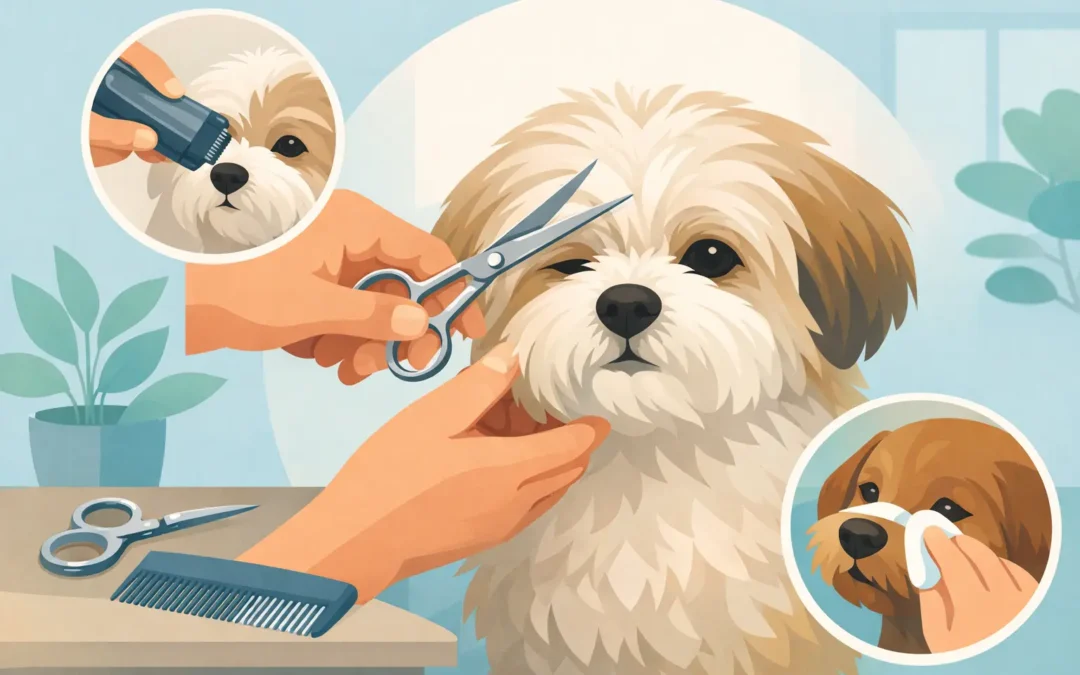
A fresh face trim does more than make your dog look adorable in photos. It keeps hair out of their eyes, helps prevent food and moisture from lingering around the mouth, and lets them move through the day more comfortably. Learning how to maintain dog face trim at home helps preserve that clean, bright look between grooming appointments without turning your bathroom into a stressful salon.
The goal is not to recreate a professional groom at home. A polished facial trim takes trained hands, the right tools, and an understanding of each dog’s coat, face shape, and comfort level. Your role is simply to provide gentle touch-ups and daily care that keep your pet feeling pampered until their next visit.
Start With a Gentle Daily Face Check
A quick look at your dog’s face each day can prevent small tangles and stains from becoming uncomfortable problems. Check the hair around the eyes, corners of the mouth, chin, and beard area. Dogs with curly, wiry, or longer coats often need a little more attention, especially after meals, walks, and playtime.
Use a clean, soft, damp cloth or pet-safe facial wipe to remove food crumbs, dried saliva, or tear residue. Wipe in the direction of hair growth and keep products well away from the eyes and nostrils. The skin around the face is delicate, so a gentle touch matters more than a vigorous scrub.
If your dog has a white or light-colored coat, you may notice staining beneath the eyes or around the mouth more easily. Staining can have several causes, including tears, saliva, diet, and facial structure. Daily cleaning can improve the appearance, but persistent irritation, odor, discharge, or redness deserves a conversation with your veterinarian.
Brush the Face Before Mats Form
Mats can form quickly around a dog’s eyes, ears, cheeks, and beard. They may look minor at first, but they pull on the skin and can make grooming painful. A brief face brush every few days is often enough for smooth or short coats. Curly-coated breeds and dogs with fuller furnishings may benefit from daily brushing.
Choose a small, soft slicker brush or a fine-toothed metal comb designed for pets. Work slowly in tiny sections, beginning at the ends of the hair and moving toward the skin. Hold the hair gently near the base as you comb so you do not tug at your dog’s face.
Pay close attention to the hair under the chin and along the jawline, where moisture from drinking and eating can create tangles. For dogs with beards, a quick comb after meals keeps crumbs from settling in and helps the beard stay light and soft rather than sticky or matted.
Keep Eye Hair Clear, Not Shorter Than Necessary
Hair falling into the eyes can lead to squinting, rubbing, and irritation. If you see a few strands drifting forward, brush them back into place first. Sometimes the hair only needs to be dried and combed after a bath rather than cut.
Avoid using scissors close to your dog’s eyes, particularly if they wiggle, blink, or become nervous around grooming tools. Even a calm dog can move suddenly. If eye hair is repeatedly blocking their vision, a professional face trim is the kindest option. A groomer can shape the area carefully while keeping your pet’s safety and comfort at the center of the experience.
Use Scissors Only for Very Simple Touch-Ups
There is a meaningful difference between snipping a stray beard hair and reshaping an entire face. At-home trimming should stay on the conservative side. If you feel unsure, stop. A slightly fluffy face is always better than a rushed trim that leaves uneven patches or puts your dog at risk.
When a simple touch-up is appropriate, use rounded-tip pet grooming scissors, good lighting, and a calm surface where your dog feels secure. Have treats ready, keep the session brief, and make only one or two small snips at a time. Never trim toward the eyes, lips, or skin. Comb the hair away from the face first, then trim only the ends that clearly extend beyond the desired shape.
Skip scissors altogether if your dog is restless, fearful, newly adopted, elderly, or sensitive to handling around the face. Some pets need gradual confidence-building before they can tolerate facial grooming. That is not bad behavior. It is valuable information about how they need to be cared for.
Make Mealtime Part of Face-Trim Maintenance
A neat face trim can lose its polished look quickly when food and water collect around the muzzle. This is especially common for dogs with beards, short noses, or deep facial folds. A quick wipe after meals and a fresh-water check after drinking can make a noticeable difference.
For dogs with fuller facial hair, consider offering water in a bowl that keeps the beard from soaking as deeply. The best choice depends on your dog’s muzzle shape and drinking habits, so watch what actually works for them rather than forcing a one-size-fits-all routine. Dry the beard gently afterward, then run a comb through it once it is no longer damp.
Facial folds need special attention. Clean them with a pet-safe product recommended for your dog, and dry them thoroughly. Moisture trapped in folds can contribute to odor and skin discomfort. If you notice recurring redness, itching, or a sour smell, schedule veterinary guidance rather than trying stronger products at home.
Build Comfort Around Face Handling
The easiest way to maintain a dog face trim is to help your dog feel safe with the process. Practice when everyone is relaxed, not when you are rushing out the door or your dog is already tired of being handled. Start by gently touching the cheeks, lifting the chin for a second, and rewarding calm behavior with praise or a tiny treat.
Over several short sessions, introduce the brush and comb without immediately using them. Let your dog sniff the tool, then make one easy stroke and reward them. This patient approach helps grooming feel predictable rather than intrusive. It also makes professional appointments more pleasant because your dog learns that face care can be calm, brief, and reassuring.
Know When It Is Time for a Professional Face Trim
Home maintenance protects the shape of a groom, but it cannot replace a full facial service. Most dogs benefit from a professional face trim every few weeks, though the ideal timing depends on coat growth, lifestyle, and the style you prefer. A Poodle or Doodle may need more frequent visits than a short-coated dog with only light feathering around the muzzle.
Book sooner if your dog’s hair is covering their eyes, mats are forming near the mouth or ears, the beard stays damp or stained despite regular cleaning, or their face has lost its balanced shape. These are comfort concerns as much as appearance concerns.
At Jolis Grooming, a face trim is approached as personalized care, not a quick cosmetic add-on. A gentle professional can assess your dog’s coat, work around their individual sensitivities, and create a clean, soft finish that suits their features. Regular appointments also make it easier to catch developing matting or skin concerns before they become more uncomfortable.
A Small Routine That Keeps Them Feeling Their Best
The best maintenance plan is one you can repeat with patience: wipe away daily mess, brush before tangles tighten, and leave detailed shaping to a trusted groomer. Your dog does not need perfection at home. They need kind handling, a clear view, a clean muzzle, and the comfort of knowing that grooming time is another moment of care shared with you.
by | Aug 16, 2026 | Uncategorized
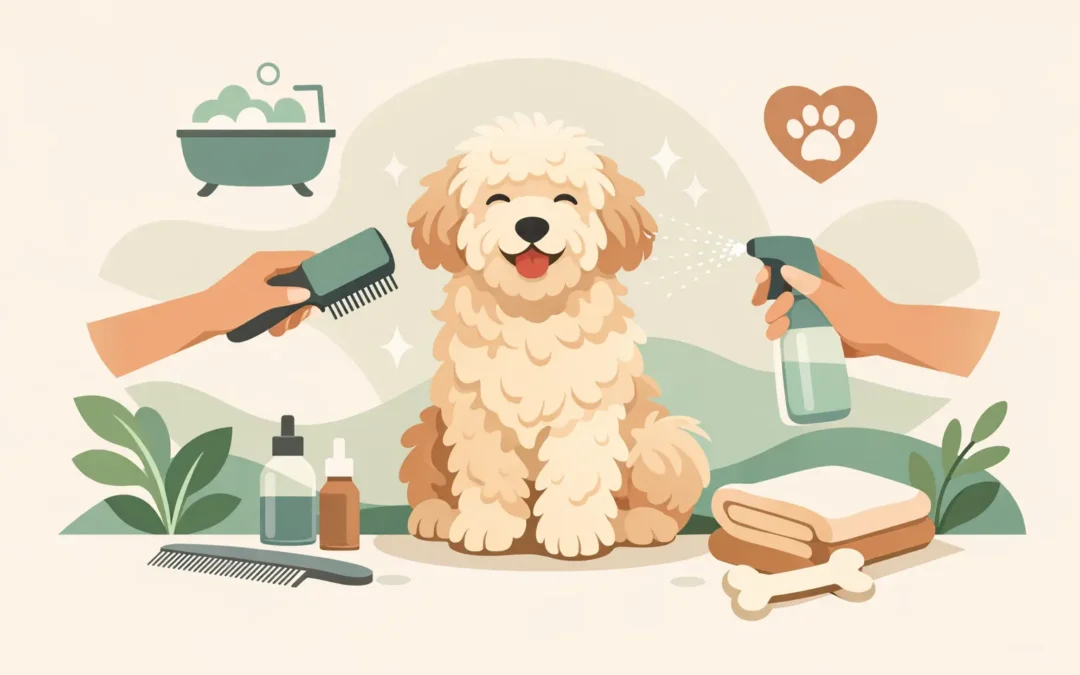
That soft, teddy-bear Doodle coat is one of the reasons families fall in love with these dogs. It can also tangle faster than many pet parents expect. A mat free doodle coat routine is not about chasing a perfectly styled look every day. It is about protecting your dog’s comfort, keeping air moving around the skin, and making each grooming visit feel more relaxing.
For busy families in Longwood and throughout Central Florida, the most successful routine is usually simple, consistent, and kind. A few calm minutes of coat care several times a week can make a remarkable difference in how your Doodle feels between appointments.
Why Doodle Mats Need Gentle Attention
Doodle coats are wonderfully varied. Some are loose and wavy, while others are dense, curly, or closer to a Poodle texture. Most have one thing in common: shed hair often stays caught in the coat instead of falling away. Add moisture, Florida humidity, playtime, harness friction, and everyday cuddles, and small tangles can tighten into mats.
Mats are more than a cosmetic concern. As they pull on the skin, they can make brushing, walking, lying down, and being touched uncomfortable. Dense matting can also trap dampness and debris close to the skin. A dog who suddenly avoids being brushed is not being difficult. They may be telling you that a spot is tender.
The good news is that consistent, gentle maintenance is far easier on your pet than trying to work through a heavily tangled coat later. Your goal is comfort first, with that beautiful fluffy finish as a happy bonus.
Your Mat Free Doodle Coat Routine at Home
A realistic schedule depends on coat length, curl pattern, activity level, and how much your Doodle enjoys the outdoors. A short, closely maintained trim may need a thorough brush two or three times a week. A longer, fuller coat often benefits from light attention every day and a more complete brush-out a few times weekly.
Choose a quiet time when your dog is already relaxed. After dinner, during a calm afternoon, or after a short walk can work well. Bring a few small treats, use a soothing voice, and keep the first sessions brief. The experience should feel like loving attention, not a wrestling match.
Start With the Places That Mat First
You do not need to tackle the entire coat in one sitting every time. Begin with the high-friction areas where tangles tend to form: behind the ears, under the collar, at the armpits, along the chest, beneath the harness, around the tail, and between the back legs.
Run your hands gently over these areas before you brush. If you feel a small knot, hold the hair near the skin with one hand while you carefully work through the outer edges with the other. This helps prevent pulling. Never yank a brush through a tangle or pull a mat apart with force.
If you cannot easily separate the hair with your fingers and gentle brushing, pause. Tight mats are uncomfortable and can sit very close to the skin, where scissors can be dangerous. This is the moment to let a professional groomer assess the coat and choose the safest path forward.
Use a Line-Brushing Technique
A quick pass over the top of the fur may make a coat look smooth while tangles quietly build beneath it. Line brushing reaches the layers where mats begin.
Starting near the feet, lift a small section of hair and brush downward in short, gentle strokes. Move up the leg or body one narrow section at a time. A slicker brush can help open the coat, while a metal comb is useful for checking your work. If the comb glides from skin to the ends of the hair without catching, that section is truly brushed through.
Work slowly and praise generously. If your dog becomes restless, finish one area well and return to the rest later. Five peaceful minutes are more valuable than fifteen stressful ones.
Keep Bath Time From Creating Tangles
Baths feel refreshing, but water can tighten existing tangles. Always brush and comb your Doodle before a bath whenever possible. Once the coat is wet, massage shampoo through the hair in the direction it grows rather than scrubbing in circles. Rinse thoroughly, then use conditioner suited to your dog’s coat and skin needs.
Drying matters, too. Blot the coat with a towel instead of rubbing it vigorously. If you use a pet-safe dryer, keep the airflow comfortable and brush in small sections as the coat dries. Leaving a thick Doodle coat damp can encourage new tangles, especially around the ears, legs, and belly.
If home bathing feels like more work than comfort for your pup, a professional bath and fluff treatment can be a wonderful reset. It gives the coat a clean start while giving your dog gentle, attentive care.
The Grooming Schedule That Supports a Healthy Coat
Home care and professional grooming work best as a team. Many Doodles do well on a four-to-eight-week grooming schedule, but the ideal timing depends on how long you prefer the coat, how quickly it mats, and your dog’s lifestyle. A swimming-loving, adventure-ready Doodle with a longer coat may need more frequent attention than a dog kept in a shorter practical trim.
Regular appointments allow a groomer to clean and refresh the coat before tangles become painful. They also provide a chance to care for nails, paws, face furnishings, and the areas that are easy to miss at home. For dogs who dislike brushing, consistent appointments can prevent grooming from becoming an overwhelming experience.
At Jolis Grooming, every pet deserves individualized attention, especially when coat texture, temperament, and comfort needs vary from one Doodle to the next. Sharing what you notice at home, such as sensitivity behind the ears or a harness that rubs, helps create a more personalized grooming experience.
Consider the Length You Can Maintain
The longer the coat, the more daily care it asks of you. There is no shame in choosing a shorter trim if your schedule is full, your Doodle loves mud puddles, or brushing has become a source of stress at home. A shorter coat can still look soft, polished, and absolutely adorable while making mat prevention much more manageable.
A longer teddy-bear style can be a beautiful choice for families who enjoy regular brushing and can stay on a dependable grooming rhythm. Neither option is better in every situation. The right style is the one that keeps your pet comfortable and fits naturally into your family’s life.
Signs It Is Time to Call a Groomer
It is wise to schedule professional help when you find tight knots close to the skin, notice a sour smell or dampness trapped in the coat, see redness, or hear your dog protest when a certain area is touched. A coat that has begun to felt together needs professional handling, not more pressure at home.
Sometimes the kindest solution is a shorter reset trim. While it can be disappointing to lose length, removing severe matting can provide immediate relief and gives you a fresh, healthy starting point. Hair grows back. Comfort should never have to wait.
Make Coat Care Part of the Bond
The best routine is not the most complicated one. It is the one your family can repeat with patience. Keep grooming tools somewhere easy to reach, reward calm cooperation, and look over the coat after rainy walks, backyard play, and harness-heavy days.
Over time, these small check-ins become familiar moments of trust. Your Doodle learns that being handled can be safe and soothing, and you gain the peace of mind that comes from knowing their soft coat feels as good as it looks. A little consistent care now gives your companion more freedom to run, cuddle, play, and simply enjoy being your beloved dog.
by | Aug 14, 2026 | Uncategorized
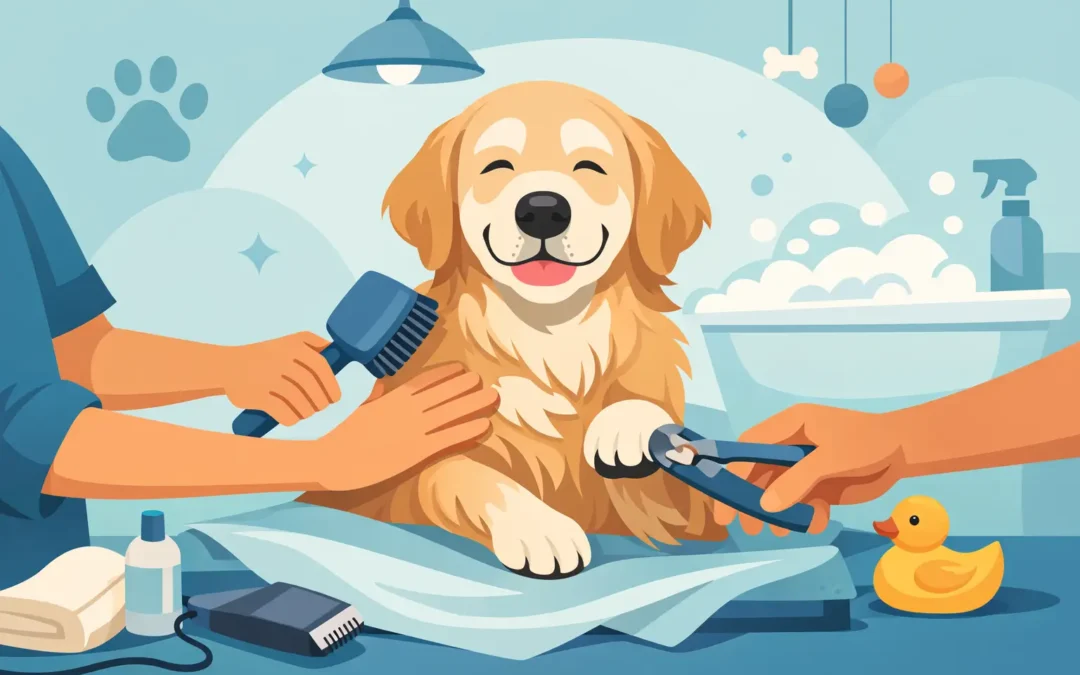
A once-easy grooming day can feel very different for an older dog. Stiff joints, thinning skin, reduced hearing, or a little extra anxiety can turn standing in a tub or having paws handled into a tiring experience. The best senior dog grooming comfort tips begin with a simple promise: your dog does not have to rush, endure discomfort, or act brave to receive the care they deserve.
As dogs age, grooming remains part of their health and happiness. A clean coat, trimmed nails, comfortable paws, and a clear view around the eyes can make daily life feel better. The difference is in how that care is delivered. Thoughtful pacing and gentle, individualized attention help senior pets feel safe from the moment they arrive until they head home.
Senior Dog Grooming Comfort Tips That Make a Difference
Senior grooming is not about making a dog look younger. It is about preserving the comfort, dignity, and polished feeling that lets them enjoy their golden years. What works best depends on your pet’s mobility, coat type, medical history, and temperament, but a few comfort-first practices are especially helpful.
Schedule around your dog’s best time of day
Many senior dogs are more comfortable after they have had time to wake up, stretch, eat, and take a relaxed potty break. Others have their brightest, calmest moments earlier in the day before fatigue sets in. Consider when your dog is usually most settled at home, then choose an appointment time that supports that rhythm.
Try to avoid adding unnecessary excitement before the visit. A quiet car ride, a familiar blanket, and a few calm minutes before entering can set a gentler tone than a rushed arrival after a busy outing. If your dog takes medication, follow your veterinarian’s guidance and let the groomer know about any timing considerations that may affect their comfort.
Share the changes you see at home
You know your dog better than anyone. Mention if they hesitate on stairs, dislike having one leg lifted, startle when approached from behind, have trouble hearing, or seem sensitive around a particular area. Even small details help a groomer adapt handling, positioning, and the pace of the appointment.
Let the grooming team know about diagnosed arthritis, skin conditions, vision changes, lumps, dental sensitivity, or past injuries. This is not about making the appointment complicated. It is about creating a more personalized experience, so your dog is not asked to move or stand in ways that leave them sore or frightened.
A professional groomer can work with the information you provide, but grooming should never replace veterinary care. If your dog suddenly reacts to touch, develops a new odor, has irritated skin, or seems unusually painful, a veterinary check is the right next step before scheduling cosmetic services.
Keep the appointment calm and unhurried
Older pets often need more breaks. A slower pace allows time to shift positions, sit down, drink water, and reset after a noisy dryer or a period of brushing. A shorter, more focused visit may be kinder than trying to complete every possible service in one long session.
There is a trade-off here: maintaining a manageable coat at home and booking regular appointments can reduce the need for lengthy, intensive grooming later. Mats, packed undercoat, and overgrown nails can be uncomfortable to address, especially for a dog with tender skin or limited mobility. Gentle maintenance is usually far easier on a senior dog than an occasional major makeover.
Make standing and bathing easier on aging joints
Slippery surfaces and long periods of standing can be especially challenging for older dogs. Secure footing, supportive handling, and frequent opportunities to change position can help a pet feel more stable. Some dogs are most comfortable with a quick bath and careful towel drying, while others tolerate a low-heat, low-noise drying process when it is introduced patiently.
Warm water can feel soothing, but it should never be too hot, especially for dogs with sensitive skin. Pet-safe shampoos and conditioners should be chosen with the coat and skin in mind. A senior with dry, flaky skin may need a different approach than a dog with a dense coat that needs regular deshedding.
At home, place non-slip mats near areas where your dog is brushed, bathed, or towel-dried. If they are no longer comfortable jumping into the car, a ramp or steady assistance can make the trip to their grooming visit feel much less demanding.
Give sensitive areas extra patience
Paws, nails, ears, faces, and rear areas often become more sensitive with age. Overgrown nails can change how a dog bears weight, while excess hair around the eyes may make it harder for a senior with declining vision to navigate confidently. Gentle face trims and regular paw care can improve comfort without asking too much of your pet at once.
Teeth cleaning can also be a welcome part of a polished grooming routine, but senior mouths can be tender. A groomer should know if your dog has dental disease, loose teeth, or discomfort around the muzzle. Visible tartar, bleeding gums, persistent bad breath, or trouble eating deserve veterinary attention rather than a cosmetic solution.
For dogs with long or curly coats, keep an eye on friction-prone spots such as behind the ears, under the collar, in the armpits, and around the hindquarters. Regular, gentle brushing prevents painful pulling and gives you a chance to notice changes in the skin or coat early.
Use familiar cues and calm reassurance
A dog who cannot hear as well may be startled by unexpected touch. Approach where they can see you, use a soft visual cue, and offer a reassuring hand before handling them. A dog with reduced vision benefits from the same courtesy: speak gently, move predictably, and avoid sudden changes in position.
You can help by practicing small grooming moments at home. Briefly touch a paw, reward calm behavior, then stop. Brush for a minute or two, praise your dog, and let them rest. These positive, low-pressure sessions build trust far better than trying to force a full grooming routine when your pet is already uncomfortable.
A familiar scent can be comforting, too. Ask whether it is appropriate to bring a small blanket or towel from home. The right choice depends on the salon’s policies and your dog’s habits, but familiar items can help some seniors settle more easily in a new environment.
Choosing a Comfort-First Grooming Experience
Not every senior dog needs the same grooming schedule or package. A short-haired dog may need regular baths, nail and paw attention, and a light brush-out. A long-coated companion may benefit from more frequent maintenance to prevent tangles and keep their skin comfortable. Dogs with mobility concerns may do best with simpler appointments spaced closer together rather than one extensive session.
The most valuable thing a pet parent can choose is a groomer who listens. Look for a welcoming environment where your dog’s needs are discussed before services begin, not treated as an afterthought. A comfort-first professional will be honest about what your dog can reasonably tolerate that day and may recommend breaking services into smaller visits when needed.
At Jolis Grooming, every appointment is an opportunity to make your pet feel cared for, not hurried. Gentle handling, pet-safe products, and thoughtful attention to each dog’s comfort can help senior companions leave looking refreshed and feeling more like themselves.
Between-Appointments Care for Senior Dogs
A little home care can make grooming visits easier and more pleasant. Check nails regularly, brush lightly before tangles build, wipe paws after messy walks, and keep the hair around the eyes clear enough for comfortable vision. Small routines are often easier for senior dogs than waiting until a problem becomes difficult to manage.
Watch for changes in behavior during these moments. A dog who used to enjoy brushing but now pulls away may be communicating pain, skin irritation, or anxiety. Respect that message. Pause, stay gentle, and ask your veterinarian or grooming professional for guidance that fits your pet’s individual needs.
Your senior dog has spent years offering steady companionship, joyful greetings, and a place in the heart of your home. Giving them a calm, comfortable grooming routine is one tender way to return that devotion, helping them feel clean, confident, and deeply cared for at every age.
by | Aug 12, 2026 | Uncategorized
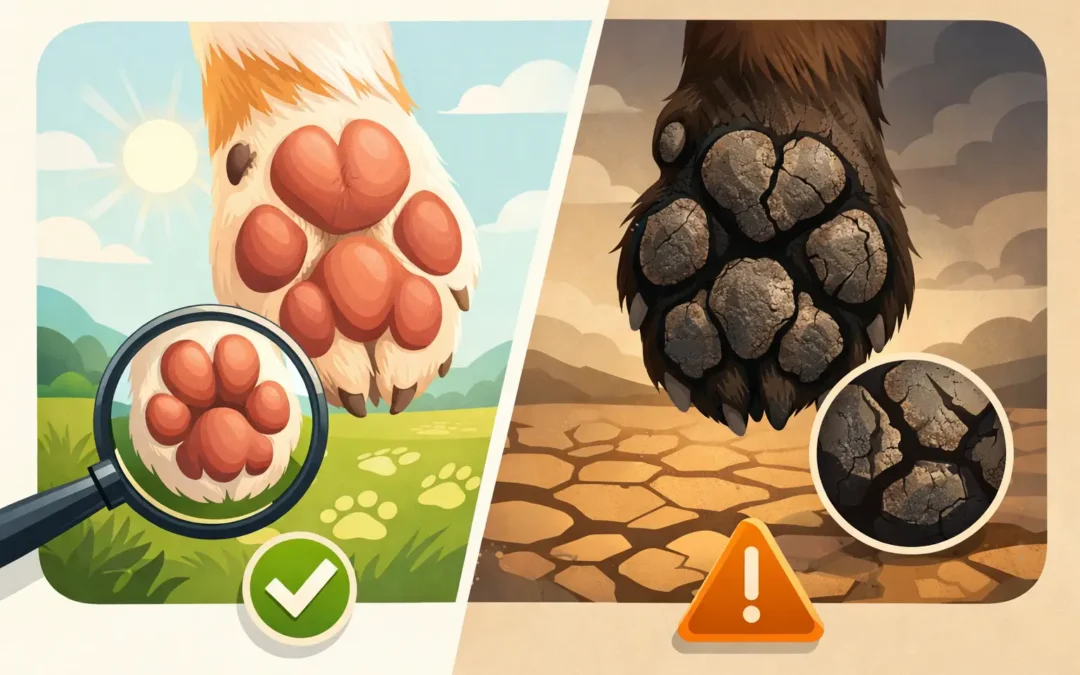
A paw print on the floor may look sweet, but the pads behind it do serious work. If you have been wondering, why are dog paws rough, the short answer is that a little texture is usually completely normal. Paw pads are built to protect your dog from sidewalks, grass, sand, and every joyful lap around the neighborhood.
Still, there is a difference between naturally sturdy paws and pads that are painfully dry, cracked, or irritated. A quick, gentle look at your dog’s feet can help you spot when they simply need routine pampering and when they may need veterinary attention.
Why Are Dog Paws Rough in the First Place?
Dog paw pads have a naturally thick outer layer of skin called keratin. It is similar to the tough skin that forms on the soles of our feet, only your dog relies on it much more often. This protective surface gives them traction, cushions each step, and helps shield the sensitive tissue underneath from everyday wear.
A healthy paw pad often feels firm, slightly pebbled, and a bit dry compared with the softer skin on your dog’s belly. Some dogs have naturally rougher pads than others. A large, active dog who spends plenty of time walking on pavement may have thicker, more textured pads than a small dog who mostly walks on soft indoor flooring.
Florida’s warm weather can also play a role. Hot sidewalks, pool decks, sandy paths, and rough outdoor surfaces may gradually make pads feel tougher. That does not automatically mean something is wrong. It simply means those paws are doing the job they were designed to do.
When Rough Paw Pads Are Normal
A dog’s paws are usually in good shape when the pads are evenly textured, free from deep cracks, and not causing discomfort. Your dog should be happy to walk, run, and let you touch their feet without pulling away or showing signs of pain.
It is also common for pads to become mildly rougher during periods of increased activity. A family beach day, a new walking routine, or lots of playtime in the backyard can all leave their mark. In these cases, gentle maintenance and a little recovery time are often enough to keep paws comfortable.
Dogs with furry feet deserve an extra look between the toes. Hair can hold onto dirt, moisture, small bits of grass, and debris. Keeping that area clean and neatly trimmed supports comfort and makes it easier for pet parents to notice changes in the skin or pads.
Signs Your Dog’s Rough Paws Need More Attention
Roughness becomes a concern when it is paired with visible damage or a change in your dog’s behavior. Dry, flaky pads can progress to splits or painful cracks, especially after repeated exposure to heat, harsh surfaces, or drying products.
Watch for limping, licking or chewing at the feet, redness between the toes, bleeding, swelling, an unusual odor, or a reluctance to walk. A pad that looks pale, raw, deeply cracked, or unusually thick in one area deserves closer attention. Sudden changes are particularly worth taking seriously.
Allergies can sometimes show up in a dog’s paws first. Dogs may lick and chew their feet after walks because pollen, lawn treatments, or other environmental irritants are bothering their skin. Yeast or bacterial infections, parasites, injuries, and certain skin conditions can also cause discomfort that looks like ordinary dryness at first glance.
If your dog is in pain, has an open wound, or continues licking their paws despite gentle home care, call your veterinarian. Grooming supports healthy maintenance, but a veterinarian is the right partner for diagnosing infection, allergies, or medical skin concerns.
Common Reasons Paw Pads Become Dry and Cracked
Paw pads can lose moisture for several reasons, and often it is a combination rather than one single cause. Frequent walks on hot pavement or abrasive concrete can wear down the surface. During Central Florida summers, a surface that feels merely warm to a hand can be much hotter against a dog’s pads. If you cannot comfortably hold the back of your hand on the pavement for several seconds, it is safer to choose grass, shade, or a cooler time of day.
Dry air indoors, frequent bathing with unsuitable products, and contact with cleaning chemicals can also leave paws feeling less supple. Even a dog who loves splashing in puddles can develop dry pads afterward if moisture, shampoo residue, or debris remains trapped between the toes.
Age and lifestyle matter, too. Senior dogs may have more fragile skin, while highly active dogs can develop thicker calluses from regular impact. Neither situation calls for aggressive smoothing. The goal is comfortable, protected pads, not perfectly soft feet.
Gentle Paw Care That Makes a Difference
A thoughtful paw routine is one of the simplest ways to make your dog feel cared for from nose to tail. Start by checking their paws after walks, particularly after time on hot pavement, at the park, or near treated lawns. Wipe away dirt and gently dry between the toes so moisture does not linger.
Use only products formulated for dogs. Human lotions, essential oils, and heavily fragranced creams can be irritating, and many are unsafe if licked. A pet-safe paw balm may help restore moisture to dry but intact pads. Apply a small amount, allow it to absorb, and offer a calm distraction afterward if your dog is tempted to lick it right away.
Regular nail care matters just as much as moisturizing. Overgrown nails can change the way a dog places their feet, putting extra pressure on the pads and toes. Keeping nails at a comfortable length helps support a more natural gait and makes everyday walks feel better.
At home, avoid trying to shave down calluses, cut cracked pads, or pull out deeply embedded debris. A tiny splinter that is easy to see may be one thing, but anything lodged deeply, bleeding, or causing obvious pain should be assessed by a veterinary professional.
Professional Grooming Supports Healthy, Happy Feet
Paw care can be easy to overlook until a dog starts fussing with their feet. Professional grooming gives those small but meaningful details the attention they deserve. During a comfort-focused appointment, paw areas can be cleaned, fur between the pads can be neatly maintained when appropriate, and nails can be cared for with a gentle touch.
For dogs who are sensitive about having their feet handled, a patient grooming experience can also build trust over time. Slow, calm handling helps many pets become more comfortable with routine paw checks and nail care. That is especially valuable for busy pet parents who want their dog looking polished while also feeling relaxed and cared for.
At Jolis Grooming, paw and nail treatment is approached as part of the whole-pet experience. A fresh bath, soft brushing, tidy feet, and attentive handling can leave a dog feeling lighter, cleaner, and ready to put their best paw forward.
A Simple Paw Check for Pet Parents
Make a habit of looking at your dog’s paws once a week, or more often if they are active outdoors. Lift each foot gently and check the pad surface, nails, and spaces between the toes. You are looking for changes, not chasing perfection.
Healthy paws may be rough, but they should not look painful. Notice whether the texture is even, whether your dog reacts when you touch a certain spot, and whether there is trapped debris or excess fur. These quiet moments of care are also a lovely way to strengthen the trust between you and your pet.
Your dog’s paws carry them to every cuddle, every car ride, and every happy greeting at the door. Giving those hardworking pads a little regular attention helps keep each step comfortable, confident, and full of tail-wagging possibility.
