
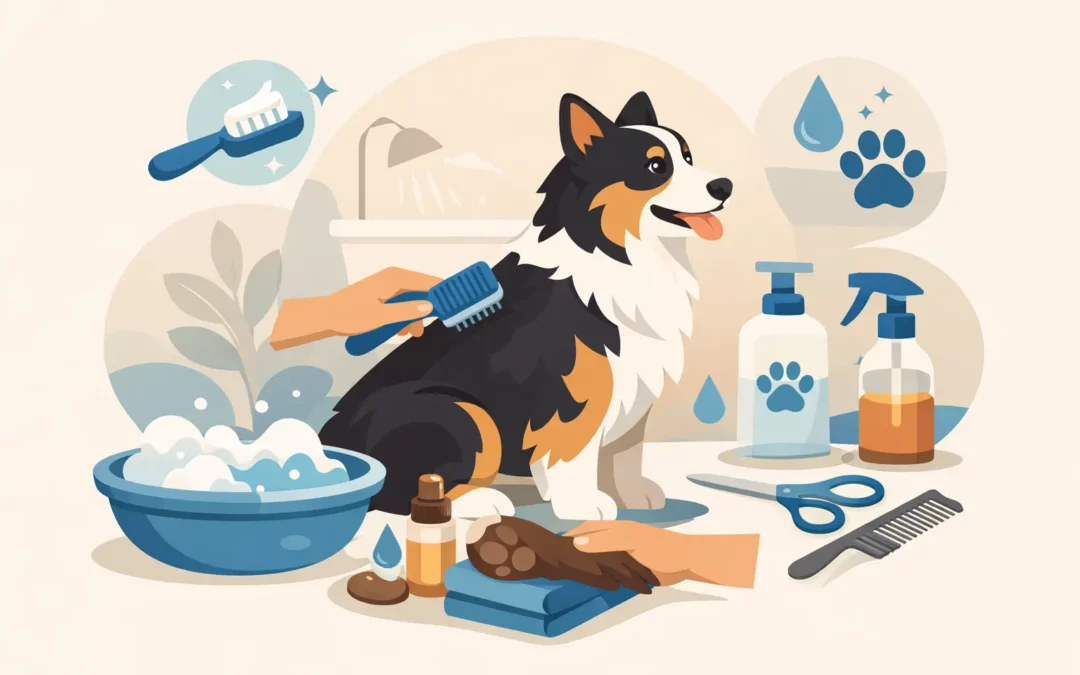
That dull patch on your dog’s back, the tangles behind the ears, the extra fur collecting on your sofa – those small signs usually mean coat care has slipped from simple upkeep into something your dog can actually feel. A good guide to dog coat maintenance is not just about looks. It is about comfort, cleanliness, skin health, and helping your pet feel calm and cared for every day.
For many pet parents, coat care becomes frustrating when they are trying to do the right thing but are not sure what their dog actually needs. A fluffy doodle, a sleek boxer, and a double-coated shepherd all require very different care. The best routine is rarely the most complicated one. It is the one that fits your dog’s coat type, lifestyle, and tolerance for grooming while keeping visits positive and stress-free.
Why a guide to dog coat maintenance matters
A healthy coat does more than make your dog look polished. It helps regulate body temperature, protects the skin, and gives you early clues about irritation, dryness, parasites, or allergies. When a coat is not properly maintained, mats can pull at the skin, trapped moisture can lead to odor and irritation, and loose undercoat can build up faster than most owners expect.
There is also the comfort factor. Dogs may not tell you when a knot under the collar is tugging or when packed fur between the paw pads is making each step less comfortable. Regular maintenance helps avoid those issues before they become a bigger problem. For pet owners, that often means less shedding around the house, fewer unpleasant surprises, and a dog that feels softer, cleaner, and happier to cuddle.
Start with your dog’s coat type
The biggest mistake owners make is assuming all brushing and bathing routines are basically the same. They are not. Coat type changes everything, from how often you brush to how often your dog should see a professional groomer.
Short-coated dogs often seem low-maintenance, but they still benefit from regular brushing. It helps remove loose hair, distribute natural oils, and keep the coat looking smooth and glossy. Breeds with short coats may not mat easily, but they can still develop dry skin, excess shedding, and buildup if grooming is skipped for too long.
Medium and long-coated dogs need more frequent attention because tangles form quickly in friction areas like the ears, chest, tail, armpits, and hindquarters. If left alone, soft tangles can tighten into mats that are uncomfortable and difficult to remove without trimming.
Curly and continuously growing coats, common in poodles and doodle mixes, usually need the most consistent care. These coats can hide knots close to the skin even when the surface looks fluffy and neat. They often need both at-home brushing and routine professional grooming to stay manageable.
Double-coated breeds such as huskies, shepherds, and golden retrievers have a dense undercoat that sheds seasonally and can become packed if not thoroughly brushed. These dogs need de-shedding and proper coat maintenance, but they also need care that respects the coat’s natural function. In many cases, heavy shaving is not the right answer.
Brushing is the foundation of coat care
If there is one habit that makes the biggest difference, it is brushing. Regular brushing keeps fur from matting, lifts away dirt and loose coat, and allows you to check for bumps, redness, dry patches, or anything unusual. It also gives your dog a chance to become comfortable with touch, which makes every future grooming appointment easier.
How often you brush depends on the coat. A short-coated dog may do well with a quick session once or twice a week. A long or curly coat may need attention several times a week, sometimes even daily in problem areas. The key is consistency. Ten calm minutes on a routine schedule is usually better than waiting until the coat is tangled and your dog is already uncomfortable.
Technique matters too. Fast brushing over the top layer can make the coat look tidy while leaving hidden knots underneath. Gentle section-by-section brushing is more effective, especially in thicker coats. If your dog dislikes brushing, shorter sessions with praise and patience usually work better than trying to finish everything at once.
Bathing should help the coat, not strip it
A clean coat feels wonderful, but bathing too often or with the wrong products can leave skin dry and irritated. Most dogs do best on a bathing schedule based on coat type, activity level, and skin sensitivity. A dog who spends weekends rolling in the yard may need more frequent baths than a mostly indoor senior with sensitive skin.
Pet-safe shampoo matters. Human products can disrupt the skin’s balance, and harsh cleansers may leave the coat rough instead of soft. A proper bath should cleanse the coat, support skin health, and leave your dog smelling fresh without overpowering fragrance.
Drying is just as important as washing. Damp fur trapped close to the skin can create odor and irritation, especially in dense or long coats. Thorough drying, followed by brushing, helps the coat settle properly and reduces the chance of tangles forming right after bath time.
Trims, tidy-ups, and when professional grooming helps
Not every dog needs a full haircut, but many benefit from regular trimming around the face, feet, sanitary areas, and paws. These small details can make a big difference in cleanliness and comfort. Hair around the eyes can affect visibility. Fur around the paws can collect dirt and make footing less secure. Overgrown areas around the rear can quickly become messy.
This is where professional grooming becomes especially valuable. Some coats need shaping, hand-scissoring, de-matting, or fluff drying that is difficult to replicate at home. More importantly, professional care can make grooming gentler and safer for dogs who are anxious, wiggly, elderly, or prone to matting.
A comfort-first salon experience matters. Dogs respond to calm handling, pet-safe products, and a pace that respects their stress level. For many families, regular appointments are less about vanity and more about keeping coat care manageable without turning it into a battle at home. At Jolis Grooming, that personalized approach is part of what helps pets leave looking polished and feeling genuinely cared for.
Seasonal changes affect coat maintenance
Florida pet owners often notice that coat care needs shift with the weather, activity, and humidity. Warm, humid months can make coats feel heavier and more prone to odor, while outdoor play means more dirt, debris, and tangles. Seasonal shedding can also turn a manageable coat into one that suddenly needs far more brushing than usual.
This is one of those areas where it depends. Some dogs need more frequent baths in summer but not more trimming. Others benefit from de-shedding during seasonal coat changes rather than a shorter haircut. The goal is to support the coat’s natural health, not simply remove as much fur as possible.
Signs your dog’s coat routine needs attention
Sometimes the problem is obvious, like mats or excess shedding. Other times, the clues are subtle. A coat that feels greasy, brittle, or unusually dry may need a different grooming schedule or better products. Persistent scratching, odor, flakes, or redness can point to skin concerns that deserve closer attention.
Behavior can be a clue too. If your dog pulls away when touched in certain spots, seems restless after walks, or suddenly resists brushing, there may be hidden tangles or irritation. Grooming should support your dog’s well-being, not become a source of discomfort. When something changes, it is worth paying attention.
Building a routine that feels realistic
The best guide to dog coat maintenance is one your household can actually follow. That may mean a quick brushing routine after evening walks, a bath every few weeks, and scheduled grooming appointments to handle the more detailed work. It does not have to be perfect to be effective.
Try to think in terms of rhythm instead of rescue. When grooming only happens once the coat is already matted or unruly, the experience is harder for everyone. When care is built into your dog’s normal routine, it stays gentler, easier, and far more comfortable.
Your dog’s coat tells a story about how they feel. Soft, clean, well-kept fur is not just beautiful – it is a sign of comfort, attention, and loving care. And for the pets who trust us with every brush, bath, and trim, that kind of care is never a small thing.