
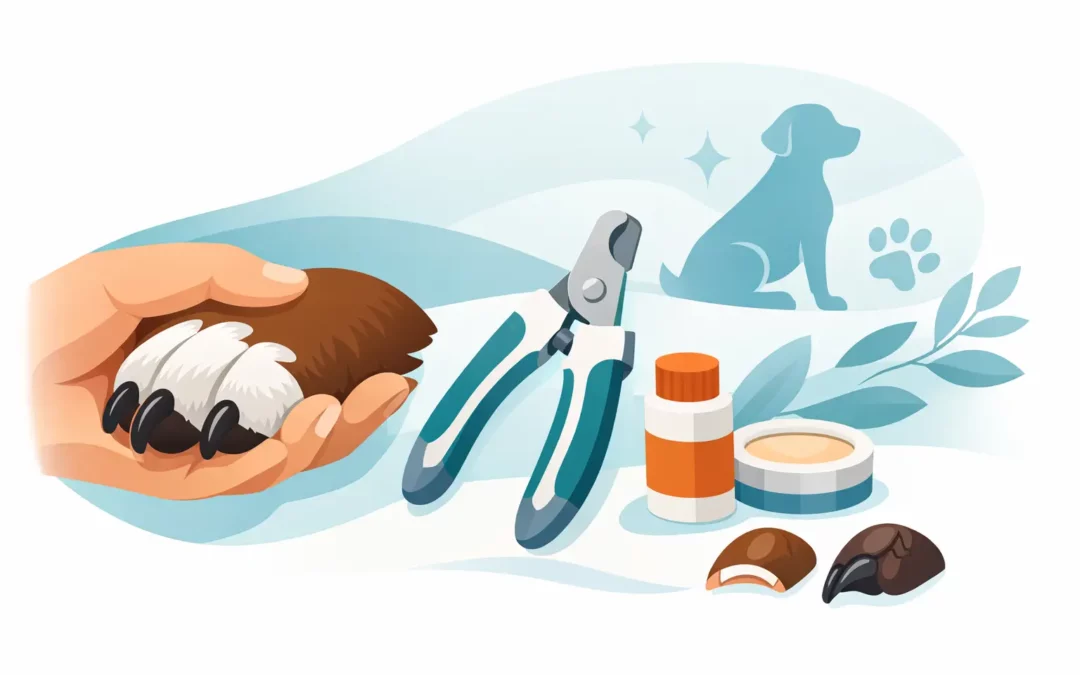
That familiar click-click across the kitchen floor may sound sweet at first, but it can be your dog’s quiet way of asking for a little paw care. This guide to dog nail maintenance is designed to help caring pet parents recognize when nails need attention, support comfortable movement, and make grooming feel less stressful for everyone involved.
Nail care is not simply a finishing touch for a polished look. When nails grow too long, they can change how a dog stands, walks, runs, and rests. A consistent, gentle routine protects those everyday moments – from excited greetings at the door to peaceful naps curled beside the family.
Why Healthy Nail Length Matters
A dog’s nails naturally wear down at different rates. Dogs who regularly walk on sidewalks may wear their nails more quickly than dogs who spend most of their time on grass, carpet, or soft indoor floors. Age, activity level, gait, breed, and even the shape of the paw can all affect how often a trim is needed.
When nails become overgrown, they may press against the floor and push the toes into an unnatural position. Over time, this can make walking uncomfortable and may contribute to sore paws, strained joints, or reduced confidence on slippery surfaces. Long nails can also snag on rugs, bedding, and upholstery, creating an unpleasant surprise for an already sensitive paw.
The dewclaws deserve special attention. These are the nails found higher on the inside of a dog’s front legs, and sometimes the rear legs. Because they often do not touch the ground, they do not wear down naturally. Left unchecked, a dewclaw can curl inward and become painful.
Signs Your Dog Is Due for a Nail Trim
The most obvious sign is the sound of nails tapping on hard floors. However, some dogs need a trim before the clicking starts. Look at your dog while they are standing comfortably. Nails ideally should sit close to the ground without forcing the toes upward or making the foot look splayed.
You may also notice your dog slipping more often, hesitating before jumping onto furniture, licking at a paw, or favoring one leg. These signs can have several causes, so they do not always point to nail length alone. Still, they are a good reason to inspect the paws and consider a professional grooming visit.
Check for nails that curve sharply, chips, splits, rough edges, redness between the toes, or pads that appear dry and irritated. A nail that is cracked, bleeding, loose, or painful to touch needs prompt attention. Avoid trying to solve a significant injury with a routine trim at home, especially if your dog pulls away, cries out, or will not bear weight on the paw.
A Guide to Dog Nail Maintenance at Home
For many families, the easiest approach is a combination of short at-home check-ins and regular professional care. Start by making paw handling an ordinary, rewarding part of the day. While your dog is relaxed, gently touch one paw, offer calm praise, and release it. Gradually hold each toe for a second or two. This small practice builds trust long before a nail tool appears.
Choose a quiet space with good lighting and a nonslip surface. Have treats ready, and keep the first sessions brief. The goal is not to finish every nail in one sitting. A dog who feels safe receiving two careful trims today may be far more comfortable completing the rest tomorrow.
Nail clippers and nail grinders can both work well, but the best tool depends on your dog. Clippers are quick and may suit dogs who tolerate brief handling. A grinder can create a smooth edge and allows you to remove a little length at a time, though some pets find the sound or vibration unsettling. Introduce either tool slowly: let your dog see it, hear it from a distance, and receive a reward for staying relaxed.
Work in Tiny Increments
Inside every nail is the quick, a sensitive area containing blood vessels and nerves. On light-colored nails, the quick is often visible as a pink center. On dark nails, it can be much harder to see. Rather than taking a large amount at once, remove a very small tip, then reassess the nail. If the freshly trimmed center begins to look darker, softer, or more oval, stop.
If you accidentally nick the quick, stay calm. Your dog will take emotional cues from you. Apply pet-safe styptic powder or cornstarch with gentle pressure to help stop minor bleeding, offer reassurance, and pause the session. If bleeding does not stop quickly or the toe seems injured, contact a veterinary professional.
Do Not Forget the Paw Itself
A lovely nail trim feels even better when the entire paw is clean and comfortable. Gently check between the toes for packed dirt, small burrs, or tangled hair. Keep paw fur tidy when needed so it does not trap moisture or make your dog slide on smooth floors. In Central Florida’s heat, pavement can be especially harsh, so inspect pads after walks and offer your companion cooler, gentler routes whenever possible.
Paw balm may help with dry pads for some dogs, but it is not a substitute for addressing soreness, burns, cuts, or persistent licking. Products should always be pet-safe, since dogs are likely to lick their feet.
How Often Should Nails Be Trimmed?
There is no single calendar rule that fits every dog. Many dogs benefit from a nail check every two to four weeks, while others may need more frequent touch-ups. The most reliable guide is your dog’s nail growth and comfort, not a date on the calendar.
Frequent, light trims can be especially helpful for long nails because the quick may gradually recede as the nail is shortened over time. Trying to restore overgrown nails to an ideal length in one session risks cutting into the quick and making future grooming more frightening. Patience is kinder and often more effective.
For puppies, senior dogs, and dogs with limited mobility, regular checks matter even more. Puppies are learning what grooming feels like, so positive early experiences can shape their comfort for years. Senior pets may have thicker, more brittle nails and less natural wear from exercise. Dogs with anxiety, arthritis, or previous grooming trauma may need extra breaks, softer handling, and the reassurance of an experienced groomer.
When Professional Nail and Paw Care Is the Kindest Choice
Home maintenance can be a wonderful bonding routine, but it is not the right fit for every pet parent or every dog. Dark nails, heavy coat growth around the feet, extreme squirming, and a history of fear can make trimming feel intimidating. There is no prize for pushing through a stressful session when your dog is telling you they need more support.
Professional groomers have the tools, lighting, handling skills, and practiced eye to care for nails efficiently while prioritizing comfort. A personalized nail and paw treatment can also include a close look at paw pads, dewclaws, and the condition of the feet, helping your dog leave feeling clean, light on their paws, and thoroughly cared for.
At Jolis Grooming, nail care is approached as part of a comfort-first grooming experience, never as a rushed add-on. Gentle handling and individualized attention help turn an essential task into a calmer moment of care for your cherished companion.
A well-timed nail trim can make the whole day feel better to your dog. Keep an eye on those paws, celebrate the small wins, and choose the level of support that helps your best friend feel safe, comfortable, and ready for every happy step ahead.