
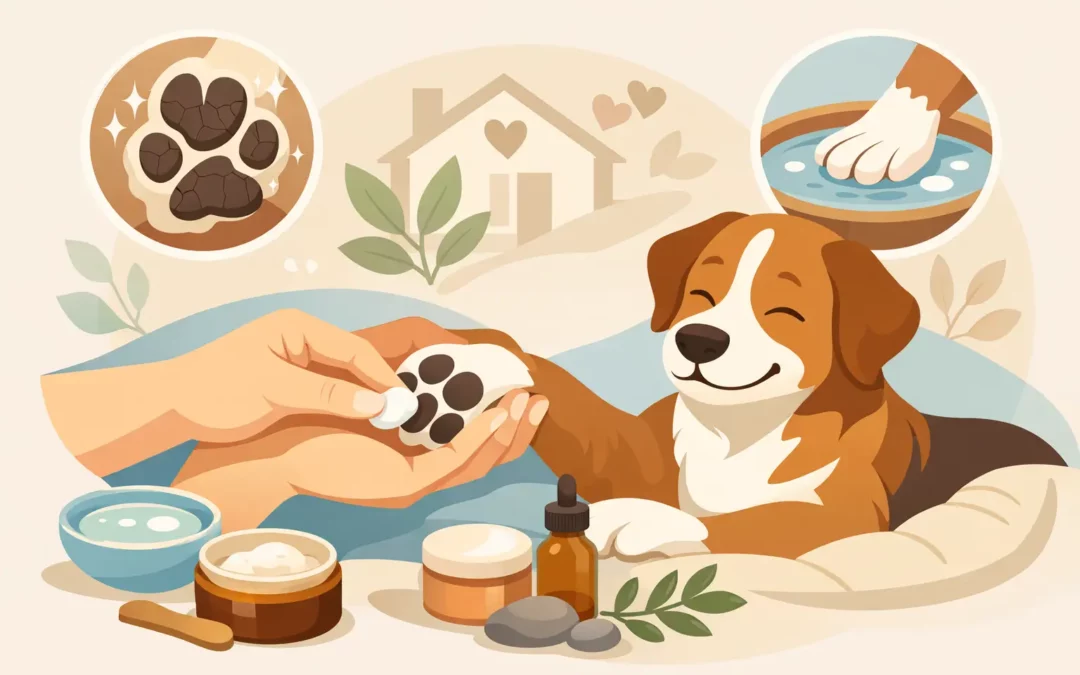
A dog who pauses on a walk, licks at their feet after coming inside, or pulls a paw away during cuddle time may be telling you something. Learning how to soothe dry dog paws can make a real difference in your pet’s daily comfort, especially in Central Florida, where hot pavement, sandy sidewalks, frequent baths, and air-conditioned indoor spaces can all leave paw pads feeling rough.
Dry paws are common, but they should never be dismissed as a cosmetic issue. Those pads carry your dog through every happy walk, backyard sprint, and trip to the groomer. With a little gentle attention and the right timing, you can help keep them soft, protected, and ready for the next adventure.
Why dog paws become dry and rough
Paw pads are naturally tougher than the rest of your dog’s skin, but they are not invincible. They can become dry when they are exposed to heat, rough surfaces, road salt during travel, lawn chemicals, or repeated wet-and-dry cycles. In Florida, hot concrete and asphalt are frequent culprits. If the pavement feels uncomfortable against the back of your hand, it is too hot for your dog’s paws.
Some dogs are also simply more prone to dry pads. Senior dogs, very active dogs, and pets with allergies may need more frequent paw checks. A pup who spends lots of time licking their feet could have dryness, but licking can also point to irritation, yeast, allergies, or something caught between the toes. The right care depends on what is causing the discomfort.
A little texture is normal. Paw pads do not need to feel as smooth as a human hand. The concern begins when they look flaky, cracked, unusually thick, red, tender, or painful to touch.
How to soothe dry dog paws at home
Start by making paw care a calm, positive moment rather than a struggle. Choose a quiet spot, offer gentle praise, and handle one paw at a time. If your dog is new to having their feet touched, keep the first few sessions brief. A relaxed dog is far more likely to let you inspect and care for their paws comfortably.
Clean away what does not belong
After walks, wipe your dog’s paws with a soft, damp cloth or rinse them with lukewarm water if they have stepped on dusty paths, grass treatments, sand, or puddles. Be sure to dry carefully between the toes. Moisture trapped there can create its own problems, particularly for dogs with fluffy feet or skin sensitivities.
Look closely for tiny pebbles, burrs, cuts, or matted fur around the pads. Never pull at something embedded in the skin. If you see a thorn, a deep crack, swelling, or bleeding, skip the home remedy and contact your veterinarian.
Use a pet-safe paw balm sparingly
A dog-specific paw balm can help condition dry pads and create a light protective barrier. Apply a small amount to clean, dry paws and gently massage it into the pads. The goal is to moisturize, not leave a slippery coating across the floor or a thick layer your dog immediately licks off.
Choose a product made specifically for pets. Human lotions, fragranced creams, essential oils, and medicated ointments can contain ingredients that are unsafe if licked. Even natural products are not automatically dog-safe. When in doubt, ask your veterinarian or grooming professional which type of balm is appropriate for your pet.
The best time to apply balm is often before a quiet period, such as after an evening walk or before bed. Giving your dog a favorite chew, settling in for a cuddle, or slipping on clean dog booties for a few supervised minutes may help the product absorb instead of becoming an instant snack.
Make walks kinder to tender paws
Paw balm works best alongside a few thoughtful routine changes. Walk during cooler morning or evening hours when Florida pavement is less intense. Choose grass, shaded trails, or softer paths when possible. On especially hot days, a shorter walk paired with indoor play can be much more comfortable than asking tender paws to cross sun-baked concrete.
If your dog’s pads are already cracked or sensitive, booties may offer temporary protection outdoors. They are not a perfect fit for every dog. Some pets dislike them, and poorly fitted booties can rub or trap moisture. Introduce them slowly and make sure they are clean and dry after each outing.
Keep nails and paw fur tidy
Long nails can change the way a dog stands and walks, putting extra pressure on their pads. Overgrown fur between the toes can collect debris and conceal irritation. Regular nail trims and careful paw-pad trims help feet stay cleaner, more balanced, and easier to inspect.
This is one area where professional grooming can be especially reassuring. A gentle groomer can safely tidy the fur around the paw pads, check for buildup, and keep nails at a comfortable length without turning foot care into a stressful experience for your pet.
What to avoid when caring for dry paws
Well-meaning pet parents can accidentally make dry paws worse. Avoid peeling loose pad skin, filing rough spots aggressively, or trimming cracked areas yourself. Paw pads are protective tissue, and cutting too close can be painful and lead to infection.
It is also wise to avoid frequent washing with harsh shampoos or soaps. If your dog needs a full bath, use a gentle pet-safe formula and rinse thoroughly. Drying the feet completely afterward matters just as much as the bath itself.
Do not assume every rough paw needs heavy moisturizing. Pads that are constantly damp or overly soft can become more vulnerable to injury. For most dogs, a modest amount of balm applied when needed, plus protection from irritating surfaces, is a better approach than daily over-application.
When dry paws need veterinary attention
Home care is helpful for mild dryness, but it is not the right answer for every paw problem. Call your veterinarian if your dog is limping, refusing to bear weight, crying when a paw is touched, or licking obsessively. Those signs may indicate pain beyond simple dryness.
You should also seek veterinary guidance if you notice any of the following:
- Deep, bleeding, or widening cracks in the pads
- Redness, swelling, heat, or an unpleasant odor between the toes
- A cut, puncture, foreign object, or blister
- Changes that do not improve after a few days of gentle care
Dogs with recurring paw issues may need help identifying an underlying trigger, such as environmental allergies, an infection, nutritional concerns, or a skin condition. Treating the cause is the kindest way to give those paws lasting relief.
A little paw pampering goes a long way
Paw care is one of those small routines that can strengthen the trust between you and your dog. When you check their feet regularly, you are more likely to spot a problem early, before a dry patch turns into a painful crack. You also teach your pet that having their paws handled can be calm, gentle, and safe.
At Jolis Grooming, we believe every detail of grooming should support your dog’s comfort, from a soothing bath to thoughtful nail and paw treatment. A personalized grooming visit can be a lovely reset for dogs whose feet need a little extra attention, particularly when paired with consistent, gentle care at home.
The next time your dog settles beside you after a walk, take a moment to hold a paw, check the pads, and offer the same tenderness they give so freely. Those small acts of care help keep your best friend comfortable, confident, and ready to walk happily by your side.