
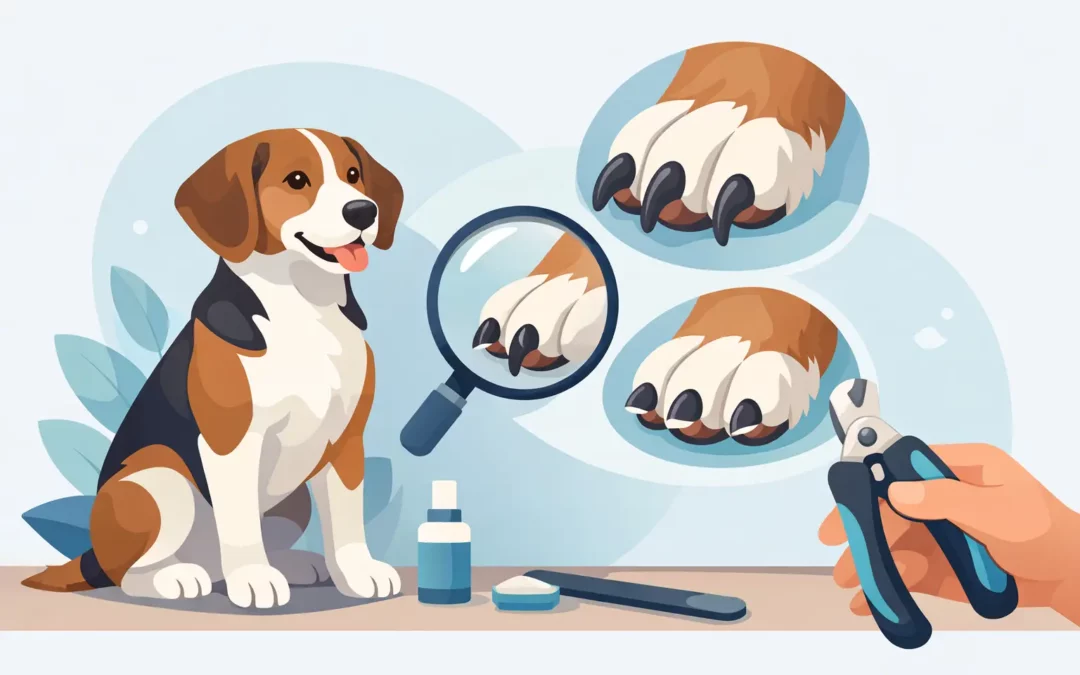
That familiar click-click-click across the kitchen floor is usually the first clue. If you have been wondering how often should dog nails be trimmed, the short answer is about every 3 to 6 weeks for many dogs. The better answer is that your dog’s lifestyle, age, breed, paw shape, and activity level all play a role, and comfort should always lead the schedule.
Nail care may seem like a small part of grooming, but it has a big effect on how your dog moves, stands, and relaxes at home. Nails that grow too long can change paw posture, put extra pressure on the toes, and make everyday walking less comfortable than it should be. For pet parents who want their dogs to feel polished, pampered, and truly at ease, regular trims are not just cosmetic. They are part of thoughtful, whole-pet care.
How often should dog nails be trimmed for most dogs?
Most dogs do well with nail trims every 3 to 6 weeks. That range is broad for a reason. A very active dog who spends time on rough sidewalks may wear nails down naturally and go a little longer between trims. A smaller indoor dog, a senior dog, or a pup who mostly walks on soft grass may need trims more often.
A good rule is to watch your dog, not just the calendar. If the nails touch the floor when your dog is standing still, it is usually time. If you hear nails tapping on hard surfaces, that is another sign they have gotten a bit too long. Ideally, nails should be short enough that your dog can walk easily without the toes being pushed upward by the floor.
For many families, setting a recurring grooming appointment makes this simple. Instead of waiting until the nails are noticeably long, regular visits keep your dog comfortable and help the process stay calm and familiar.
Why regular nail trims matter
When nails become overgrown, dogs often adjust their stance to avoid pressure. That small shift can affect how they carry their weight through the feet, legs, and joints. Over time, it can contribute to discomfort, especially for older dogs or dogs already dealing with stiffness.
Long nails are also more likely to snag on blankets, carpet, or grass. A torn nail can be painful and stressful for both pets and owners. Even before that happens, overgrown nails can make playtime, walks, and simple movement less enjoyable.
Regular trims support more than paw health. They can help dogs feel more secure on smooth floors, move more naturally, and enjoy a neater, more polished appearance. For pet parents who see grooming as part of their dog’s wellness routine, nail care belongs right alongside coat care, bathing, and teeth cleaning.
Signs your dog’s nails are too long
Some signs are easy to spot, while others are more subtle. The obvious one is sound. If your dog’s nails are making contact with tile or wood floors with every step, they are likely past the ideal length.
You may also notice the nails curving more than usual, the paw spreading differently when your dog stands, or a hesitation when walking across hard surfaces. Some dogs become less enthusiastic about walks, jumping onto furniture, or having their feet touched. That does not always mean the nails are the issue, but it is worth paying attention.
Another detail pet parents often miss is the dewclaw. Because it does not regularly touch the ground, it often does not wear down on its own. That means it can grow too long even when the other nails seem manageable.
Why some dogs need trims more often than others
There is no perfect universal schedule because every dog wears their nails differently. Breed and build matter. Small dogs often need more frequent trims because they are lighter and put less pressure on the nail with each step. Their nails may simply not file down much from daily activity.
Age matters too. Puppies can need frequent nail maintenance because their nails grow quickly, and early handling helps them get comfortable with grooming. Senior dogs may also need more regular trims because they often move less and naturally wear their nails down less than they once did.
Lifestyle plays a major part. A dog who enjoys regular neighborhood walks on pavement may need less frequent trims than a dog who spends most of the day indoors or on soft lawn. Even the way a dog walks can affect nail wear. Some dogs file down the front nails faster than the back, which is one reason paw-by-paw evaluation is so helpful.
How often should dog nails be trimmed if your dog dislikes it?
If your dog is nervous about nail trims, shorter and more consistent appointments are often easier than waiting too long. When nails become very long, more needs to be taken off, and the process can feel more intense for a sensitive dog. Gentle, routine care usually creates a better experience.
That is especially true for dogs with dark nails, where the quick is harder to see, or for pets who have had a stressful trimming experience in the past. A calm setting, patient handling, and a familiar routine can make a remarkable difference. Dogs often become more cooperative when they learn grooming is predictable, gentle, and followed by reassurance.
For some pet parents, at-home trims feel manageable. For others, the fear of cutting too short creates stress for everyone involved. There is no shame in choosing professional help. Comfort and safety matter more than doing it yourself.
The risk of waiting too long
When a dog’s nails stay long for too long, the quick inside the nail can grow longer too. That makes it harder to trim the nail back to a comfortable length in one visit. Instead, the nail may need to be shortened gradually over several appointments.
This is one reason routine maintenance matters so much. Small, regular trims help keep the quick from extending too far and make it easier to maintain healthy nail length over time. In practical terms, that means less discomfort for your dog and less worry for you.
Waiting too long can also turn a simple grooming task into a more emotional one. A dog who feels discomfort in the paws may resist handling, and owners may begin avoiding the task because it seems difficult. A steady rhythm keeps nail care from becoming a source of tension.
What a comfortable nail care routine looks like
The best nail care routine is one your dog can settle into. That usually means regular timing, gentle touch, and a low-stress environment. Some dogs do well with trims every month like clockwork. Others benefit from a quick touch-up in between full grooming visits.
It also helps to think of paw care as more than clipping the nail itself. Clean paws, tidy fur around the feet, and moisturized paw pads all contribute to comfort. When the whole paw is cared for, dogs tend to move more confidently and feel better overall.
That boutique level of attention is especially helpful for pet parents who want grooming to feel like an act of care, not just maintenance. A polished, stress-free visit can leave your dog looking neat, feeling lighter on their feet, and more relaxed by the time they head home.
When to book professional nail trimming
If your dog squirms, hides, pulls away, or becomes anxious when the clippers come out, professional grooming support can make life much easier. The same is true if the nails are very long, very dark, or already starting to curl.
Professional trimming is also a smart choice for busy families who would rather keep their dog on a dependable care schedule than try to fit paw maintenance into a packed week. With regular appointments, it becomes easier to stay ahead of overgrowth and easier for your dog to stay used to being handled.
For local pet parents who want their dogs treated with patience and personalized attention, Jolis Grooming offers nail and paw care in a warm, comfort-first setting designed to help pets feel safe and beautifully cared for.
A simple answer you can actually use
If you want the easiest guideline to remember, check your dog’s nails every couple of weeks and expect trimming about every 3 to 6 weeks. If you hear clicking on the floor, see the nails touching down when your dog stands, or notice your dog moving a little differently, it is probably time.
A well-timed nail trim does more than tidy up the paws. It helps your dog move comfortably, feel more secure, and enjoy the kind of attentive care every beloved family pet deserves. Sometimes the smallest grooming details are the ones that make your dog feel most at ease.