
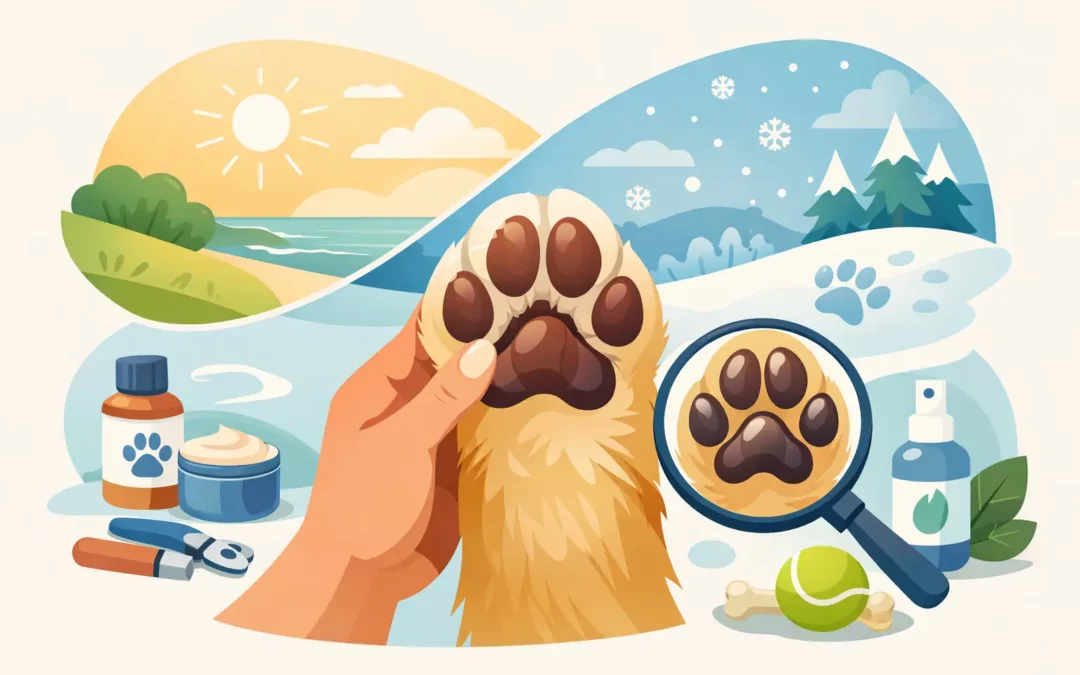
One rough walk on hot pavement can turn a happy afternoon into a limp by dinner. Paw discomfort tends to show up fast, and because dogs rely on their feet for every step, jump, and stretch, small issues can affect their comfort more than many pet parents realize. If you have ever wondered how to maintain dog paw health without making it complicated, the good news is that steady, gentle care goes a long way.
Paw care is not just about appearance, although neat, well-kept paws certainly look polished. It is about protecting sensitive paw pads, keeping nails at a healthy length, checking for irritation early, and making sure your dog can move comfortably through daily life. In a place like Central Florida, where heat, humidity, sidewalks, grass, and sudden summer rain all play a role, a little extra attention can make a real difference.
Why paw health matters more than most owners think
A dog’s paws absorb pressure, help with balance, and create traction on different surfaces. The pads are tough, but they are not indestructible. Dryness, cracks, overgrown nails, trapped debris, and irritation between the toes can all cause discomfort. Some dogs keep going even when their paws are sore, which means problems can be missed until they become more obvious.
Healthy paws support more than movement. They also help your dog feel secure. When paws are tender, a dog may hesitate on floors, avoid walks, lick excessively, or seem less playful. For families who want their pets to feel happy, pampered, and relaxed, paw care is a simple way to support overall wellness.
How to maintain dog paw health at home
The best routine is one you can keep up with consistently. You do not need a complicated schedule, but you do want to make paw checks part of normal care.
Start by looking at your dog’s paws a few times each week. Gently spread the toes and check the pads, nails, and the fur around the feet. You are looking for redness, cracking, swelling, small cuts, burrs, or anything stuck between the toes. If your dog spends a lot of time outdoors, these quick checks matter even more.
Keeping paws clean is another part of daily comfort. After walks, especially on wet grass, sandy areas, or after afternoon rain, wipe the paws with a soft towel or pet-safe wipe. This helps remove dirt, lawn residue, and moisture that can linger between the toes. Clean paws are not only more comfortable for your dog, they also help keep your home fresher.
Moisture matters, but balance matters too. Paw pads that stay damp for too long can become irritated, while very dry pads may crack. That is why drying the feet well after baths, walks, or outdoor play is just as helpful as cleansing them. If the pads feel rough or look dry, a pet-safe paw balm can help condition the skin. A small amount is enough. You want soft, protected pads, not greasy feet that make walking awkward.
Nail care is part of paw care
Many pet owners think of nail trimming as a cosmetic service, but it plays a big role in how to maintain dog paw health. When nails get too long, they change the way a dog stands and walks. That shift can put extra pressure on the toes and paw pads, and over time it may affect comfort in the legs and joints too.
A healthy nail length allows the foot to rest naturally. If you hear nails clicking loudly on the floor or notice the toes starting to splay, it may be time for a trim. The challenge, of course, is that many dogs dislike nail trimming. Some pull away, some get nervous, and some have dark nails that make the quick harder to see.
This is one of those areas where home care and professional care often work best together. Some pet parents are comfortable doing small touch-ups at home, while others prefer to leave it to a trusted grooming professional who can keep the experience calm and precise. It depends on your dog’s temperament, your confidence, and how quickly the nails grow.
Trimming fur around the paws
The fur around a dog’s feet can be easy to overlook, but it matters. Long hair between the paw pads may collect dirt, hold moisture, and make it easier for small bits of grass or debris to get trapped. On smooth indoor floors, overgrown paw fur can also reduce traction.
A neat paw trim can help your dog feel cleaner and steadier. It is especially helpful for breeds with fast-growing foot hair or fluffy coats. That said, trimming too aggressively at home can nick sensitive skin, so careful handling is important. When done gently and regularly, paw trimming keeps the feet tidy, comfortable, and easier to inspect.
Seasonal challenges for dog paws in Florida
In Central Florida, heat is one of the biggest paw concerns. Sidewalks, asphalt, and even some artificial turf surfaces can become much hotter than the air temperature suggests. If it feels too hot for the back of your hand, it is too hot for your dog’s paws. Early morning and evening walks are often the safer choice during warmer months.
Summer also brings frequent moisture. Wet grass, puddles, and damp outdoor conditions can leave paws soggy if they are not dried well afterward. This does not mean dogs should avoid outdoor fun. It simply means their paws need a little extra attention once they come back inside.
Even cooler months can create issues. Dry air, rough surfaces, and more active holiday schedules can all lead to irritation. The season may change, but the goal stays the same: clean paws, healthy nails, and regular checks.
Signs your dog may need extra paw attention
Some signs are easy to spot, while others are subtle. Excessive licking is a common one. Dogs lick for many reasons, but persistent licking at the feet usually means something feels off. Limping, flinching when a paw is touched, or avoiding certain surfaces also deserve attention.
You may notice a strong odor from the feet, visible redness between the toes, cracked pads, or nails that look too long or uneven. In some cases, the paw issue itself is simple, like debris stuck between the toes. In others, it may point to irritation, sensitivity, or an infection that needs veterinary care.
If a problem looks painful, keeps returning, or is not improving with gentle upkeep, it is best not to wait. Good grooming supports paw health, but it does not replace medical treatment when something is clearly wrong.
When professional grooming helps most
Some dogs need more than a quick wipe and occasional nail trim. Busy households, active dogs, fluffy feet, anxious pets, and fast-growing nails can make paw maintenance harder to keep up with at home. Professional grooming can make this routine easier and more consistent.
A quality paw treatment is not just a quick tidy-up. It can include careful nail care, trimming excess fur around the paws, gentle cleaning, and close observation of areas pet parents may not notice right away. The right grooming environment matters too. Dogs are more likely to tolerate paw handling when they are treated with patience, reassurance, and a comfort-first approach.
For many pet families, that peace of mind is part of the value. It feels good to know your dog’s feet are not only neat, but truly cared for. At Jolis Grooming, paw care is approached as part of your dog’s overall comfort and well-being, because every polished finish starts with a pet who feels relaxed and supported.
Building a paw care routine that lasts
The most effective routine is not the most complicated one. It is the one that fits naturally into your life and keeps your dog comfortable week after week. A quick paw check after walks, regular cleaning, attention to nail length, and occasional conditioning for dry pads can prevent many common problems before they start.
If your dog is sensitive about having their feet handled, go slowly. Touch the paws briefly, offer praise, and keep the experience positive. Some dogs adjust quickly, while others need more time. Gentle consistency usually works better than trying to do everything at once.
Paw care may seem like a small part of grooming, but for your dog, it touches everything from playtime to posture to everyday comfort. When those little feet are clean, balanced, and well cared for, your dog feels the difference with every step. A few thoughtful minutes now can help keep tails wagging, walks enjoyable, and your best friend feeling wonderfully cared for all year long.