by | Jul 21, 2026 | Uncategorized
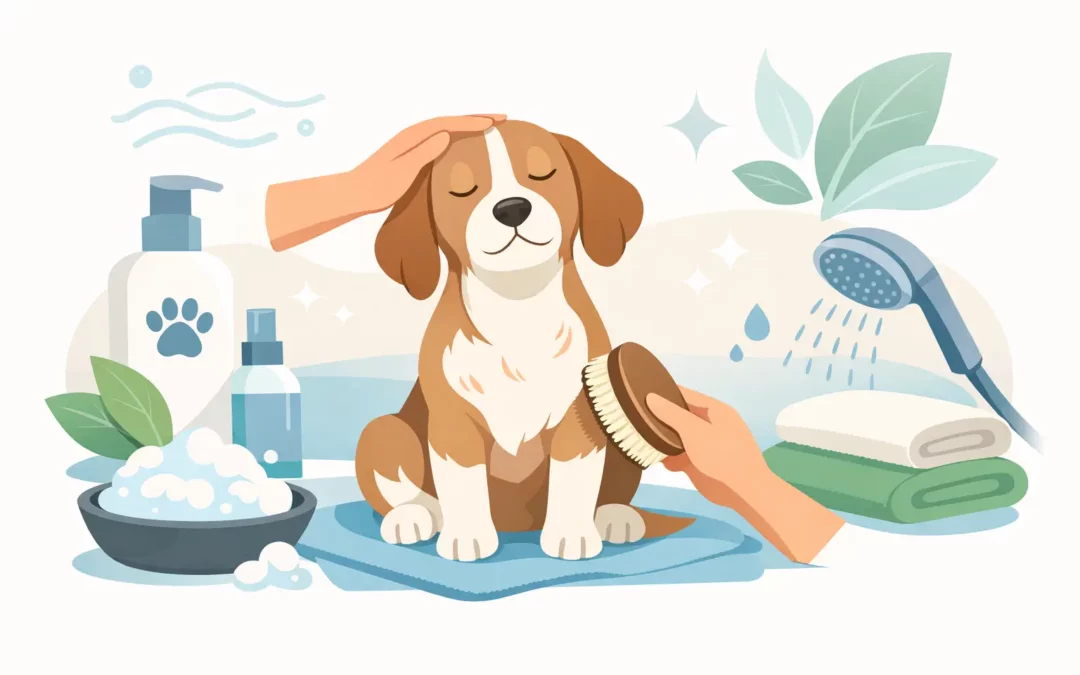
When a bath leaves your dog scratching more than usual, or a simple brushing session brings on redness, grooming can feel less like pampering and more like a puzzle. A thoughtful sensitive skin dog grooming routine gives your pet the clean, polished feeling they deserve without asking irritated skin to tolerate too much at once. The goal is not to groom less carefully. It is to groom more gently, with your dog’s comfort leading every decision.
Sensitive skin can show up in many ways: dry flakes along the back, pink skin on the belly, frequent paw licking, an odor that returns quickly, or a coat that feels dull despite regular baths. Florida’s heat, humidity, pollen, grass, and seasonal pests can all add to the challenge. With the right pace, products, and professional attention, grooming can become a calm, comforting part of your dog’s care.
Start With Your Dog’s Skin, Not the Schedule
A dog with healthy, comfortable skin may do well on a predictable grooming cycle. For a sensitive dog, the ideal timing depends on coat type, activity level, allergies, and how quickly dirt or oil builds up. A curly-coated dog can mat if baths and brushing are spaced too far apart, while an older dog with dry skin may need fewer full baths and more gentle maintenance between visits.
Watch what happens in the days after grooming. If your dog seems comfortable, their skin looks clear, and their coat stays manageable, the routine is likely serving them well. If scratching, redness, or flaking increases, something needs to change. It may be the shampoo, the drying method, the frequency of bathing, or an underlying issue that deserves veterinary guidance.
A comfort-first approach also means avoiding the temptation to keep trying new products. Switching shampoos every week can make it difficult to identify what is helping and what is irritating your pet. Once you find a pet-safe formula your dog tolerates well, consistency is usually kinder to their skin.
Build a Gentle Sensitive Skin Dog Grooming Routine
The best routine is calm, deliberate, and tailored to the individual dog. It does not need to involve a cabinet full of products. It needs a few good habits performed with patience.
Brush Before the Bath
Brushing before a bath removes loose hair, outside debris, and early tangles that could tighten once wet. For sensitive dogs, this step should never feel rushed. Use a brush that suits the coat, work in small sections, and support the hair near the skin as you gently work through a tangle.
Mats deserve special care. Pulling hard at a mat can be painful and may inflame already tender skin. In some cases, the kindest option is to have a groomer carefully remove it rather than trying to save every inch of coat at home. A shorter, comfortable coat is always more beautiful than a longer coat that causes discomfort.
Keep Bath Water Warm, Never Hot
Hot water can strip natural oils and leave sensitive skin feeling even drier. Aim for comfortably warm water, and take time to thoroughly wet the coat before applying shampoo. Thick, double-coated, or curly coats may need more water saturation than expected for cleanser to reach the skin evenly.
Choose a mild shampoo made specifically for dogs. Human shampoos, fragranced body washes, and household soaps are not designed for canine skin and can disrupt its natural balance. Even pet products labeled as natural are not automatically right for every dog, especially if they contain strong scents or essential oils.
Use only the amount of shampoo needed, then rinse longer than you think you need to. Leftover product is a common source of itchiness. Rinsing carefully around the chest, underarms, belly, paws, and behind the ears is especially worthwhile because residue often lingers in these areas.
Dry With Patience
Drying is part of grooming, not an afterthought. Leaving a dense coat damp can contribute to odor, tangles, and skin discomfort, but harsh heat or intense airflow can overwhelm a sensitive dog. Begin by gently pressing the coat with a soft towel instead of vigorously rubbing it. Rubbing can create tangles and aggravate tender areas.
For dogs who accept a dryer, use a comfortable setting and keep the airflow moving rather than concentrating it in one spot. Some pets need time to build confidence around the sound and sensation. A professional groomer can make this process feel much easier by introducing drying calmly and adjusting the method to your dog’s tolerance.
Give Paws, Ears, and Face Their Own Care
Sensitive skin is not limited to the body. Paws come into contact with hot pavement, lawn treatments, mud, and pollen. After walks, a quick wipe with a clean damp cloth can remove irritants before your dog starts licking. Check between the toes for redness, swelling, or debris, and keep paw fur neat enough that dirt does not collect easily.
Nail care matters, too. Long nails can change how a dog stands and walks, putting unnecessary pressure on their feet. Regular, gentle trims help keep movement comfortable. If your dog becomes anxious around nail trims, forcing the process can make future care harder. A patient salon visit can turn this essential service into a more manageable experience.
The face needs an especially light touch. Use a soft cloth to wipe away tear residue and food particles, avoiding any products that could sting the eyes. A tidy face trim can help keep hair out of the eyes and reduce the moisture that sometimes gathers around the mouth. For dogs with facial folds, gentle, consistent cleaning is often more helpful than occasional deep scrubbing.
Know When Grooming Is Not the Whole Answer
A sensitive skin dog grooming routine supports skin health, but it cannot diagnose allergies, infections, parasites, or other medical concerns. Contact your veterinarian if your dog has open sores, scabs, hair loss, a strong or unusual odor, recurring ear discomfort, swelling, or persistent scratching. These signs may need treatment beyond a gentler bath.
It is also useful to consider the bigger picture. Some dogs react to environmental allergens, while others may have dietary sensitivities or flea-related irritation. Your grooming professional can share what they notice on the skin and coat, but your veterinarian is the right partner for determining why a problem keeps returning.
Choose a Grooming Experience That Feels Safe
For a dog with delicate skin, the salon environment matters as much as the shampoo. High-volume, rushed handling can be stressful for any pet, particularly one who already associates touch with itchiness or discomfort. Look for a groomer who asks about your dog’s sensitivities, listens to your concerns, and is willing to adjust the appointment around your pet’s needs.
At Jolis Grooming, personalized care means paying attention to the small details that help a dog settle in: gentle handling, pet-safe products, thoughtful coat care, and a pace that puts comfort first. A bath, fluff and brush treatment, face trim, nail and paw care, and teeth cleaning can be tailored into a visit that leaves your companion feeling fresh without feeling overwhelmed.
Between appointments, keep grooming moments short and positive. Offer praise after a quick brush, touch paws gently when you are not trimming nails, and let your dog become familiar with a towel or brush before it is time for a full session. These little acts build trust over time.
Your dog does not need to endure grooming to look well cared for. With a gentle routine and the right support, clean fur, comfortable paws, and a bright, happy expression can all be part of the same peaceful experience.
by | Jul 19, 2026 | Uncategorized
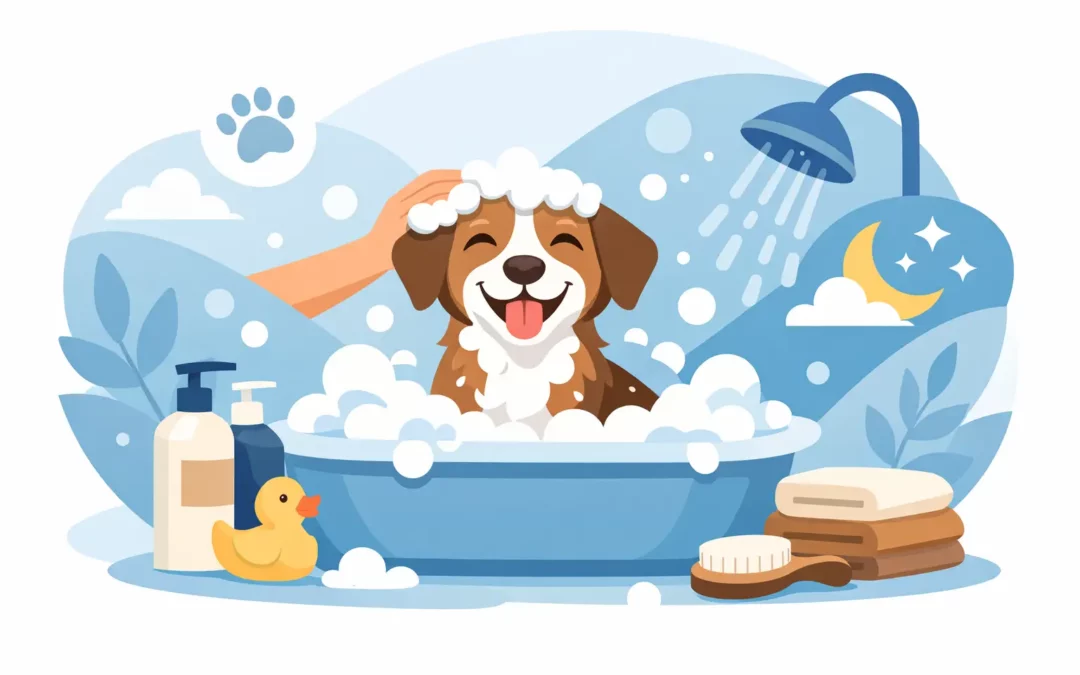
That familiar warm-dog scent after a sunny walk or a joyful afternoon in the backyard can make any pet parent wonder: is it bath time again? This guide to dog bath frequency starts with a reassuring truth: there is no single schedule that suits every beloved dog. The right routine protects your pup’s skin and coat while keeping them fresh, comfortable, and ready for cuddles.
For many families in Longwood and across Central Florida, heat, humidity, pollen, and muddy paws can make regular grooming feel especially necessary. A thoughtfully timed bath is more than a cosmetic refresh. It can remove loose fur, outdoor debris, and odor while giving you a closer look at your dog’s skin, ears, paws, and overall comfort.
How Often Should Your Dog Have a Bath?
Most healthy dogs do well with a bath about every four to eight weeks. That broad range is intentional. A short-haired dog with healthy skin who spends most days indoors may need bathing less often, while an active dog who loves puddles, parks, and patio lounging may need a more frequent refresh.
Bathing too rarely can leave oils, dirt, and loose coat buildup sitting against the skin. Bathing too often, especially with the wrong shampoo or water that is too hot, can strip away natural oils that help the coat stay soft and the skin stay protected. The goal is not simply a dog that smells clean. It is a dog whose skin feels calm and whose coat looks and feels healthy.
A professional groomer can help take the guesswork out of the timing. During a grooming visit, your dog’s coat type, skin condition, activity level, and lifestyle can all be considered before choosing a bath routine that feels right for them.
What Changes Your Dog’s Ideal Bath Schedule?
Your dog’s individual needs matter more than a calendar reminder. A few details can shift how often bathing is helpful.
Coat Type and Length
Dogs with longer, thicker, curly, or double coats often benefit from a regular bathing and brushing routine. Their coats can hold onto dirt, pollen, moisture, and tangles more easily than a smooth, short coat. A bath paired with a careful fluff and brush treatment can lift loose hair, help prevent mats, and leave the coat light and comfortable.
That does not mean every fluffy dog needs weekly shampooing. Between appointments, gentle brushing can make a meaningful difference. It spreads natural oils through the coat and helps you spot knots before they become uncomfortable mats.
Short-haired dogs often need fewer full baths, but they still benefit from routine grooming. Shedding, skin oils, and dander do not disappear just because a coat is easy to care for. A professional bath and brush can leave even a low-maintenance coat polished, soft, and fresh.
Skin Sensitivity and Health Needs
If your dog has itchy skin, flaky patches, redness, a persistent odor, or frequent ear irritation, more baths are not automatically the answer. These signs can point to allergies, infection, parasites, or another issue that deserves veterinary guidance. Your veterinarian may recommend a specific medicated shampoo and schedule based on your dog’s needs.
For dogs with sensitive but otherwise healthy skin, product choice is just as important as frequency. Pet-safe shampoos formulated for dogs are designed around their skin needs. Human shampoo, even a gentle formula, can disrupt a dog’s skin balance and leave them dry or uncomfortable.
Lifestyle and Florida Weather
A dog who naps in air-conditioned rooms and takes tidy leash walks has a different bathing schedule than a dog who swims, plays in the yard, visits dog-friendly parks, or rolls enthusiastically in something mysterious. In Central Florida, humidity can also make a damp, poorly dried coat feel uncomfortable and develop an unpleasant smell.
After a swim or muddy outing, a quick rinse of the paws, legs, and underside may be enough until the next full bath. A full shampoo may be needed sooner if your dog has picked up dirt, odor, or residue. Thorough drying matters every time, particularly around dense coats, folds, and paws.
Breed Characteristics and Natural Oils
Some dogs naturally produce more oil than others. Breeds with oily coats may need more regular bathing, while breeds with water-resistant or very dense coats may require specialized handling so the skin and undercoat are properly cleaned and dried. Hairless dogs also often need a consistent skin-care routine because there is no fur to absorb skin oils.
This is where one-size-fits-all advice can fall short. A personalized grooming plan respects the coat your dog was born with instead of trying to force every dog into the same routine.
Signs It Is Time for a Bath
Rather than relying only on a set date, watch your dog for practical signs that they are ready for a refresh. A noticeable odor, visible dirt, a greasy feel to the coat, or debris caught around the feet and rear are all clear cues. You may also see more loose hair collecting on furniture or feel that brushing is no longer moving smoothly through the coat.
A bath can also be a welcome reset after a particularly active week. The key is to distinguish normal dogginess from a skin concern. A mild outdoor smell after play is common. A strong, sour, yeasty, or fishy odor, especially when paired with itching or redness, calls for a conversation with your veterinarian.
A Guide to Dog Bath Frequency Between Grooming Visits
Professional grooming appointments create a dependable foundation, but the small moments between visits support your dog’s comfort every day. Wiping paws after walks helps reduce tracked-in dirt and outdoor irritants. Regular brushing removes loose fur and keeps tangles from tightening. Checking the ears, nails, and paw pads during cuddle time can help you notice changes early.
Avoid turning every bit of dirt into a full bath. Spot-cleaning with a dog-safe wipe or a damp cloth can handle a dusty paw, a food-smudged chin, or a small patch of mud. This gentle approach preserves the skin’s natural oils while still keeping your home and your dog feeling clean.
If your dog needs frequent freshening because of allergies, skin folds, mobility issues, or a very active lifestyle, ask a groomer and veterinarian for a plan. Sometimes the solution is a more regular bath. Other times, it is better brushing, improved drying, a different shampoo, or targeted cleaning in the areas that need it most.
Why a Professional Bath Feels Different
A professional bath is designed to care for more than the surface of the coat. Proper brushing before and after bathing, careful shampoo selection, complete rinsing, gentle drying, and attention to sensitive areas all contribute to a more comfortable result. For dogs who are nervous around water or grooming tools, patient handling can make the experience feel calmer and more predictable.
At Jolis Grooming, each visit is an opportunity to pamper your dog with individualized attention, from a refreshing bath to coat care, nail and paw treatment, and a polished finish. For pet parents, that means the relief of knowing their best friend is being treated with warmth, patience, and professional care.
A clean dog should still look like themselves: bright-eyed, comfortable, soft to the touch, and happy to settle beside you. When your dog’s bathing routine is guided by their coat, lifestyle, and comfort instead of a rigid rule, every grooming day can feel like a little act of love.
by | Jul 17, 2026 | Uncategorized
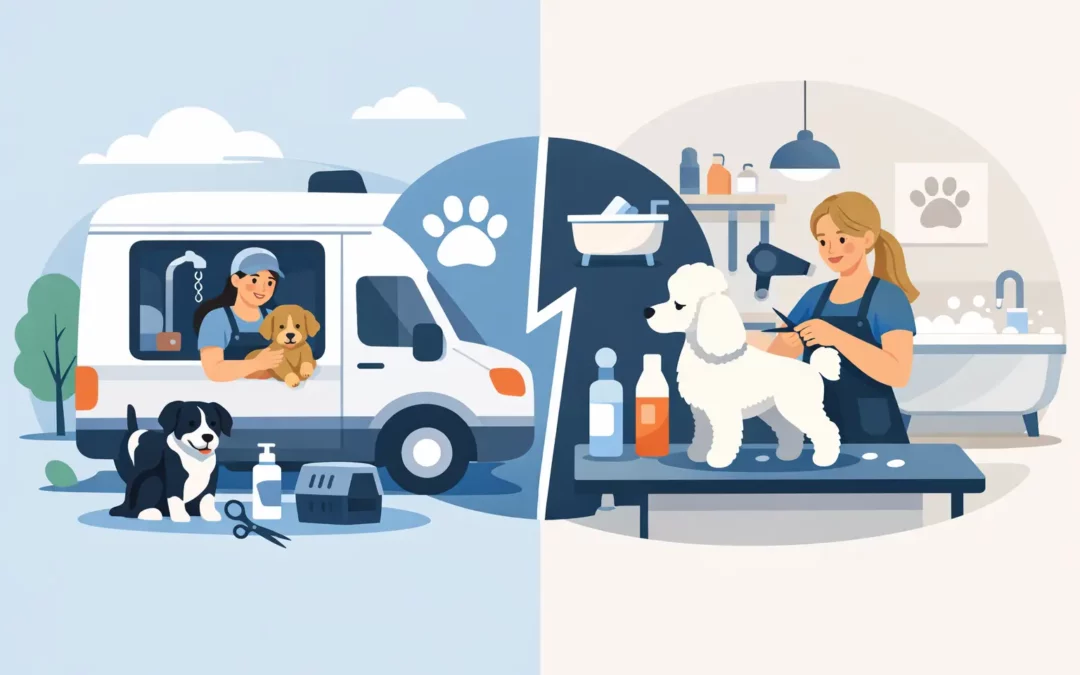
A freshly groomed dog should feel lighter, cleaner, and happily comfortable – not simply look good for a photo. When considering mobile grooming versus salon grooming, the best choice often comes down to your dog’s personality, coat needs, health, and the kind of attention you want them to receive during their appointment.
For some pets, having a groomer arrive at home sounds ideal. For others, a calm, caring salon visit provides the structure, space, and professional equipment needed for a beautiful finish. The right answer is personal, and it should always put your dog’s comfort first.
Mobile Grooming Versus Salon Grooming: The Main Difference
Mobile grooming brings the appointment to your driveway in a self-contained grooming van or trailer. Your dog is usually groomed one-on-one, then returned home as soon as the service is complete. This can be particularly appealing for busy households, dogs that dislike car rides, or pet parents who appreciate not having to work a drop-off and pickup into their day.
Salon grooming takes place in a dedicated pet care setting with grooming tables, bathing systems, dryers, professional tools, and a team prepared for a range of coats, sizes, and services. A quality salon does not have to feel rushed or impersonal. In a comfort-first environment, the appointment is designed around your pet’s needs, from gentle handling and pet-safe products to thoughtful breaks when they need a little reassurance.
The biggest difference is not simply location. It is the experience your dog receives, the services available, and how well the groomer can tailor care to your pet’s coat, temperament, and wellness needs.
When Mobile Grooming Can Be a Lovely Fit
The convenience of mobile grooming is easy to understand. There is no car ride, no waiting room, and no need to plan an extra trip across town. Dogs who become anxious when traveling may settle more easily when the grooming experience begins just steps from home.
Mobile grooming can also work well for dogs that thrive with quiet, individual attention. Since many mobile groomers work with one pet at a time, a dog may avoid the sights, sounds, and scents of other pets. For senior dogs or pets with limited mobility, that shorter path from the front door to the grooming space can be a meaningful benefit.
Still, a mobile appointment is not automatically stress-free for every dog. Some pets are more comfortable in a familiar room at home, but others find a compact van, vibration from equipment, or the unfamiliar sounds outside the vehicle unsettling. Florida heat can also be a consideration. A professional mobile groomer should have reliable climate control, safe water access, clean equipment, and enough time to work without making your dog feel hurried.
Availability and pricing may be factors, too. Mobile groomers often have limited daily appointment slots because they spend time traveling between homes. That convenience can come at a higher cost, especially for large dogs, heavily coated breeds, or appointments that require extra time.
Why a Personalized Salon Visit May Be Better
A well-run salon offers something many pet parents value deeply: a dedicated place for expert care. Groomers have room to safely bathe, dry, brush, trim, and assess a dog’s coat from every angle. That matters when your pup needs more than a quick tidy-up.
A full bath and groom, for example, may include careful brushing and de-shedding, a tailored haircut, face trimming, nail and paw treatment, teeth cleaning, and attention to the small details that help a dog feel polished and comfortable. In a salon setting, the proper tools and workspace are already in place for those services. The groomer can take the time needed to create a balanced finish without compromising your pet’s well-being.
Salon visits can be especially helpful for dogs with thick double coats, curly coats, long hair, frequent matting, or a style that requires regular upkeep. These coats need more than a bath. They need knowledgeable handling and a thorough drying process so the skin and coat remain clean, comfortable, and healthy-looking.
The salon environment can also become a reassuring routine. Dogs often gain confidence when they visit the same welcoming space, see familiar faces, and learn that grooming ends with praise, comfort, and a happy reunion with their family. A caring groomer pays attention to a dog’s body language, adjusts their pace, and treats trust as part of the service.
At Jolis Grooming, that kind of individualized attention is central to the experience. Each dog deserves to be handled with patience and warmth, whether they are coming in for a simple nail trim or a complete pampering day.
Consider Your Dog’s Temperament, Not Just Convenience
Pet parents sometimes choose based on what is easiest for their schedule, which is understandable. But your dog’s response to grooming should guide the decision.
A dog who panics during car rides, struggles with mobility, or becomes overwhelmed around other animals may do beautifully with mobile care. On the other hand, a dog who is nervous in a small enclosed space may feel more secure in a calm salon with steady footing, room to move, and a groomer who can provide breaks as needed.
Young puppies may benefit from positive, gentle introductions to a professional salon environment. Early visits can help them become comfortable with bathing, brushing, dryers, nail care, and being handled around the face and paws. The goal is not to push them through a long appointment. It is to build a foundation of trust that supports easier grooming throughout their life.
Senior dogs deserve equally thoughtful planning. Arthritis, vision changes, hearing loss, and general fatigue can make grooming more challenging. Whether you choose mobile or salon grooming, ask how the groomer accommodates older pets. Non-slip surfaces, patient handling, shorter sessions, and close attention to comfort can make a significant difference.
The Level of Grooming Your Dog Needs Matters
A quick bath and nail trim may be easy to arrange in either setting. More involved services often call for the equipment and flexibility of a full-service salon.
Dogs with impacted undercoats, stubborn tangles, or mats need gentle but skilled care. Mats can pull painfully on the skin and trap moisture, dirt, and irritation close to the body. Trying to brush through them at home can be uncomfortable for your dog, while delaying care can allow the problem to worsen. A professional groomer can assess the coat honestly and recommend the kindest path forward, whether that means careful brushing, a shorter trim, or a fresh start with a practical haircut.
Face trims, sanitary trims, paw care, and ear-area grooming also deserve precision. These are sensitive areas, and a polished result should never come at the expense of safety. The best grooming choice is the one that gives your dog enough time, appropriate tools, and calm professional attention.
Dental care and nail maintenance should not be treated as afterthoughts, either. Long nails can affect how a dog walks, while regular teeth cleaning can support a fresher, cleaner mouth between veterinary dental visits. These small routines contribute to the comfort you notice every day – fewer snags on blankets, happier steps across the floor, and more confident cuddles.
Questions Worth Asking Before You Book
A beautiful social media photo does not tell you everything about a grooming experience. Before choosing a mobile groomer or salon, ask how appointments are paced, what products are used, and how the groomer responds when a dog becomes anxious.
You may also want to ask whether your dog will be kenneled, how long the full appointment typically takes, and what is included in the quoted service. For mobile care, ask about vehicle sanitation, temperature control, and water systems. For salon care, ask how the team manages pet interactions and whether your dog’s individual needs can be noted for future visits.
The answers should feel clear and reassuring. You are trusting someone with a beloved family member, and you should never feel rushed into a service that does not fit your dog.
Choosing the Experience That Feels Right
There is no universal winner in mobile grooming versus salon grooming. Mobile grooming may be the best match when travel is difficult and your dog thrives with private, doorstep care. A salon may be the better choice when your pet needs more extensive coat work, ongoing style maintenance, professional-grade bathing and drying, or a familiar routine with a trusted grooming team.
What matters most is finding a groomer who sees your dog as an individual, not a time slot. Pay attention to how your pup feels after an appointment: relaxed, comfortable, clean, and cared for. When grooming is handled with patience and affection, it becomes one more way to show your best friend just how loved they are.
by | Jul 15, 2026 | Uncategorized
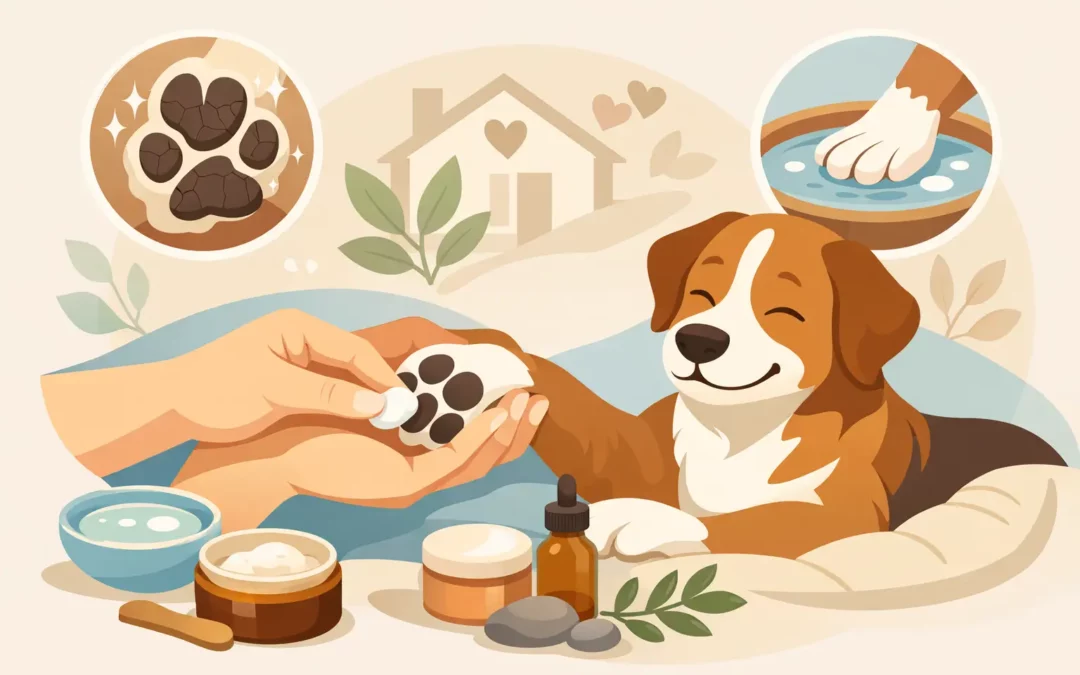
A dog who pauses on a walk, licks at their feet after coming inside, or pulls a paw away during cuddle time may be telling you something. Learning how to soothe dry dog paws can make a real difference in your pet’s daily comfort, especially in Central Florida, where hot pavement, sandy sidewalks, frequent baths, and air-conditioned indoor spaces can all leave paw pads feeling rough.
Dry paws are common, but they should never be dismissed as a cosmetic issue. Those pads carry your dog through every happy walk, backyard sprint, and trip to the groomer. With a little gentle attention and the right timing, you can help keep them soft, protected, and ready for the next adventure.
Why dog paws become dry and rough
Paw pads are naturally tougher than the rest of your dog’s skin, but they are not invincible. They can become dry when they are exposed to heat, rough surfaces, road salt during travel, lawn chemicals, or repeated wet-and-dry cycles. In Florida, hot concrete and asphalt are frequent culprits. If the pavement feels uncomfortable against the back of your hand, it is too hot for your dog’s paws.
Some dogs are also simply more prone to dry pads. Senior dogs, very active dogs, and pets with allergies may need more frequent paw checks. A pup who spends lots of time licking their feet could have dryness, but licking can also point to irritation, yeast, allergies, or something caught between the toes. The right care depends on what is causing the discomfort.
A little texture is normal. Paw pads do not need to feel as smooth as a human hand. The concern begins when they look flaky, cracked, unusually thick, red, tender, or painful to touch.
How to soothe dry dog paws at home
Start by making paw care a calm, positive moment rather than a struggle. Choose a quiet spot, offer gentle praise, and handle one paw at a time. If your dog is new to having their feet touched, keep the first few sessions brief. A relaxed dog is far more likely to let you inspect and care for their paws comfortably.
Clean away what does not belong
After walks, wipe your dog’s paws with a soft, damp cloth or rinse them with lukewarm water if they have stepped on dusty paths, grass treatments, sand, or puddles. Be sure to dry carefully between the toes. Moisture trapped there can create its own problems, particularly for dogs with fluffy feet or skin sensitivities.
Look closely for tiny pebbles, burrs, cuts, or matted fur around the pads. Never pull at something embedded in the skin. If you see a thorn, a deep crack, swelling, or bleeding, skip the home remedy and contact your veterinarian.
Use a pet-safe paw balm sparingly
A dog-specific paw balm can help condition dry pads and create a light protective barrier. Apply a small amount to clean, dry paws and gently massage it into the pads. The goal is to moisturize, not leave a slippery coating across the floor or a thick layer your dog immediately licks off.
Choose a product made specifically for pets. Human lotions, fragranced creams, essential oils, and medicated ointments can contain ingredients that are unsafe if licked. Even natural products are not automatically dog-safe. When in doubt, ask your veterinarian or grooming professional which type of balm is appropriate for your pet.
The best time to apply balm is often before a quiet period, such as after an evening walk or before bed. Giving your dog a favorite chew, settling in for a cuddle, or slipping on clean dog booties for a few supervised minutes may help the product absorb instead of becoming an instant snack.
Make walks kinder to tender paws
Paw balm works best alongside a few thoughtful routine changes. Walk during cooler morning or evening hours when Florida pavement is less intense. Choose grass, shaded trails, or softer paths when possible. On especially hot days, a shorter walk paired with indoor play can be much more comfortable than asking tender paws to cross sun-baked concrete.
If your dog’s pads are already cracked or sensitive, booties may offer temporary protection outdoors. They are not a perfect fit for every dog. Some pets dislike them, and poorly fitted booties can rub or trap moisture. Introduce them slowly and make sure they are clean and dry after each outing.
Keep nails and paw fur tidy
Long nails can change the way a dog stands and walks, putting extra pressure on their pads. Overgrown fur between the toes can collect debris and conceal irritation. Regular nail trims and careful paw-pad trims help feet stay cleaner, more balanced, and easier to inspect.
This is one area where professional grooming can be especially reassuring. A gentle groomer can safely tidy the fur around the paw pads, check for buildup, and keep nails at a comfortable length without turning foot care into a stressful experience for your pet.
What to avoid when caring for dry paws
Well-meaning pet parents can accidentally make dry paws worse. Avoid peeling loose pad skin, filing rough spots aggressively, or trimming cracked areas yourself. Paw pads are protective tissue, and cutting too close can be painful and lead to infection.
It is also wise to avoid frequent washing with harsh shampoos or soaps. If your dog needs a full bath, use a gentle pet-safe formula and rinse thoroughly. Drying the feet completely afterward matters just as much as the bath itself.
Do not assume every rough paw needs heavy moisturizing. Pads that are constantly damp or overly soft can become more vulnerable to injury. For most dogs, a modest amount of balm applied when needed, plus protection from irritating surfaces, is a better approach than daily over-application.
When dry paws need veterinary attention
Home care is helpful for mild dryness, but it is not the right answer for every paw problem. Call your veterinarian if your dog is limping, refusing to bear weight, crying when a paw is touched, or licking obsessively. Those signs may indicate pain beyond simple dryness.
You should also seek veterinary guidance if you notice any of the following:
- Deep, bleeding, or widening cracks in the pads
- Redness, swelling, heat, or an unpleasant odor between the toes
- A cut, puncture, foreign object, or blister
- Changes that do not improve after a few days of gentle care
Dogs with recurring paw issues may need help identifying an underlying trigger, such as environmental allergies, an infection, nutritional concerns, or a skin condition. Treating the cause is the kindest way to give those paws lasting relief.
A little paw pampering goes a long way
Paw care is one of those small routines that can strengthen the trust between you and your dog. When you check their feet regularly, you are more likely to spot a problem early, before a dry patch turns into a painful crack. You also teach your pet that having their paws handled can be calm, gentle, and safe.
At Jolis Grooming, we believe every detail of grooming should support your dog’s comfort, from a soothing bath to thoughtful nail and paw treatment. A personalized grooming visit can be a lovely reset for dogs whose feet need a little extra attention, particularly when paired with consistent, gentle care at home.
The next time your dog settles beside you after a walk, take a moment to hold a paw, check the pads, and offer the same tenderness they give so freely. Those small acts of care help keep your best friend comfortable, confident, and ready to walk happily by your side.
by | Jul 13, 2026 | Uncategorized
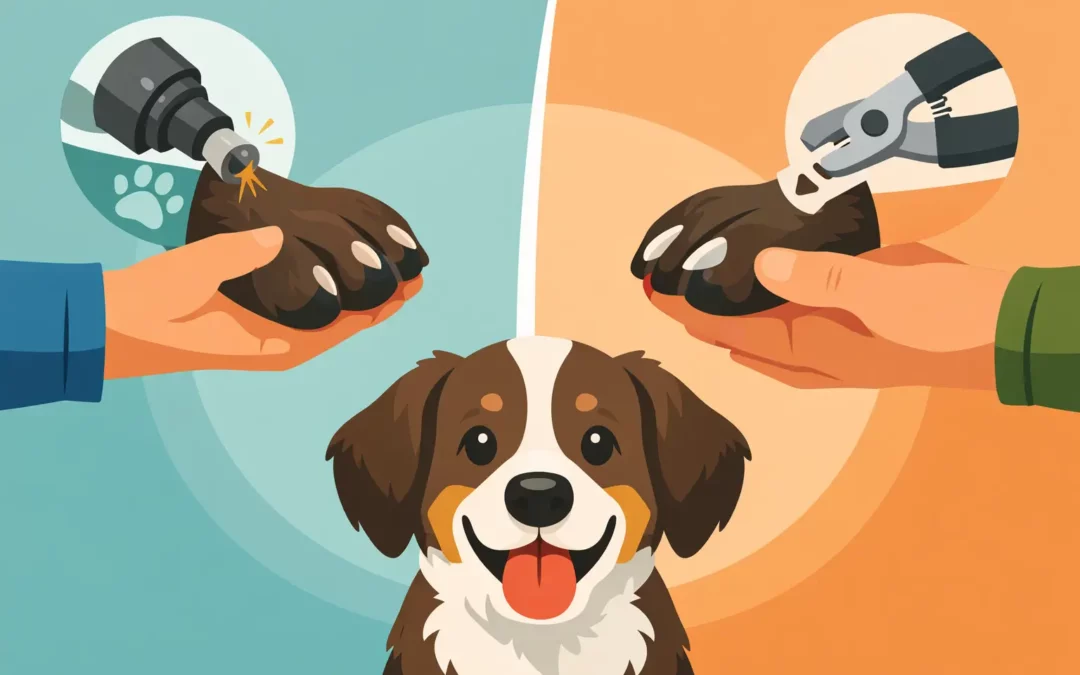
A dog’s nails can turn an ordinary walk, cuddle, or jump onto the couch into an uncomfortable experience when they grow too long. For loving pet parents, nail grinding versus nail clipping is not simply a grooming preference. It is a question of what will keep their dog calm, comfortable, and confidently moving through daily life.
Both methods can be safe, effective ways to maintain healthy paws when performed with patience and the right technique. The better choice often comes down to your dog’s nail type, temperament, past grooming experiences, and tolerance for sound and handling. A thoughtful groomer does not force one approach on every pet. They pay attention to the dog in front of them.
Why regular nail care matters for your dog
Long nails can affect more than a polished appearance. When nails touch the ground or begin clicking loudly across hard floors, they may change the way a dog stands and walks. Over time, that can place extra pressure on the toes and paws. Curled nails may also grow toward the paw pad, creating painful irritation that deserves prompt professional attention.
Regular trimming helps support comfortable movement, cleaner paws, and better traction around the home. It also gives a groomer the chance to look closely at the paw pads, nails, and spaces between the toes. For dogs who spend time outdoors in Central Florida, this kind of gentle, routine care can be especially welcome after walks on warm pavement, grass, and sandy paths.
The ideal schedule varies. Many dogs benefit from nail maintenance every three to six weeks, while active dogs that naturally wear their nails down may need less frequent attention. Small dogs, seniors, and pets who mostly walk on soft surfaces often need more consistent trims.
Nail grinding versus nail clipping: the real difference
Nail clipping uses a specialized tool to remove the tip of the nail in small sections. It is quick, quiet, and familiar to many dogs. A skilled groomer can make careful trims efficiently, which is helpful for pets who prefer a shorter appointment and do well with paw handling.
Nail grinding uses a rotating, pet-safe file to gradually smooth the nail down. Rather than making one clear cut, the groomer gently shapes the nail a little at a time. This can create a rounded finish that is less likely to feel sharp against floors, furniture, or your skin during enthusiastic greetings.
Neither option is automatically kinder or better. The right fit depends on the individual dog. Some pets dislike the pressure and quick motion of clippers but accept a grinder once they become comfortable with the sound. Others find the vibration of a grinder unsettling and relax more easily with a swift clip. Comfort should always guide the service.
The benefits of nail clipping
Clipping is often the most efficient choice for dogs with relaxed, cooperative temperaments. It does not involve motor noise or vibration, which can make a meaningful difference for sound-sensitive pets. It is also useful when a dog needs only a light trim or has nails that are already maintained on a reliable schedule.
When done properly, clipping can be precise and straightforward. Professional groomers trim conservatively, checking the nail as they go rather than taking off too much at once. This careful approach is especially valuable for dogs with dark nails, where the quick is harder to see.
There are trade-offs. Clippers can leave a sharper edge, and a nervous dog may react to the sensation of the nail being trimmed. If a nail is cut too short, it can reach the quick, the sensitive blood vessel and nerve inside the nail. That is why calm handling and professional judgment matter far more than speed.
The benefits of nail grinding
Grinding is beloved by many pet parents because it can leave nails smooth and softly rounded. It can also allow a groomer to remove small amounts gradually, helping them work carefully around the quick. For dogs with thick, tough nails, a grinder may make it easier to refine the shape after an initial trim.
This method is often a lovely option for pets whose nails catch on blankets or who tend to scratch accidentally during play. The smooth finish can feel more polished, and it is a natural complement to a pampering paw-care appointment.
Still, grinding takes a little longer and requires the dog to tolerate the sound, vibration, and warmth that can develop if the tool stays in one place too long. A considerate groomer uses brief, controlled passes and gives the dog breaks when needed. The goal is never to rush through discomfort for the sake of a perfectly smooth nail.
Which option is best for your dog?
Your dog’s response tells the most important story. A confident puppy who is still learning grooming manners may do best with short, positive introductions to either tool. An older dog with arthritis may need extra support, gentle positioning, and a method that keeps handling brief. A rescue dog with an unknown grooming history may need time to build trust before either service feels easy.
Nail color matters, too. Clear nails make the quick easier to identify, while dark nails require especially cautious, incremental work. Dogs with overgrown nails may need several appointments to gradually encourage the quick to recede. Trying to take everything off in one visit can be uncomfortable and increases the chance of cutting too close.
The best nail service may even be a combination. A groomer might carefully clip the excess length, then use a grinder to soften the edges. For another dog, grinding alone may be the calmest path. There is no prize for choosing one method over the other. There is only the reward of a dog who leaves with comfortable paws and a positive association with care.
Signs your dog may need a nail appointment
A clicking sound on tile or hardwood is a common clue, but it is not the only one. Watch for nails that extend beyond the paw, snag on fabric, curl to the side, or make it difficult for your dog to stand naturally. You may also notice your pet licking at their paws, slipping more often indoors, or resisting having their feet touched.
Do not wait if you see a nail growing into a paw pad, bleeding, split down the center, or causing obvious pain. Those concerns may require veterinary guidance, particularly if there is swelling, limping, discharge, or signs of infection. Grooming supports wellness, but a painful or injured paw deserves appropriate medical care.
Making nail care feel less stressful
The experience around the service matters as much as the tool itself. Dogs tend to feel safer when their paws are handled gently, their body is supported, and the person caring for them responds to their signals. A few moments of reassurance can change the entire appointment.
At home, you can help by touching your dog’s paws briefly during calm moments and pairing that handling with praise. Let them hear a grinder from across the room before bringing it near their feet, if that is the method they will receive. Keep practice short and cheerful. Forcing a fearful dog through nail care can make the next visit harder.
A professional grooming setting gives many pets the benefit of practiced handling, proper tools, and a calm routine. At Jolis Grooming, nail and paw care is approached as part of your dog’s comfort, not as an afterthought at the end of an appointment. Each pet deserves patient attention, whether they need a quick clip, a smooth grind, or a little extra reassurance along the way.
Healthy nails help your dog move, play, stretch, and settle in close without discomfort. When it is time for their next paw-care visit, choose the method that respects their personality and lets them leave feeling cared for from nose to tail.
