
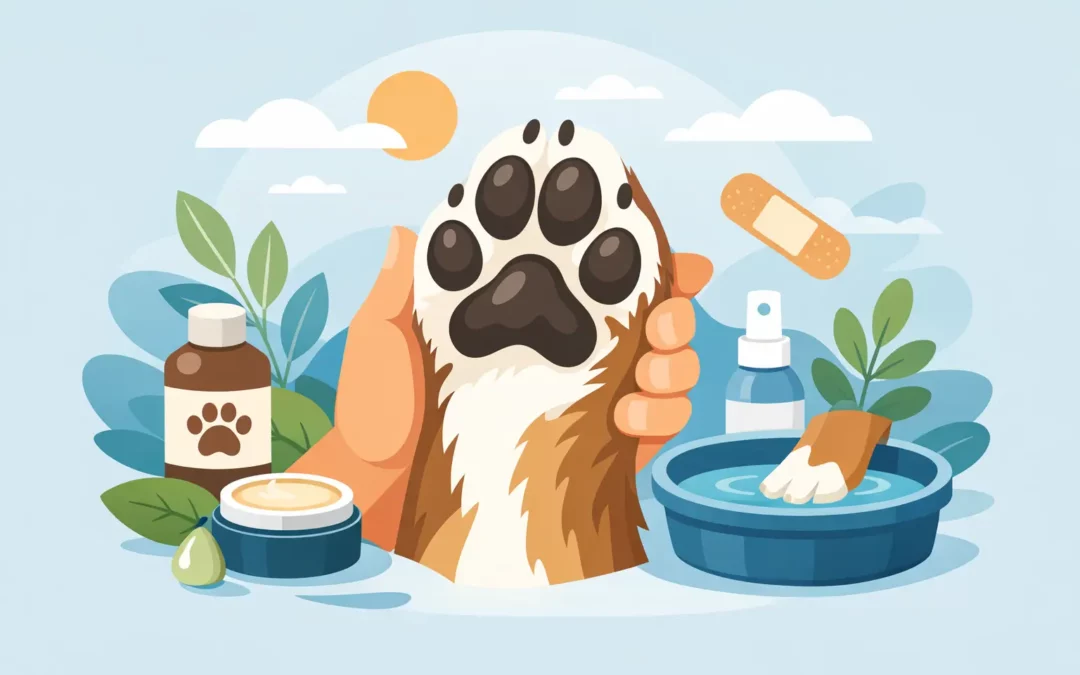
A dog who suddenly slows down on a walk, licks their feet after coming inside, or hesitates at the front door is often telling you something with their paws. Good dog paw pad care tips are not just about keeping feet neat. They help protect your dog’s comfort, confidence, and daily happiness, especially in Florida where hot pavement, sandy surfaces, and frequent outdoor time can be hard on sensitive pads.
Paw pads do a lot of quiet work. They cushion every step, help with traction, and create a barrier between your dog and whatever the ground is holding that day, from summer heat to rough sidewalks to damp grass. When they are healthy, most owners barely think about them. When they are dry, cracked, irritated, or overgrown with fur around the toes, even simple routines can become uncomfortable.
Why paw pad care matters more than many owners realize
Your dog’s paws are in constant contact with the world. Unlike a coat that can be brushed smooth or a face that can be gently cleaned, paw pads absorb wear with every walk, potty break, play session, and trip across the driveway. That means small issues can build quietly over time.
A little dryness may not seem urgent at first. Neither does a bit of redness between the toes or debris caught in the fur. But paw discomfort can lead to licking, slipping, limping, and avoidance behaviors. Some dogs become less eager to walk or play. Others keep moving because they are stoic, even when their feet are tender.
This is where thoughtful care makes such a difference. When paws are kept clean, trimmed, and well maintained, dogs tend to move more comfortably and recover better from everyday wear. For pet parents, that means fewer surprises and more peace of mind.
Dog paw pad care tips for everyday comfort
The best routine is simple enough to keep up with. You do not need an elaborate paw spa at home, but consistency matters.
Start by checking your dog’s paws regularly, ideally a few times each week and always after long walks or outdoor play. Look at the pads themselves, the spaces between the toes, and the nails. You are watching for cracks, peeling, redness, swelling, stuck debris, or anything that seems tender. If your dog pulls away sharply, that is useful information too.
Keeping paws clean is one of the easiest ways to prevent irritation. A soft wipe with a damp cloth after walks can remove dirt, grass residue, and anything your dog may later lick off. If your dog has been on especially dusty ground, wet grass, or sandy surfaces, a gentle rinse and a thorough dry can help. Moisture trapped between the toes can become its own problem, especially for dogs with thick hair on their feet.
Moisturizing can help, but only with products made specifically for dogs. Human lotions often contain fragrances or ingredients that are not ideal if licked. A pet-safe paw balm can be helpful for dry pads, especially if they feel rough or look ashy. The goal is not to make pads soft like skin care for people. Paw pads need some toughness. You want them supple enough to resist cracking while still doing their job.
Nail length also affects paw health more than many owners expect. When nails get too long, they can change how a dog places weight on the foot. That pressure shift can make walking less comfortable and may contribute to soreness over time. Regular nail care supports better paw posture, better traction, and a more natural gait.
The role of paw trimming and tidy feet
Hair around the paws can be charming, but too much of it can cause trouble. Fur that grows between the pads may trap dirt, hold moisture, and reduce traction on smooth floors. Some dogs also collect tiny bits of mulch, stickers, or debris in that fur.
A careful paw trim helps keep the foot cleaner and more comfortable. It can also reduce slipping, which is especially helpful for older dogs or nervous dogs who need to feel steady. This is one reason paw care is often part of a more complete grooming routine rather than something separate.
Seasonal paw pad care in Florida
In Central Florida, heat is one of the biggest concerns. Pavement, sidewalks, and even pool decks can become hotter than many owners realize. If the ground feels hot to your hand, it is likely too hot for your dog’s paws. Early morning and evening walks are often the kinder option during the warmest months.
Summer is also a season when dogs spend more time outside, which means more contact with rough surfaces, lawn treatments, and chlorinated pool areas. Rinsing and drying paws after outdoor time can go a long way. If your dog seems reluctant to walk on certain surfaces, trust that signal and adjust.
Rainy weather creates a different challenge. Wet paws are not always a problem on their own, but damp fur between the toes and lingering moisture around the pads can irritate sensitive skin. Dogs who are already prone to licking or allergies may need a little extra attention during wetter stretches.
Signs your dog may need more than home care
Some paw issues are mild and improve with thoughtful routine care. Others deserve professional attention or a veterinary visit. If you notice bleeding, deep cracks, persistent limping, swelling, a foul odor, or ongoing licking that does not ease up, it is best not to wait.
The same goes for paws that look consistently inflamed or painful. Sometimes the problem is environmental, such as hot surfaces or an irritant on the ground. Sometimes it points to allergies, infection, or an embedded object. It depends on the dog, the symptoms, and how long the issue has been going on.
There is also a grooming side to this conversation. If your dog strongly resists nail trims, has dense fur around the paw pads, or gets anxious during home maintenance, trying to force it can make the experience worse for everyone. Gentle professional handling can be the better path.
When professional paw care makes life easier
Many pet parents are comfortable wiping paws or applying balm at home, but paw care becomes much easier when it is supported by regular grooming. A professional can help keep nails at a healthy length, tidy excess fur around the feet, and spot early signs of irritation before they become more uncomfortable.
That is especially helpful for busy families, dogs with thick coats, seniors who need secure footing, and pets who do best with calm, experienced handling. Paw treatment is not only about appearance. It contributes to how your dog moves, stands, and feels day to day.
At a comfort-focused salon, the difference is often in how the service is delivered. A gentle touch, pet-safe products, and a calm pace matter. Dogs remember how they feel during care. When the experience is handled with patience and warmth, they are more likely to stay relaxed and cooperative over time.
For local pet parents who want that extra level of support, Jolis Grooming approaches paw care as part of a full wellness-minded grooming experience, with individualized attention designed to help each dog feel safe, pampered, and comfortable.
Building a simple routine you can actually keep
The best paw routine is one that fits naturally into your life. After walks, take a quick look at the paws. After baths, make sure the feet are fully dry. Keep up with nail trims before they become a struggle. Use a dog-safe balm when pads start looking dry, and be mindful of hot ground before heading outside.
If your dog is active, outdoors often, or sensitive to grooming, they may need a little more attention than average. If they mostly walk on softer surfaces and tolerate handling well, a lighter routine may be enough. There is no one perfect schedule for every dog.
What matters is noticing changes early and treating paw care as part of whole-body care, not an afterthought. Healthy paws support happy walks, easier playtime, and a dog who feels comfortable moving through the world beside you.
Your dog trusts you with the little things as much as the big ones, and paw care is one of those quiet acts of love that shows up in every step they take.