
by | Jul 3, 2026 | Uncategorized
A dog who suddenly slows down on a walk, licks their feet after coming inside, or hesitates at the front door is often telling you something with their paws. Good dog paw pad care tips are not just about keeping feet neat. They help protect your dog’s comfort, confidence, and daily happiness, especially in Florida where hot pavement, sandy surfaces, and frequent outdoor time can be hard on sensitive pads.
Paw pads do a lot of quiet work. They cushion every step, help with traction, and create a barrier between your dog and whatever the ground is holding that day, from summer heat to rough sidewalks to damp grass. When they are healthy, most owners barely think about them. When they are dry, cracked, irritated, or overgrown with fur around the toes, even simple routines can become uncomfortable.
Why paw pad care matters more than many owners realize
Your dog’s paws are in constant contact with the world. Unlike a coat that can be brushed smooth or a face that can be gently cleaned, paw pads absorb wear with every walk, potty break, play session, and trip across the driveway. That means small issues can build quietly over time.
A little dryness may not seem urgent at first. Neither does a bit of redness between the toes or debris caught in the fur. But paw discomfort can lead to licking, slipping, limping, and avoidance behaviors. Some dogs become less eager to walk or play. Others keep moving because they are stoic, even when their feet are tender.
This is where thoughtful care makes such a difference. When paws are kept clean, trimmed, and well maintained, dogs tend to move more comfortably and recover better from everyday wear. For pet parents, that means fewer surprises and more peace of mind.
Dog paw pad care tips for everyday comfort
The best routine is simple enough to keep up with. You do not need an elaborate paw spa at home, but consistency matters.
Start by checking your dog’s paws regularly, ideally a few times each week and always after long walks or outdoor play. Look at the pads themselves, the spaces between the toes, and the nails. You are watching for cracks, peeling, redness, swelling, stuck debris, or anything that seems tender. If your dog pulls away sharply, that is useful information too.
Keeping paws clean is one of the easiest ways to prevent irritation. A soft wipe with a damp cloth after walks can remove dirt, grass residue, and anything your dog may later lick off. If your dog has been on especially dusty ground, wet grass, or sandy surfaces, a gentle rinse and a thorough dry can help. Moisture trapped between the toes can become its own problem, especially for dogs with thick hair on their feet.
Moisturizing can help, but only with products made specifically for dogs. Human lotions often contain fragrances or ingredients that are not ideal if licked. A pet-safe paw balm can be helpful for dry pads, especially if they feel rough or look ashy. The goal is not to make pads soft like skin care for people. Paw pads need some toughness. You want them supple enough to resist cracking while still doing their job.
Nail length also affects paw health more than many owners expect. When nails get too long, they can change how a dog places weight on the foot. That pressure shift can make walking less comfortable and may contribute to soreness over time. Regular nail care supports better paw posture, better traction, and a more natural gait.
The role of paw trimming and tidy feet
Hair around the paws can be charming, but too much of it can cause trouble. Fur that grows between the pads may trap dirt, hold moisture, and reduce traction on smooth floors. Some dogs also collect tiny bits of mulch, stickers, or debris in that fur.
A careful paw trim helps keep the foot cleaner and more comfortable. It can also reduce slipping, which is especially helpful for older dogs or nervous dogs who need to feel steady. This is one reason paw care is often part of a more complete grooming routine rather than something separate.
Seasonal paw pad care in Florida
In Central Florida, heat is one of the biggest concerns. Pavement, sidewalks, and even pool decks can become hotter than many owners realize. If the ground feels hot to your hand, it is likely too hot for your dog’s paws. Early morning and evening walks are often the kinder option during the warmest months.
Summer is also a season when dogs spend more time outside, which means more contact with rough surfaces, lawn treatments, and chlorinated pool areas. Rinsing and drying paws after outdoor time can go a long way. If your dog seems reluctant to walk on certain surfaces, trust that signal and adjust.
Rainy weather creates a different challenge. Wet paws are not always a problem on their own, but damp fur between the toes and lingering moisture around the pads can irritate sensitive skin. Dogs who are already prone to licking or allergies may need a little extra attention during wetter stretches.
Signs your dog may need more than home care
Some paw issues are mild and improve with thoughtful routine care. Others deserve professional attention or a veterinary visit. If you notice bleeding, deep cracks, persistent limping, swelling, a foul odor, or ongoing licking that does not ease up, it is best not to wait.
The same goes for paws that look consistently inflamed or painful. Sometimes the problem is environmental, such as hot surfaces or an irritant on the ground. Sometimes it points to allergies, infection, or an embedded object. It depends on the dog, the symptoms, and how long the issue has been going on.
There is also a grooming side to this conversation. If your dog strongly resists nail trims, has dense fur around the paw pads, or gets anxious during home maintenance, trying to force it can make the experience worse for everyone. Gentle professional handling can be the better path.
When professional paw care makes life easier
Many pet parents are comfortable wiping paws or applying balm at home, but paw care becomes much easier when it is supported by regular grooming. A professional can help keep nails at a healthy length, tidy excess fur around the feet, and spot early signs of irritation before they become more uncomfortable.
That is especially helpful for busy families, dogs with thick coats, seniors who need secure footing, and pets who do best with calm, experienced handling. Paw treatment is not only about appearance. It contributes to how your dog moves, stands, and feels day to day.
At a comfort-focused salon, the difference is often in how the service is delivered. A gentle touch, pet-safe products, and a calm pace matter. Dogs remember how they feel during care. When the experience is handled with patience and warmth, they are more likely to stay relaxed and cooperative over time.
For local pet parents who want that extra level of support, Jolis Grooming approaches paw care as part of a full wellness-minded grooming experience, with individualized attention designed to help each dog feel safe, pampered, and comfortable.
Building a simple routine you can actually keep
The best paw routine is one that fits naturally into your life. After walks, take a quick look at the paws. After baths, make sure the feet are fully dry. Keep up with nail trims before they become a struggle. Use a dog-safe balm when pads start looking dry, and be mindful of hot ground before heading outside.
If your dog is active, outdoors often, or sensitive to grooming, they may need a little more attention than average. If they mostly walk on softer surfaces and tolerate handling well, a lighter routine may be enough. There is no one perfect schedule for every dog.
What matters is noticing changes early and treating paw care as part of whole-body care, not an afterthought. Healthy paws support happy walks, easier playtime, and a dog who feels comfortable moving through the world beside you.
Your dog trusts you with the little things as much as the big ones, and paw care is one of those quiet acts of love that shows up in every step they take.
by | Jul 1, 2026 | Uncategorized
That thick cloud of fur on your floor is usually your first clue that your dog’s coat needs more than a quick once-over. If you have been wondering how to brush double coat dogs without causing discomfort or creating an even bigger mess, the good news is that the right approach can make grooming feel calmer, cleaner, and much more manageable for both of you.
Double-coated dogs have two layers working together. The topcoat helps protect against dirt, moisture, and sun, while the soft undercoat acts like insulation. Breeds such as Golden Retrievers, Huskies, German Shepherds, Australian Shepherds, and Pomeranians often have this coat type, and it needs thoughtful care. Brushing is not just about appearance. It supports skin health, reduces painful tangles, helps control shedding, and keeps your dog more comfortable in Florida’s warm, humid weather.
Why brushing a double coat needs a different approach
A double coat should never be treated like a short, single coat. The outer layer can look neat even when the undercoat is packed with loose hair close to the skin. That is why some dogs seem brushed on the surface but still shed heavily or develop hidden mats around the neck, behind the ears, under the legs, and around the hindquarters.
The biggest mistake pet parents make is brushing only the top layer. It feels productive, but it leaves behind the dense undercoat that causes most of the trouble. Gentle, thorough brushing reaches all the way through without scraping the skin or breaking healthy coat.
There is a balance here. Too little brushing leads to tangles, trapped debris, and more shedding around the house. Too much pressure, or the wrong tool, can irritate the skin and damage the protective topcoat. The goal is not to strip the coat down. It is to remove what is loose, keep the layers separated and breathable, and leave your dog looking polished and feeling relaxed.
How to brush double coat dogs without stressing them out
Start in a quiet space where your dog can settle. A grooming table is helpful if your dog is comfortable with it, but a non-slip mat on the floor works well too. Keep sessions calm, offer praise often, and do not expect a full perfect groom if your dog is new to brushing. For some pets, ten peaceful minutes is far better than thirty frustrating ones.
Before you begin, lightly mist the coat with a dog-safe grooming spray if you have one. Brushing a completely dry coat can create static and make hair break more easily, especially in longer-coated breeds. The coat should be slightly dampened, not wet.
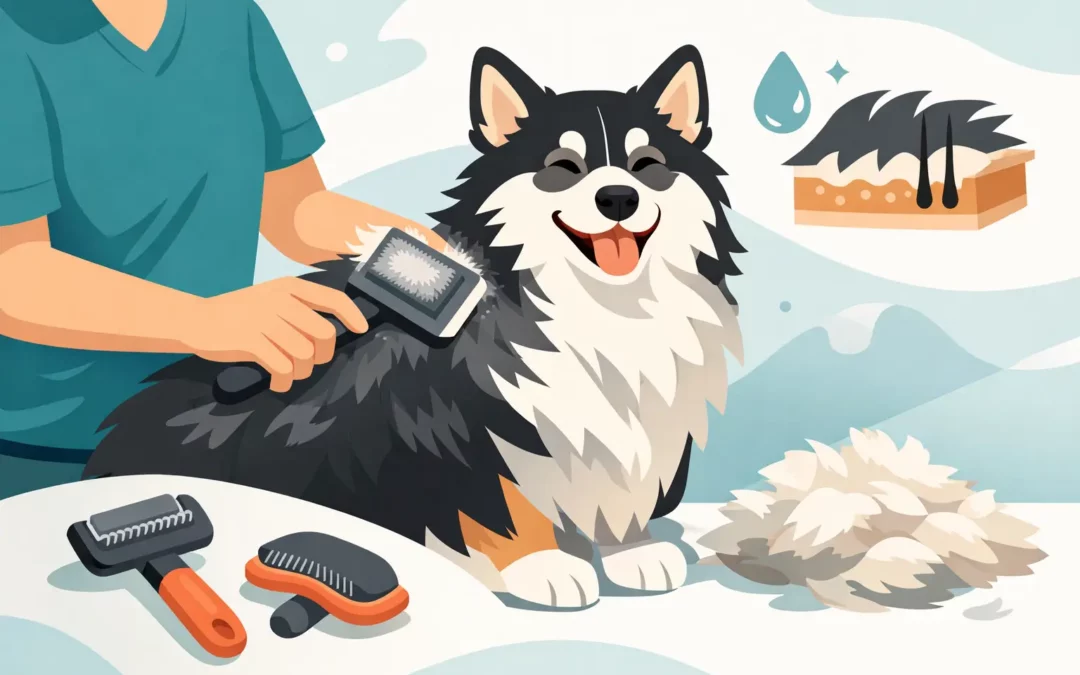
The best technique is often called line brushing. Begin near the back legs or lower side of the body and part the coat so you can see the skin. Brush a small section outward, then move up bit by bit. This keeps you from skating across the top and missing the undercoat underneath.
A slicker brush is useful for loosening debris and removing light tangles. An undercoat rake can help lift out loose, dead undercoat in heavier shedders. A steel comb is excellent for checking your work, especially in feathered areas where mats like to hide. You do not need to overcomplicate it, but using one tool for every coat and every situation usually falls short.
Brush with gentle, controlled strokes. If you hit resistance, pause and work the section from the ends outward instead of pulling from the skin. Tugging turns grooming into something your dog dreads, and once that happens, every future session gets harder.
The order matters more than most owners realize
When learning how to brush double coat dogs, sequence makes a difference. Start with easier areas so your pet can settle into the routine. The shoulders, sides, and back are often the least sensitive. Once your dog is relaxed, move to the chest, feathering, tail, and the spots where mats form more easily.
Behind the ears deserves extra attention. The hair there is soft and fine, which means it mats faster than many owners expect. The same is true in the armpits and around the rear. These areas need patience, not force.
Finish by running a comb through the coat. If the comb glides through smoothly from skin to tip, you have likely done a thorough job. If it catches, there is still loose coat or a tangle that needs a gentler second pass.
How often should you brush a double-coated dog?
It depends on breed, coat length, activity level, and season. Many double-coated dogs do well with brushing two to three times a week. During seasonal coat blows, daily brushing may be the difference between a manageable routine and tumbleweeds of fur drifting across your living room.
If your dog spends plenty of time outdoors, swims often, or has longer feathering, more frequent maintenance usually helps. If your dog has a shorter plush double coat, you may not need long sessions as often, but consistency still matters. Small, regular grooming sessions are usually kinder than waiting until the coat is impacted and uncomfortable.
In Central Florida, humidity can make the undercoat hold onto moisture and debris. That means a neglected coat can start to feel heavy and congested faster than many owners expect. Regular brushing keeps air moving through the coat and helps your dog stay more comfortable.
Common mistakes that can damage the coat
One of the most common mistakes is shaving a double coat without a medical reason. Many owners think removing all that hair will help a dog stay cooler, but double coats are designed to regulate temperature and protect the skin. Shaving can interfere with regrowth, leave the skin vulnerable, and sometimes change the texture of the coat.
Another issue is using excessive force with deshedding tools. Some tools are helpful in skilled hands, but overuse can cut healthy topcoat and leave the coat looking patchy or rough. If your dog’s coat suddenly appears thin or uneven after brushing, the tool or technique may be too aggressive.
Skipping baths is another hidden problem. A clean coat brushes out better than a dirty one. Dirt, oils, and trapped loose hair cling together, making brushing less effective and less comfortable. For many double-coated breeds, a proper bath followed by a fluff dry and brush-out gives the best results, especially during heavy shedding seasons.
When at-home brushing is enough, and when professional help makes sense
Routine maintenance at home is a wonderful way to bond with your dog and keep the coat in good shape between appointments. If your pet enjoys brushing and the coat stays free of mats, regular home care can go a long way.
But there are times when professional grooming is the kinder option. If the undercoat is impacted, the hair is compacted close to the skin, or your dog resists brushing because of discomfort, it is easy to make things worse by pushing through. Senior dogs, puppies, and anxious pets often benefit from a gentler, more structured grooming experience.
A professional groomer can safely bathe, dry, and brush the coat in a way that removes deep loose undercoat without unnecessary pulling. That is especially helpful for dogs in full shed, dogs with thick seasonal coats, or busy pet parents who want their dog looking fresh and feeling comfortable without the struggle.
At Jolis Grooming, comfort is part of the service, not an afterthought. For double-coated dogs, that kind of patient, personalized handling can make all the difference between a stressful grooming day and a soothing one.
A brushing routine your dog can actually enjoy
The most effective grooming routine is the one you can keep up with. Choose a time when your dog is naturally calm, keep your tools nearby, and make brushing feel predictable and pleasant. A few minutes after an evening walk or before bedtime often works better than trying to squeeze it in when everyone is rushed.
Watch your dog’s signals. If your pet starts leaning into the brush, relaxing, or calmly standing for the next section, you are on the right track. If your dog flinches, turns away, or becomes restless, it may be time to adjust your pressure, shorten the session, or ask for professional support.
A beautifully maintained double coat is not just about reducing shedding or keeping your dog photo-ready. It is about comfort, cleanliness, and caring for your pet in a way they can feel. When brushing is done gently and consistently, it becomes one more way to show your dog they are safe, cherished, and very well cared for.
by | Jun 29, 2026 | Uncategorized
A happy dog can go from tail wags to total resistance the moment the nail clippers come out. If you have ever picked up your pup’s paw and felt your own nerves kick in, you are not alone. Learning how to trim dog nails safely is one of the most common concerns pet parents have, because it sits right at the intersection of grooming, comfort, and trust.
Nail care matters for more than neat paws. When nails get too long, they can change the way a dog walks, put extra pressure on the toes, and make everyday movement less comfortable. Over time, overgrown nails may snag on fabric, split, or contribute to sore paws. For dogs who love walks, playtime, and cozy routines at home, keeping nails at a healthy length helps them move with more ease and confidence.
Why safe nail trimming matters
There is a reason so many loving dog owners feel hesitant about trimming nails. The quick, which is the sensitive area inside the nail that contains blood vessels and nerves, can be difficult to see, especially on dark nails. Cutting too far can cause pain and bleeding, and even one uncomfortable experience can make future trims much harder.
That is why a calm approach matters just as much as the actual cut. Safe nail trimming is not about rushing through the task. It is about creating a gentle, low-stress experience that protects your dog physically while also preserving their trust. Some dogs tolerate nail care easily, while others need more time, reassurance, and repetition. It depends on their personality, past experiences, age, and overall sensitivity to handling.
How to trim dog nails safely without making it stressful
The best time to trim your dog’s nails is when your pet is already relaxed. After a walk, after a bath, or during a quiet evening at home often works better than trying to trim nails in the middle of a high-energy moment. Softer nails after a bath can also make clipping a little easier.
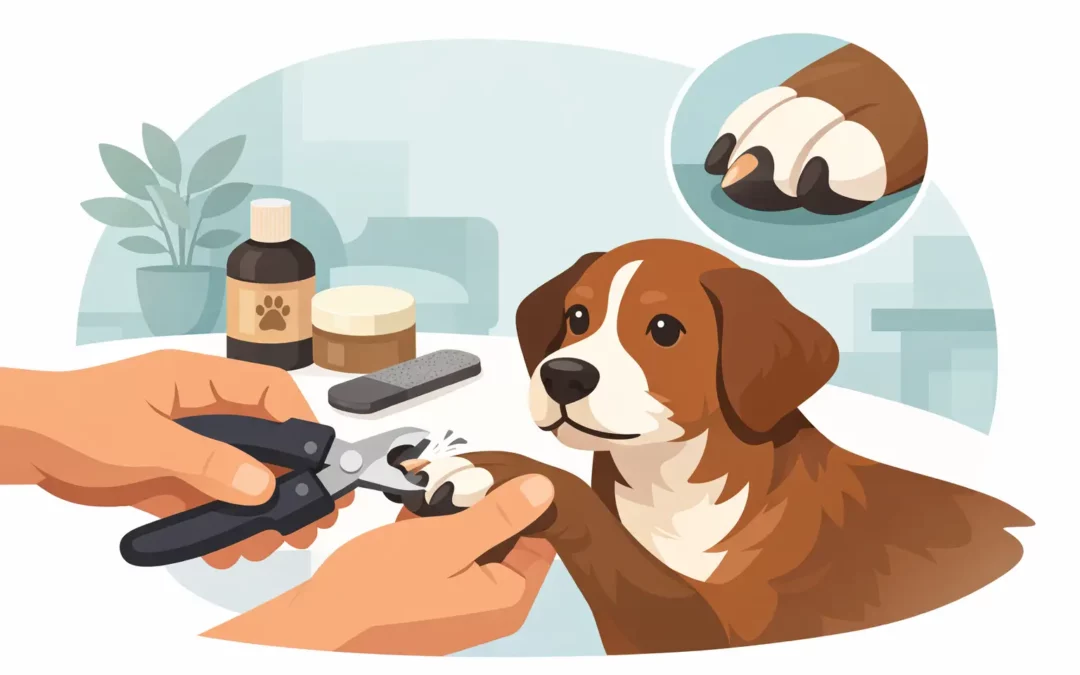
Start by gathering what you need before you bring your dog over. That usually means a quality pair of dog nail clippers or a grinder, a towel if needed for stability, treats for positive reinforcement, and styptic powder in case you accidentally cut too close. Having everything within reach helps you stay calm, and your dog will pick up on that energy.
Choose a comfortable spot with good lighting. If your dog is small, you may feel more in control with them in your lap or on a stable surface. For larger dogs, the floor is often the least stressful option. Some pets do better standing, while others feel safer lying on their side. There is no single perfect position. The goal is simply to keep your dog secure and comfortable without forcing them into a setup that makes them tense.
Get your dog comfortable with paw handling first
If your dog pulls away the moment you touch their feet, slow down before attempting a trim. Spend a few short sessions gently touching the legs, paws, and individual toes, then reward with praise or treats. Let your dog see and sniff the clippers without using them. For very sensitive dogs, this step alone may be the win for the day.
Building comfort in stages can make a dramatic difference. One day you may only hold the paw. On another, you may tap the clipper lightly against one nail and stop there. This may feel slower than you hoped, but it is often the fastest route to long-term success because it prevents panic and creates better associations.
Clip a little at a time
When you are ready to trim, hold the paw gently but securely. Look at the nail from the side and aim to remove only the small hook at the tip. On light-colored nails, you can often see the pink quick more clearly, which helps guide where to stop. On dark nails, clip very small amounts at a time and check the center of the cut end as you go. If it begins to look lighter or shows a small dark dot in the center, you are getting close to the quick.
This is one of the most important parts of how to trim dog nails safely. Small trims are better than ambitious ones. Taking off a little every couple of weeks is often less stressful and safer than waiting too long and trying to remove a large amount all at once.
Consider a grinder for smoother edges
Some pet parents prefer a nail grinder instead of clippers, especially for dogs with thick nails or sharp edges after clipping. A grinder can give you more gradual control, but the sound and vibration can bother some dogs. Others tolerate it beautifully. It depends on the dog.
If you use a grinder, introduce it slowly just as you would with clippers. Let your dog hear the sound from a distance first, then reward calm behavior. Keep sessions short, and avoid holding the grinder on one nail too long since friction can create heat and discomfort.
What if you cut the quick?
Even very careful pet parents and experienced groomers can occasionally nick the quick. If it happens, try not to panic. Your dog will respond to your tone and body language, so staying composed helps.
Apply styptic powder to the nail with gentle pressure. In many cases, the bleeding stops quickly. Offer comfort, praise, and a break. If your dog is upset, it is perfectly fine to stop and try again another day. One difficult moment does not mean you have failed. It simply means your dog may need a gentler reset before the next session.
Signs it may be better to leave nail trimming to a professional
Home nail trims are possible for many dogs, but they are not the best fit for every household or every pet. If your dog becomes extremely fearful, squirms constantly, has very dark or thick nails, or has had a bad past experience, professional help can be the kinder option. Senior dogs, dogs with mobility issues, and pets with medical conditions may also be more comfortable with an experienced groomer who knows how to support them safely.
Professional nail care is not just about convenience. It can be a comfort-focused service that protects your dog from unnecessary stress. In a gentle grooming setting, nail trims are handled with practiced technique, calm restraint, and attention to each pet’s emotional needs. For many families, that peace of mind is worth it.
There is no fixed schedule that works for every dog. Activity level, breed, age, walking surfaces, and natural nail growth all play a part. Dogs who walk regularly on pavement may wear their nails down more than dogs who spend most of their time on grass or indoors.
A simple rule of thumb is to listen as your dog walks across a hard floor. If you hear frequent clicking, the nails may be too long. Ideally, nails should not press excessively against the floor when your dog is standing naturally. If you are unsure, even a quick professional assessment can help you understand what healthy length looks like for your individual pet.
Making nail care part of a pampering routine
Nail trimming tends to go better when it feels familiar instead of dramatic. Pairing paw handling with treats, affection, and calm attention helps turn grooming into part of your dog’s regular wellness routine. For some pups, a trim after a bath or brush-out feels more natural because they are already in a care mindset.
You can also think beyond the nails themselves. Healthy paw pads, clean feet, and a tidy coat around the paws all contribute to your dog’s comfort. When grooming is approached as thoughtful care rather than a rushed chore, pets often settle more easily, and owners feel more confident too.
For local families who would rather place nail care in experienced hands, a comfort-first salon visit can make the process feel much more relaxed. At Jolis Grooming, gentle handling and individualized attention are at the heart of every service, helping pets feel cared for, not rushed.
When patience matters more than perfection
Some days, you may trim all the nails. Some days, you may only manage one paw. That is still progress. The safest, kindest approach is the one that respects your dog’s comfort level while keeping their paws healthy over time.
If you remember one thing, let it be this: your dog does not need a perfect at-home pedicure. They need steady care, calm reassurance, and a routine that keeps them comfortable with every step.
by | Jun 27, 2026 | Uncategorized
A grooming appointment tends to go better before your dog ever reaches the salon door. If you are wondering how to prepare dog for grooming, the goal is not perfection. It is helping your pet feel calm, comfortable, and familiar with the process so grooming feels more like care and less like a surprise.
For many dogs, the hardest part of grooming is not the bath, brush, or trim. It is the unfamiliar handling, the sounds, and the change in routine. A little thoughtful preparation at home can make a meaningful difference. It can also help your groomer give your dog a more polished, comfortable experience from start to finish.
Why preparation matters before a grooming visit
Dogs pick up on energy quickly. If the day feels rushed, noisy, or tense, they often carry that stress into the appointment. When they have had a chance to get used to touch, brushing, paw handling, and short periods of standing still, the whole visit usually feels gentler and easier.
Preparation also supports better results. A dog that is relaxed is safer to work with and more comfortable during face trims, nail care, ear cleaning, and coat maintenance. That matters whether your pet needs a simple bath and fluff and brush or a full groom. Comfort is not separate from appearance. It is part of good grooming.
How to prepare dog for grooming at home
The best approach is steady and low-pressure. A dramatic practice session the night before is rarely as helpful as a few calm minutes several times a week.
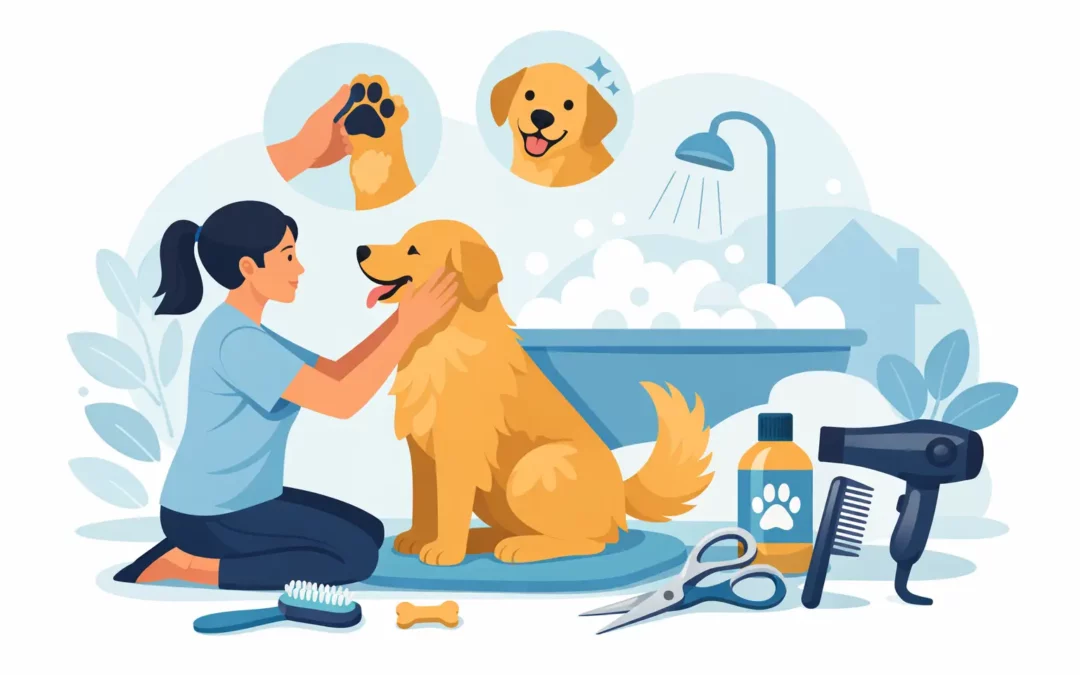
Start with handling. Touch your dog’s paws, lift each ear gently, stroke around the muzzle, and run your hand along the legs and tail. Offer praise in a warm, relaxed voice. If your dog pulls away, do not force it. Pause, keep the moment positive, and try again later. Building trust is more effective than pushing through resistance.
Brushing is another important part of preparation, even for short-haired breeds. It helps your dog get used to the sensation of coat care and lets you check for mats, tangles, irritated skin, or sensitive spots. If your dog has a dense, curly, or longer coat, this step matters even more. Severe matting can make grooming uncomfortable and may limit what style options are realistic at the appointment.
Bathing at home is optional. In some cases, it helps. In others, it creates more stress than benefit, especially if your dog already dislikes water or blow drying. If your pet is due for professional grooming soon, a better choice may be simple maintenance at home and then letting the salon handle the full bathing process with the right tools and products.
Practice the small things your dog will experience
A grooming visit involves more than washing and trimming. Your dog may be asked to stand on a table, tolerate light restraint, hear dryers, and have paws handled for nail care. You can gently introduce pieces of that routine at home.
Let your dog stand on a stable surface for a few seconds while you calmly touch the body and reward stillness. Turn on a hair dryer across the room for a brief moment so the sound becomes less startling. Hold a paw, separate the toes lightly, then release. Lift the chin for a second as if preparing for a face trim. These tiny moments teach your dog that grooming-related handling is not something to fear.
It is worth paying attention to limits, though. Some dogs adapt quickly. Others need more time, especially puppies, rescues, or pets with a history of anxious appointments. Progress counts even when it is small.
Timing matters on grooming day
The day of the appointment should feel calm and predictable. Give your dog a chance to go outside beforehand for a bathroom break and a little movement. A short walk can help burn off nervous energy, but this is not the time for an exhausting outing in the Florida heat. You want your dog comfortable, not overstimulated or worn out.
Feeding is another place where balance matters. A very full stomach right before grooming can leave some dogs uncomfortable, especially during a bath or while being handled. A very hungry dog may be restless. Many pet owners find that a light meal with enough time to settle works well, but it can depend on your dog’s age, routine, and sensitivity.
Try not to rush the drop-off. Dogs often mirror their owners, so a calm goodbye helps. If you act as though the visit is safe and normal, your pet is more likely to take that cue.
What to tell your groomer before the appointment
Good grooming is personal. The more your groomer knows, the better they can tailor the experience to your dog’s needs.
Share anything that affects comfort or behavior. That might include anxiety around nail trims, sensitivity near the ears, skin allergies, stiffness in the hips, a tendency to nip when startled, or past grooming experiences that did not go well. If your dog is a puppy, senior, or first-time client, that is helpful information too.
You should also be clear about goals. If your main priority is comfort, say so. If you want extra attention on paw care, facial tidying, coat maintenance, or freshening up between full grooms, mention that as well. A thoughtful groomer will weigh your preferences against your dog’s coat condition, temperament, and tolerance that day.
Sometimes pet parents come in with a style in mind, but the dog’s coat tells a different story. Mats, heavy shedding, skin irritation, or a dog’s stress level may call for a more practical approach. That is not a disappointment. It is part of responsible care.
How to prepare an anxious dog for grooming
Some dogs need more than routine preparation. They need reassurance, repetition, and a gentler pace.
If your dog becomes nervous around handling, start your prep several days or even weeks ahead. Keep sessions short. Reward calm behavior. End before your dog gets overwhelmed. It is better to have five positive one-minute sessions than one long struggle.
Your own tone matters too. Comforting your dog is good. Accidentally signaling that something is wrong is less helpful. A cheerful, steady presence usually works best. Treat grooming prep like a normal part of caring for your dog, not a looming event.
For highly sensitive dogs, consistency can help more than anything. Seeing the same groomer, using a salon that prioritizes gentle handling, and booking regular appointments instead of waiting until the coat is difficult to manage often leads to better long-term results. At Jolis Grooming, that comfort-first approach is central because pets respond so much better when they feel safe, seen, and patiently cared for.
A few things not to do before grooming
Preparation should reduce stress, not add to it. Avoid trying brand-new products right before the appointment, especially scented sprays, shampoos, or home trimming tools your dog has never experienced. Skin reactions and fear responses are not worth the risk.
It is also best not to cut out mats with scissors at home. What looks like a simple tangle can sit very close to the skin, and accidental injury happens quickly. If your dog has tight matting, let a professional assess it safely.
Another common mistake is waiting too long between appointments. When nails are overgrown, coats are heavily matted, or the dog is already uncomfortable, grooming becomes harder for everyone. Regular care usually feels more pleasant and keeps the experience familiar.
Preparing puppies and first-time dogs
A first appointment sets the tone. Puppies and dogs new to grooming do best when the experience is introduced as something kind and manageable.
Before the visit, focus less on achieving perfect brush-outs and more on helping your dog accept touch. Practice opening the mouth gently, holding the collar, checking the paws, and brushing for a minute or two at a time. Keep the energy light. Treats, praise, and patience go a long way.
It also helps to keep expectations realistic. A puppy may not be ready for an elaborate grooming session right away. Sometimes the best first visit is about building trust, creating a positive memory, and getting comfortable with the environment. That foundation often leads to smoother appointments in the future.
The real goal of grooming prep
When people think about grooming, they often picture the visible result – a clean coat, tidy face, fresh paws, and that polished look everyone loves. But preparation is really about how your dog feels during the process. A pet who arrives calmer, cleaner underneath the coat, and more familiar with handling is more likely to have a positive experience.
That is what thoughtful grooming should be. Not a stressful errand, but a form of care that supports comfort, hygiene, and confidence. When you prepare with that in mind, you are not just getting your dog ready for an appointment. You are helping make grooming a gentler part of a happy, healthy routine.

by | Jun 25, 2026 | Uncategorized
A happy greeting, a soft coat, and that clean just-groomed look are easy to notice. Bad breath is harder to ignore. If you have been searching for pet teeth cleaning near me, chances are you are not just thinking about appearance – you are thinking about comfort, freshness, and the kind of everyday care that helps your dog feel better up close.
For many pet parents, dental care slips down the list until the signs become obvious. You lean in for a cuddle and notice a strong odor. Your dog seems less excited about chew toys. Maybe you spot buildup along the gumline during bath time. Those little moments matter because oral hygiene is closely tied to your pet’s overall wellness, and regular attention can make a real difference.
Why search for pet teeth cleaning near me?
Convenience is part of it, but trust is the bigger reason. When you choose a local grooming salon for teeth cleaning support, you want a team that treats your dog gently, notices small changes, and understands that every visit should feel calm and reassuring. Dental-focused grooming services can be a valuable part of a routine that keeps your pet looking polished and feeling more comfortable.
Fresh breath is one of the first benefits owners notice, but it is not the only one. Cleaning away visible buildup can help your dog feel cleaner and more pleasant during those close family moments – car rides, couch snuggles, and face-to-face greetings. It also supports a more complete grooming routine, where coat care, paw care, and oral care work together instead of being treated as separate chores.
That said, expectations matter. A grooming-based teeth cleaning service is not the same as a veterinary dental procedure. If a dog is showing signs of pain, bleeding, severe tartar, swelling, or trouble eating, that calls for veterinary attention. For many pets, though, regular grooming support is a wonderful way to stay on top of hygiene between more advanced dental needs.
What pet teeth cleaning near me should feel like
The best experience should feel gentle from start to finish. Your dog should not be rushed, handled roughly, or treated like part of a conveyor belt. A comfort-first approach matters because pets respond to energy, pace, and touch. When the environment is calm and the service is personalized, the whole experience tends to go more smoothly for both pets and owners.
That is especially true for dogs who are sensitive about their face or mouth. Some pets accept oral care easily. Others need patience, reassurance, and a slower introduction. A quality salon understands the difference. Instead of forcing a one-size-fits-all routine, the service should be adjusted to your pet’s temperament, age, and comfort level.
Cleanliness matters too. Oral care should be performed with pet-safe products and careful handling, in a setting where hygiene and overall wellness are clearly priorities. For pet parents, peace of mind comes from knowing the people caring for their dog are paying attention not just to the result, but to how that result is achieved.
Signs your dog may benefit from teeth cleaning
Not every dental issue announces itself dramatically. Often, the first clue is a change in your dog’s breath. Persistent odor is common, but it should not be brushed off as normal. Visible buildup on the teeth, especially near the gums, is another sign that your dog may benefit from professional attention as part of a grooming routine.
You may also notice your dog becoming less enthusiastic about chew toys, licking more around the mouth, or seeming slightly uncomfortable when you touch the face. Some pets continue eating normally even when their mouth does not feel its best, which is why visual signs and odor can be so helpful.
Age can play a role as well. Senior dogs often need more support with ongoing hygiene, while smaller breeds may be more prone to dental buildup. Even so, every dog is different. A young dog with regular care may stay fresher longer, while another may need more frequent attention. That is why personalized service matters more than assumptions.
How teeth cleaning fits into a full grooming routine
Oral care makes the biggest impact when it is not treated as an afterthought. A dog who comes in for a bath, face trim, brush-out, nail service, and teeth cleaning leaves with more than a neater appearance. They leave feeling refreshed from nose to tail.
That kind of all-around care is part of what many pet owners are really looking for when they search locally. They want one trusted place that understands the full picture of pet wellness. Fresh teeth, clean paws, a soft coat, and a tidy face all contribute to comfort. They also make home life nicer for everyone. Your dog feels pampered, and you get more of those close, happy moments without worrying about odor, overgrown nails, or that unkempt in-between stage.
A thoughtful grooming appointment also gives professionals a chance to notice visible changes. While a grooming salon does not replace a veterinarian, regular visits can help pet owners stay more aware of issues that may need a closer look.
Choosing a local provider with the right touch
When comparing options for pet teeth cleaning near me, it helps to look beyond the basic service list. The real question is how your dog will be treated. A neighborhood salon with a personalized approach often offers something large-volume operations cannot – familiarity, consistency, and genuine attention.
Ask yourself whether the business feels welcoming and calm. Do they emphasize pet comfort? Do they speak about dogs with warmth and respect, not just efficiency? Do they offer a well-rounded grooming experience rather than a rushed add-on service? Those details often tell you more than flashy promises.
It is also helpful to choose a provider that values communication. Pet parents deserve a clear understanding of what the service includes, what it does not include, and whether anything visible suggests a future veterinary check may be wise. Honest guidance builds trust, and trust is everything when someone is caring for your dog.
For local families in Longwood and nearby Central Florida communities, that boutique level of care can make all the difference. Jolis Grooming is built around that kind of experience – warm, attentive, and centered on making pets feel safe, clean, and beautifully cared for.
What to expect before and after the appointment
Most dogs do best when grooming visits feel predictable. Before the appointment, it helps to arrive with a calm mindset of your own. Dogs read our energy quickly. If your pet is new to professional grooming or tends to be nervous, letting the groomer know ahead of time allows the team to adjust the pace and handling style.
After the visit, many owners notice the change right away. Breath smells fresher. The mouth area looks cleaner. Their dog often seems more comfortable, especially when the appointment includes other pampering services like bathing and face grooming. It is a small detail with a big effect because oral freshness changes everyday interactions.
The results are best maintained with consistency. One appointment can help, but regular care is where the real payoff happens. Just like coat maintenance, dental hygiene tends to look and feel better when it is part of a routine instead of a last-minute fix.
A cleaner smile, a more comfortable dog
Searching for pet teeth cleaning near me is really about wanting your dog to feel good in the ways that matter every day. It is about fresher kisses, happier cuddles, and the confidence that comes from knowing your pet is being cared for with kindness and attention.
The right grooming experience should leave your dog looking polished, feeling pampered, and enjoying that extra level of comfort that thoughtful care provides. And for pet parents, there is something reassuring about knowing that even the small details – like a clean smile – are being handled with love.
by | Jun 23, 2026 | Uncategorized
A shaggy muzzle can be charming until it starts trapping food, blocking vision, or irritating the eyes. This complete guide to dog face trimming is here for pet parents who want their dog to look polished, feel comfortable, and stay clean without turning grooming into a stressful experience.
Face trimming is one of the most noticeable parts of grooming, but it is also one of the most delicate. The hair around the eyes, nose, mouth, ears, and chin affects far more than appearance. When facial hair gets too long, it can hold moisture, collect debris, and make everyday comfort harder for your dog. A thoughtful trim helps your pet see more clearly, stay fresher between baths, and enjoy that soft, cared-for look so many owners love.
Why dog face trimming matters more than people think
A tidy face is not just about style. For many dogs, especially doodles, Shih Tzus, schnauzers, poodles, Yorkies, and other breeds with continuously growing hair, facial maintenance supports comfort in very real ways. Hair hanging into the eyes may lead to irritation or extra tearing. A heavy beard can stay damp after drinking water and create odor or skin issues. Long fur around the mouth can catch food and quickly become messy.
There is also the emotional side of grooming. Dogs tend to do better when they can see clearly and when sensitive areas are kept clean and comfortable. Pet parents notice it too. A neat face often makes a dog look brighter, happier, and better cared for, which is why face trims are one of the most requested touch-up services at grooming appointments.
A complete guide to dog face trimming starts with the dog, not the style
The best trim depends on coat type, breed, facial structure, skin sensitivity, and temperament. Some dogs suit a soft, rounded teddy bear face. Others look best with crisp breed-specific lines. And some simply need a practical trim that keeps the eyes open and the muzzle clean.
This is where a personalized approach matters. A cute style on one dog may be uncomfortable on another. Dogs with prominent eyes need extra care around the face. Senior pets may need shorter appointments or gentler handling. Nervous dogs often benefit from calm, patient grooming rather than a rushed trim. Good grooming is never one-style-fits-all.
The areas that deserve the most attention
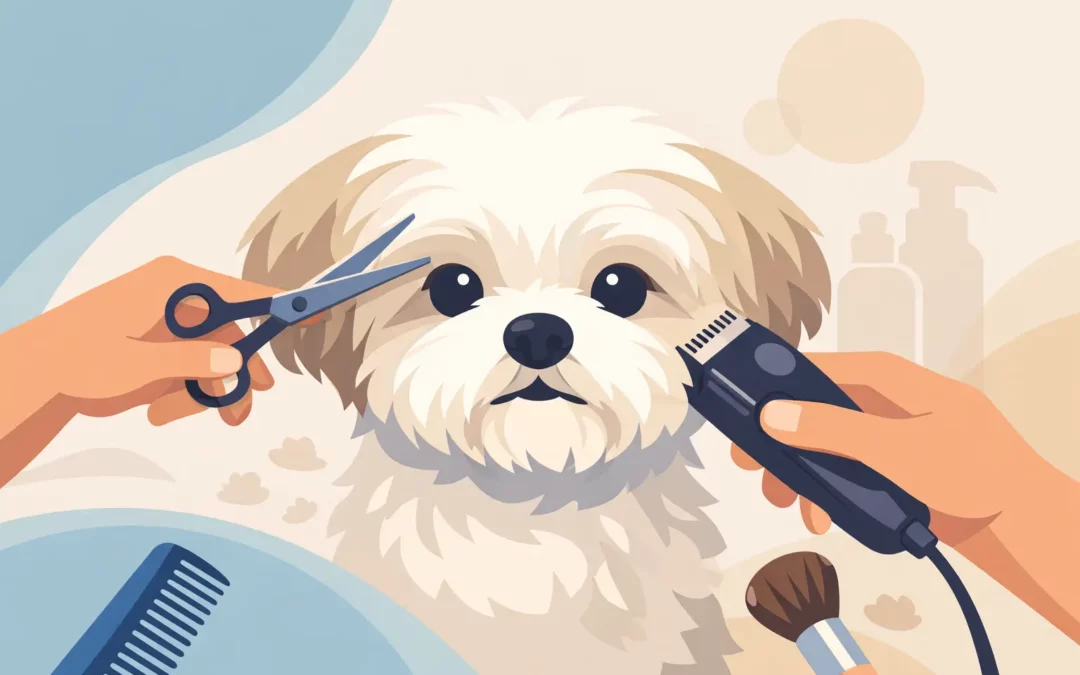
The eye area is usually the top priority. Hair should be kept neat enough to improve visibility without cutting too close or creating sharp lines that look harsh. The goal is a soft, clean expression and a safer everyday view for your dog.
The muzzle and mouth area need equal attention. This is where saliva, food, and water build up fast. A trim here can reduce odor, staining, and tangling. For some breeds, leaving a little fullness keeps the face balanced and adorable. For others, going shorter helps with hygiene. It depends on your dog’s coat and routine.
The chin and jawline shape the whole face. Even a small cleanup can make a dog look far more polished. Ear edges may also be lightly tidied, though they should still suit the overall style and breed pattern. The point is balance. A face trim should enhance your dog’s natural features, not make them look overly severe or uneven.
What makes face trimming different from a full haircut
Face trimming asks for more precision and more patience than many people expect. Dogs are naturally sensitive around the eyes, nose, lips, and ears. Even very sweet pets may pull away or fidget when tools get close to those areas. That is why this service often goes best when it is handled gently, with a comfort-first pace.
Unlike a body trim, the face leaves very little room for error. A tiny change can alter expression, symmetry, and comfort. That does not mean every face trim has to be dramatic. Sometimes the best result is a subtle tidy-up that makes your dog look refreshed while still looking like themselves.
The comfort factor pet parents should look for
A beautiful trim means very little if the process feels overwhelming for your dog. The experience matters. Calm handling, clean tools, pet-safe products, and a quiet, reassuring approach can make all the difference, especially for dogs who feel uneasy during grooming.
It also helps when groomers take time to notice small details. Is the skin around the mouth red from moisture? Are tear stains building up near the eyes? Is the beard matted underneath where owners may not easily see it? Facial grooming can reveal issues early, which gives pet parents a chance to address them before they become bigger problems.
For many local families, that peace of mind is part of the value. You are not simply booking a cosmetic service. You are choosing attentive care for one of the most sensitive parts of your dog’s body.
When your dog may need a face trim
Some dogs need regular facial touch-ups between full grooming appointments. If your pet’s eyes are partly covered, their beard stays wet after drinking, or food tends to cling around the mouth, it may be time. A face that starts looking scruffy unusually fast often points to a coat that grows quickly in those areas.
Season matters too. In Florida’s warm, humid climate, facial hair can stay damp longer, which makes cleanliness even more important. Dogs who spend time outdoors may also pick up more dirt and allergens around the face. Keeping that area trimmed can support both comfort and cleanliness between baths.
Why at-home face trimming can be tricky
Many owners are tempted to do quick touch-ups at home, and that instinct is understandable. You want your dog comfortable right away. But the face is one of the hardest areas to trim safely without training, especially if your dog moves unexpectedly.
The challenge is not just technique. It is also knowing how much to remove, how to keep the shape balanced, and how to work around eyes and whisker areas without causing stress. Some dogs tolerate brushing at home but become nervous the second scissors come near their face. Others seem calm until the last second and then jerk away.
That is why professional help is often the better choice for facial grooming. It protects the look, the safety, and your dog’s confidence around grooming. A poor at-home experience can make future appointments harder, while a gentle professional trim can help build trust over time.
What to expect from a professional face trim
A professional face trim should feel tailored, not rushed. The groomer will usually consider your dog’s breed, coat condition, last grooming date, and overall comfort level before shaping the face. If the hair is matted, especially around the mouth or under the ears, the trim plan may need to shift slightly for your dog’s comfort and skin health.
Pet parents can also talk through their preferences. Some want a fuller, plush face. Others prefer a cleaner, lower-maintenance finish. Both can be lovely when they fit the dog. The best result is usually a blend of your goals and the groomer’s professional eye.
At Jolis Grooming, that personalized care is part of what makes the experience feel special. Dogs are treated with warmth, patience, and close attention, so the final look is not only polished but also designed around comfort.
Keeping the face fresh between appointments
Between grooming visits, a little daily care goes a long way. Gently wiping the beard after meals or water breaks can reduce odor and staining. Regular brushing around the muzzle can prevent tangles before they tighten. Watching for extra tearing or dampness near the mouth can also help you catch issues early.
Still, maintenance at home should stay simple. Most pet parents do not need to shape the face themselves. The better approach is to keep the area clean and schedule trims often enough that the hair never becomes unmanageable. That rhythm is easier on your dog and keeps them looking consistently cared for.
Choosing the right grooming partner
When it comes to facial grooming, trust is everything. You want a groomer who values more than a fast finish. Gentle handling, a clean setting, personalized recommendations, and a genuine love for pets all matter here. The right grooming partner helps your dog feel secure while giving you confidence that every detail is being handled with care.
A well-done face trim can brighten your dog’s expression, improve daily comfort, and make those close-up cuddles even sweeter. For pet parents who want their dogs to feel pampered, clean, and beautifully maintained, facial grooming is one of the simplest ways to show that love.
