by | Jun 19, 2026 | Uncategorized
A doodle coat can look beautifully soft one day and turn into a tangle trap the next. That is why finding the best brushes for doodle coats matters so much. The right brush does more than keep your dog looking fluffy – it helps prevent painful mats, supports healthy skin, and makes home grooming feel calmer for both of you.
Doodles are loved for their teddy-bear look, but their coats are rarely low-maintenance. Depending on your dog’s mix, the texture may be loose and wavy, tightly curled, dense, fine, or a combination of all three. That variation is exactly why one brush is almost never enough. If you have been wondering which tools are actually worth keeping in your grooming drawer, the answer usually starts with understanding what each brush does best.
What makes doodle coats so tricky
Most doodles have coats that hold onto loose hair instead of shedding it cleanly onto the floor. That sounds nice until the trapped hair starts wrapping itself around curls and wave patterns. Add a little moisture, friction from a harness, or a few days of missed brushing, and small snags can turn into dense mats surprisingly fast.
The areas that usually get into trouble first are behind the ears, under the collar, under the legs, around the tail, and where the body rubs against itself. A soft-looking coat can hide serious tangles close to the skin, so surface brushing is only part of the job. The best grooming tools are the ones that help you brush all the way through gently and consistently.
Best brushes for doodle coats at home
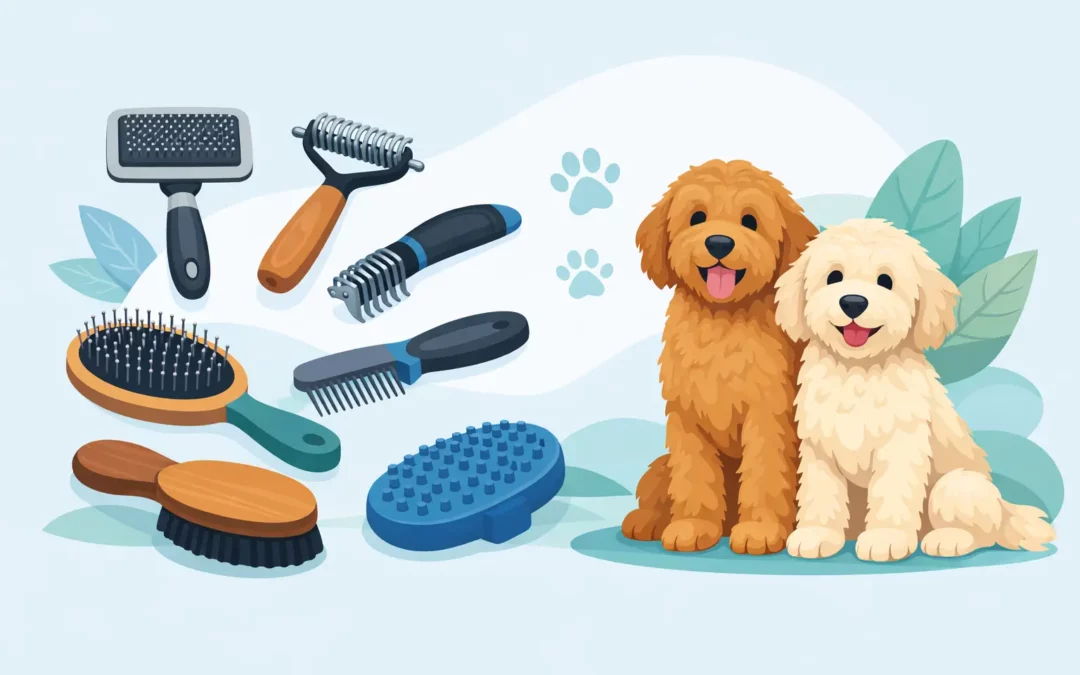
Slicker brush
If most doodle owners keep one brush within reach, it is a slicker brush. This is often the foundation of an effective home routine because it helps separate the coat, lift trapped hair, and work through small tangles before they turn into mats.
A quality slicker brush has fine pins that move through the coat without scraping the skin when used correctly. For doodles, a long-pin slicker is often the most useful choice because it reaches deeper into thicker, denser coats. It is especially helpful after a bath and blow dry, when the coat is fluffy and ready to be brushed through section by section.
That said, slicker brushes are not one-size-fits-all. Some are quite firm, which can be uncomfortable if your dog has sensitive skin or if you tend to press too hard. A softer slicker can feel gentler, but it may not do enough for a heavy curly coat. It depends on your dog’s texture, coat length, and tolerance.
Steel greyhound comb
A steel comb is not always the brush people get excited about, but it is one of the most valuable finishing tools you can own. After using a slicker brush, the comb tells you whether you actually got through the coat. If the comb catches, there is still a tangle there.
For doodle coats, a comb with both wider and finer teeth is especially useful. The wider side helps check fluffier areas, while the finer side is helpful around the face, ears, feet, and any place where tangles like to hide. If your brush glides over the top but the comb cannot pass through to the skin, the coat still needs more attention.
This is where many home brushing routines fall short. The coat may look neat on the outside while mats are forming underneath. A comb gives you a more honest picture.
Pin brush
A pin brush can be a lovely option for doodles with looser waves, finer coats, or freshly maintained trims that do not need heavy detangling. It tends to feel softer and more comfortable than a slicker, which can make it a nice choice for dogs who are nervous about grooming.
It is not usually the strongest tool for deeper tangles, so it works best as part of a routine rather than as your only brush. Think of it as a gentle maintenance tool. If your doodle’s coat is kept shorter and you brush often, a pin brush may be enough on some days.
For long, dense, or very curly coats, though, a pin brush alone usually will not keep up. It feels pleasant, but comfort has to be balanced with effectiveness.
Dematting tool
A dematting tool can help break apart stubborn knots, especially in friction areas like the armpits or behind the ears. Used carefully, it may save some coat and reduce how much needs to be clipped away.
This is one of those tools that comes with a real caution. Dematting blades are sharp, and overusing them can thin the coat unevenly or irritate the skin. They should never be used aggressively or as a replacement for regular brushing. If a mat is tight to the skin, trying to work it out at home can be uncomfortable and sometimes unsafe.
For mild tangles, a dematting tool can be useful in experienced hands. For heavy matting, professional grooming is the kinder route.
Deshedding brush
This one surprises some doodle owners. While certain doodles do have undercoat influence depending on the mix, most do not need a traditional deshedding tool in the same way a double-coated breed would. In fact, using a heavy deshedding tool on the wrong doodle coat can cause breakage or unnecessary coat damage.
If your doodle has a fleece or wool-like coat, skip this category unless a groomer has specifically recommended something for your dog’s coat type. A slicker and comb are usually far more useful.
The brush combination that works best for most doodles
If you want the simplest answer to the best brushes for doodle coats, it is usually this: a long-pin slicker brush and a steel comb. That pair covers what most doodle owners need between grooming appointments.
The slicker does the active brushing. The comb confirms that the coat is fully detangled from the surface down to the skin. If your dog is sensitive, a pin brush can be added for gentler maintenance days, but the slicker-and-comb combination is the dependable core.
How to brush without making it stressful
The best brush in the world will not help much if every session feels like a wrestling match. Doodles tend to do best when brushing is calm, frequent, and paired with reassurance.
Start with short sessions instead of trying to do a full-body groom all at once. Choose a time when your dog is relaxed, not bursting with energy. Work in small sections and brush line by line, especially on the legs, chest, belly, and behind the ears. That method is slower, but it is far more effective than quick top-layer brushing.
Use gentle pressure and let your dog take little breaks if needed. Praise matters. So does your pace. When grooming feels predictable and kind, most dogs become more cooperative over time.
If you hit a snag, hold the hair near the skin so you are not pulling directly on the body while you work through it. And if the tangle is too tight, stop. There is a difference between maintenance and forcing a painful problem at home.
When brushing at home is not enough
Even with the best intentions, doodle coats can get ahead of busy schedules. Life happens. A few missed sessions during a humid Florida week can create more matting than many owners expect, especially on active dogs who swim, play outside, or wear gear regularly.
That is where professional grooming becomes part of coat health, not just coat style. A proper bath, fluff dry, brush-out, trim, and coat assessment can reset everything and make home maintenance much easier. It also helps catch trouble spots before they become uncomfortable.
At Jolis Grooming, that comfort-first approach matters because brushing and coat care should support your dog’s well-being, not just appearance. A doodle that feels clean, light, and mat-free is often happier, more playful, and more at ease.
Choosing the best brushes for doodle coats by coat type
A wavy doodle coat often responds well to a softer slicker or pin brush, followed by a comb. A curlier, denser coat usually needs a firmer long-pin slicker and more methodical section brushing. A shorter teddy-bear trim can make maintenance easier, but it still needs regular combing in friction areas.
Puppies can be a little different. Their coat may seem easy at first, then change dramatically as the adult coat comes in. During that transition, tangles can build quickly, so using the right tools early helps create better grooming habits before the coat becomes more demanding.
No single brush is perfect for every doodle because no single doodle coat is exactly the same. That is why comfort, consistency, and coat texture should guide the choice more than trendy grooming recommendations.
The best grooming routine is the one you can actually keep up with and the one your dog can tolerate comfortably. A dependable slicker, a good comb, and a gentle hand will take you further than a drawer full of gadgets. When your doodle’s coat stays soft, airy, and free of hidden mats, brushing becomes less of a battle and more of a quiet act of care.
by | Jun 17, 2026 | Uncategorized
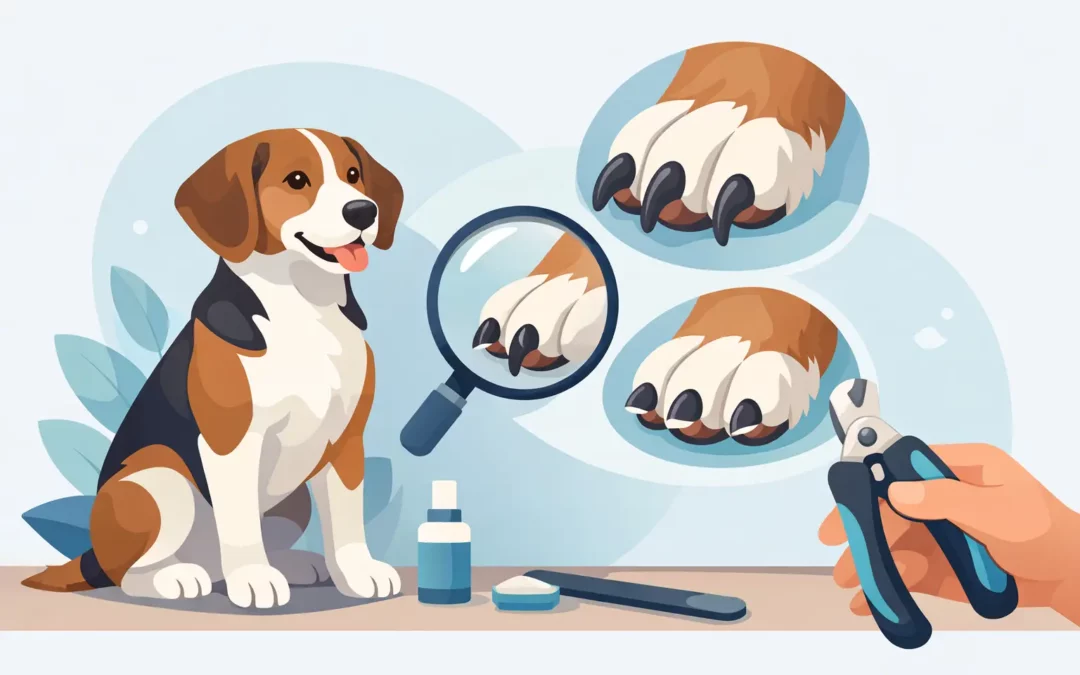
That familiar click-click-click across the kitchen floor is usually the first clue. If you have been wondering how often should dog nails be trimmed, the short answer is about every 3 to 6 weeks for many dogs. The better answer is that your dog’s lifestyle, age, breed, paw shape, and activity level all play a role, and comfort should always lead the schedule.
Nail care may seem like a small part of grooming, but it has a big effect on how your dog moves, stands, and relaxes at home. Nails that grow too long can change paw posture, put extra pressure on the toes, and make everyday walking less comfortable than it should be. For pet parents who want their dogs to feel polished, pampered, and truly at ease, regular trims are not just cosmetic. They are part of thoughtful, whole-pet care.
How often should dog nails be trimmed for most dogs?
Most dogs do well with nail trims every 3 to 6 weeks. That range is broad for a reason. A very active dog who spends time on rough sidewalks may wear nails down naturally and go a little longer between trims. A smaller indoor dog, a senior dog, or a pup who mostly walks on soft grass may need trims more often.
A good rule is to watch your dog, not just the calendar. If the nails touch the floor when your dog is standing still, it is usually time. If you hear nails tapping on hard surfaces, that is another sign they have gotten a bit too long. Ideally, nails should be short enough that your dog can walk easily without the toes being pushed upward by the floor.
For many families, setting a recurring grooming appointment makes this simple. Instead of waiting until the nails are noticeably long, regular visits keep your dog comfortable and help the process stay calm and familiar.
Why regular nail trims matter
When nails become overgrown, dogs often adjust their stance to avoid pressure. That small shift can affect how they carry their weight through the feet, legs, and joints. Over time, it can contribute to discomfort, especially for older dogs or dogs already dealing with stiffness.
Long nails are also more likely to snag on blankets, carpet, or grass. A torn nail can be painful and stressful for both pets and owners. Even before that happens, overgrown nails can make playtime, walks, and simple movement less enjoyable.
Regular trims support more than paw health. They can help dogs feel more secure on smooth floors, move more naturally, and enjoy a neater, more polished appearance. For pet parents who see grooming as part of their dog’s wellness routine, nail care belongs right alongside coat care, bathing, and teeth cleaning.
Signs your dog’s nails are too long
Some signs are easy to spot, while others are more subtle. The obvious one is sound. If your dog’s nails are making contact with tile or wood floors with every step, they are likely past the ideal length.
You may also notice the nails curving more than usual, the paw spreading differently when your dog stands, or a hesitation when walking across hard surfaces. Some dogs become less enthusiastic about walks, jumping onto furniture, or having their feet touched. That does not always mean the nails are the issue, but it is worth paying attention.
Another detail pet parents often miss is the dewclaw. Because it does not regularly touch the ground, it often does not wear down on its own. That means it can grow too long even when the other nails seem manageable.
Why some dogs need trims more often than others
There is no perfect universal schedule because every dog wears their nails differently. Breed and build matter. Small dogs often need more frequent trims because they are lighter and put less pressure on the nail with each step. Their nails may simply not file down much from daily activity.
Age matters too. Puppies can need frequent nail maintenance because their nails grow quickly, and early handling helps them get comfortable with grooming. Senior dogs may also need more regular trims because they often move less and naturally wear their nails down less than they once did.
Lifestyle plays a major part. A dog who enjoys regular neighborhood walks on pavement may need less frequent trims than a dog who spends most of the day indoors or on soft lawn. Even the way a dog walks can affect nail wear. Some dogs file down the front nails faster than the back, which is one reason paw-by-paw evaluation is so helpful.
How often should dog nails be trimmed if your dog dislikes it?
If your dog is nervous about nail trims, shorter and more consistent appointments are often easier than waiting too long. When nails become very long, more needs to be taken off, and the process can feel more intense for a sensitive dog. Gentle, routine care usually creates a better experience.
That is especially true for dogs with dark nails, where the quick is harder to see, or for pets who have had a stressful trimming experience in the past. A calm setting, patient handling, and a familiar routine can make a remarkable difference. Dogs often become more cooperative when they learn grooming is predictable, gentle, and followed by reassurance.
For some pet parents, at-home trims feel manageable. For others, the fear of cutting too short creates stress for everyone involved. There is no shame in choosing professional help. Comfort and safety matter more than doing it yourself.
The risk of waiting too long
When a dog’s nails stay long for too long, the quick inside the nail can grow longer too. That makes it harder to trim the nail back to a comfortable length in one visit. Instead, the nail may need to be shortened gradually over several appointments.
This is one reason routine maintenance matters so much. Small, regular trims help keep the quick from extending too far and make it easier to maintain healthy nail length over time. In practical terms, that means less discomfort for your dog and less worry for you.
Waiting too long can also turn a simple grooming task into a more emotional one. A dog who feels discomfort in the paws may resist handling, and owners may begin avoiding the task because it seems difficult. A steady rhythm keeps nail care from becoming a source of tension.
What a comfortable nail care routine looks like
The best nail care routine is one your dog can settle into. That usually means regular timing, gentle touch, and a low-stress environment. Some dogs do well with trims every month like clockwork. Others benefit from a quick touch-up in between full grooming visits.
It also helps to think of paw care as more than clipping the nail itself. Clean paws, tidy fur around the feet, and moisturized paw pads all contribute to comfort. When the whole paw is cared for, dogs tend to move more confidently and feel better overall.
That boutique level of attention is especially helpful for pet parents who want grooming to feel like an act of care, not just maintenance. A polished, stress-free visit can leave your dog looking neat, feeling lighter on their feet, and more relaxed by the time they head home.
When to book professional nail trimming
If your dog squirms, hides, pulls away, or becomes anxious when the clippers come out, professional grooming support can make life much easier. The same is true if the nails are very long, very dark, or already starting to curl.
Professional trimming is also a smart choice for busy families who would rather keep their dog on a dependable care schedule than try to fit paw maintenance into a packed week. With regular appointments, it becomes easier to stay ahead of overgrowth and easier for your dog to stay used to being handled.
For local pet parents who want their dogs treated with patience and personalized attention, Jolis Grooming offers nail and paw care in a warm, comfort-first setting designed to help pets feel safe and beautifully cared for.
A simple answer you can actually use
If you want the easiest guideline to remember, check your dog’s nails every couple of weeks and expect trimming about every 3 to 6 weeks. If you hear clicking on the floor, see the nails touching down when your dog stands, or notice your dog moving a little differently, it is probably time.
A well-timed nail trim does more than tidy up the paws. It helps your dog move comfortably, feel more secure, and enjoy the kind of attentive care every beloved family pet deserves. Sometimes the smallest grooming details are the ones that make your dog feel most at ease.
by | Jun 15, 2026 | Uncategorized
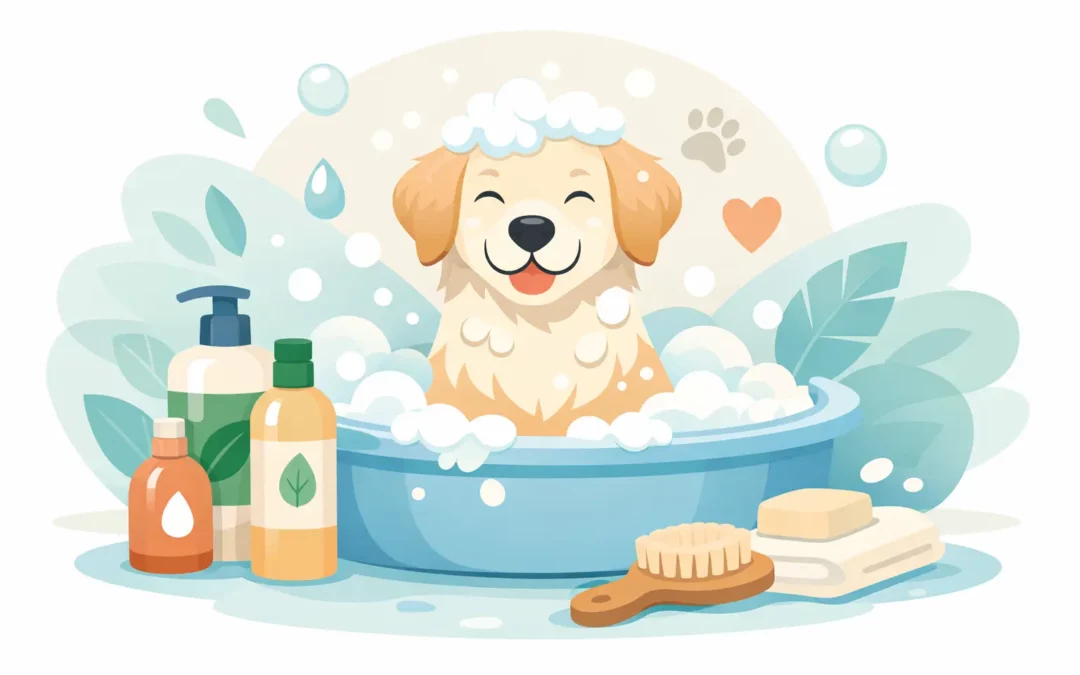
When your dog starts scratching after bath time, the problem is not always dirt or fleas. Sometimes the shampoo itself is the issue. Choosing the best dog shampoos for sensitive skin can make a real difference in your pet’s comfort, coat health, and overall mood, especially if your dog already deals with dryness, redness, or seasonal irritation.
For many pet parents, sensitive skin shows up quietly at first. You may notice extra licking, flaky patches, a dull coat, or a dog who suddenly seems less happy about baths. A harsh formula can strip the skin barrier and leave your pup uncomfortable long after the tub is drained. The right shampoo should do more than get your dog clean. It should soothe, protect, and support healthy skin without adding stress to the grooming routine.
What to Look for in the Best Dog Shampoos for Sensitive Skin
A gentle shampoo usually starts with a short, thoughtful ingredient list. Oatmeal is a favorite for a reason. It helps calm itchy, dry skin and tends to work well for dogs that need a softer touch. Aloe vera is another comforting ingredient that can help reduce irritation and leave the skin feeling less tight after a bath. Coconut-based cleansers are often milder than stronger detergents and can clean the coat without taking away every natural oil.
Fragrance deserves extra attention. Many dogs react not to the cleansing ingredients, but to heavy perfumes and artificial dyes. A shampoo labeled unscented or lightly scented with gentle, pet-safe ingredients is often a safer choice for a dog with delicate skin. That said, even natural scents can be irritating for some pets, so it really depends on your dog’s history.
pH balance matters too. Human shampoos are not designed for canine skin, which has a different pH level. Even a gentle human baby shampoo is not the best long-term option for most dogs. Dog-specific formulas are the better fit because they are made to cleanse without disrupting the skin’s natural balance.
Ingredients Worth Avoiding
If your dog’s skin is easily irritated, a few ingredients deserve caution. Sulfates can create a rich lather, but they may also be too drying for sensitive skin. Artificial fragrance and synthetic dyes can trigger irritation, especially in dogs that already have redness or recurring itchiness. Alcohol-heavy formulas can also leave the skin feeling stripped.
Tea tree oil is one of those ingredients that sounds appealing because it is associated with freshness and skin care, but it can be risky in the wrong concentration. Some essential oils can be too strong for pets, particularly for dogs with skin issues. If a label leans heavily into strong botanicals, that is not automatically a sign that it is gentler.
This is where pet parents often get pulled in by marketing. A beautiful label does not always mean a better bath. The best choice is usually the one that keeps the ingredient list simple and your dog’s skin calm.
9 Best Dog Shampoos for Sensitive Skin
There is no single perfect shampoo for every dog, but some types consistently stand out for comfort-focused grooming.
1. Colloidal oatmeal shampoo
This is often the first place to start. Colloidal oatmeal helps soothe itching and dryness while cleansing gently. It is especially helpful for dogs who have mild environmental sensitivities or skin that feels rough between baths.
2. Aloe vera shampoo
Aloe-based formulas can be a lovely choice for dogs with irritated or tight-feeling skin. They tend to feel light and refreshing without being overly harsh. If your dog gets red after grooming, this type may help create a calmer experience.
3. Hypoallergenic fragrance-free shampoo
For truly reactive skin, less is often more. A hypoallergenic formula without added fragrance or dye can reduce the chance of flare-ups. This is a smart option for dogs who have had a bad reaction to strongly scented shampoos in the past.
4. Coconut-based gentle cleanser
Some shampoos use coconut-derived cleansers instead of harsher detergents. These can still remove dirt and oil effectively, but often with a softer finish. They work well for routine baths when your dog needs regular grooming without repeated drying.
5. Puppy-safe sensitive skin shampoo
Puppy formulas are not just for young dogs. In some cases, they are gentle enough for adult dogs with very delicate skin too. The trade-off is that they may not clean as deeply on a very thick or oily coat.
6. Medicated shampoo recommended by a veterinarian
If your dog has recurring hot spots, severe itching, yeast issues, or persistent skin inflammation, an over-the-counter gentle shampoo may not be enough. A medicated option can be the right next step, but it should be chosen with professional guidance so you are treating the real issue.
7. Soap-free moisturizing shampoo
Soap-free formulas are often helpful for dry, flaky skin because they cleanse without leaving the coat squeaky or stripped. If your dog’s skin gets worse in winter or after frequent baths, this type is worth considering.
8. Protein-free calming shampoo
Some dogs with highly reactive skin do better with very simple formulas that skip extra additives, including certain proteins or plant blends. This is not necessary for every pet, but for dogs with allergy-prone skin, simpler can be gentler.
9. Sensitive skin shampoo paired with a conditioner
Sometimes the shampoo is only half of the answer. A gentle, dog-safe conditioner can help seal in moisture and make the coat softer and easier to brush. This can be especially helpful for longer coats that tangle easily, since less pulling during brushing means less irritation overall.
How to Tell if a Shampoo Is Actually Helping
A better shampoo should leave your dog clean, soft, and comfortable, not just freshly scented. After a bath, the skin should look calm rather than pink or inflamed. You should also notice less scratching over the next day or two, not more.
Coat texture can be another clue. When a shampoo is too strong, the coat may feel dry or rough once it is fully dry. A gentler formula usually leaves the fur plush, manageable, and naturally healthy-looking. If your dog starts dreading baths, that matters too. Comfort is part of good grooming.
Keep in mind that results are not always instant. If your dog’s skin is already irritated, it may take a few gentle baths and a more careful routine before you see a noticeable difference. On the other hand, if a shampoo causes a strong reaction right away, stop using it.
Bathing Tips for Dogs With Sensitive Skin
Even the best shampoo can only do so much if the bathing routine is too rough. Water that is too hot can make sensitive skin feel worse, so lukewarm water is the better choice. Make sure to rinse thoroughly, because leftover product on the skin can lead to itching and buildup.
Try not to over-bathe. Some dogs with skin issues need regular cleansing, but too many baths too close together can create a cycle of dryness. The right schedule depends on your dog’s coat, lifestyle, and skin condition. A dog who loves rolling in the yard may need more frequent baths than a mostly indoor companion, but frequency should always be balanced with skin comfort.
Drying matters just as much. A soft towel and a calm approach can help prevent extra irritation. If you use a dryer, keep the heat low and the experience gentle. Sensitive skin and stressful handling are not a good combination.
When Sensitive Skin Needs More Than a Shampoo Change
Sometimes skin irritation has less to do with shampoo and more to do with allergies, diet, parasites, or an underlying skin condition. If your dog has chronic redness, odor, hair loss, scabs, or nonstop scratching, it is time to look deeper. Shampoo can support comfort, but it cannot fix every cause.
This is one reason professional grooming can be so helpful. A comfort-first groomer notices patterns, handles your dog gently, and uses pet-safe products with more care than a rushed, one-size-fits-all approach. At Jolis Grooming, we believe bath time should leave dogs feeling refreshed, relaxed, and genuinely pampered, especially when their skin needs extra kindness.
Finding the right shampoo may take a little trial and error, but your dog will tell you when you have found a better match. A calmer coat, less scratching, and an easier bath routine are all signs that you are moving in the right direction. When your dog feels comfortable in their own skin, it shows in everything from their energy to that happy, post-grooming strut.
by | Jun 13, 2026 | Uncategorized
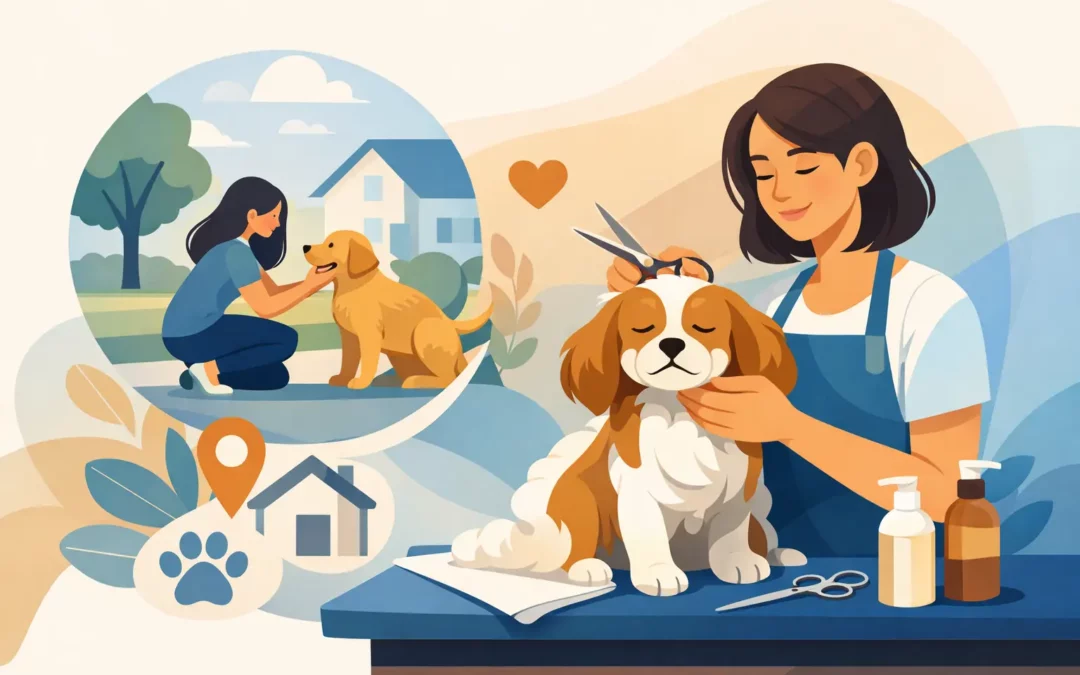
A bad grooming visit can stick with a dog for a long time. Pet parents know the signs right away – the hesitation at the door, the nervous pacing, the look that says this does not feel safe. That is why searching for dog grooming near me is rarely just about convenience. It is about finding a place where your dog is treated with patience, kindness, and genuine care.
For many families in Longwood and nearby Central Florida communities, grooming is not an occasional luxury. It is part of how they keep their dogs healthy, comfortable, and confident. A clean coat, trimmed nails, fresh breath, and cared-for paws all make everyday life better. The right salon does more than improve appearance. It helps your dog feel good in their skin.
What to Look for in Dog Grooming Near Me
When you start comparing local grooming options, the biggest difference is often not the menu of services. It is the experience behind them. Two salons may both offer baths, trims, and nail care, yet the outcome can feel completely different depending on how your dog is handled.
A comfort-first approach matters. Gentle handling, calm communication, and an environment designed to reduce stress can make all the difference, especially for puppies, senior dogs, and pets who have had rushed or unpleasant grooming in the past. Dogs respond to energy. When a grooming team is patient and attentive, that sense of calm carries through the appointment.
Cleanliness matters too. Pet parents want to know that tools, tables, tubs, and grooming spaces are kept fresh and sanitary. Just as important, products should be chosen with a dog’s skin and coat in mind. Pet-safe shampoos, conditioners, and finishing products help support both hygiene and comfort, especially for dogs with sensitive skin.
Then there is personalization. Not every dog needs the same service, timing, or style. A fluffy doodle, a short-haired boxer, and a delicate senior shih tzu each have very different grooming needs. A thoughtful groomer pays attention to coat type, temperament, age, and lifestyle rather than treating every appointment like a one-size-fits-all routine.
Grooming Is About More Than Looking Polished
A freshly groomed dog certainly looks adorable, but the real value goes further than a polished finish. Regular grooming supports day-to-day wellness in ways many pet owners notice almost immediately.
A proper bath removes dirt, buildup, loose hair, and lingering odors that can make cuddles less pleasant at home. Fluff and brush treatments help prevent tangles and matting, which can become uncomfortable or even painful if left unmanaged. Face trims improve visibility and cleanliness, particularly around the eyes and mouth. Nail and paw care supports healthy movement and helps dogs walk more comfortably on hard floors, sidewalks, and patios.
Teeth cleaning is another detail that can be easy to overlook. Fresh breath is a welcome bonus, but oral hygiene also plays a role in overall health. When grooming includes thoughtful attention to these smaller areas, the result feels complete. Your dog is not just cleaner. They are more comfortable from nose to tail.
That full-body comfort often shows up in subtle ways at home. Dogs may settle more easily, scratch less, move with more ease, and seem lighter in their mood after a well-handled appointment. For loving pet parents, those little changes say everything.
Why the Right Groomer Feels Different
There is a noticeable difference between a high-volume grooming setup and a boutique-style salon that prioritizes individual care. Some pet owners simply need the fastest available appointment. Others are looking for something more reassuring – a place where their dog is known, welcomed, and handled with intention.
That difference matters most when a dog is anxious, sensitive, elderly, or simply used to a gentler pace. In those situations, speed is not always the best thing. A little extra patience, a calm voice, and a team that pays attention to body language can create a much better grooming experience.
The best local salons understand that trust is earned. They know pet parents are handing over a family member, not checking in a routine task. That is why warmth, communication, and consistency matter so much. When you find a groomer who remembers your dog’s preferences and works to make each visit comfortable, appointments become easier for everyone.
Services That Make a Real Difference
When people search for dog grooming near me, they are often trying to solve a specific need. Sometimes it is obvious, like an overgrown coat or nails clicking loudly on the floor. Other times it is about maintenance and keeping a beloved pet on a healthy routine.
Face trims are especially helpful for dogs whose hair grows quickly around the eyes and muzzle. A neat trim can help your dog see better, stay cleaner after meals, and maintain that soft, expressive look pet parents love. Baths are the foundation of grooming, but a quality bath is not just a rinse. It is a refreshing reset for the coat and skin.
Fluff and brush treatments are ideal for maintaining softness and manageability between fuller grooming appointments. They help reduce mats, smooth the coat, and keep shedding more under control. Nail and paw treatments support comfort in a way many owners do not think about until their dog starts slipping or avoiding certain surfaces.
Full bath and groom packages bring everything together in one coordinated appointment. For busy families and working professionals, that kind of complete care saves time while making sure nothing is missed. Your dog leaves looking beautifully polished and feeling refreshed in all the ways that matter.
A Better Experience for Dogs and Their People
Convenience is part of the appeal of choosing a local groomer, but peace of mind is what keeps pet parents coming back. Knowing your dog is in caring hands changes the whole experience. You are not wondering whether they are overwhelmed or rushed. You are picturing them being comforted, cared for, and treated with the same tenderness they receive at home.
That emotional side of grooming is real. Pet parents want to feel good about where they bring their dogs, and dogs deserve an experience that respects their comfort. When a salon creates a welcoming, neighborhood feel with professional standards and heartfelt care, it becomes more than a service. It becomes part of your dog’s wellness routine.
In Longwood, many families are looking for exactly that blend of professionalism and warmth. They want skill, reliability, and beautiful results, but they also want softness in the approach. Jolis Grooming reflects that kind of care by treating each appointment as a personalized experience, with attention to comfort, cleanliness, and the small details that help dogs feel safe.
How to Know You Have Found the Right Fit
The right groomer is not always the one with the flashiest promotion or the quickest opening. Often, it is the one that listens well, explains services clearly, and makes your dog feel at ease. A strong fit usually becomes obvious over time. Drop-offs feel less stressful. Pick-ups feel more joyful. Your dog looks great, smells fresh, and seems genuinely comfortable.
It also helps when the salon offers appointment-based care. That structure can create a calmer rhythm and a more attentive experience than a chaotic, crowded setup. For many pets, fewer surprises and more individualized handling lead to better grooming visits.
If your dog has special sensitivities, age-related needs, or a coat that requires regular maintenance, that personal attention becomes even more valuable. The best grooming relationships are built on trust, consistency, and a shared goal: helping your dog feel their best.
Searching for dog grooming near me should lead you to more than a nearby address. It should lead you to a place where your dog is pampered with purpose, cared for with gentleness, and sent home happier, cleaner, and more comfortable than when they arrived. When grooming feels personal, it shows in every wag, every cuddle, and every contented nap that follows.
by | Jun 11, 2026 | Uncategorized
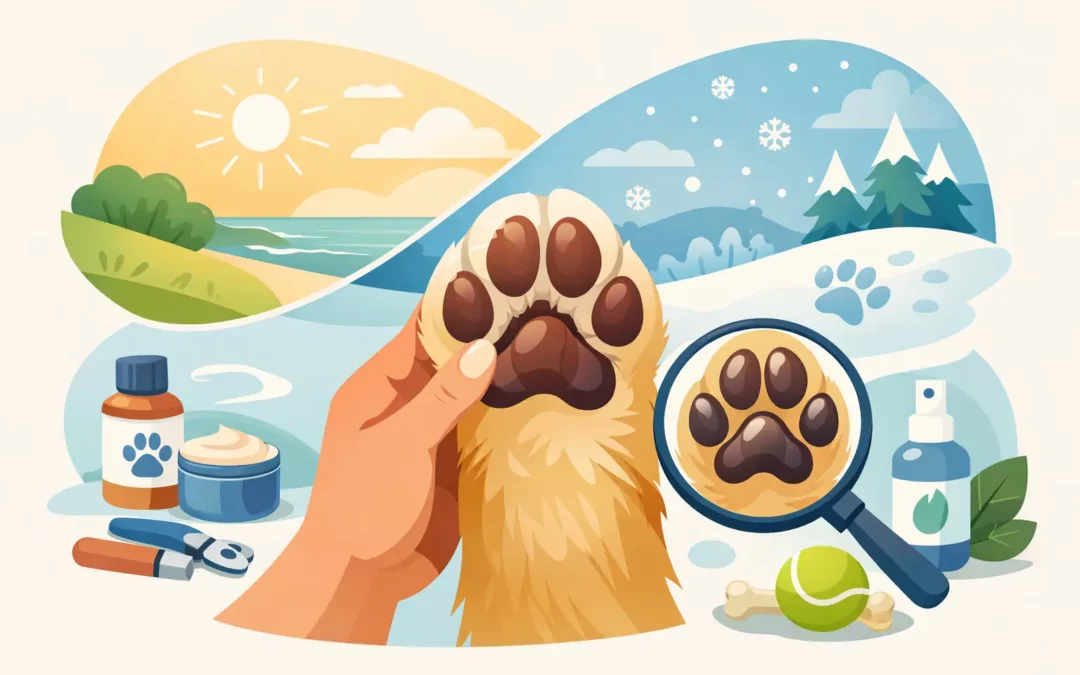
One rough walk on hot pavement can turn a happy afternoon into a limp by dinner. Paw discomfort tends to show up fast, and because dogs rely on their feet for every step, jump, and stretch, small issues can affect their comfort more than many pet parents realize. If you have ever wondered how to maintain dog paw health without making it complicated, the good news is that steady, gentle care goes a long way.
Paw care is not just about appearance, although neat, well-kept paws certainly look polished. It is about protecting sensitive paw pads, keeping nails at a healthy length, checking for irritation early, and making sure your dog can move comfortably through daily life. In a place like Central Florida, where heat, humidity, sidewalks, grass, and sudden summer rain all play a role, a little extra attention can make a real difference.
Why paw health matters more than most owners think
A dog’s paws absorb pressure, help with balance, and create traction on different surfaces. The pads are tough, but they are not indestructible. Dryness, cracks, overgrown nails, trapped debris, and irritation between the toes can all cause discomfort. Some dogs keep going even when their paws are sore, which means problems can be missed until they become more obvious.
Healthy paws support more than movement. They also help your dog feel secure. When paws are tender, a dog may hesitate on floors, avoid walks, lick excessively, or seem less playful. For families who want their pets to feel happy, pampered, and relaxed, paw care is a simple way to support overall wellness.
How to maintain dog paw health at home
The best routine is one you can keep up with consistently. You do not need a complicated schedule, but you do want to make paw checks part of normal care.
Start by looking at your dog’s paws a few times each week. Gently spread the toes and check the pads, nails, and the fur around the feet. You are looking for redness, cracking, swelling, small cuts, burrs, or anything stuck between the toes. If your dog spends a lot of time outdoors, these quick checks matter even more.
Keeping paws clean is another part of daily comfort. After walks, especially on wet grass, sandy areas, or after afternoon rain, wipe the paws with a soft towel or pet-safe wipe. This helps remove dirt, lawn residue, and moisture that can linger between the toes. Clean paws are not only more comfortable for your dog, they also help keep your home fresher.
Moisture matters, but balance matters too. Paw pads that stay damp for too long can become irritated, while very dry pads may crack. That is why drying the feet well after baths, walks, or outdoor play is just as helpful as cleansing them. If the pads feel rough or look dry, a pet-safe paw balm can help condition the skin. A small amount is enough. You want soft, protected pads, not greasy feet that make walking awkward.
Nail care is part of paw care
Many pet owners think of nail trimming as a cosmetic service, but it plays a big role in how to maintain dog paw health. When nails get too long, they change the way a dog stands and walks. That shift can put extra pressure on the toes and paw pads, and over time it may affect comfort in the legs and joints too.
A healthy nail length allows the foot to rest naturally. If you hear nails clicking loudly on the floor or notice the toes starting to splay, it may be time for a trim. The challenge, of course, is that many dogs dislike nail trimming. Some pull away, some get nervous, and some have dark nails that make the quick harder to see.
This is one of those areas where home care and professional care often work best together. Some pet parents are comfortable doing small touch-ups at home, while others prefer to leave it to a trusted grooming professional who can keep the experience calm and precise. It depends on your dog’s temperament, your confidence, and how quickly the nails grow.
Trimming fur around the paws
The fur around a dog’s feet can be easy to overlook, but it matters. Long hair between the paw pads may collect dirt, hold moisture, and make it easier for small bits of grass or debris to get trapped. On smooth indoor floors, overgrown paw fur can also reduce traction.
A neat paw trim can help your dog feel cleaner and steadier. It is especially helpful for breeds with fast-growing foot hair or fluffy coats. That said, trimming too aggressively at home can nick sensitive skin, so careful handling is important. When done gently and regularly, paw trimming keeps the feet tidy, comfortable, and easier to inspect.
Seasonal challenges for dog paws in Florida
In Central Florida, heat is one of the biggest paw concerns. Sidewalks, asphalt, and even some artificial turf surfaces can become much hotter than the air temperature suggests. If it feels too hot for the back of your hand, it is too hot for your dog’s paws. Early morning and evening walks are often the safer choice during warmer months.
Summer also brings frequent moisture. Wet grass, puddles, and damp outdoor conditions can leave paws soggy if they are not dried well afterward. This does not mean dogs should avoid outdoor fun. It simply means their paws need a little extra attention once they come back inside.
Even cooler months can create issues. Dry air, rough surfaces, and more active holiday schedules can all lead to irritation. The season may change, but the goal stays the same: clean paws, healthy nails, and regular checks.
Signs your dog may need extra paw attention
Some signs are easy to spot, while others are subtle. Excessive licking is a common one. Dogs lick for many reasons, but persistent licking at the feet usually means something feels off. Limping, flinching when a paw is touched, or avoiding certain surfaces also deserve attention.
You may notice a strong odor from the feet, visible redness between the toes, cracked pads, or nails that look too long or uneven. In some cases, the paw issue itself is simple, like debris stuck between the toes. In others, it may point to irritation, sensitivity, or an infection that needs veterinary care.
If a problem looks painful, keeps returning, or is not improving with gentle upkeep, it is best not to wait. Good grooming supports paw health, but it does not replace medical treatment when something is clearly wrong.
When professional grooming helps most
Some dogs need more than a quick wipe and occasional nail trim. Busy households, active dogs, fluffy feet, anxious pets, and fast-growing nails can make paw maintenance harder to keep up with at home. Professional grooming can make this routine easier and more consistent.
A quality paw treatment is not just a quick tidy-up. It can include careful nail care, trimming excess fur around the paws, gentle cleaning, and close observation of areas pet parents may not notice right away. The right grooming environment matters too. Dogs are more likely to tolerate paw handling when they are treated with patience, reassurance, and a comfort-first approach.
For many pet families, that peace of mind is part of the value. It feels good to know your dog’s feet are not only neat, but truly cared for. At Jolis Grooming, paw care is approached as part of your dog’s overall comfort and well-being, because every polished finish starts with a pet who feels relaxed and supported.
Building a paw care routine that lasts
The most effective routine is not the most complicated one. It is the one that fits naturally into your life and keeps your dog comfortable week after week. A quick paw check after walks, regular cleaning, attention to nail length, and occasional conditioning for dry pads can prevent many common problems before they start.
If your dog is sensitive about having their feet handled, go slowly. Touch the paws briefly, offer praise, and keep the experience positive. Some dogs adjust quickly, while others need more time. Gentle consistency usually works better than trying to do everything at once.
Paw care may seem like a small part of grooming, but for your dog, it touches everything from playtime to posture to everyday comfort. When those little feet are clean, balanced, and well cared for, your dog feels the difference with every step. A few thoughtful minutes now can help keep tails wagging, walks enjoyable, and your best friend feeling wonderfully cared for all year long.
