by | Jun 13, 2026 | Uncategorized
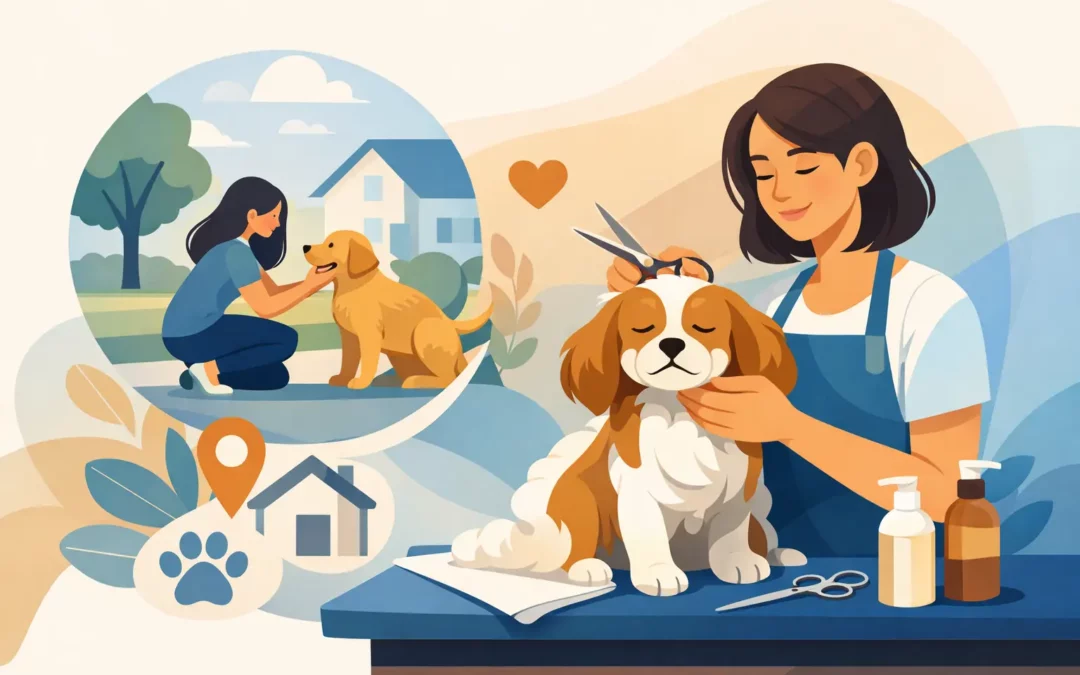
A bad grooming visit can stick with a dog for a long time. Pet parents know the signs right away – the hesitation at the door, the nervous pacing, the look that says this does not feel safe. That is why searching for dog grooming near me is rarely just about convenience. It is about finding a place where your dog is treated with patience, kindness, and genuine care.
For many families in Longwood and nearby Central Florida communities, grooming is not an occasional luxury. It is part of how they keep their dogs healthy, comfortable, and confident. A clean coat, trimmed nails, fresh breath, and cared-for paws all make everyday life better. The right salon does more than improve appearance. It helps your dog feel good in their skin.
What to Look for in Dog Grooming Near Me
When you start comparing local grooming options, the biggest difference is often not the menu of services. It is the experience behind them. Two salons may both offer baths, trims, and nail care, yet the outcome can feel completely different depending on how your dog is handled.
A comfort-first approach matters. Gentle handling, calm communication, and an environment designed to reduce stress can make all the difference, especially for puppies, senior dogs, and pets who have had rushed or unpleasant grooming in the past. Dogs respond to energy. When a grooming team is patient and attentive, that sense of calm carries through the appointment.
Cleanliness matters too. Pet parents want to know that tools, tables, tubs, and grooming spaces are kept fresh and sanitary. Just as important, products should be chosen with a dog’s skin and coat in mind. Pet-safe shampoos, conditioners, and finishing products help support both hygiene and comfort, especially for dogs with sensitive skin.
Then there is personalization. Not every dog needs the same service, timing, or style. A fluffy doodle, a short-haired boxer, and a delicate senior shih tzu each have very different grooming needs. A thoughtful groomer pays attention to coat type, temperament, age, and lifestyle rather than treating every appointment like a one-size-fits-all routine.
Grooming Is About More Than Looking Polished
A freshly groomed dog certainly looks adorable, but the real value goes further than a polished finish. Regular grooming supports day-to-day wellness in ways many pet owners notice almost immediately.
A proper bath removes dirt, buildup, loose hair, and lingering odors that can make cuddles less pleasant at home. Fluff and brush treatments help prevent tangles and matting, which can become uncomfortable or even painful if left unmanaged. Face trims improve visibility and cleanliness, particularly around the eyes and mouth. Nail and paw care supports healthy movement and helps dogs walk more comfortably on hard floors, sidewalks, and patios.
Teeth cleaning is another detail that can be easy to overlook. Fresh breath is a welcome bonus, but oral hygiene also plays a role in overall health. When grooming includes thoughtful attention to these smaller areas, the result feels complete. Your dog is not just cleaner. They are more comfortable from nose to tail.
That full-body comfort often shows up in subtle ways at home. Dogs may settle more easily, scratch less, move with more ease, and seem lighter in their mood after a well-handled appointment. For loving pet parents, those little changes say everything.
Why the Right Groomer Feels Different
There is a noticeable difference between a high-volume grooming setup and a boutique-style salon that prioritizes individual care. Some pet owners simply need the fastest available appointment. Others are looking for something more reassuring – a place where their dog is known, welcomed, and handled with intention.
That difference matters most when a dog is anxious, sensitive, elderly, or simply used to a gentler pace. In those situations, speed is not always the best thing. A little extra patience, a calm voice, and a team that pays attention to body language can create a much better grooming experience.
The best local salons understand that trust is earned. They know pet parents are handing over a family member, not checking in a routine task. That is why warmth, communication, and consistency matter so much. When you find a groomer who remembers your dog’s preferences and works to make each visit comfortable, appointments become easier for everyone.
Services That Make a Real Difference
When people search for dog grooming near me, they are often trying to solve a specific need. Sometimes it is obvious, like an overgrown coat or nails clicking loudly on the floor. Other times it is about maintenance and keeping a beloved pet on a healthy routine.
Face trims are especially helpful for dogs whose hair grows quickly around the eyes and muzzle. A neat trim can help your dog see better, stay cleaner after meals, and maintain that soft, expressive look pet parents love. Baths are the foundation of grooming, but a quality bath is not just a rinse. It is a refreshing reset for the coat and skin.
Fluff and brush treatments are ideal for maintaining softness and manageability between fuller grooming appointments. They help reduce mats, smooth the coat, and keep shedding more under control. Nail and paw treatments support comfort in a way many owners do not think about until their dog starts slipping or avoiding certain surfaces.
Full bath and groom packages bring everything together in one coordinated appointment. For busy families and working professionals, that kind of complete care saves time while making sure nothing is missed. Your dog leaves looking beautifully polished and feeling refreshed in all the ways that matter.
A Better Experience for Dogs and Their People
Convenience is part of the appeal of choosing a local groomer, but peace of mind is what keeps pet parents coming back. Knowing your dog is in caring hands changes the whole experience. You are not wondering whether they are overwhelmed or rushed. You are picturing them being comforted, cared for, and treated with the same tenderness they receive at home.
That emotional side of grooming is real. Pet parents want to feel good about where they bring their dogs, and dogs deserve an experience that respects their comfort. When a salon creates a welcoming, neighborhood feel with professional standards and heartfelt care, it becomes more than a service. It becomes part of your dog’s wellness routine.
In Longwood, many families are looking for exactly that blend of professionalism and warmth. They want skill, reliability, and beautiful results, but they also want softness in the approach. Jolis Grooming reflects that kind of care by treating each appointment as a personalized experience, with attention to comfort, cleanliness, and the small details that help dogs feel safe.
How to Know You Have Found the Right Fit
The right groomer is not always the one with the flashiest promotion or the quickest opening. Often, it is the one that listens well, explains services clearly, and makes your dog feel at ease. A strong fit usually becomes obvious over time. Drop-offs feel less stressful. Pick-ups feel more joyful. Your dog looks great, smells fresh, and seems genuinely comfortable.
It also helps when the salon offers appointment-based care. That structure can create a calmer rhythm and a more attentive experience than a chaotic, crowded setup. For many pets, fewer surprises and more individualized handling lead to better grooming visits.
If your dog has special sensitivities, age-related needs, or a coat that requires regular maintenance, that personal attention becomes even more valuable. The best grooming relationships are built on trust, consistency, and a shared goal: helping your dog feel their best.
Searching for dog grooming near me should lead you to more than a nearby address. It should lead you to a place where your dog is pampered with purpose, cared for with gentleness, and sent home happier, cleaner, and more comfortable than when they arrived. When grooming feels personal, it shows in every wag, every cuddle, and every contented nap that follows.

by | Jun 11, 2026 | Uncategorized
One rough walk on hot pavement can turn a happy afternoon into a limp by dinner. Paw discomfort tends to show up fast, and because dogs rely on their feet for every step, jump, and stretch, small issues can affect their comfort more than many pet parents realize. If you have ever wondered how to maintain dog paw health without making it complicated, the good news is that steady, gentle care goes a long way.
Paw care is not just about appearance, although neat, well-kept paws certainly look polished. It is about protecting sensitive paw pads, keeping nails at a healthy length, checking for irritation early, and making sure your dog can move comfortably through daily life. In a place like Central Florida, where heat, humidity, sidewalks, grass, and sudden summer rain all play a role, a little extra attention can make a real difference.
Why paw health matters more than most owners think
A dog’s paws absorb pressure, help with balance, and create traction on different surfaces. The pads are tough, but they are not indestructible. Dryness, cracks, overgrown nails, trapped debris, and irritation between the toes can all cause discomfort. Some dogs keep going even when their paws are sore, which means problems can be missed until they become more obvious.
Healthy paws support more than movement. They also help your dog feel secure. When paws are tender, a dog may hesitate on floors, avoid walks, lick excessively, or seem less playful. For families who want their pets to feel happy, pampered, and relaxed, paw care is a simple way to support overall wellness.
How to maintain dog paw health at home
The best routine is one you can keep up with consistently. You do not need a complicated schedule, but you do want to make paw checks part of normal care.
Start by looking at your dog’s paws a few times each week. Gently spread the toes and check the pads, nails, and the fur around the feet. You are looking for redness, cracking, swelling, small cuts, burrs, or anything stuck between the toes. If your dog spends a lot of time outdoors, these quick checks matter even more.
Keeping paws clean is another part of daily comfort. After walks, especially on wet grass, sandy areas, or after afternoon rain, wipe the paws with a soft towel or pet-safe wipe. This helps remove dirt, lawn residue, and moisture that can linger between the toes. Clean paws are not only more comfortable for your dog, they also help keep your home fresher.
Moisture matters, but balance matters too. Paw pads that stay damp for too long can become irritated, while very dry pads may crack. That is why drying the feet well after baths, walks, or outdoor play is just as helpful as cleansing them. If the pads feel rough or look dry, a pet-safe paw balm can help condition the skin. A small amount is enough. You want soft, protected pads, not greasy feet that make walking awkward.
Nail care is part of paw care
Many pet owners think of nail trimming as a cosmetic service, but it plays a big role in how to maintain dog paw health. When nails get too long, they change the way a dog stands and walks. That shift can put extra pressure on the toes and paw pads, and over time it may affect comfort in the legs and joints too.
A healthy nail length allows the foot to rest naturally. If you hear nails clicking loudly on the floor or notice the toes starting to splay, it may be time for a trim. The challenge, of course, is that many dogs dislike nail trimming. Some pull away, some get nervous, and some have dark nails that make the quick harder to see.
This is one of those areas where home care and professional care often work best together. Some pet parents are comfortable doing small touch-ups at home, while others prefer to leave it to a trusted grooming professional who can keep the experience calm and precise. It depends on your dog’s temperament, your confidence, and how quickly the nails grow.
Trimming fur around the paws
The fur around a dog’s feet can be easy to overlook, but it matters. Long hair between the paw pads may collect dirt, hold moisture, and make it easier for small bits of grass or debris to get trapped. On smooth indoor floors, overgrown paw fur can also reduce traction.
A neat paw trim can help your dog feel cleaner and steadier. It is especially helpful for breeds with fast-growing foot hair or fluffy coats. That said, trimming too aggressively at home can nick sensitive skin, so careful handling is important. When done gently and regularly, paw trimming keeps the feet tidy, comfortable, and easier to inspect.
Seasonal challenges for dog paws in Florida
In Central Florida, heat is one of the biggest paw concerns. Sidewalks, asphalt, and even some artificial turf surfaces can become much hotter than the air temperature suggests. If it feels too hot for the back of your hand, it is too hot for your dog’s paws. Early morning and evening walks are often the safer choice during warmer months.
Summer also brings frequent moisture. Wet grass, puddles, and damp outdoor conditions can leave paws soggy if they are not dried well afterward. This does not mean dogs should avoid outdoor fun. It simply means their paws need a little extra attention once they come back inside.
Even cooler months can create issues. Dry air, rough surfaces, and more active holiday schedules can all lead to irritation. The season may change, but the goal stays the same: clean paws, healthy nails, and regular checks.
Signs your dog may need extra paw attention
Some signs are easy to spot, while others are subtle. Excessive licking is a common one. Dogs lick for many reasons, but persistent licking at the feet usually means something feels off. Limping, flinching when a paw is touched, or avoiding certain surfaces also deserve attention.
You may notice a strong odor from the feet, visible redness between the toes, cracked pads, or nails that look too long or uneven. In some cases, the paw issue itself is simple, like debris stuck between the toes. In others, it may point to irritation, sensitivity, or an infection that needs veterinary care.
If a problem looks painful, keeps returning, or is not improving with gentle upkeep, it is best not to wait. Good grooming supports paw health, but it does not replace medical treatment when something is clearly wrong.
When professional grooming helps most
Some dogs need more than a quick wipe and occasional nail trim. Busy households, active dogs, fluffy feet, anxious pets, and fast-growing nails can make paw maintenance harder to keep up with at home. Professional grooming can make this routine easier and more consistent.
A quality paw treatment is not just a quick tidy-up. It can include careful nail care, trimming excess fur around the paws, gentle cleaning, and close observation of areas pet parents may not notice right away. The right grooming environment matters too. Dogs are more likely to tolerate paw handling when they are treated with patience, reassurance, and a comfort-first approach.
For many pet families, that peace of mind is part of the value. It feels good to know your dog’s feet are not only neat, but truly cared for. At Jolis Grooming, paw care is approached as part of your dog’s overall comfort and well-being, because every polished finish starts with a pet who feels relaxed and supported.
Building a paw care routine that lasts
The most effective routine is not the most complicated one. It is the one that fits naturally into your life and keeps your dog comfortable week after week. A quick paw check after walks, regular cleaning, attention to nail length, and occasional conditioning for dry pads can prevent many common problems before they start.
If your dog is sensitive about having their feet handled, go slowly. Touch the paws briefly, offer praise, and keep the experience positive. Some dogs adjust quickly, while others need more time. Gentle consistency usually works better than trying to do everything at once.
Paw care may seem like a small part of grooming, but for your dog, it touches everything from playtime to posture to everyday comfort. When those little feet are clean, balanced, and well cared for, your dog feels the difference with every step. A few thoughtful minutes now can help keep tails wagging, walks enjoyable, and your best friend feeling wonderfully cared for all year long.
by | Jun 9, 2026 | Uncategorized
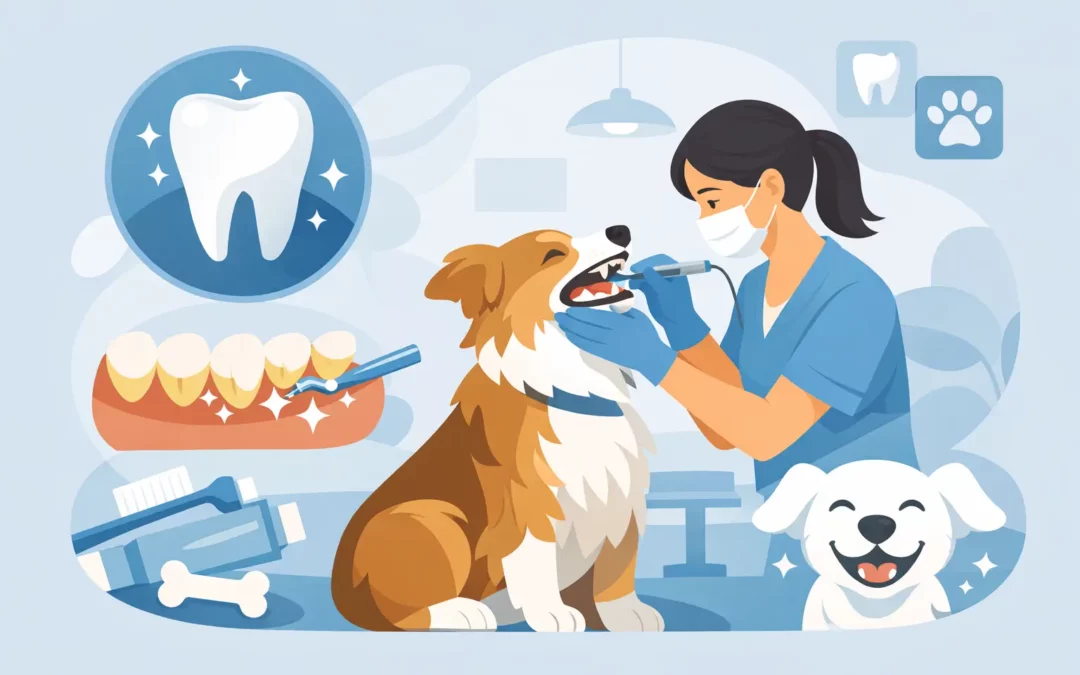
A dog with a sweet face and a not-so-sweet breath usually tells you something is overdue. If you have been wondering when does a dog need teeth cleaning, the answer often shows up earlier than most pet parents expect. By the time plaque is easy to see or your dog pulls away when you touch their mouth, dental buildup may already be affecting comfort, breath, and overall wellness.
For many families, dental care gets pushed behind baths, coat care, and nail trims because the warning signs can seem small at first. A little bad breath, a bit of yellow on the teeth, some hesitation around crunchy treats – it is easy to assume those things are normal. They are common, but they are not something to ignore. Clean teeth play a big part in keeping your dog happy, relaxed, and feeling like themselves.
When does a dog need teeth cleaning most often?
The short answer is this: a dog needs teeth cleaning when plaque and tartar begin building up, when the breath turns persistently foul, or when the gums start looking irritated instead of healthy pink. Some dogs also need attention sooner simply because of breed, age, diet, or mouth shape.
There is no one-size-fits-all timeline. A young large-breed dog with naturally good spacing between the teeth may stay fresher longer than a small dog with a crowded mouth. Many toy breeds and small dogs are especially prone to buildup because food and bacteria can collect more easily in tight spaces. Senior dogs may also need closer monitoring, even if they never had obvious dental problems in the past.
In practical terms, many dogs benefit from regular dental attention before there is a major problem. Waiting until a dog seems painful usually means the buildup has had time to settle below the gumline, where irritation can become more serious. The goal is not just to make the teeth look cleaner. It is to help your dog stay comfortable, eat easily, and avoid the stress that can come with neglected oral care.
Signs your dog may be due for teeth cleaning
Some signs are easy to spot, and some are subtle. The most familiar one is bad breath, but not every pet parent realizes how different normal dog breath is from dental odor. If your dog’s breath smells unusually sour, fishy, rotten, or simply much stronger than usual, that is worth paying attention to.
Visible yellow or brown tartar along the gumline is another common sign. Healthy teeth should not look heavily coated. If the gums appear red, puffy, or tender, that can also point to irritation caused by buildup. A dog who once loved chew toys may start avoiding them, chewing only on one side, or dropping food from their mouth.
Behavior can change too. Some dogs become quieter, less playful, or a little guarded around the face when their mouth is bothering them. Others paw at their muzzle or resist having their lips lifted. Because dogs are good at masking discomfort, even mild changes deserve a closer look.
Signs that should not wait
If you notice bleeding gums, a broken tooth, swelling near the mouth, heavy drooling, or clear signs of pain while eating, it is time to act quickly. Those issues go beyond simple cosmetic buildup and may need veterinary attention. Gentle grooming support is wonderful for maintenance, but pain, injury, and advanced dental disease should always be evaluated appropriately.
Why timing matters more than most people think
Dental buildup tends to move in one direction – it gets worse, not better, without care. Plaque starts soft, then hardens into tartar. Once tartar forms, it clings more stubbornly to the tooth surface and creates a rough area where even more bacteria can collect. That is why a small amount of neglected buildup can gradually become a bigger comfort issue.
There is also the quality-of-life side of it. Dogs may keep eating and acting cheerful long after their mouth has become uncomfortable. Pet parents often feel surprised when a dog seems brighter and more relaxed after dental care, simply because the discomfort had become part of everyday life. A cleaner mouth can mean fresher breath, easier chewing, and more comfort during play, grooming, and cuddle time.
For families who love that polished, well-cared-for look, clean teeth also complete the picture. A soft coat, neat face trim, and healthy smile all work together. Oral care is not separate from grooming wellness. It is part of the same loving routine.
What affects when does a dog need teeth cleaning?
Several factors can change the timeline. Size is one of the biggest. Small breeds often need more frequent dental attention than larger dogs. Age matters too, since older dogs may have years of buildup or more sensitive gums.
Diet and daily habits also make a difference. Dogs who eat softer foods, dislike chew items, or do not tolerate home brushing can accumulate plaque more quickly. Some pets are naturally more cooperative with oral care, while others find mouth handling stressful. That does not mean they should go without help. It simply means they may do better with a calm, gentle, comfort-first approach.
Genetics can play a role as well. Some dogs seem to collect tartar quickly no matter how loved and well cared for they are. That is not a reflection on the owner. It just means they need a more personalized plan.
Puppies and young dogs
Even young dogs benefit from having their mouth checked regularly. Puppies may not need cleaning for tartar right away, but early attention helps them get comfortable with gentle mouth handling. That sets the stage for easier care as they grow. Starting before there is a problem is often the kindest path.
Adult and senior dogs
Adult dogs usually show the clearest signs of maintenance needs, especially between routine grooming appointments. Senior dogs deserve extra attentiveness because oral discomfort can quietly affect appetite, mood, and energy. A dog who seems to be slowing down may sometimes be dealing with a mouth that does not feel good.
Professional care vs. waiting it out
A lot of pet parents hope a dental chew or crunchy treat will solve the problem once tartar is visible. Those products can be helpful as part of maintenance, but they usually do not erase established buildup. Think of them as support, not a reset button.
That is where professional care becomes valuable. A gentle teeth cleaning service can help freshen the mouth, reduce surface buildup, and support a more polished, comfortable routine for dogs who need regular maintenance. For pet parents, it also brings peace of mind. You are not guessing whether the buildup is getting worse or hoping the breath will improve on its own.
Of course, there is a trade-off. Some dogs need basic maintenance and freshening, while others may need veterinary dental treatment if there is pain, advanced tartar, loose teeth, or gum disease. Knowing the difference matters. The most caring choice is always the one that fits your dog’s current condition, rather than forcing a one-size-fits-all solution.
How often should you check your dog’s teeth?
A quick look every week is a good habit, especially if your dog is small, older, or prone to bad breath. You do not need to turn it into a stressful inspection. Lift the lip gently, notice the gum color, look for visible buildup, and pay attention to odor. Those few moments can tell you a lot.
It also helps to think of dental care as part of your regular grooming rhythm instead of a separate issue. When your dog comes in for baths, coat maintenance, or a freshen-up, their mouth should not be an afterthought. It deserves the same attention as the coat, nails, and paws because it affects comfort just as much.
For many local pet parents, keeping up with dental maintenance is really about preventing the point where their dog starts feeling off. Fresh breath is lovely, but comfort is the real luxury.
When does a dog need teeth cleaning from a comfort-first salon?
If your dog has visible surface buildup, lingering bad breath, and a mouth that could benefit from gentle routine attention, a professional grooming setting can be a wonderful part of ongoing care. In a calm, nurturing environment, dogs often do best when services are handled with patience and individualized attention instead of rushed, high-volume treatment.
That is especially true for dogs who are sensitive, older, or simply more comfortable when they know they are being handled kindly. At Jolis Grooming, that comfort-first philosophy is part of every service. Dental care should feel supportive and reassuring, not stressful.
If you are asking the question at all, your dog is probably giving you a reason to look a little closer. Trust that instinct. A cleaner mouth can mean more than fresher kisses – it can help your dog feel lighter, more comfortable, and more at ease in the little moments that make them feel at home with you.
by | Jun 7, 2026 | Uncategorized
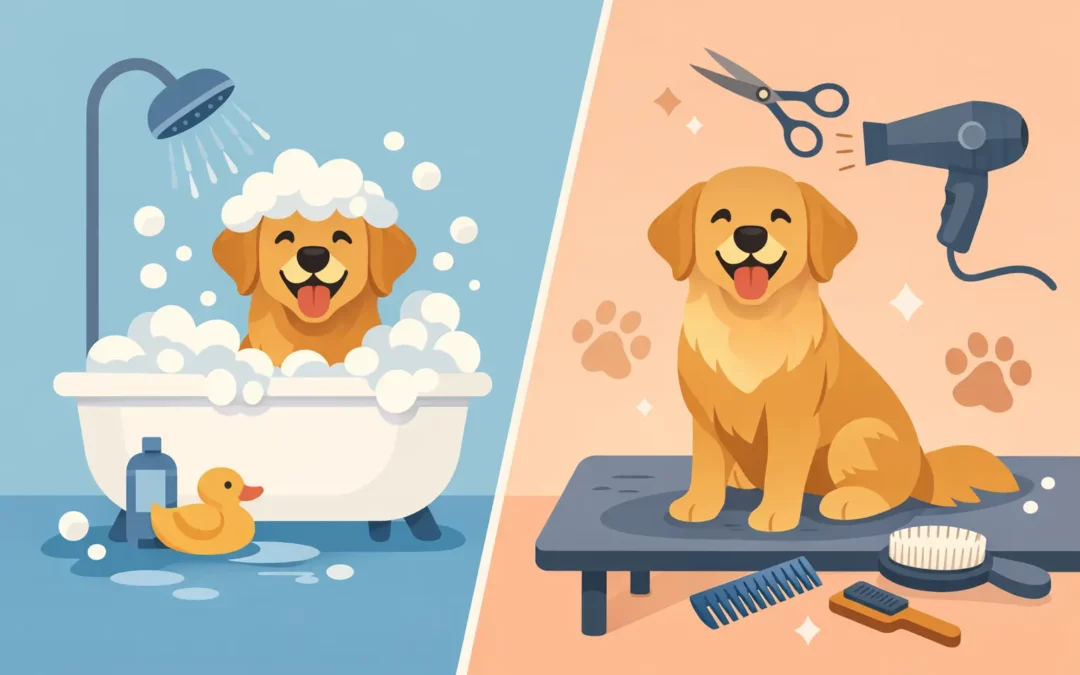
A fresh-smelling dog with a soft coat is wonderful. A dog who is also comfortable, tidy around the face and paws, and free from overgrown nails is something else entirely. When pet parents compare dog bath versus full groom, they are usually trying to answer a very practical question – what does my dog actually need right now?
The answer depends on your dog’s coat, lifestyle, grooming routine, and comfort level. Some dogs truly do great with a bath and brush between larger appointments. Others need the more complete attention that comes with a full groom to stay clean, healthy, and happy. Knowing the difference helps you book the right service and avoid waiting until small issues turn into bigger ones.
Dog bath versus full groom: what’s the difference?
A dog bath is usually focused on getting your pup clean, refreshed, and more comfortable. That often includes a cleansing bath, drying, brushing, and light tidying depending on the service. It is a great choice when your dog’s coat is in decent shape and mainly needs a reset after playtime, outdoor walks, shedding, or everyday buildup.
A full groom goes further. Along with bathing and brushing, it typically includes more detailed grooming work such as trimming or haircutting, attention around the face, feet, and sanitary areas, and care that creates a more polished overall finish. For many dogs, it also includes nail care and other touchpoints that support comfort as much as appearance.
That difference matters because grooming is not only about how a dog looks when they leave the salon. It affects how they move, how their skin and coat feel, how manageable their hair is at home, and how pleasant daily cuddles become for everyone.
When a bath is the right choice
A bath can be exactly what your dog needs if their coat is already maintained and there is no significant overgrowth or matting. Short-haired breeds often benefit from regular baths to remove dirt, loose hair, and that familiar doggy smell without needing a full haircut. Dogs with longer coats can also benefit from bath visits between grooming appointments if their shape is still intact and their coat has been kept brushed out.
This option works especially well for pet parents who want their dog clean and fresh without changing the coat length. If your pup just needs a refresh after daycare, beach time, muddy yard fun, or a few busy weeks of family life, a bath appointment can restore softness and cleanliness quickly.
There is also a comfort factor. Regular bathing with proper drying and brushing can help reduce buildup on the skin and coat, loosen shedding hair, and keep your dog feeling lighter and more comfortable. For some dogs, that simple maintenance is enough until it is time for more detailed grooming.
When a full groom is worth it
A full groom is the better choice when your dog’s coat needs shaping, trimming, or more complete maintenance. This is common for breeds with continuously growing hair, curly coats, or feathering that can quickly become untidy. If the hair around your dog’s eyes is getting long, the paws look fuzzy and slippery, or the sanitary area needs cleanup, a bath alone will not fully solve the problem.
A full groom is also the right move when you want your dog to feel as good as they look. Nails that have grown too long can affect the way a dog stands and walks. Hair between the paw pads can collect debris and reduce traction. Excess coat around sensitive areas can trap moisture and create discomfort. These are small details, but they have a big effect on everyday well-being.
For many families, a full groom brings peace of mind. You are not just picking up a clean dog. You are bringing home a dog who feels polished, cared for, and easier to maintain between visits.
Coat type changes the answer
If you are unsure where your dog falls in the dog bath versus full groom decision, coat type is one of the biggest clues.
Short-coated dogs often need frequent baths more than haircuts. They still benefit from brushing, nail attention, and paw care, but a full haircut may not be necessary. Their maintenance schedule is usually about freshness, shedding control, and skin comfort.
Dogs with curly, wavy, or continuously growing coats often need full grooming on a more regular basis. These coats can mat close to the skin, especially around the ears, legs, tail, and collar area. Once tangles tighten, a simple bath will not make them disappear. In fact, bathing a matted coat can make the situation worse if the coat has not been properly worked through.
Medium and long-coated dogs fall somewhere in the middle. Some need regular trims to stay neat and comfortable, while others mainly need baths, brushing, and occasional touch-ups. This is where personalized care matters. The best grooming plan is based on your individual dog, not just the breed label.
Lifestyle matters more than many pet parents think
Two dogs with the same breed and coat can need completely different services depending on how they live. A dog who spends weekends on trails, rolls in the grass, swims, or loves the dog park may need more frequent bathing to stay fresh and comfortable. A dog who lives a quieter indoor life may be able to go longer between cleaning appointments but still need coat maintenance and nail care.
Season matters too. Florida weather can be hard on coats and paws, especially with humidity, rain, and outdoor activity. That can mean more dirt, more tangles, and more need for regular upkeep. If your dog seems grimy faster than expected or their coat feels harder to manage, that is often a sign they need a more consistent schedule, not necessarily a one-time fix.
Signs your dog needs more than a bath
Sometimes pet parents book a bath thinking their dog only needs a little cleanup, but a closer look says otherwise. If you notice hair covering the eyes, tangles behind the ears, thick fur around the paws, overgrown nails, or a coat that feels heavy and unruly, your dog may be ready for a full groom.
Another clue is how your dog behaves. If they are licking at their paws, rubbing their face, slipping on floors, or seeming irritated during brushing, grooming needs may be affecting comfort. Dogs cannot tell us they feel overgrown, but they do show it.
That is one reason many owners prefer a professional salon experience that looks beyond the surface. A thoughtful appointment is not just about making a pet photo-ready. It is about noticing what will help your dog feel calmer, cleaner, and more at ease.
Why the right appointment makes the experience better
Booking the right service helps the entire visit go more smoothly. If your dog only needs a bath, they can enjoy a refreshing, efficient appointment that leaves them soft, clean, and pampered. If they need a full groom, choosing that from the start allows enough time and care for proper coat work, trimming, and finishing details.
It also creates a better experience for your dog. Gentle handling, pet-safe products, and a calm approach matter most when a dog is being bathed, brushed, trimmed, and dried. A comfort-first salon can make routine grooming feel less stressful and more familiar over time, which is especially meaningful for nervous pets or busy families trying to keep care consistent.
At Jolis Grooming, that personalized attention is part of what makes the difference. Every dog is treated like an individual, with services centered on comfort, cleanliness, and a polished result that supports overall well-being.
Choosing what to book for your next visit
If your dog is fairly tidy and mainly needs to smell better, feel softer, and lose the dirt and loose coat that come with everyday life, a bath may be perfect. If your dog’s coat is overgrown, their shape has disappeared, or their face, paws, nails, and sanitary areas need more detailed attention, a full groom is the better choice.
And sometimes it is not either-or forever. Many dogs benefit from a rhythm that includes bath appointments between full grooms. That kind of routine keeps the coat more manageable, helps the dog stay comfortable, and makes each visit easier on both the pet and the owner.
The kindest choice is not always the quickest one. It is the service that meets your dog where they are, supports their comfort, and sends them home feeling refreshed, cared for, and proud to be spoiled a little.
by | Jun 5, 2026 | Uncategorized
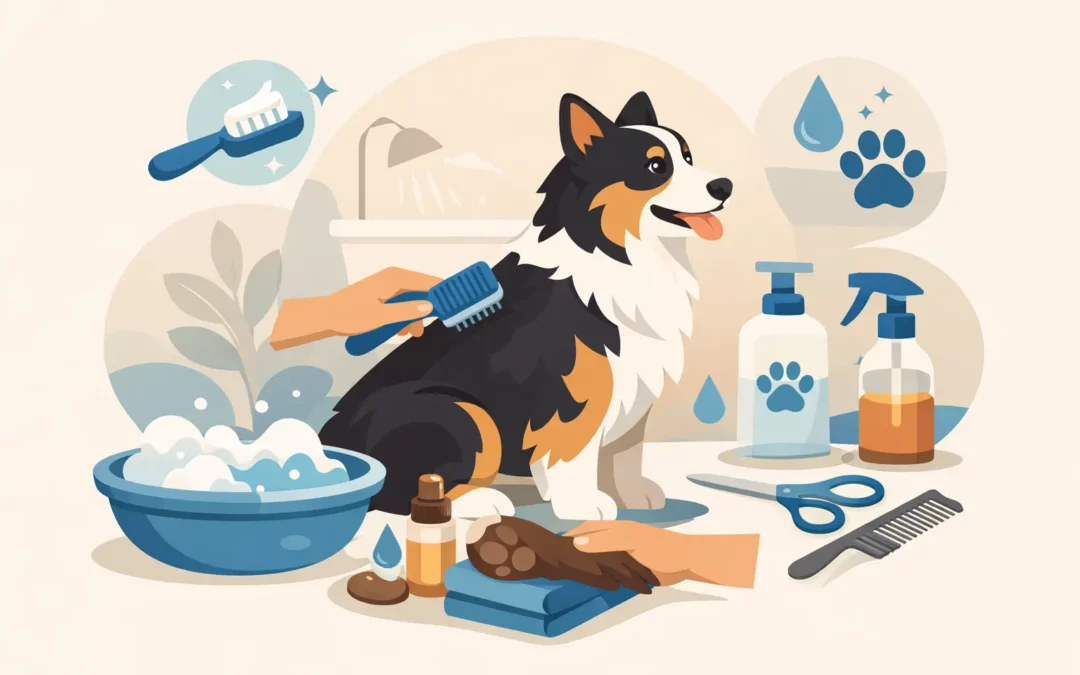
That dull patch on your dog’s back, the tangles behind the ears, the extra fur collecting on your sofa – those small signs usually mean coat care has slipped from simple upkeep into something your dog can actually feel. A good guide to dog coat maintenance is not just about looks. It is about comfort, cleanliness, skin health, and helping your pet feel calm and cared for every day.
For many pet parents, coat care becomes frustrating when they are trying to do the right thing but are not sure what their dog actually needs. A fluffy doodle, a sleek boxer, and a double-coated shepherd all require very different care. The best routine is rarely the most complicated one. It is the one that fits your dog’s coat type, lifestyle, and tolerance for grooming while keeping visits positive and stress-free.
Why a guide to dog coat maintenance matters
A healthy coat does more than make your dog look polished. It helps regulate body temperature, protects the skin, and gives you early clues about irritation, dryness, parasites, or allergies. When a coat is not properly maintained, mats can pull at the skin, trapped moisture can lead to odor and irritation, and loose undercoat can build up faster than most owners expect.
There is also the comfort factor. Dogs may not tell you when a knot under the collar is tugging or when packed fur between the paw pads is making each step less comfortable. Regular maintenance helps avoid those issues before they become a bigger problem. For pet owners, that often means less shedding around the house, fewer unpleasant surprises, and a dog that feels softer, cleaner, and happier to cuddle.
Start with your dog’s coat type
The biggest mistake owners make is assuming all brushing and bathing routines are basically the same. They are not. Coat type changes everything, from how often you brush to how often your dog should see a professional groomer.
Short-coated dogs often seem low-maintenance, but they still benefit from regular brushing. It helps remove loose hair, distribute natural oils, and keep the coat looking smooth and glossy. Breeds with short coats may not mat easily, but they can still develop dry skin, excess shedding, and buildup if grooming is skipped for too long.
Medium and long-coated dogs need more frequent attention because tangles form quickly in friction areas like the ears, chest, tail, armpits, and hindquarters. If left alone, soft tangles can tighten into mats that are uncomfortable and difficult to remove without trimming.
Curly and continuously growing coats, common in poodles and doodle mixes, usually need the most consistent care. These coats can hide knots close to the skin even when the surface looks fluffy and neat. They often need both at-home brushing and routine professional grooming to stay manageable.
Double-coated breeds such as huskies, shepherds, and golden retrievers have a dense undercoat that sheds seasonally and can become packed if not thoroughly brushed. These dogs need de-shedding and proper coat maintenance, but they also need care that respects the coat’s natural function. In many cases, heavy shaving is not the right answer.
Brushing is the foundation of coat care
If there is one habit that makes the biggest difference, it is brushing. Regular brushing keeps fur from matting, lifts away dirt and loose coat, and allows you to check for bumps, redness, dry patches, or anything unusual. It also gives your dog a chance to become comfortable with touch, which makes every future grooming appointment easier.
How often you brush depends on the coat. A short-coated dog may do well with a quick session once or twice a week. A long or curly coat may need attention several times a week, sometimes even daily in problem areas. The key is consistency. Ten calm minutes on a routine schedule is usually better than waiting until the coat is tangled and your dog is already uncomfortable.
Technique matters too. Fast brushing over the top layer can make the coat look tidy while leaving hidden knots underneath. Gentle section-by-section brushing is more effective, especially in thicker coats. If your dog dislikes brushing, shorter sessions with praise and patience usually work better than trying to finish everything at once.
Bathing should help the coat, not strip it
A clean coat feels wonderful, but bathing too often or with the wrong products can leave skin dry and irritated. Most dogs do best on a bathing schedule based on coat type, activity level, and skin sensitivity. A dog who spends weekends rolling in the yard may need more frequent baths than a mostly indoor senior with sensitive skin.
Pet-safe shampoo matters. Human products can disrupt the skin’s balance, and harsh cleansers may leave the coat rough instead of soft. A proper bath should cleanse the coat, support skin health, and leave your dog smelling fresh without overpowering fragrance.
Drying is just as important as washing. Damp fur trapped close to the skin can create odor and irritation, especially in dense or long coats. Thorough drying, followed by brushing, helps the coat settle properly and reduces the chance of tangles forming right after bath time.
Trims, tidy-ups, and when professional grooming helps
Not every dog needs a full haircut, but many benefit from regular trimming around the face, feet, sanitary areas, and paws. These small details can make a big difference in cleanliness and comfort. Hair around the eyes can affect visibility. Fur around the paws can collect dirt and make footing less secure. Overgrown areas around the rear can quickly become messy.
This is where professional grooming becomes especially valuable. Some coats need shaping, hand-scissoring, de-matting, or fluff drying that is difficult to replicate at home. More importantly, professional care can make grooming gentler and safer for dogs who are anxious, wiggly, elderly, or prone to matting.
A comfort-first salon experience matters. Dogs respond to calm handling, pet-safe products, and a pace that respects their stress level. For many families, regular appointments are less about vanity and more about keeping coat care manageable without turning it into a battle at home. At Jolis Grooming, that personalized approach is part of what helps pets leave looking polished and feeling genuinely cared for.
Seasonal changes affect coat maintenance
Florida pet owners often notice that coat care needs shift with the weather, activity, and humidity. Warm, humid months can make coats feel heavier and more prone to odor, while outdoor play means more dirt, debris, and tangles. Seasonal shedding can also turn a manageable coat into one that suddenly needs far more brushing than usual.
This is one of those areas where it depends. Some dogs need more frequent baths in summer but not more trimming. Others benefit from de-shedding during seasonal coat changes rather than a shorter haircut. The goal is to support the coat’s natural health, not simply remove as much fur as possible.
Signs your dog’s coat routine needs attention
Sometimes the problem is obvious, like mats or excess shedding. Other times, the clues are subtle. A coat that feels greasy, brittle, or unusually dry may need a different grooming schedule or better products. Persistent scratching, odor, flakes, or redness can point to skin concerns that deserve closer attention.
Behavior can be a clue too. If your dog pulls away when touched in certain spots, seems restless after walks, or suddenly resists brushing, there may be hidden tangles or irritation. Grooming should support your dog’s well-being, not become a source of discomfort. When something changes, it is worth paying attention.
Building a routine that feels realistic
The best guide to dog coat maintenance is one your household can actually follow. That may mean a quick brushing routine after evening walks, a bath every few weeks, and scheduled grooming appointments to handle the more detailed work. It does not have to be perfect to be effective.
Try to think in terms of rhythm instead of rescue. When grooming only happens once the coat is already matted or unruly, the experience is harder for everyone. When care is built into your dog’s normal routine, it stays gentler, easier, and far more comfortable.
Your dog’s coat tells a story about how they feel. Soft, clean, well-kept fur is not just beautiful – it is a sign of comfort, attention, and loving care. And for the pets who trust us with every brush, bath, and trim, that kind of care is never a small thing.
by | Jun 3, 2026 | Uncategorized
That little doggy breath that makes you laugh at first can turn into something harder to ignore. If you have been wondering, is professional dog teeth cleaning worth it, the short answer is often yes – especially when it helps your dog stay more comfortable, fresher, and healthier between vet visits and grooming appointments.
For many pet parents, dental care gets pushed down the list until there is a strong odor, yellow buildup, or signs that their dog is uncomfortable chewing. The challenge is that oral hygiene issues do not stay cosmetic for long. What starts as plaque on the surface can lead to irritated gums, worsening breath, and a mouth that simply does not feel good. That is why professional teeth cleaning can be a valuable part of regular care, not just an extra treat.
Is professional dog teeth cleaning worth it for most dogs?
For a lot of dogs, yes. Professional dog teeth cleaning is worth it when it helps reduce surface buildup, freshens breath, and supports better mouth hygiene before plaque becomes a bigger issue. It can be especially worthwhile for dogs that resist brushing at home, have smaller mouths where buildup tends to collect faster, or are simply due for more consistent upkeep.
The real value is not only how your dog looks after a cleaning. It is how your dog feels. A cleaner mouth can mean less irritation, less odor, and a more pleasant day-to-day experience for your pet. For owners, it also brings peace of mind. You are not guessing whether that bad breath is normal or hoping the buildup will somehow go away on its own.
That said, there is a difference between cosmetic maintenance and medical dental care. Grooming-based teeth cleaning can be a wonderful wellness service, but it does not replace veterinary treatment when a dog has advanced dental disease, loose teeth, bleeding gums, or pain. Knowing that difference matters.
What professional dog teeth cleaning actually helps with
A quality cleaning service is helpful because it targets the early, visible signs of poor oral hygiene. Surface plaque and fresh tartar buildup can make the teeth look dull and contribute to unpleasant breath. When that material is removed and the mouth is cared for regularly, many dogs look more polished and seem noticeably more comfortable.
There is also the consistency factor. Pet parents often have every intention of brushing at home, but life gets busy. Some dogs squirm, clamp their mouths shut, or turn tooth brushing into a dramatic event. Professional care helps fill that gap. It gives your dog a level of routine attention that can be hard to maintain on your own.
Another benefit is that oral care tends to work best as part of a broader grooming rhythm. When your dog is already coming in for a bath, face trim, fluff and brush, or paw treatment, adding teeth cleaning can support an overall feeling of freshness and comfort. It is one more way to care for the whole pet, not just one isolated issue.
When the cost feels worth it
Most pet owners are not asking whether oral hygiene matters. They are asking whether the service is worth paying for. That is a fair question.
Professional dog teeth cleaning often feels worth it when it helps you stay ahead of stronger odors, visible buildup, and neglect that could become more stressful later. Preventive care is usually easier, gentler, and more pleasant than waiting until your dog is showing obvious discomfort. If your dog tolerates regular grooming well, adding teeth cleaning can be a simple way to support ongoing wellness without making care feel overwhelming.
It also comes down to your dog’s habits and risk factors. Smaller breeds, older dogs, and dogs that are not getting regular brushing at home may benefit more from scheduled cleanings. A young dog with naturally clean teeth and a strong home-care routine may not need the same frequency. So the value is real, but it is not one-size-fits-all.
Signs your dog may benefit from professional teeth cleaning
Sometimes the need is obvious. More often, it sneaks up gradually. If your dog’s breath has shifted from mildly unpleasant to consistently strong, that is a clue. If you see yellow or brown buildup near the gumline, if the teeth no longer look clean, or if your dog seems reluctant with chew toys, it may be time to pay closer attention.
You may also notice small behavior changes. Some dogs become pickier about harder treats. Others paw at their mouth, drool more than usual, or simply seem less enthusiastic at mealtime. These signs do not always mean a grooming teeth cleaning is the answer, but they do mean the mouth should not be ignored.
A good rule is this: if the issue looks mild and surface-level, a professional grooming service may be helpful. If the mouth looks painful, inflamed, bleeding, or severely coated in tartar, veterinary care should come first.
Grooming teeth cleaning versus veterinary dental cleaning
This is where a little clarity helps. Grooming-based teeth cleaning is typically intended to improve visible cleanliness and support routine oral hygiene. It is best suited for maintenance and early buildup. It can leave the mouth looking fresher and help you keep up with your dog’s care in a gentle, approachable way.
Veterinary dental cleaning is different. That is the route for diagnosing and treating disease below the gumline, managing infection, taking dental X-rays, and addressing damaged or painful teeth. If a dog has serious tartar, gum disease, or oral pain, cosmetic cleaning alone is not enough.
Neither service cancels out the other. In many cases, they complement each other well. Regular grooming care can help maintain your dog’s appearance and freshness between medical evaluations, while veterinary dentistry addresses deeper health needs that require clinical treatment.
Why comfort matters during dog teeth cleaning
A dog can have the best service on paper and still have a poor experience if the handling feels rushed or stressful. That is one reason pet parents often prefer a comfort-first grooming environment. Gentle handling, patience, and a calm setting matter just as much as the cleaning itself.
Dogs remember how care feels. When oral care is introduced with kindness and confidence, many pets become more accepting over time. That makes regular maintenance easier on everyone. It also supports the larger goal of grooming as a positive ritual, not something your dog learns to dread.
For families who want polished care without sacrificing their pet’s emotional comfort, this part is not a small detail. It is the whole experience.
How to know if professional dog teeth cleaning is worth it for your dog
The best question is not simply, is professional dog teeth cleaning worth it. It is whether it is worth it for your dog, your routine, and your goals as a pet parent.
If you want better breath, cleaner-looking teeth, and help staying consistent with oral care, it often is. If your dog struggles with home brushing, if buildup appears quickly, or if you want wellness-focused grooming that goes beyond coat care, it can be an easy yes. If your dog is showing signs of pain or advanced dental problems, the value may lie in seeing your veterinarian first and using grooming care later as part of maintenance.
For many loving pet owners, the service feels worthwhile because it supports both comfort and confidence. Your dog gets the benefit of a cleaner mouth, and you get the reassurance of knowing you are not overlooking an important part of everyday care.
At Jolis Grooming, that kind of thoughtful care is part of the experience. When pets are treated gently, cared for personally, and given services that support both comfort and cleanliness, routine grooming becomes something more meaningful than upkeep.
A clean smile may seem like a small thing, but for a dog who depends on you for every part of their well-being, small comforts can make a very big difference.
by | Jun 1, 2026 | Uncategorized
A nervous dog tells you a lot before a groomer ever says a word. If your pup freezes at the door, pulls away from the table, or comes home unsettled after an appointment, something is off. A thoughtful guide to choosing dog groomer services starts there – not with prices or packages, but with how your dog is treated from the first hello.
For many pet parents, grooming is about more than a neat haircut. It is about comfort, cleanliness, skin and coat health, nail and paw care, and the peace of mind that comes from leaving your dog with someone you trust. The right groomer helps your dog feel cared for, not rushed. That difference matters every single visit.
Why choosing the right groomer matters
A grooming appointment can shape how your dog feels about handling, bathing, brushing, nail trims, and even future vet visits. When the experience is calm and gentle, many dogs become more confident over time. When it is chaotic or impersonal, anxiety can build fast.
That is why choosing a groomer should feel personal. You are not simply booking a service. You are choosing a care partner for your dog’s comfort and well-being. A polished finish is lovely, but it should never come at the expense of safety, patience, or kindness.
A great groomer also notices small things that busy owners may miss – irritation between paw pads, overgrown nails, matting behind the ears, or skin changes under the coat. In that sense, grooming supports both appearance and wellness. The best salons understand both.
A practical guide to choosing dog groomer care
The easiest mistake is choosing based on convenience alone. Close to home is helpful, and scheduling matters, but your dog deserves more than the fastest opening on the calendar. A better approach is to look at the full experience.
Start by paying attention to how the salon presents its care philosophy. Do they talk about pets as individuals? Do they mention gentle handling, pet-safe products, and a calm environment? Those details are not fluff. They usually reflect how the team works when your dog is on the table.
It also helps to ask what services are included and how they are tailored. Some dogs only need a bath, fluff and brush, and nail care to stay comfortable. Others need face trims, coat maintenance, teeth cleaning, or a full bath and groom package on a regular schedule. A quality salon will help you choose what suits your dog instead of pushing a one-size-fits-all routine.
Look for a clean, calm environment
Cleanliness should be obvious the moment you walk in. The space should smell fresh, not overpowering. Floors, tubs, tools, and grooming stations should appear well maintained. You want a salon that takes hygiene seriously because that protects both your dog’s health and their overall experience.
Just as important is the energy in the room. Busy does not always mean bad, but frantic usually is. If phones are ringing nonstop, dogs are barking without much soothing, and staff seem rushed, your dog may feel that stress too. A welcoming environment tends to create better grooming visits, especially for puppies, senior dogs, and anxious pets.
Ask how dogs are handled
Not every dog enjoys being brushed, dried, or having paws touched. That is normal. What matters is how the groomer responds. Ask how they help nervous dogs settle in, how they approach breaks, and whether they adjust the appointment for temperament, age, or special sensitivities.
You are looking for a groomer who values patience over speed. Gentle handling, clear communication, and individualized attention often lead to better results than trying to push a dog through the process quickly. Sometimes the best appointment is not the shortest one. It is the one that leaves your dog feeling safe.
Pay attention to communication
A strong grooming relationship is built on conversation. The groomer should ask about your dog’s breed, coat type, lifestyle, skin sensitivities, previous grooming history, and any problem areas. If they do not ask much, that can be a sign the service is too transactional.
Good communication also means being honest about what is realistic. If your dog’s coat is badly matted, a responsible groomer should explain the options with care and without judgment. If your dog struggles with nail trims, they should tell you how they handle it and what may work best over time. Reassuring does not mean vague. It means informed, thoughtful, and kind.
What to ask before booking
A few well-chosen questions can tell you a lot. Ask whether the salon works by appointment and how long dogs typically stay. Ask what products they use and whether they are selected with pet safety in mind. Ask how they handle dogs who are shy, older, or new to grooming.
You can also ask what a first visit looks like. Some salons take extra time to help a dog adjust, while others move on a tighter schedule. Neither approach fits every pet. If your dog is sensitive, a comfort-first setting may be worth waiting a little longer for.
Pricing is fair to ask about too, but it should come after care standards. The cheapest appointment can cost more later if your dog comes home stressed, unevenly groomed, or reluctant to return. Value is not just the total on the receipt. It is how your dog feels afterward.
Signs you may have found the right fit
The right groomer often stands out in simple ways. They greet your dog warmly. They listen carefully when you describe your concerns. They explain services clearly and make recommendations based on your pet’s needs, not just the most expensive package.
Your dog’s behavior after the appointment matters too. Many dogs are tired after grooming, but they should not seem unusually distressed or fearful. A good visit often shows up as a clean coat, comfortable paws, a fresh face, and a dog who seems relieved rather than shaken.
Over time, consistency becomes one of the biggest green flags. When your dog sees the same familiar approach visit after visit, trust grows. That trust is especially valuable for routine care like baths, nail trims, and brushing, which are easiest when they become part of a comfortable rhythm.
When it depends on your dog
There is no single perfect salon for every pet. A fluffy doodle with a high-maintenance coat has different needs than a short-haired dog who mainly needs bathing and nail care. A senior dog may need slower handling and extra support standing. A puppy may need short, positive visits to build confidence before full grooms become routine.
That is why the best guide to choosing dog groomer services always comes back to the individual dog. Breed matters. Coat condition matters. Personality matters. Even schedule matters. Some pet parents need dependable weekday appointments that fit work and school routines. Others need a salon close to home so their dog spends less time in transit. Those practical details count, but they work best when paired with genuine care.
In a community like Longwood, many pet owners are looking for more than basic upkeep. They want a groomer who sees the whole dog – cleanliness, comfort, confidence, and well-being included. That boutique level of attention can make an ordinary appointment feel much more reassuring for both pet and owner.
Why a comfort-first approach is worth it
A comfort-first grooming experience may not always be the fastest option, but it is often the one that creates the best long-term results. Dogs who feel safe are easier to groom well. They tolerate brushing better, stand more calmly for trims, and are less likely to dread the next visit.
That kind of care also feels better for you as an owner. You are not left wondering how your dog was handled or whether anyone noticed their specific needs. You can book with confidence because the relationship is built on trust, personalization, and consistency.
At salons that prioritize attentive care, services like baths, face trims, teeth cleaning, and nail and paw treatments feel less like chores and more like meaningful support for your dog’s health and happiness. That is the standard many loving pet parents are looking for, and it is the standard places like Jolis Grooming aim to provide.
Your dog may not care whether the salon is trendy or whether the package name sounds fancy. They care about gentle hands, a calm voice, and leaving feeling better than when they arrived. When you choose a groomer with that in mind, you are not just checking off a task – you are giving your dog an experience built on comfort, trust, and care.
by | May 30, 2026 | Uncategorized
The moment you reach for the brush, your dog slips under the table. When the nail trimmers come out, they suddenly become an escape artist. If you have ever asked, why does my dog hate grooming, you are not alone. Many loving pet parents run into this exact struggle, and the answer is usually less about stubbornness and more about stress, sensitivity, or past experiences.
For dogs, grooming is deeply personal. It involves touch, sound, restraint, unfamiliar tools, and sometimes vulnerable areas like paws, ears, and faces. Even a sweet, affectionate dog can become nervous when a grooming routine feels confusing or uncomfortable. The good news is that grooming resistance often makes sense once you understand what your dog may be feeling.
Why Does My Dog Hate Grooming? Common Reasons
A dog who resists grooming is not trying to be difficult. More often, they are responding to something that feels scary, uncomfortable, or unpredictable. That reaction can show up as wiggling, whining, hiding, growling, or complete refusal.
One of the biggest reasons is simple sensitivity. Dogs experience the world through touch, sound, smell, and movement. Clippers buzz. Dryers roar. Brushes tug. Nail filing creates pressure on the paw. If your dog is especially sensitive, grooming can feel overwhelming very quickly.
Past negative experiences matter too. A dog that once had a painful mat brushed out, got nicked during a nail trim, or felt rushed during a previous appointment may start to connect grooming with discomfort. That memory can linger, even if every future grooming session is gentle.
Sometimes the issue is not emotional at all. It may be physical. Skin irritation, ear infections, dental discomfort, overgrown nails, joint pain, and matted fur can all make grooming feel unpleasant. A dog with sore hips may hate standing still for too long. A dog with tender paws may panic as soon as those paws are handled.
Age also plays a role. Puppies often dislike grooming because everything is new. Senior dogs may dislike it because their bodies feel more fragile. In both cases, patience and a customized approach make a real difference.
The Parts of Grooming Dogs Often Dislike Most
Not all grooming steps feel the same to your dog. Some dogs tolerate baths but hate brushing. Others are perfectly calm until it is time for nails or face trimming.
Paw handling is one of the most common triggers. Dogs rely on their feet for balance, movement, and security, so many feel protective of them. Nail trims can be especially stressful if a dog has had a quick cut too short before, or if they simply dislike the pressure and sound.
Face grooming can also be a challenge. Trimming around the eyes, muzzle, and ears requires closeness and precision, and some dogs do not enjoy hands or tools near such sensitive areas. Even gentle pets may pull away when they feel vulnerable.
Bathing is another mixed experience. Some dogs enjoy warm water and massage. Others dislike slippery tubs, the sensation of being wet, or water near their face. Then comes the dryer, which can be one of the loudest and most startling parts of the entire process.
Brushing becomes stressful when coats are tangled or matted. A light daily brush on a healthy coat feels very different from trying to work through tight mats that pull at the skin. In these cases, what looks like grooming resistance may actually be a dog trying to avoid pain.
Why Does My Dog Hate Grooming at Home but Not Always Elsewhere?
This can feel confusing for pet parents. Some dogs resist every grooming attempt at home, yet do surprisingly well in a professional setting. Others are the opposite.
At home, dogs may pick up on your hesitation. If you feel nervous about clipping nails or frustrated during brushing, your dog often senses that shift immediately. Home is also a place where dogs expect to relax, so handling they do not understand can feel disruptive.
In a calm professional environment, routines are more predictable. Skilled groomers know how to support a dog safely, work efficiently, and adjust techniques based on temperament and coat condition. For many dogs, that consistency helps lower anxiety.
That said, it depends on the dog. Some pets feel safest with their family and need slow desensitization at home before they can enjoy salon visits. Others benefit from the structure and confidence of experienced hands. There is no one-size-fits-all answer, which is why personalized care matters so much.
Signs Your Dog Is Stressed During Grooming
A dog does not have to bark or snap to be struggling. Stress can be subtle. You may notice lip licking, yawning, trembling, pinned-back ears, panting when they are not hot, trying to turn away, lifting a paw, or suddenly becoming very still.
Some dogs become extra clingy. Others shut down. A frozen posture is not always cooperation. Sometimes it is a sign that a dog feels too unsure to move.
Watching these smaller signals matters because they tell you when your dog is nearing their limit. When stress is ignored, grooming can become harder over time. When it is recognized early, the experience can be adjusted before fear escalates.
How to Help a Dog Who Hates Grooming
If your dog dislikes grooming, the goal is not to force them through it and hope they get used to it. Real progress usually comes from helping them feel safer, one positive experience at a time.
Start by lowering the pressure. Instead of trying to complete a full grooming routine in one session, focus on tiny wins. Let your dog sniff the brush. Touch one paw, then reward. Turn on the dryer across the room for a few seconds, then stop. These moments may seem small, but they teach your dog that grooming does not always lead to something scary.
Keep sessions short. A two-minute calm brushing session is more valuable than a 20-minute struggle. Ending on a positive note helps build trust.
Comfort matters just as much as technique. Use pet-safe products, gentle handling, and the right tools for your dog’s coat and skin. If brushing keeps catching, if nails are severely overgrown, or if mats are tight to the skin, trying to push through at home can make the problem worse.
Routine helps too. Dogs often do better when grooming is part of normal life instead of a rare, overwhelming event. Regular baths, fluff and brush treatments, paw care, and light trims can prevent buildup that turns basic maintenance into a stressful event.
If you suspect pain is part of the problem, it is worth paying attention. A dog that suddenly starts resisting grooming after tolerating it well before may be dealing with a physical issue rather than a behavioral one.
When Professional Grooming Can Change the Experience
For many families, the turning point comes when grooming stops feeling like a battle and starts feeling like care. A gentle, comfort-first grooming experience can reshape how a dog responds over time.
That is especially true for pets who need more than a quick rinse. Dogs with thick coats, fast-growing nails, sensitive skin, or anxiety often benefit from a setting designed around patience and personalized attention. The right groomer will not treat every dog the same. They will notice what your pet is nervous about, move thoughtfully, and create a more peaceful rhythm.
This is where boutique, appointment-based grooming can feel very different from a rushed, high-volume experience. When a dog is handled with kindness, given time to settle, and cared for with their comfort in mind, grooming becomes less about getting through it and more about helping them feel clean, relieved, and confident.
At Jolis Grooming, that comfort-first approach is at the heart of the experience. Services like face trims, baths, teeth cleaning, nail and paw treatment, and full bath and groom appointments are designed to support both appearance and wellness, while helping pets feel pampered instead of pressured.
A Better Grooming Experience Starts With Trust
If your dog hates grooming, it does not mean they are impossible to groom. It usually means they need a little more understanding, a little more patience, and a little more personalization than they have had before.
Some dogs need time to build confidence. Some need gentler handling. Some simply need grooming to happen before mats, long nails, and discomfort take over. Whatever the reason, your dog deserves an experience that protects their comfort as much as their coat.
The most reassuring shift happens when grooming no longer feels like something your dog has to endure. With the right support, it can become part of the care that helps them look polished, feel better, and head home more relaxed than when they arrived.
by | May 28, 2026 | Uncategorized
Some dogs start worrying before the car even leaves the driveway. They recognize the routine, tense up, and suddenly a simple bath or nail trim feels like a big event. If you have been wondering how to reduce dog grooming anxiety, the answer usually starts long before the appointment itself. A calmer grooming experience is built through trust, preparation, and the kind of gentle care that helps your dog feel safe at every step.
For many pet parents, anxiety around grooming can feel discouraging. You want your dog to stay clean, comfortable, and well cared for, but you also never want them to feel overwhelmed. The good news is that grooming stress is not something you simply have to accept. With the right approach, many dogs learn that grooming can be calm, predictable, and even comforting.
Why grooming anxiety happens
Dogs can feel uneasy about grooming for all kinds of reasons. Sometimes it is tied to noise, like clippers or dryers. Sometimes it is the sensation of water, brushing, paw handling, or being in a new space with unfamiliar smells. In other cases, the anxiety comes from a past experience that felt too fast, too rough, or simply too unfamiliar.
Age and temperament matter too. Puppies may be nervous because everything is new. Older dogs may have more physical sensitivity, especially around joints, nails, or matted areas. Some breeds are naturally more touch-sensitive, and some dogs are simply more cautious by personality. That is why comfort-first grooming works so well – it makes room for the individual dog instead of forcing every pet through the exact same pace.
When anxiety is ignored, grooming can become more difficult over time. A dog that panics during brushing may start resisting as soon as the brush comes out. A dog that struggles through nail trims may become fearful of anyone touching their feet. On the other hand, when a dog is handled gently and consistently, trust tends to build with each visit.
How to reduce dog grooming anxiety at home
The best grooming appointments usually begin with small, positive moments at home. If your dog only experiences brushing, face handling, or paw touching during a stressful session, those sensations can start to feel like warnings. Gentle practice between appointments changes that pattern.
Start with short sessions and keep the mood light. Touch your dog’s paws for a second, offer praise, then stop. Brush one small area, reward, and move on with your day. Lift an ear, wipe around the face, or briefly handle the collar and chest while speaking in a calm voice. These tiny repetitions help your dog understand that being handled does not automatically mean discomfort.
Timing matters. If your dog is already overstimulated, hungry, or full of pent-up energy, grooming practice may be harder. A short walk beforehand can help some dogs settle. Others do better after a quiet rest. It depends on your pet’s personality, which is why observing their body language is so valuable.
Keep your expectations realistic. A dog that fears nail trims may not be ready for a full trim after one week of practice. Progress often looks modest at first – less pulling away, less panting, more willingness to stay still. Those are meaningful wins, and they create the foundation for easier grooming later.
Make the routine feel predictable
Dogs tend to relax when life feels understandable. A predictable rhythm around grooming can reduce the fear of surprises. That can mean using the same travel routine, bringing your dog in at a quieter time of day, or keeping your own tone calm and steady before the appointment.
Your dog notices your energy. If you sound rushed, apologetic, or nervous, they can pick up on that tension quickly. A warm, reassuring attitude helps more than many owners realize. Calm does not need to be dramatic. It simply needs to be consistent.
Familiar comforts can also help. For some dogs, that means a favorite blanket in the car. For others, it means arriving with enough time so they are not being hurried from one place to another. Little details make a difference when your goal is to create a sense of safety rather than just get through the appointment.
Choose a comfort-first grooming experience
One of the most important parts of how to reduce dog grooming anxiety is choosing a groomer who sees emotional comfort as part of quality care. Technique matters, of course, but so does patience. A beautiful result is only part of the experience. The way your dog feels during the process matters just as much.
A comfort-first salon pays attention to pace, handling, and the individual needs of the pet. That may mean allowing a nervous dog time to settle before beginning. It may mean taking extra care around sensitive paws, a guarded face, or a heavily tangled coat. It may also mean using pet-safe products, gentle touch, and a quieter, more personalized approach.
Not every anxious dog needs the exact same solution. Some do better with more frequent appointments so coat maintenance stays simple and comfortable. Others benefit from shorter visits focused on just a few services at a time. A dog who dreads full grooming may cope well with a bath and brush one visit, then a face trim and nail care on another. The right plan depends on what your dog finds hardest and how quickly they recover from stress.
For local pet parents who want that kind of individualized attention, Jolis Grooming is built around a calm, personalized experience that helps dogs feel cared for, not rushed. That difference can mean a lot for pets who need a gentler path toward confidence.
Watch for the small signs of stress
Many dogs do not show anxiety in dramatic ways at first. They may lick their lips, yawn, lean away, freeze, tremble, or keep looking for the exit. Those subtle signals are worth noticing. They tell you when your dog is approaching their limit.
This is where a slower approach matters. If a dog is showing mild stress, a short pause, softer handling, or a reset can prevent that stress from escalating. If those signs are missed, the dog may move from uneasy to fully panicked. Once that happens, learning becomes harder and trust can take longer to rebuild.
It is also important to separate anxiety from discomfort. A dog who resists brushing may be frightened, but they may also be dealing with mats that pull at the skin. A dog who hates paw handling may be anxious, or they may have tender nails or irritated paw pads. Good grooming care looks at both emotional and physical comfort together.
Keep coat and nail care manageable
Sometimes the most effective way to reduce grooming anxiety is to prevent the appointment from becoming physically uncomfortable. When coats get heavily matted, brushing and trimming take longer and can feel much more intense. When nails are overgrown, paw handling can be more sensitive. Regular maintenance supports emotional ease because the process stays gentler.
That does not mean every dog needs an elaborate routine at home. It means consistency matters more than perfection. A few minutes of brushing several times a week is often easier on your dog than one long detangling session after weeks of buildup. The same idea applies to paw care, face cleaning, and routine baths.
If your schedule is full, regular professional grooming can take pressure off both you and your dog. Staying on a dependable schedule usually means shorter, smoother appointments and a dog who becomes more familiar with the process over time.
Give nervous dogs time to build confidence
Some dogs improve quickly. Others need a longer runway. That is normal. The goal is not to create a dog who loves every part of grooming overnight. The goal is to help your dog feel safer, more supported, and less overwhelmed each time.
Confidence often grows through repetition paired with positive handling. A dog who once fought paw trims may eventually tolerate them calmly. A puppy who squirms through brushing may grow into an adult dog who stands comfortably for coat care. Those changes rarely happen through force. They happen through patience, trust, and experiences that stay as positive as possible.
If your dog has severe anxiety, honesty helps. Tell your groomer what triggers your pet, what has gone badly before, and what seems to help. That information allows the experience to be tailored with more care. Personalized grooming is not a luxury for anxious dogs. It is often the reason they are able to make progress at all.
When your dog is treated with warmth, patience, and respect, grooming starts to feel less like something to endure and more like part of being well cared for. That shift may happen gradually, but it is worth every gentle step.
by | May 26, 2026 | Uncategorized
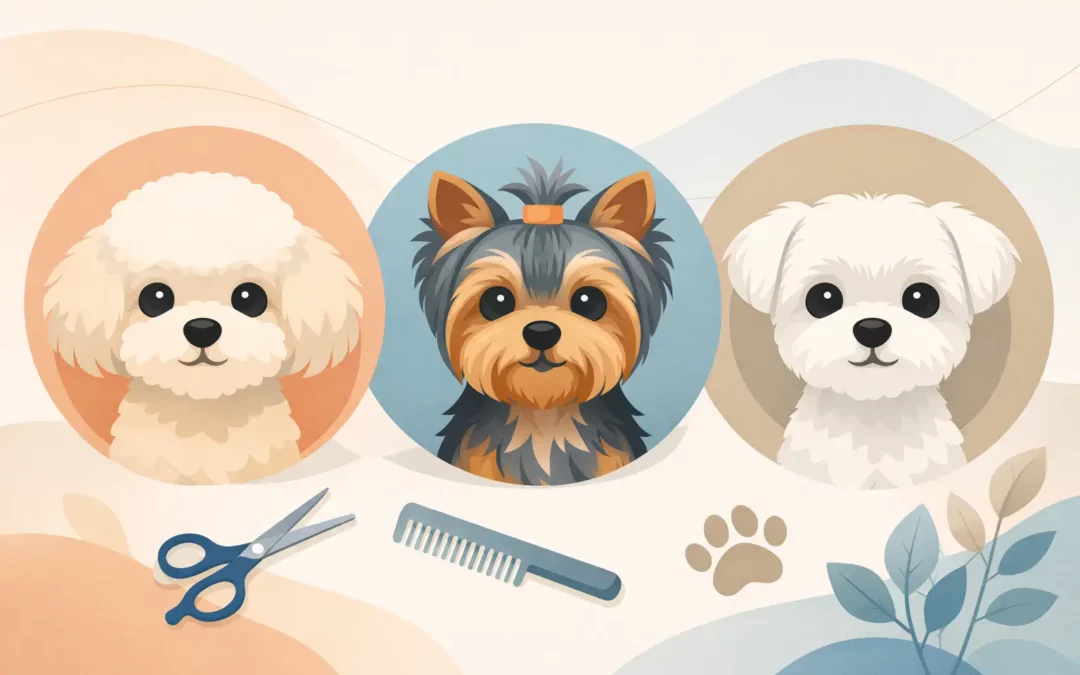
A beautifully trimmed face can change everything about a small dog’s look. The right face trim styles for small dogs do more than create a cute finish for photos – they help your pup see clearly, stay cleaner around the mouth and eyes, and feel more comfortable day to day. For pet parents who want their dog to look polished without sacrificing softness or comfort, the face trim is often where grooming feels most personal.
Small dogs have expressive features, and a thoughtful trim can bring those features forward in the most flattering way. It can soften a strong muzzle, open up bright eyes, or create a neat teddy bear shape that feels timeless and sweet. At the same time, not every trim suits every coat, and the most beautiful result is usually the one that balances style with your dog’s texture, maintenance needs, and comfort level.
Choosing face trim styles for small dogs
When pet parents think about grooming, they often picture the body cut first. But with small breeds, the face is what everyone sees immediately. That is why choosing among face trim styles for small dogs should start with your dog’s lifestyle, not just a photo you love.
A trim that looks perfect on a relaxed Maltese with a silky coat may not wear the same way on a playful Shih Tzu who spends afternoons rubbing her face on the couch. A fuller face can create that plush, cuddly look many owners adore, but it may require more brushing and more frequent touch-ups around the eyes. A shorter, cleaner shape tends to stay neater longer, though some pet parents feel it gives a less fluffy, puppy-like finish.
The sweet spot is different for every dog. Some need a trim that keeps tear staining less noticeable. Others benefit from tighter shaping around the mouth because they tend to hold food and moisture in the beard. For nervous dogs, a simpler maintenance trim may be the kindest choice because it keeps appointments shorter and easier.
The most loved small dog face trims
The teddy bear face
This is one of the most requested looks for a reason. The teddy bear face leaves the cheeks rounded, the muzzle soft, and the overall expression plush and youthful. It works especially well for breeds and mixes with coats that can hold shape, including Shih Tzus, Bichon Frises, and many doodle mixes on the smaller side.
The appeal is obvious – it feels classic, cuddly, and beautifully balanced. The trade-off is maintenance. A fuller round face can trap moisture after drinking and may need regular wiping and brushing to stay fresh. For pet parents who love that cloud-soft look and are comfortable with a little upkeep, it is hard to beat.
The puppy face
The puppy face is slightly looser and more natural than a crisp sculpted round trim. It keeps the expression open and gentle without making every line look highly styled. This can be a lovely option for owners who want their dog to appear neat but not overly formal.
It is especially flattering on dogs with naturally soft features or those whose coats grow quickly between appointments. Because the shape is a bit more forgiving, it often grows out gracefully. That can be helpful for busy families trying to keep their small dog looking adorable without feeling like grooming must be perfectly timed.
The clean round face
For pet parents who want softness with a tidier edge, the clean round face offers a polished middle ground. It keeps the rounded charm around the cheeks and head while trimming the eye corners and mouth area more closely. The result feels boutique and refined without looking severe.
This style is often ideal for dogs who get messy around the muzzle or who need clear visibility around the eyes. It delivers that well-kept salon finish while still honoring the sweetness small dogs are known for.
The short practical face
Sometimes the best style is the one that makes everyday life easier. A shorter face trim keeps hair away from the eyes, reduces debris around the mouth, and lowers the amount of brushing needed between appointments. This style can be especially helpful in warm Florida weather, where lighter maintenance and less trapped moisture can make a real difference in comfort.
That does not mean it has to look plain. A skilled groomer can keep the face short while still preserving softness and balance. For active dogs, seniors, or pups with sensitive skin, this can be one of the kindest and most functional choices.
The breed-inspired face
Some pet parents prefer a trim that honors the traditional look of their dog’s breed. A Yorkie face, for example, often leans sleek and neat, while a Schnauzer-inspired trim may include a more defined beard and brows. Breed-inspired styles can be beautiful, but they work best when adjusted for the individual dog rather than followed too rigidly.
A pure breed look may need to be softened if your dog’s coat texture is different, if matting is a concern, or if your pup does better with lower-maintenance care. The best grooming never feels forced. It should suit your dog as they are, not only as a breed standard photo suggests.
What makes a face trim truly flattering
A flattering face trim is not just about symmetry. It is about proportion, expression, and comfort. Small dogs can have prominent eyes, petite muzzles, rounded skulls, or narrow faces, and each feature changes what will look most balanced.
Dogs with larger, more prominent eyes usually benefit from careful clearing around the eye area so their expression looks bright rather than hidden. Dogs with shorter muzzles may need shaping that avoids making the face appear too bulky. If the ears carry a lot of coat, the face trim also needs to work with that volume instead of competing with it.
Coat type matters just as much. Silky hair falls differently than dense, curly, or cottony coats. A style that appears airy and rounded on one dog may collapse or separate on another. That is why the nicest result often comes from a groomer who tailors the trim rather than repeating the same pattern on every small breed.
Comfort should always come first
A beautiful face trim is only worth it if your dog feels at ease. The area around the face is sensitive, and many small dogs are especially aware of handling near the eyes, chin, and ears. Gentle technique, patience, and calm pacing matter just as much as the final shape.
This is where a comfort-first salon experience changes everything. Dogs who are handled kindly and given individualized attention are more likely to relax, which helps create a safer, more even result. When grooming feels less stressful, pets often become more accepting of regular maintenance, and owners gain peace of mind too.
For some dogs, especially puppies or rescue pets, the best first step is a simpler trim that builds trust. Once they are more comfortable with the process, more detailed styling may become an option. There is no downside to moving at your dog’s pace. In grooming, confidence grows beautifully over time.
Keeping the look fresh between appointments
Even the most polished trim needs a little home care to stay lovely. A quick daily wipe around the eyes and mouth can keep the face cleaner and more comfortable, especially for dogs prone to staining or dampness after meals. Gentle brushing around the cheeks and ears helps prevent tangles from forming where hair rubs together.
If your dog wears a fuller face, consistency matters. Skipping maintenance for a week or two can make the style lose its shape quickly. On the other hand, if your pet wears a shorter trim, home care is usually easier, though regular grooming is still important to keep the face balanced and sanitary.
This is often where pet parents realize that the prettiest style is the one they can realistically maintain. There is nothing wrong with choosing a slightly simpler trim if it keeps your dog more comfortable and your routine more manageable.
Finding the right look for your little dog
The best face trim is the one that makes your dog look like the happiest, most cared-for version of themselves. Some pets shine with a plush round face that invites compliments everywhere they go. Others look best with a cleaner, neater trim that highlights sparkling eyes and keeps life easy. Neither choice is better – it simply depends on coat, temperament, upkeep, and what feels right for your family.
At a personalized grooming salon, this decision should never feel rushed. It should feel like a conversation about comfort, appearance, and trust. That is what pet parents deserve, and it is what small dogs deserve too. At Jolis Grooming, that kind of thoughtful care is part of what makes a grooming visit feel less like an errand and more like a treat.
When you are choosing among face trim styles for small dogs, look for a style that brings out your pup’s personality while keeping everyday comfort front and center. The sweetest face is not just well groomed – it is relaxed, bright-eyed, and clearly feeling loved.
