
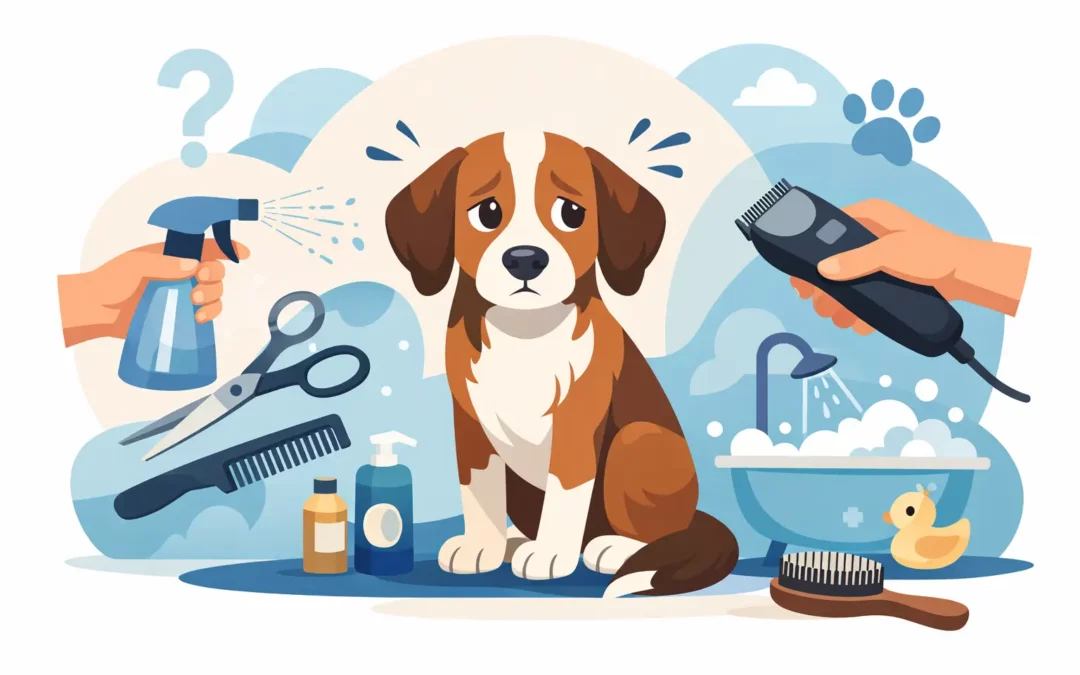
The moment you reach for the brush, your dog slips under the table. When the nail trimmers come out, they suddenly become an escape artist. If you have ever asked, why does my dog hate grooming, you are not alone. Many loving pet parents run into this exact struggle, and the answer is usually less about stubbornness and more about stress, sensitivity, or past experiences.
For dogs, grooming is deeply personal. It involves touch, sound, restraint, unfamiliar tools, and sometimes vulnerable areas like paws, ears, and faces. Even a sweet, affectionate dog can become nervous when a grooming routine feels confusing or uncomfortable. The good news is that grooming resistance often makes sense once you understand what your dog may be feeling.
Why Does My Dog Hate Grooming? Common Reasons
A dog who resists grooming is not trying to be difficult. More often, they are responding to something that feels scary, uncomfortable, or unpredictable. That reaction can show up as wiggling, whining, hiding, growling, or complete refusal.
One of the biggest reasons is simple sensitivity. Dogs experience the world through touch, sound, smell, and movement. Clippers buzz. Dryers roar. Brushes tug. Nail filing creates pressure on the paw. If your dog is especially sensitive, grooming can feel overwhelming very quickly.
Past negative experiences matter too. A dog that once had a painful mat brushed out, got nicked during a nail trim, or felt rushed during a previous appointment may start to connect grooming with discomfort. That memory can linger, even if every future grooming session is gentle.
Sometimes the issue is not emotional at all. It may be physical. Skin irritation, ear infections, dental discomfort, overgrown nails, joint pain, and matted fur can all make grooming feel unpleasant. A dog with sore hips may hate standing still for too long. A dog with tender paws may panic as soon as those paws are handled.
Age also plays a role. Puppies often dislike grooming because everything is new. Senior dogs may dislike it because their bodies feel more fragile. In both cases, patience and a customized approach make a real difference.
The Parts of Grooming Dogs Often Dislike Most
Not all grooming steps feel the same to your dog. Some dogs tolerate baths but hate brushing. Others are perfectly calm until it is time for nails or face trimming.
Paw handling is one of the most common triggers. Dogs rely on their feet for balance, movement, and security, so many feel protective of them. Nail trims can be especially stressful if a dog has had a quick cut too short before, or if they simply dislike the pressure and sound.
Face grooming can also be a challenge. Trimming around the eyes, muzzle, and ears requires closeness and precision, and some dogs do not enjoy hands or tools near such sensitive areas. Even gentle pets may pull away when they feel vulnerable.
Bathing is another mixed experience. Some dogs enjoy warm water and massage. Others dislike slippery tubs, the sensation of being wet, or water near their face. Then comes the dryer, which can be one of the loudest and most startling parts of the entire process.
Brushing becomes stressful when coats are tangled or matted. A light daily brush on a healthy coat feels very different from trying to work through tight mats that pull at the skin. In these cases, what looks like grooming resistance may actually be a dog trying to avoid pain.
Why Does My Dog Hate Grooming at Home but Not Always Elsewhere?
This can feel confusing for pet parents. Some dogs resist every grooming attempt at home, yet do surprisingly well in a professional setting. Others are the opposite.
At home, dogs may pick up on your hesitation. If you feel nervous about clipping nails or frustrated during brushing, your dog often senses that shift immediately. Home is also a place where dogs expect to relax, so handling they do not understand can feel disruptive.
In a calm professional environment, routines are more predictable. Skilled groomers know how to support a dog safely, work efficiently, and adjust techniques based on temperament and coat condition. For many dogs, that consistency helps lower anxiety.
That said, it depends on the dog. Some pets feel safest with their family and need slow desensitization at home before they can enjoy salon visits. Others benefit from the structure and confidence of experienced hands. There is no one-size-fits-all answer, which is why personalized care matters so much.
Signs Your Dog Is Stressed During Grooming
A dog does not have to bark or snap to be struggling. Stress can be subtle. You may notice lip licking, yawning, trembling, pinned-back ears, panting when they are not hot, trying to turn away, lifting a paw, or suddenly becoming very still.
Some dogs become extra clingy. Others shut down. A frozen posture is not always cooperation. Sometimes it is a sign that a dog feels too unsure to move.
Watching these smaller signals matters because they tell you when your dog is nearing their limit. When stress is ignored, grooming can become harder over time. When it is recognized early, the experience can be adjusted before fear escalates.
How to Help a Dog Who Hates Grooming
If your dog dislikes grooming, the goal is not to force them through it and hope they get used to it. Real progress usually comes from helping them feel safer, one positive experience at a time.
Start by lowering the pressure. Instead of trying to complete a full grooming routine in one session, focus on tiny wins. Let your dog sniff the brush. Touch one paw, then reward. Turn on the dryer across the room for a few seconds, then stop. These moments may seem small, but they teach your dog that grooming does not always lead to something scary.
Keep sessions short. A two-minute calm brushing session is more valuable than a 20-minute struggle. Ending on a positive note helps build trust.
Comfort matters just as much as technique. Use pet-safe products, gentle handling, and the right tools for your dog’s coat and skin. If brushing keeps catching, if nails are severely overgrown, or if mats are tight to the skin, trying to push through at home can make the problem worse.
Routine helps too. Dogs often do better when grooming is part of normal life instead of a rare, overwhelming event. Regular baths, fluff and brush treatments, paw care, and light trims can prevent buildup that turns basic maintenance into a stressful event.
If you suspect pain is part of the problem, it is worth paying attention. A dog that suddenly starts resisting grooming after tolerating it well before may be dealing with a physical issue rather than a behavioral one.
When Professional Grooming Can Change the Experience
For many families, the turning point comes when grooming stops feeling like a battle and starts feeling like care. A gentle, comfort-first grooming experience can reshape how a dog responds over time.
That is especially true for pets who need more than a quick rinse. Dogs with thick coats, fast-growing nails, sensitive skin, or anxiety often benefit from a setting designed around patience and personalized attention. The right groomer will not treat every dog the same. They will notice what your pet is nervous about, move thoughtfully, and create a more peaceful rhythm.
This is where boutique, appointment-based grooming can feel very different from a rushed, high-volume experience. When a dog is handled with kindness, given time to settle, and cared for with their comfort in mind, grooming becomes less about getting through it and more about helping them feel clean, relieved, and confident.
At Jolis Grooming, that comfort-first approach is at the heart of the experience. Services like face trims, baths, teeth cleaning, nail and paw treatment, and full bath and groom appointments are designed to support both appearance and wellness, while helping pets feel pampered instead of pressured.
A Better Grooming Experience Starts With Trust
If your dog hates grooming, it does not mean they are impossible to groom. It usually means they need a little more understanding, a little more patience, and a little more personalization than they have had before.
Some dogs need time to build confidence. Some need gentler handling. Some simply need grooming to happen before mats, long nails, and discomfort take over. Whatever the reason, your dog deserves an experience that protects their comfort as much as their coat.
The most reassuring shift happens when grooming no longer feels like something your dog has to endure. With the right support, it can become part of the care that helps them look polished, feel better, and head home more relaxed than when they arrived.