
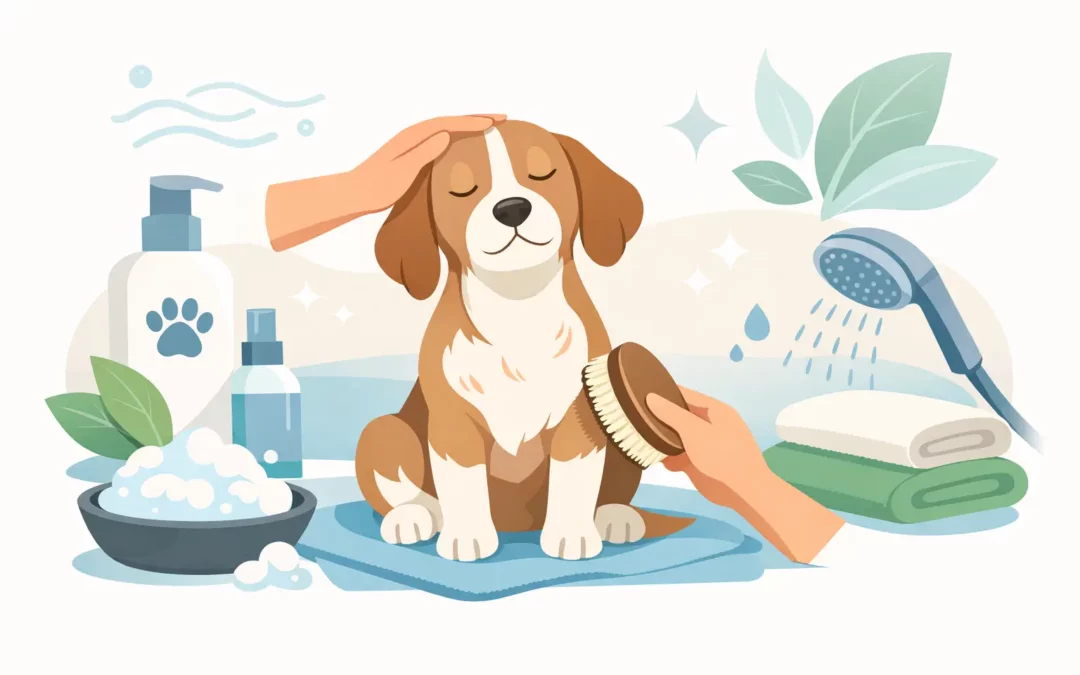
When a bath leaves your dog scratching more than usual, or a simple brushing session brings on redness, grooming can feel less like pampering and more like a puzzle. A thoughtful sensitive skin dog grooming routine gives your pet the clean, polished feeling they deserve without asking irritated skin to tolerate too much at once. The goal is not to groom less carefully. It is to groom more gently, with your dog’s comfort leading every decision.
Sensitive skin can show up in many ways: dry flakes along the back, pink skin on the belly, frequent paw licking, an odor that returns quickly, or a coat that feels dull despite regular baths. Florida’s heat, humidity, pollen, grass, and seasonal pests can all add to the challenge. With the right pace, products, and professional attention, grooming can become a calm, comforting part of your dog’s care.
Start With Your Dog’s Skin, Not the Schedule
A dog with healthy, comfortable skin may do well on a predictable grooming cycle. For a sensitive dog, the ideal timing depends on coat type, activity level, allergies, and how quickly dirt or oil builds up. A curly-coated dog can mat if baths and brushing are spaced too far apart, while an older dog with dry skin may need fewer full baths and more gentle maintenance between visits.
Watch what happens in the days after grooming. If your dog seems comfortable, their skin looks clear, and their coat stays manageable, the routine is likely serving them well. If scratching, redness, or flaking increases, something needs to change. It may be the shampoo, the drying method, the frequency of bathing, or an underlying issue that deserves veterinary guidance.
A comfort-first approach also means avoiding the temptation to keep trying new products. Switching shampoos every week can make it difficult to identify what is helping and what is irritating your pet. Once you find a pet-safe formula your dog tolerates well, consistency is usually kinder to their skin.
Build a Gentle Sensitive Skin Dog Grooming Routine
The best routine is calm, deliberate, and tailored to the individual dog. It does not need to involve a cabinet full of products. It needs a few good habits performed with patience.
Brush Before the Bath
Brushing before a bath removes loose hair, outside debris, and early tangles that could tighten once wet. For sensitive dogs, this step should never feel rushed. Use a brush that suits the coat, work in small sections, and support the hair near the skin as you gently work through a tangle.
Mats deserve special care. Pulling hard at a mat can be painful and may inflame already tender skin. In some cases, the kindest option is to have a groomer carefully remove it rather than trying to save every inch of coat at home. A shorter, comfortable coat is always more beautiful than a longer coat that causes discomfort.
Keep Bath Water Warm, Never Hot
Hot water can strip natural oils and leave sensitive skin feeling even drier. Aim for comfortably warm water, and take time to thoroughly wet the coat before applying shampoo. Thick, double-coated, or curly coats may need more water saturation than expected for cleanser to reach the skin evenly.
Choose a mild shampoo made specifically for dogs. Human shampoos, fragranced body washes, and household soaps are not designed for canine skin and can disrupt its natural balance. Even pet products labeled as natural are not automatically right for every dog, especially if they contain strong scents or essential oils.
Use only the amount of shampoo needed, then rinse longer than you think you need to. Leftover product is a common source of itchiness. Rinsing carefully around the chest, underarms, belly, paws, and behind the ears is especially worthwhile because residue often lingers in these areas.
Dry With Patience
Drying is part of grooming, not an afterthought. Leaving a dense coat damp can contribute to odor, tangles, and skin discomfort, but harsh heat or intense airflow can overwhelm a sensitive dog. Begin by gently pressing the coat with a soft towel instead of vigorously rubbing it. Rubbing can create tangles and aggravate tender areas.
For dogs who accept a dryer, use a comfortable setting and keep the airflow moving rather than concentrating it in one spot. Some pets need time to build confidence around the sound and sensation. A professional groomer can make this process feel much easier by introducing drying calmly and adjusting the method to your dog’s tolerance.
Give Paws, Ears, and Face Their Own Care
Sensitive skin is not limited to the body. Paws come into contact with hot pavement, lawn treatments, mud, and pollen. After walks, a quick wipe with a clean damp cloth can remove irritants before your dog starts licking. Check between the toes for redness, swelling, or debris, and keep paw fur neat enough that dirt does not collect easily.
Nail care matters, too. Long nails can change how a dog stands and walks, putting unnecessary pressure on their feet. Regular, gentle trims help keep movement comfortable. If your dog becomes anxious around nail trims, forcing the process can make future care harder. A patient salon visit can turn this essential service into a more manageable experience.
The face needs an especially light touch. Use a soft cloth to wipe away tear residue and food particles, avoiding any products that could sting the eyes. A tidy face trim can help keep hair out of the eyes and reduce the moisture that sometimes gathers around the mouth. For dogs with facial folds, gentle, consistent cleaning is often more helpful than occasional deep scrubbing.
Know When Grooming Is Not the Whole Answer
A sensitive skin dog grooming routine supports skin health, but it cannot diagnose allergies, infections, parasites, or other medical concerns. Contact your veterinarian if your dog has open sores, scabs, hair loss, a strong or unusual odor, recurring ear discomfort, swelling, or persistent scratching. These signs may need treatment beyond a gentler bath.
It is also useful to consider the bigger picture. Some dogs react to environmental allergens, while others may have dietary sensitivities or flea-related irritation. Your grooming professional can share what they notice on the skin and coat, but your veterinarian is the right partner for determining why a problem keeps returning.
Choose a Grooming Experience That Feels Safe
For a dog with delicate skin, the salon environment matters as much as the shampoo. High-volume, rushed handling can be stressful for any pet, particularly one who already associates touch with itchiness or discomfort. Look for a groomer who asks about your dog’s sensitivities, listens to your concerns, and is willing to adjust the appointment around your pet’s needs.
At Jolis Grooming, personalized care means paying attention to the small details that help a dog settle in: gentle handling, pet-safe products, thoughtful coat care, and a pace that puts comfort first. A bath, fluff and brush treatment, face trim, nail and paw care, and teeth cleaning can be tailored into a visit that leaves your companion feeling fresh without feeling overwhelmed.
Between appointments, keep grooming moments short and positive. Offer praise after a quick brush, touch paws gently when you are not trimming nails, and let your dog become familiar with a towel or brush before it is time for a full session. These little acts build trust over time.
Your dog does not need to endure grooming to look well cared for. With a gentle routine and the right support, clean fur, comfortable paws, and a bright, happy expression can all be part of the same peaceful experience.