
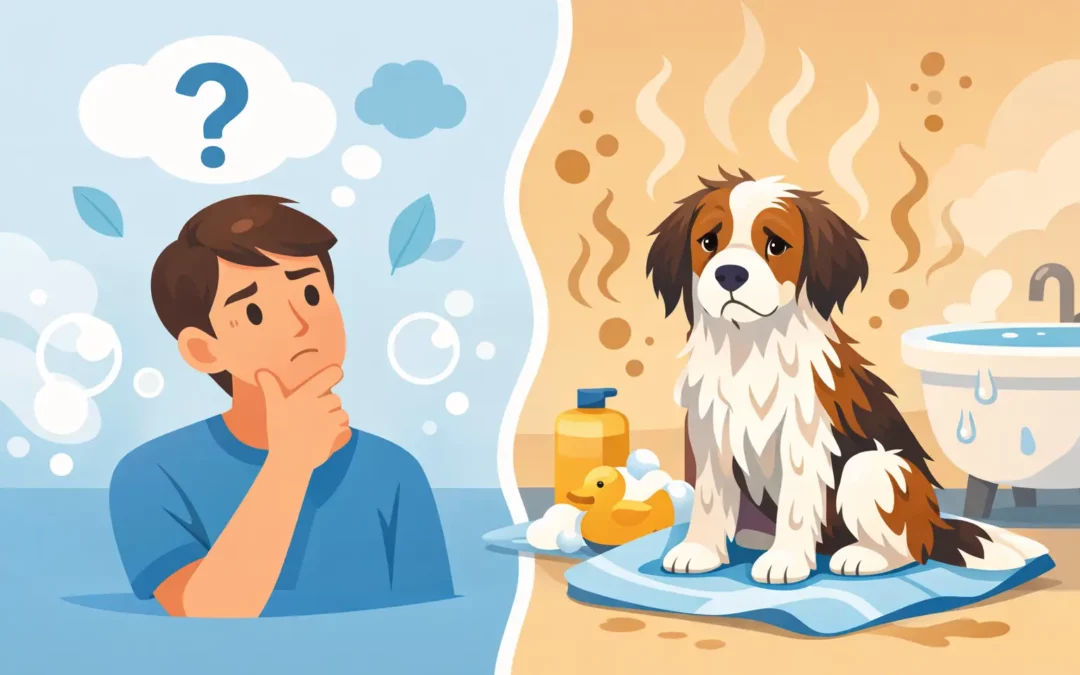
You finish the bath, fluff the towel, admire the clean coat – and then that smell shows up anyway. If you have ever asked, why does my dog smell after bath, you are not imagining it. A bath should leave your dog feeling refreshed, but when an odor lingers or gets stronger once the coat is wet, it usually means something deeper than simple dirt is going on.
That can be frustrating, especially when you are trying to do the very best for your pet. The good news is that a post-bath smell is common, and in many cases, it can be improved with the right grooming routine, the right products, and a little closer attention to your dog’s skin, coat, ears, and overall comfort.
Why does my dog smell after bath even when they look clean?
A fresh-looking coat does not always mean the source of odor is gone. Dogs can smell after a bath for several different reasons, and some are much more common than pet parents realize.
One of the biggest culprits is moisture trapped close to the skin. Thick coats, double coats, curly coats, and heavy undercoats can hold dampness long after the surface seems dry. That lingering moisture creates the perfect environment for odor to hang around. Sometimes the smell is mild and musty. Sometimes it is stronger and almost sour.
Another possibility is that the bath removed surface debris but did not fully clean oils, bacteria, or buildup from the coat. Dogs naturally produce oils that help protect their skin, but when those oils mix with dirt, saliva, and the everyday outdoors, the smell can become more noticeable once water brings everything to the surface.
There is also the chance that the smell is not really coming from the coat at all. Ears, teeth, skin folds, paws, and anal glands can all create odor that seems like it is coming from everywhere after a bath. When one area is not addressed, the dog may still smell less-than-fresh no matter how many shampoos you try.
Wet dog smell is real – and there is a reason for it
That classic wet dog smell has a very real explanation. Your dog’s coat carries microorganisms such as yeast and bacteria, along with natural oils. When the coat gets wet, those compounds become easier to smell. Water can release odor molecules into the air, which is why some dogs smell stronger after a bath than they did before.
This does not always mean something is wrong. In some cases, it simply means your dog needs a more complete drying process or a coat-specific grooming approach. But if the smell is unusually strong, persistent, or paired with itching, redness, flaky skin, or greasy fur, it may point to an underlying skin issue that deserves attention.
Skin conditions can make bath time less effective
If your dog smells bad shortly after every bath, the skin itself may be the real source. Yeast overgrowth is a common example. It often causes a strong, stale, or sweet musty smell and may come with itching, paw licking, or irritated skin. Bacterial skin infections can also create unpleasant odor, especially in warm, moist areas of the body.
Allergies can play a role too. Dogs with environmental or food sensitivities may have inflamed skin that produces more oil or becomes vulnerable to secondary infections. In that situation, bathing may help temporarily, but it will not fully solve the problem unless the root cause is managed.
This is where a gentle, personalized grooming routine matters. Harsh products can strip the coat and upset the skin barrier, while the wrong shampoo may leave residue behind. Comfort-first care is not just about making a dog feel pampered. It can make a real difference in how the skin and coat respond after bathing.
The ears, mouth, and paws may be the real issue
Sometimes pet parents focus on the body coat because that is what they just washed, but the strongest odors often come from smaller areas.
Ears are a common source of odor, especially in dogs with floppy ears, allergy-prone skin, or a history of ear infections. If your dog smells bad after a bath and the odor seems stronger around the head, the ears should be checked. A yeasty, sweet, or unpleasant smell from the ears is not something to ignore.
The mouth is another frequent culprit. Dental buildup, irritated gums, and trapped food can create breath that spreads more than people expect, especially when a freshly bathed dog comes close for cuddles. Teeth cleaning is not just a cosmetic extra. It supports comfort and can improve your dog’s overall freshness.
Then there are the paws. Dogs pick up moisture, debris, bacteria, and outdoor odors all day long. If the smell seems corn chip-like, yeasty, or sour, the paws may need more attention than a quick rinse. Between the toes and around the paw pads, moisture can linger in ways that are easy to miss at home.
Product choice matters more than many people think
Not every shampoo is the right fit for every dog. A product that smells lovely in the bottle may not be ideal for sensitive skin, heavy coats, or dogs with ongoing odor concerns. Some formulas mask odor for a short time but leave residue behind. Others are too strong and can dry out the skin, which may lead to even more oil production and more odor later.
There is also the issue of rinsing. If shampoo or conditioner is not fully rinsed out, leftover product can trap dirt and create an unpleasant smell once the coat dries. That is especially true in dense coats where it is harder to reach all the way down to the skin.
Professional grooming often helps because it combines quality pet-safe products with a more thorough bathing and drying process. It is not only about getting a dog clean. It is about choosing what suits that specific coat, skin type, and comfort level.
Drying is just as important as bathing
A bath is only half the job. If the coat stays damp, odor can settle in quickly. Air drying sounds gentle, but for many dogs, it leaves moisture trapped where you cannot easily see it. This is especially true for doodles, retrievers, shepherds, and other dogs with thick or textured coats.
A complete dry helps the coat feel soft, light, and truly fresh. It also gives groomers a chance to notice skin changes, mats, irritation, or areas where buildup tends to hide. That extra attention is one reason many pet parents notice their dog stays cleaner and smells better longer after a professional appointment.
When the smell means it is time for extra care
A little wet dog smell right after bathing can be normal. A strong odor that returns right away is different. If your dog smells bad after every bath, or if the smell is getting worse, it is worth paying attention.
Signs that your dog may need more than a basic wash include itching, redness, greasy fur, flaking, head shaking, paw chewing, hair thinning, or an odor coming from one specific area. These clues can point to skin irritation, ear issues, dental concerns, or glands that need attention.
In those moments, a caring groomer can be a helpful first line of support by noticing visible issues and recommending the next step. If a medical concern is suspected, your veterinarian should guide treatment. Grooming and veterinary care often work best together when odor is persistent.
How to help your dog stay fresher between baths
A better result usually comes from consistency, not more frequent washing. Overbathing can dry the skin, while too much time between appointments may allow oils and buildup to collect.
Brushing helps distribute natural oils and remove debris before it settles into the coat. Keeping ears clean, paws tidy, and teeth maintained also makes a noticeable difference. For many families, a regular bath and brush schedule is the sweet spot because it supports hygiene without overwhelming the skin.
If your dog tends to smell soon after bathing, a full-service grooming routine may be the missing piece. A careful bath, fluff and brush treatment, face trim, paw care, and attention to those easily missed areas can leave your dog not only looking polished, but feeling genuinely comfortable.
At Jolis Grooming, that kind of thoughtful care is part of the experience. When a dog is handled gently, bathed with pet-safe products, dried properly, and cared for as an individual, freshness lasts longer and the visit feels better for everyone involved.
If your freshly bathed dog still smells off, trust that instinct. Sometimes the answer is as simple as better drying or more thorough grooming, and sometimes it is your dog’s way of asking for a little extra care.