
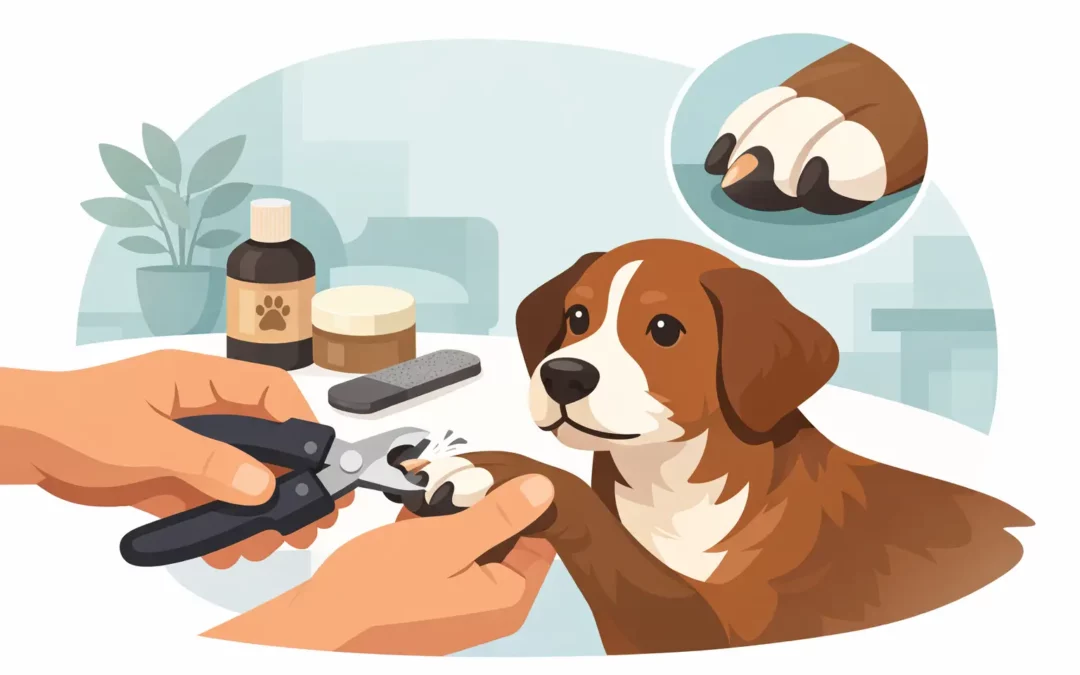
A happy dog can go from tail wags to total resistance the moment the nail clippers come out. If you have ever picked up your pup’s paw and felt your own nerves kick in, you are not alone. Learning how to trim dog nails safely is one of the most common concerns pet parents have, because it sits right at the intersection of grooming, comfort, and trust.
Nail care matters for more than neat paws. When nails get too long, they can change the way a dog walks, put extra pressure on the toes, and make everyday movement less comfortable. Over time, overgrown nails may snag on fabric, split, or contribute to sore paws. For dogs who love walks, playtime, and cozy routines at home, keeping nails at a healthy length helps them move with more ease and confidence.
Why safe nail trimming matters
There is a reason so many loving dog owners feel hesitant about trimming nails. The quick, which is the sensitive area inside the nail that contains blood vessels and nerves, can be difficult to see, especially on dark nails. Cutting too far can cause pain and bleeding, and even one uncomfortable experience can make future trims much harder.
That is why a calm approach matters just as much as the actual cut. Safe nail trimming is not about rushing through the task. It is about creating a gentle, low-stress experience that protects your dog physically while also preserving their trust. Some dogs tolerate nail care easily, while others need more time, reassurance, and repetition. It depends on their personality, past experiences, age, and overall sensitivity to handling.
How to trim dog nails safely without making it stressful
The best time to trim your dog’s nails is when your pet is already relaxed. After a walk, after a bath, or during a quiet evening at home often works better than trying to trim nails in the middle of a high-energy moment. Softer nails after a bath can also make clipping a little easier.
Start by gathering what you need before you bring your dog over. That usually means a quality pair of dog nail clippers or a grinder, a towel if needed for stability, treats for positive reinforcement, and styptic powder in case you accidentally cut too close. Having everything within reach helps you stay calm, and your dog will pick up on that energy.
Choose a comfortable spot with good lighting. If your dog is small, you may feel more in control with them in your lap or on a stable surface. For larger dogs, the floor is often the least stressful option. Some pets do better standing, while others feel safer lying on their side. There is no single perfect position. The goal is simply to keep your dog secure and comfortable without forcing them into a setup that makes them tense.
Get your dog comfortable with paw handling first
If your dog pulls away the moment you touch their feet, slow down before attempting a trim. Spend a few short sessions gently touching the legs, paws, and individual toes, then reward with praise or treats. Let your dog see and sniff the clippers without using them. For very sensitive dogs, this step alone may be the win for the day.
Building comfort in stages can make a dramatic difference. One day you may only hold the paw. On another, you may tap the clipper lightly against one nail and stop there. This may feel slower than you hoped, but it is often the fastest route to long-term success because it prevents panic and creates better associations.
Clip a little at a time
When you are ready to trim, hold the paw gently but securely. Look at the nail from the side and aim to remove only the small hook at the tip. On light-colored nails, you can often see the pink quick more clearly, which helps guide where to stop. On dark nails, clip very small amounts at a time and check the center of the cut end as you go. If it begins to look lighter or shows a small dark dot in the center, you are getting close to the quick.
This is one of the most important parts of how to trim dog nails safely. Small trims are better than ambitious ones. Taking off a little every couple of weeks is often less stressful and safer than waiting too long and trying to remove a large amount all at once.
Consider a grinder for smoother edges
Some pet parents prefer a nail grinder instead of clippers, especially for dogs with thick nails or sharp edges after clipping. A grinder can give you more gradual control, but the sound and vibration can bother some dogs. Others tolerate it beautifully. It depends on the dog.
If you use a grinder, introduce it slowly just as you would with clippers. Let your dog hear the sound from a distance first, then reward calm behavior. Keep sessions short, and avoid holding the grinder on one nail too long since friction can create heat and discomfort.
What if you cut the quick?
Even very careful pet parents and experienced groomers can occasionally nick the quick. If it happens, try not to panic. Your dog will respond to your tone and body language, so staying composed helps.
Apply styptic powder to the nail with gentle pressure. In many cases, the bleeding stops quickly. Offer comfort, praise, and a break. If your dog is upset, it is perfectly fine to stop and try again another day. One difficult moment does not mean you have failed. It simply means your dog may need a gentler reset before the next session.
Signs it may be better to leave nail trimming to a professional
Home nail trims are possible for many dogs, but they are not the best fit for every household or every pet. If your dog becomes extremely fearful, squirms constantly, has very dark or thick nails, or has had a bad past experience, professional help can be the kinder option. Senior dogs, dogs with mobility issues, and pets with medical conditions may also be more comfortable with an experienced groomer who knows how to support them safely.
Professional nail care is not just about convenience. It can be a comfort-focused service that protects your dog from unnecessary stress. In a gentle grooming setting, nail trims are handled with practiced technique, calm restraint, and attention to each pet’s emotional needs. For many families, that peace of mind is worth it.
How often should you trim your dog’s nails?
There is no fixed schedule that works for every dog. Activity level, breed, age, walking surfaces, and natural nail growth all play a part. Dogs who walk regularly on pavement may wear their nails down more than dogs who spend most of their time on grass or indoors.
A simple rule of thumb is to listen as your dog walks across a hard floor. If you hear frequent clicking, the nails may be too long. Ideally, nails should not press excessively against the floor when your dog is standing naturally. If you are unsure, even a quick professional assessment can help you understand what healthy length looks like for your individual pet.
Making nail care part of a pampering routine
Nail trimming tends to go better when it feels familiar instead of dramatic. Pairing paw handling with treats, affection, and calm attention helps turn grooming into part of your dog’s regular wellness routine. For some pups, a trim after a bath or brush-out feels more natural because they are already in a care mindset.
You can also think beyond the nails themselves. Healthy paw pads, clean feet, and a tidy coat around the paws all contribute to your dog’s comfort. When grooming is approached as thoughtful care rather than a rushed chore, pets often settle more easily, and owners feel more confident too.
For local families who would rather place nail care in experienced hands, a comfort-first salon visit can make the process feel much more relaxed. At Jolis Grooming, gentle handling and individualized attention are at the heart of every service, helping pets feel cared for, not rushed.
When patience matters more than perfection
Some days, you may trim all the nails. Some days, you may only manage one paw. That is still progress. The safest, kindest approach is the one that respects your dog’s comfort level while keeping their paws healthy over time.
If you remember one thing, let it be this: your dog does not need a perfect at-home pedicure. They need steady care, calm reassurance, and a routine that keeps them comfortable with every step.