
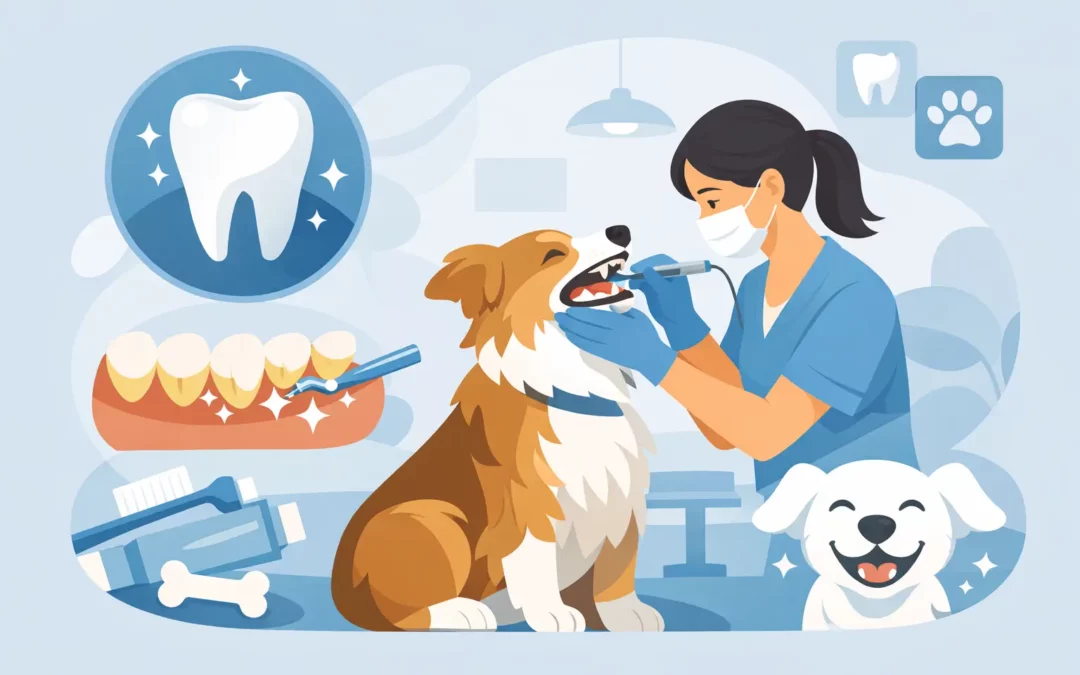
A dog with a sweet face and a not-so-sweet breath usually tells you something is overdue. If you have been wondering when does a dog need teeth cleaning, the answer often shows up earlier than most pet parents expect. By the time plaque is easy to see or your dog pulls away when you touch their mouth, dental buildup may already be affecting comfort, breath, and overall wellness.
For many families, dental care gets pushed behind baths, coat care, and nail trims because the warning signs can seem small at first. A little bad breath, a bit of yellow on the teeth, some hesitation around crunchy treats – it is easy to assume those things are normal. They are common, but they are not something to ignore. Clean teeth play a big part in keeping your dog happy, relaxed, and feeling like themselves.
When does a dog need teeth cleaning most often?
The short answer is this: a dog needs teeth cleaning when plaque and tartar begin building up, when the breath turns persistently foul, or when the gums start looking irritated instead of healthy pink. Some dogs also need attention sooner simply because of breed, age, diet, or mouth shape.
There is no one-size-fits-all timeline. A young large-breed dog with naturally good spacing between the teeth may stay fresher longer than a small dog with a crowded mouth. Many toy breeds and small dogs are especially prone to buildup because food and bacteria can collect more easily in tight spaces. Senior dogs may also need closer monitoring, even if they never had obvious dental problems in the past.
In practical terms, many dogs benefit from regular dental attention before there is a major problem. Waiting until a dog seems painful usually means the buildup has had time to settle below the gumline, where irritation can become more serious. The goal is not just to make the teeth look cleaner. It is to help your dog stay comfortable, eat easily, and avoid the stress that can come with neglected oral care.
Signs your dog may be due for teeth cleaning
Some signs are easy to spot, and some are subtle. The most familiar one is bad breath, but not every pet parent realizes how different normal dog breath is from dental odor. If your dog’s breath smells unusually sour, fishy, rotten, or simply much stronger than usual, that is worth paying attention to.
Visible yellow or brown tartar along the gumline is another common sign. Healthy teeth should not look heavily coated. If the gums appear red, puffy, or tender, that can also point to irritation caused by buildup. A dog who once loved chew toys may start avoiding them, chewing only on one side, or dropping food from their mouth.
Behavior can change too. Some dogs become quieter, less playful, or a little guarded around the face when their mouth is bothering them. Others paw at their muzzle or resist having their lips lifted. Because dogs are good at masking discomfort, even mild changes deserve a closer look.
Signs that should not wait
If you notice bleeding gums, a broken tooth, swelling near the mouth, heavy drooling, or clear signs of pain while eating, it is time to act quickly. Those issues go beyond simple cosmetic buildup and may need veterinary attention. Gentle grooming support is wonderful for maintenance, but pain, injury, and advanced dental disease should always be evaluated appropriately.
Why timing matters more than most people think
Dental buildup tends to move in one direction – it gets worse, not better, without care. Plaque starts soft, then hardens into tartar. Once tartar forms, it clings more stubbornly to the tooth surface and creates a rough area where even more bacteria can collect. That is why a small amount of neglected buildup can gradually become a bigger comfort issue.
There is also the quality-of-life side of it. Dogs may keep eating and acting cheerful long after their mouth has become uncomfortable. Pet parents often feel surprised when a dog seems brighter and more relaxed after dental care, simply because the discomfort had become part of everyday life. A cleaner mouth can mean fresher breath, easier chewing, and more comfort during play, grooming, and cuddle time.
For families who love that polished, well-cared-for look, clean teeth also complete the picture. A soft coat, neat face trim, and healthy smile all work together. Oral care is not separate from grooming wellness. It is part of the same loving routine.
What affects when does a dog need teeth cleaning?
Several factors can change the timeline. Size is one of the biggest. Small breeds often need more frequent dental attention than larger dogs. Age matters too, since older dogs may have years of buildup or more sensitive gums.
Diet and daily habits also make a difference. Dogs who eat softer foods, dislike chew items, or do not tolerate home brushing can accumulate plaque more quickly. Some pets are naturally more cooperative with oral care, while others find mouth handling stressful. That does not mean they should go without help. It simply means they may do better with a calm, gentle, comfort-first approach.
Genetics can play a role as well. Some dogs seem to collect tartar quickly no matter how loved and well cared for they are. That is not a reflection on the owner. It just means they need a more personalized plan.
Puppies and young dogs
Even young dogs benefit from having their mouth checked regularly. Puppies may not need cleaning for tartar right away, but early attention helps them get comfortable with gentle mouth handling. That sets the stage for easier care as they grow. Starting before there is a problem is often the kindest path.
Adult and senior dogs
Adult dogs usually show the clearest signs of maintenance needs, especially between routine grooming appointments. Senior dogs deserve extra attentiveness because oral discomfort can quietly affect appetite, mood, and energy. A dog who seems to be slowing down may sometimes be dealing with a mouth that does not feel good.
Professional care vs. waiting it out
A lot of pet parents hope a dental chew or crunchy treat will solve the problem once tartar is visible. Those products can be helpful as part of maintenance, but they usually do not erase established buildup. Think of them as support, not a reset button.
That is where professional care becomes valuable. A gentle teeth cleaning service can help freshen the mouth, reduce surface buildup, and support a more polished, comfortable routine for dogs who need regular maintenance. For pet parents, it also brings peace of mind. You are not guessing whether the buildup is getting worse or hoping the breath will improve on its own.
Of course, there is a trade-off. Some dogs need basic maintenance and freshening, while others may need veterinary dental treatment if there is pain, advanced tartar, loose teeth, or gum disease. Knowing the difference matters. The most caring choice is always the one that fits your dog’s current condition, rather than forcing a one-size-fits-all solution.
How often should you check your dog’s teeth?
A quick look every week is a good habit, especially if your dog is small, older, or prone to bad breath. You do not need to turn it into a stressful inspection. Lift the lip gently, notice the gum color, look for visible buildup, and pay attention to odor. Those few moments can tell you a lot.
It also helps to think of dental care as part of your regular grooming rhythm instead of a separate issue. When your dog comes in for baths, coat maintenance, or a freshen-up, their mouth should not be an afterthought. It deserves the same attention as the coat, nails, and paws because it affects comfort just as much.
For many local pet parents, keeping up with dental maintenance is really about preventing the point where their dog starts feeling off. Fresh breath is lovely, but comfort is the real luxury.
When does a dog need teeth cleaning from a comfort-first salon?
If your dog has visible surface buildup, lingering bad breath, and a mouth that could benefit from gentle routine attention, a professional grooming setting can be a wonderful part of ongoing care. In a calm, nurturing environment, dogs often do best when services are handled with patience and individualized attention instead of rushed, high-volume treatment.
That is especially true for dogs who are sensitive, older, or simply more comfortable when they know they are being handled kindly. At Jolis Grooming, that comfort-first philosophy is part of every service. Dental care should feel supportive and reassuring, not stressful.
If you are asking the question at all, your dog is probably giving you a reason to look a little closer. Trust that instinct. A cleaner mouth can mean more than fresher kisses – it can help your dog feel lighter, more comfortable, and more at ease in the little moments that make them feel at home with you.