
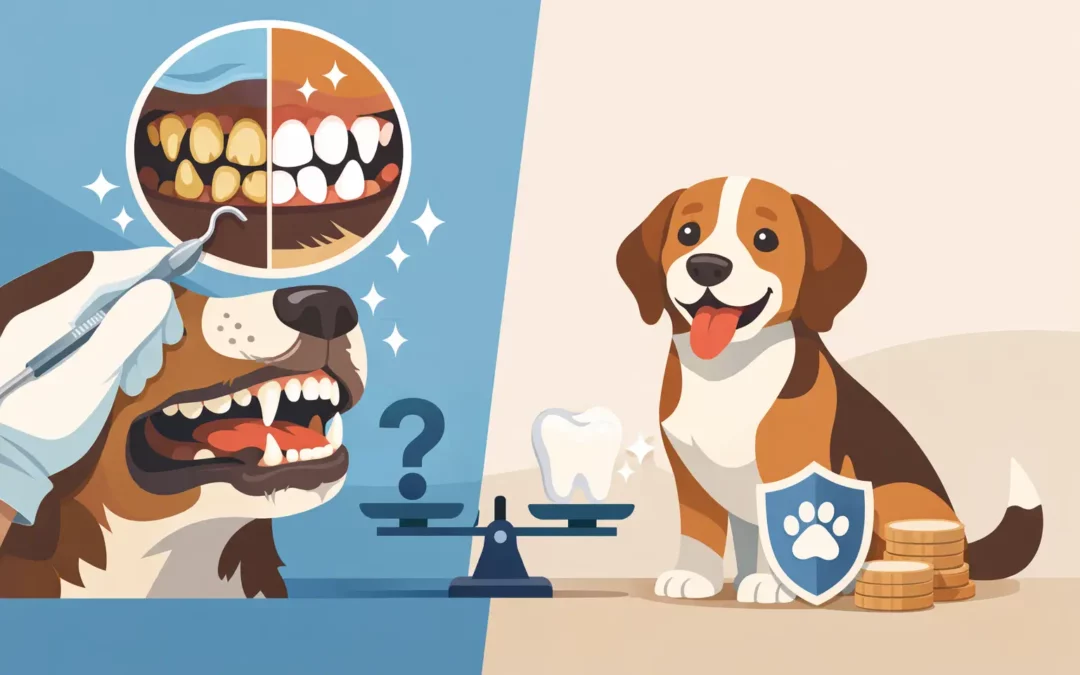
That little doggy breath that makes you laugh at first can turn into something harder to ignore. If you have been wondering, is professional dog teeth cleaning worth it, the short answer is often yes – especially when it helps your dog stay more comfortable, fresher, and healthier between vet visits and grooming appointments.
For many pet parents, dental care gets pushed down the list until there is a strong odor, yellow buildup, or signs that their dog is uncomfortable chewing. The challenge is that oral hygiene issues do not stay cosmetic for long. What starts as plaque on the surface can lead to irritated gums, worsening breath, and a mouth that simply does not feel good. That is why professional teeth cleaning can be a valuable part of regular care, not just an extra treat.
Is professional dog teeth cleaning worth it for most dogs?
For a lot of dogs, yes. Professional dog teeth cleaning is worth it when it helps reduce surface buildup, freshens breath, and supports better mouth hygiene before plaque becomes a bigger issue. It can be especially worthwhile for dogs that resist brushing at home, have smaller mouths where buildup tends to collect faster, or are simply due for more consistent upkeep.
The real value is not only how your dog looks after a cleaning. It is how your dog feels. A cleaner mouth can mean less irritation, less odor, and a more pleasant day-to-day experience for your pet. For owners, it also brings peace of mind. You are not guessing whether that bad breath is normal or hoping the buildup will somehow go away on its own.
That said, there is a difference between cosmetic maintenance and medical dental care. Grooming-based teeth cleaning can be a wonderful wellness service, but it does not replace veterinary treatment when a dog has advanced dental disease, loose teeth, bleeding gums, or pain. Knowing that difference matters.
What professional dog teeth cleaning actually helps with
A quality cleaning service is helpful because it targets the early, visible signs of poor oral hygiene. Surface plaque and fresh tartar buildup can make the teeth look dull and contribute to unpleasant breath. When that material is removed and the mouth is cared for regularly, many dogs look more polished and seem noticeably more comfortable.
There is also the consistency factor. Pet parents often have every intention of brushing at home, but life gets busy. Some dogs squirm, clamp their mouths shut, or turn tooth brushing into a dramatic event. Professional care helps fill that gap. It gives your dog a level of routine attention that can be hard to maintain on your own.
Another benefit is that oral care tends to work best as part of a broader grooming rhythm. When your dog is already coming in for a bath, face trim, fluff and brush, or paw treatment, adding teeth cleaning can support an overall feeling of freshness and comfort. It is one more way to care for the whole pet, not just one isolated issue.
When the cost feels worth it
Most pet owners are not asking whether oral hygiene matters. They are asking whether the service is worth paying for. That is a fair question.
Professional dog teeth cleaning often feels worth it when it helps you stay ahead of stronger odors, visible buildup, and neglect that could become more stressful later. Preventive care is usually easier, gentler, and more pleasant than waiting until your dog is showing obvious discomfort. If your dog tolerates regular grooming well, adding teeth cleaning can be a simple way to support ongoing wellness without making care feel overwhelming.
It also comes down to your dog’s habits and risk factors. Smaller breeds, older dogs, and dogs that are not getting regular brushing at home may benefit more from scheduled cleanings. A young dog with naturally clean teeth and a strong home-care routine may not need the same frequency. So the value is real, but it is not one-size-fits-all.
Signs your dog may benefit from professional teeth cleaning
Sometimes the need is obvious. More often, it sneaks up gradually. If your dog’s breath has shifted from mildly unpleasant to consistently strong, that is a clue. If you see yellow or brown buildup near the gumline, if the teeth no longer look clean, or if your dog seems reluctant with chew toys, it may be time to pay closer attention.
You may also notice small behavior changes. Some dogs become pickier about harder treats. Others paw at their mouth, drool more than usual, or simply seem less enthusiastic at mealtime. These signs do not always mean a grooming teeth cleaning is the answer, but they do mean the mouth should not be ignored.
A good rule is this: if the issue looks mild and surface-level, a professional grooming service may be helpful. If the mouth looks painful, inflamed, bleeding, or severely coated in tartar, veterinary care should come first.
Grooming teeth cleaning versus veterinary dental cleaning
This is where a little clarity helps. Grooming-based teeth cleaning is typically intended to improve visible cleanliness and support routine oral hygiene. It is best suited for maintenance and early buildup. It can leave the mouth looking fresher and help you keep up with your dog’s care in a gentle, approachable way.
Veterinary dental cleaning is different. That is the route for diagnosing and treating disease below the gumline, managing infection, taking dental X-rays, and addressing damaged or painful teeth. If a dog has serious tartar, gum disease, or oral pain, cosmetic cleaning alone is not enough.
Neither service cancels out the other. In many cases, they complement each other well. Regular grooming care can help maintain your dog’s appearance and freshness between medical evaluations, while veterinary dentistry addresses deeper health needs that require clinical treatment.
Why comfort matters during dog teeth cleaning
A dog can have the best service on paper and still have a poor experience if the handling feels rushed or stressful. That is one reason pet parents often prefer a comfort-first grooming environment. Gentle handling, patience, and a calm setting matter just as much as the cleaning itself.
Dogs remember how care feels. When oral care is introduced with kindness and confidence, many pets become more accepting over time. That makes regular maintenance easier on everyone. It also supports the larger goal of grooming as a positive ritual, not something your dog learns to dread.
For families who want polished care without sacrificing their pet’s emotional comfort, this part is not a small detail. It is the whole experience.
How to know if professional dog teeth cleaning is worth it for your dog
The best question is not simply, is professional dog teeth cleaning worth it. It is whether it is worth it for your dog, your routine, and your goals as a pet parent.
If you want better breath, cleaner-looking teeth, and help staying consistent with oral care, it often is. If your dog struggles with home brushing, if buildup appears quickly, or if you want wellness-focused grooming that goes beyond coat care, it can be an easy yes. If your dog is showing signs of pain or advanced dental problems, the value may lie in seeing your veterinarian first and using grooming care later as part of maintenance.
For many loving pet owners, the service feels worthwhile because it supports both comfort and confidence. Your dog gets the benefit of a cleaner mouth, and you get the reassurance of knowing you are not overlooking an important part of everyday care.
At Jolis Grooming, that kind of thoughtful care is part of the experience. When pets are treated gently, cared for personally, and given services that support both comfort and cleanliness, routine grooming becomes something more meaningful than upkeep.
A clean smile may seem like a small thing, but for a dog who depends on you for every part of their well-being, small comforts can make a very big difference.