
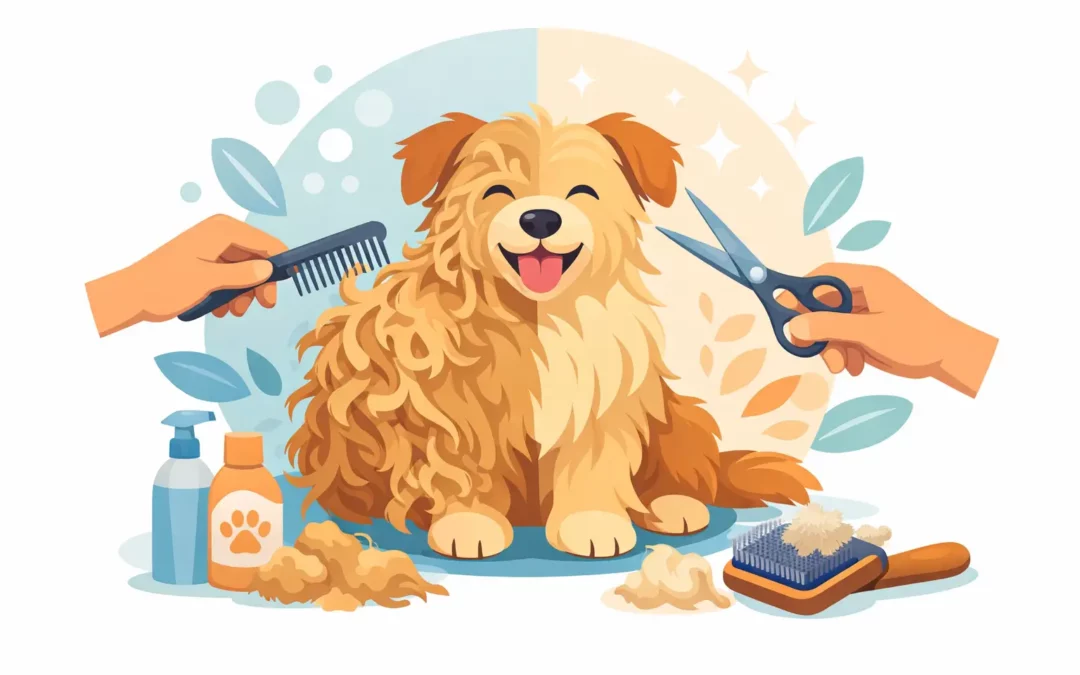
A matted coat can go from a small nuisance to a painful problem faster than many pet parents expect. Dog grooming for matted coats is not just about making a dog look tidy again. It is about protecting skin, easing discomfort, and giving your pet the kind of gentle attention that helps them feel safe throughout the process.
When mats tighten, they pull at the skin with every step, stretch, and scratch. They can trap moisture, dirt, and debris close to the body, which creates the perfect setting for irritation. In more serious cases, matting can hide hot spots, redness, sores, and even pests. That is why coat care is never only cosmetic. It is part of your dog’s overall wellness.
Why matted coats need prompt attention
A few tangles behind the ears are one thing. A heavily matted coat is something else entirely. Dense mats often form in areas with frequent friction, including under the collar, behind the legs, around the tail, under the ears, and along the chest or belly. Dogs with curly, fine, silky, or long coats are especially prone to it, but any dog can develop matting if the coat is not maintained consistently.
The challenge is that mats rarely stay small. Once loose hair gets caught and twists together, it keeps collecting more coat around it. Bathing a matted dog at home without proper prep can make the issue worse because water tightens mats. Brushing too aggressively can also hurt, especially if the mat is close to the skin. What starts as a simple grooming task can quickly become stressful for both dog and owner.
For many families, the hardest part is realizing that a beloved pet may be uncomfortable long before they show obvious signs. Dogs often adapt quietly. They may still wag their tails, ask for dinner, and greet you at the door. Meanwhile, their coat may be pulling every time they move. That is why timely grooming matters.
Dog grooming for matted coats is different from routine brushing
Routine maintenance grooming is about keeping the coat soft, clean, and manageable. Dog grooming for matted coats requires a more careful approach. The goal is not to force a perfect style at any cost. The goal is to remove problem areas as safely and comfortably as possible while respecting the dog’s skin, temperament, and coat condition.
That often means the best grooming plan depends on the severity of the matting. In mild cases, a groomer may be able to work through smaller tangles with brushing, detangling techniques, and patience. In moderate to severe cases, shaving underneath the mats may be the kindest option. Pet parents are sometimes disappointed to hear that a fluffy trim is not realistic that day, but comfort has to come first.
There is a real trade-off here. Saving coat length may sound ideal, yet trying to preserve too much hair can prolong discomfort and increase stress. A shorter reset can give the skin room to breathe and let the coat grow back healthier. It is not a failure. It is often the most compassionate path forward.
When brushing is enough and when it is not
If you can gently separate the hair with your fingers and move a comb through without pulling, the issue may still be manageable at home. If the coat feels like a dense pad against the skin, if your dog flinches when touched, or if you cannot see where the mat begins and ends, it is usually time for professional care.
The same is true if the matting is close to sensitive areas such as the ears, sanitary area, armpits, or paws. These spots are harder to work on safely, and an anxious dog can shift suddenly. Even a well-meaning at-home attempt can lead to accidental nicks when scissors are involved. For that reason alone, scissors are rarely the right answer for tight mats.
What a gentle salon approach looks like
A comfort-focused grooming experience can make all the difference for a dog with matting. Before any brushing or clipping begins, the coat should be assessed carefully. A skilled groomer looks at how tight the mats are, where they sit, whether there may be skin irritation underneath, and how the dog is handling the appointment emotionally.
That emotional piece matters. Dogs with matted coats often arrive already sensitive to touch. They may be embarrassed, uneasy, or simply overwhelmed by discomfort. Gentle handling, calm communication, and a patient pace are not extras. They are essential.
At Jolis Grooming, that kind of personalized care is part of what makes the experience feel reassuring for both pets and their people. A dog who feels safe is easier to groom thoughtfully, and that creates a better result from start to finish.
Why a fresh bath usually comes after mat removal
Many owners assume a bath should happen first, but with matting, the order matters. Thick mats can hold water and product against the skin, making them even tighter and harder to remove. In many cases, the coat needs to be clipped or detangled first, then bathed and gently dried once the skin is free.
After mat removal, a bath can do what it is supposed to do – cleanse the coat, soothe the skin, and leave your dog feeling refreshed rather than weighed down. Follow-up services like fluff and brush treatments, nail and paw care, and careful face trims can help complete the reset and leave your pet looking polished again.
How matted coats happen even in loving homes
Matting is common, and it does not always mean a pet owner has been careless. Busy schedules, weather, swimming, humidity, seasonal shedding, puppy coat changes, senior mobility issues, and even the wrong brushing tools can all contribute. Some dogs also dislike brushing, which turns routine maintenance into a struggle.
In Florida, heat and humidity can make coat maintenance even trickier. A damp coat after a walk in the rain, a day at the park, or time near the water can quickly tangle if it is not dried and brushed properly. Dogs who wear harnesses often mat where straps rub. Active dogs can mat around the legs and chest simply from everyday movement.
The key is not perfection. It is consistency. Small, regular grooming habits are easier on your dog than occasional marathon sessions once the coat has already become difficult.
Preventing future matting after a reset
Once the coat is clean, comfortable, and free of tight tangles, keeping it that way becomes much more manageable. A maintenance plan should fit your dog’s coat type and your lifestyle. A longer style may require more frequent brushing and more regular salon visits. A shorter trim can be a smart option for families who want easier upkeep without sacrificing comfort or charm.
Home care helps most when it is simple enough to stick with. For many dogs, a few minutes of brushing several times a week is better than one long session they dread. Focus on friction areas first. Lift the coat gently rather than brushing only the top layer. If your brush glides over the surface but a comb cannot pass through near the skin, hidden tangles may already be forming.
Professional appointments also matter. Regular baths, brush-outs, trims, and coat checks can catch problem spots before they become painful. It is much easier to maintain a healthy coat than to restore one that has become tightly matted.
Signs your dog may be due sooner than you think
You may want to schedule grooming sooner if your dog starts scratching more, resists being touched in certain spots, smells musty after getting wet, or develops clumps around the ears, collar, legs, or tail. Changes in behavior can be a clue too. Some dogs become quieter or more irritable when their coat is uncomfortable.
If your dog has had matting once, that does not mean it will always be a struggle. It often just means the grooming schedule needs to be adjusted. A little more frequency can spare your pet a lot of discomfort.
Choosing the right help for dog grooming for matted coats
When a coat is matted, the salon experience should feel calm, not rushed. This is not the moment for a one-size-fits-all appointment. Dogs dealing with tangles and tight mats need thoughtful assessment, pet-safe products, and handling that puts comfort before speed.
It also helps to work with a groomer who is honest about what is realistic. Sometimes that means preserving more coat. Sometimes it means starting fresh with a shorter trim to protect the skin and make future maintenance easier. A trustworthy groomer will explain the reason behind that choice with your dog’s well-being at the center.
Your dog does not need to live with the discomfort of a tight, tangled coat, and you do not need to guess your way through it alone. With gentle care, the right grooming approach, and a plan that fits your pet’s needs, even a heavily matted coat can become the starting point for a much more comfortable routine. A fresh coat, easier movement, and a happier dog are often closer than they seem.