
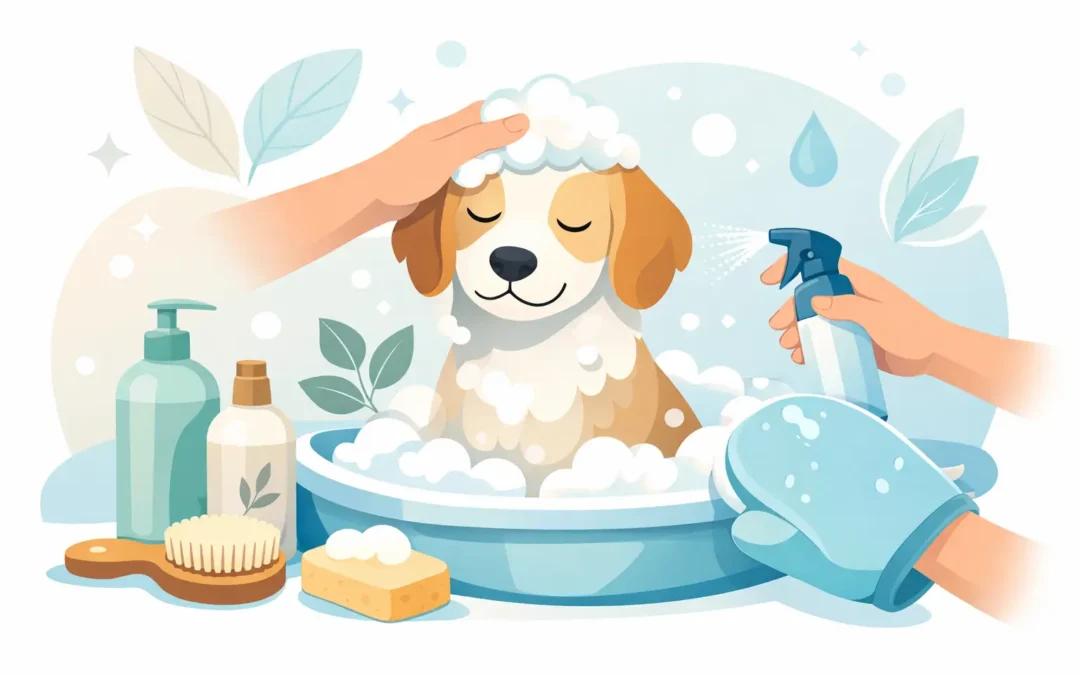
A bath should leave your dog soft, fresh, and comfortable – not scratching at their collar on the ride home. For pets prone to dryness, redness, flakes, or irritation, dog grooming for sensitive skin is about much more than getting a clean coat. It is a gentler, more personalized kind of care that respects what your pet is telling us through their skin.
Sensitive skin can make a routine grooming appointment feel uncomfortable when products, water temperature, brushing pressure, or drying methods are not chosen with care. The good news is that a thoughtful grooming plan can help your dog look beautifully cared for while supporting their everyday comfort.
What Sensitive Skin Can Look Like
Every dog is different, and sensitive skin does not always look the same. Some pets develop dry flakes along the back or notice more itching after a bath. Others may have pink skin around the belly, paws, ears, or underarms. A dull coat, frequent licking, small bumps, or a strong odor can also signal that something is bothering the skin.
Sensitivity may be connected to seasonal allergies, environmental irritants, parasites, diet, a skin condition, or a reaction to a product. Matted fur can make matters worse by trapping moisture, dirt, and oil close to the body. Florida’s warmth and humidity can also be challenging for dogs who are already prone to itchy skin or hot spots.
Grooming can support healthy skin, but it is not a replacement for veterinary care. If your dog has open sores, sudden hair loss, swelling, bleeding, persistent odor, or intense itching, speak with your veterinarian before scheduling a bath. Once medical concerns are addressed, regular gentle grooming can become a comforting part of their care routine.
Dog Grooming for Sensitive Skin Starts Before the Bath
The best sensitive-skin appointments begin with a conversation. Share anything you have noticed at home: when the itching started, whether your dog has known allergies, which products have caused problems before, and where they dislike being touched. Even details that seem small can help shape a more comfortable visit.
A comfort-first groomer should take time to look over the coat and skin before choosing a shampoo or beginning a brush-out. This matters because a dog with mild dryness may benefit from a moisturizing approach, while a dog with inflamed patches may need grooming postponed until a veterinarian has evaluated them. Personalized care is not about using the same “gentle” routine for every dog. It is about noticing what that individual pet needs that day.
For a dog who feels nervous during grooming, slow introductions matter just as much as the products used. Calm handling, patient reassurance, and breaks when needed can lower stress. Less stress means less struggling, less pulling on tender skin, and a more positive experience for your pet.
The Products and Techniques That Make a Difference
A sensitive dog does not necessarily need the most heavily scented shampoo or the strongest cleansing formula. In fact, fragrance, harsh detergents, and unnecessary additives can leave some dogs feeling dry or irritated. A pet-safe, gentle shampoo selected for your dog’s coat and skin needs is usually the better choice.
Water temperature deserves attention, too. Water that is too hot can strip natural oils and aggravate dry skin, while water that is too cold can make an already anxious dog tense up. A comfortably lukewarm rinse, followed by thorough rinsing, helps prevent shampoo residue from staying behind in the coat.
The brushing process should be intentional rather than rushed. Regular brushing removes loose fur, helps distribute natural oils, and allows air to reach the skin. But aggressive brushing over tangles can pull painfully at sensitive areas. When mats are present, there is a real trade-off: trying to save every inch of coat can prolong discomfort, while a shorter trim may be kinder and easier to maintain. The right choice depends on the severity of the matting and how your dog is feeling.
Drying also needs a gentle touch. High-velocity dryers can be useful for many coats, but they may be overwhelming or uncomfortable for some sensitive pets. Adjusting the airflow, keeping the dryer moving, and giving a dog a quiet moment between steps can make a noticeable difference. Their comfort should never be treated as an extra.
Keep Paws, Nails, and Faces in the Care Plan
Skin sensitivity is not limited to the body. Paws pick up grass, pollen, sidewalk debris, and moisture throughout the day. Keeping paw pads clean and neatly trimmed can help reduce what gets trapped between the toes, especially for dogs who lick their feet after walks. Regular nail care also helps your pet stand and walk more naturally, which protects overall comfort.
The face deserves equally gentle attention. Tear staining, food residue, and moisture around the mouth can irritate delicate facial skin if left to build up. A careful face trim and cleaning routine can keep your dog looking polished without making them feel overwhelmed. For dogs with sensitive ears or skin folds, gentle cleaning and close observation are especially valuable.
These finishing touches are part of wellness, not simply appearance. A clean face, comfortable paws, and neatly maintained nails help a dog move through daily life with less irritation and more ease.
Between-Appointments Care at Home
The care your dog receives at the salon works best alongside a simple routine at home. Avoid bathing too often unless your veterinarian recommends it, since overbathing can dry the skin and wash away protective oils. The ideal schedule depends on your dog’s breed, coat type, activity level, allergies, and medical needs.
After walks, a quick wipe of the paws and underside can remove pollen, dust, and outdoor residue before your dog settles in. Brushing gently a few times a week can prevent tangles from becoming tight mats, particularly behind the ears, under the collar, around the legs, and near the tail. Use a tool that suits your dog’s coat, and stop if they seem uncomfortable.
Pay attention to changes between appointments. A pet who suddenly resists brushing, licks one spot repeatedly, or develops a new odor may be trying to communicate discomfort. Early attention is often much kinder than waiting until a small issue becomes a painful one.
A More Comfortable Grooming Experience
For sensitive dogs, a beautiful groom is one that feels as good as it looks. That means a clean coat without stripped skin, a tidy trim without unnecessary stress, and a groomer who recognizes that comfort is part of quality care.
At Jolis Grooming, each appointment is an opportunity to pamper your pet with the individualized attention they deserve. Let your groomer know about your dog’s sensitivities before the visit, and keep the conversation open as their needs change. With patient handling, pet-safe choices, and a routine built around your dog’s comfort, grooming can become a reassuring ritual your best friend can feel good about.