
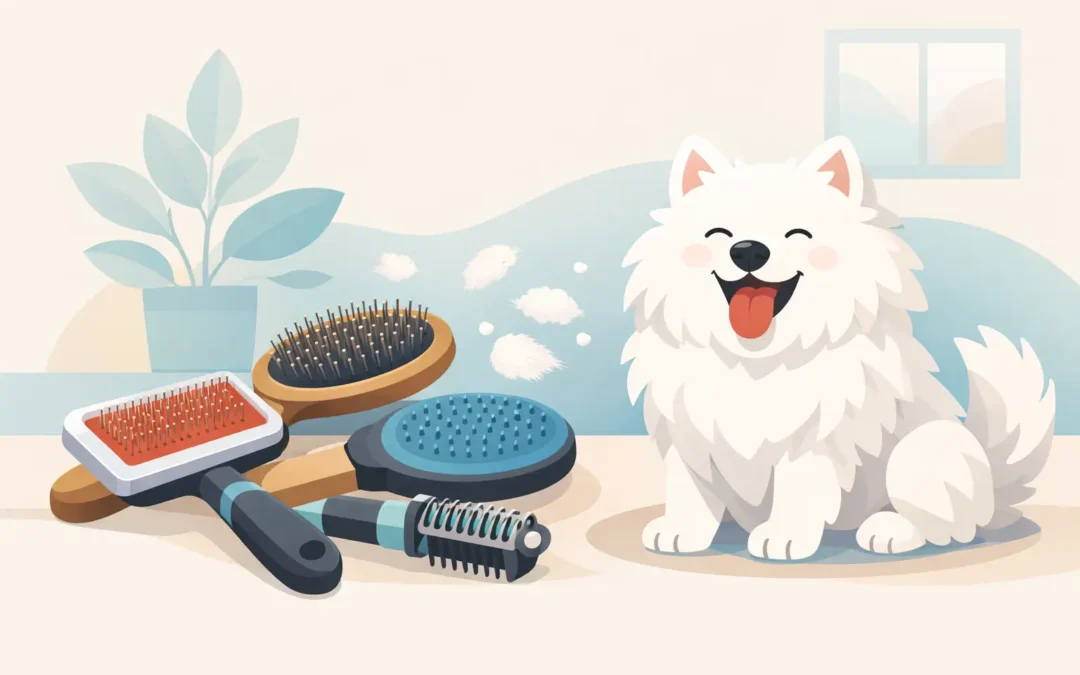
A fluffy coat can look wonderfully soft from across the room, but the hidden layers tell the real story. Beneath that beautiful volume, loose undercoat, tiny knots, moisture, and debris can gather close to the skin. The best brushes for fluffy dog coats do more than make your pet look picture-perfect. They help keep brushing comfortable, protect the coat from painful matting, and turn a necessary routine into a little extra bonding time.
For pet parents in Longwood and throughout Central Florida, regular brushing is especially helpful when warm, humid weather meets an active pup who loves the yard, the park, or a sunny afternoon walk. The right tool depends on your dog’s coat type, tolerance for grooming, and how much shedding is happening right now. A brush that feels wonderful for one fluffy companion may be too harsh or ineffective for another.
What Fluffy Coats Need From a Brush
Dogs with plush, double, curly, or long coats need brushing that reaches beyond the surface. A soft top layer can hide compacted undercoat and early mats near the ears, collar area, tail, armpits, and hind legs. If those tangles are ignored, they can tighten against the skin and make even gentle touching uncomfortable.
The goal is not to pull out every loose hair in one sitting. It is to work carefully through the coat, section by section, while protecting your dog’s comfort. A thoughtful brushing routine supports cleaner skin, better airflow through the coat, and a polished finish that lets your pet feel as good as they look.
Start With a Comfortable Routine
A calm dog is much easier to brush than a worried one. Choose a quiet place, keep sessions short at first, and offer praise along the way. Many dogs do best with five or ten minutes of brushing a few times a week rather than one long session that tests everyone’s patience.
Always brush with a light hand. If the brush catches, stop rather than pulling through it. Hold the hair above the knot, close to the skin, to reduce tugging, then work gently at the ends of the tangle before moving upward. If a mat is tight, close to the skin, or causing discomfort, it is time for professional help instead of a home detangling battle.
Best Brushes for Fluffy Dog Coats by Coat Type
There is no single brush that suits every fluffy dog. Most well-kept coats benefit from a small combination of tools used for different jobs.
Slicker Brush for Everyday Fluff and Light Tangles
A quality slicker brush is often the most useful starting point for fluffy dogs. Its fine, angled pins lift loose hair and help separate the outer coat, making it especially helpful for Pomeranians, doodles, Bichons, Shih Tzus, and many mixed-breed dogs with soft, full coats.
Look for a slicker with flexible pins and a cushioned pad. The pins should glide through the hair without scratching the skin. Small slickers offer better control around the face, ears, paws, and sanitary areas, while a larger brush can make body brushing faster for bigger dogs.
Slicker brushes are excellent for regular maintenance, but they are not a reason to brush harder. A few gentle passes over a small section are more effective and more comfortable than repeatedly dragging the brush across the same spot.
Pin Brush for Long, Silky, or Easily Snagged Coats
A pin brush has rounded metal pins set farther apart than a slicker brush. It is a lovely choice for long, flowing coats that need smoothing and light daily upkeep, including many Cavalier King Charles Spaniels, Havanese, Maltese, and long-coated mixes.
Because the pins are gentler and less dense, a pin brush may not remove a thick undercoat as thoroughly as a slicker or rake. Still, it is often a comfortable tool for dogs who are sensitive to brushing or who need a finishing pass after a more thorough groom. Think of it as a way to maintain softness, shine, and movement without overworking the coat.
Undercoat Rake for Dense Double Coats
Fluffy double-coated breeds such as Samoyeds, Keeshonds, Chow Chows, American Eskimo Dogs, and some Pomeranians need a tool that can reach into the dense layer beneath the visible coat. An undercoat rake, used gently and correctly, helps lift out loose seasonal undercoat before it compacts.
Choose a rake with rounded teeth and spacing appropriate for your dog’s coat density. Use slow, short strokes in the direction of hair growth, checking often to make sure the tool is not catching. This is not a daily brush for every dog. During shedding season, it can be very helpful once or twice a week. Outside of that period, use it only as needed.
Avoid aggressive de-shedding tools or heavy pressure, especially on a dog with thin skin, sparse areas, irritation, or a coat that is already tangled. Removing too much coat can leave a pet looking uneven and may irritate the skin underneath.
Wide-Tooth Comb for Checking Your Work
A wide-tooth metal comb is not always the first tool pet parents think to buy, but it is one of the most valuable. After brushing, run the comb gently through the coat to check whether it can reach the skin without snagging. This simple step helps reveal knots that a brush may have skimmed over.
Use the wider end for the body and the narrower end for smaller areas. The comb is particularly useful behind the ears, beneath harnesses and collars, around the legs, and at the base of the tail. If it cannot pass through easily, return to the area with a gentle slicker brush or ask a groomer to assess the tangle.
How Often Should You Brush a Fluffy Dog?
Frequency depends on the coat. Dogs with thick double coats may need a thorough brush two or three times a week, with extra attention during seasonal shedding. Long-haired or curly-coated dogs can need brushing every day or every other day to prevent mats from forming. A shorter plush coat may only need weekly care.
Your dog’s lifestyle matters, too. A pet who wears a harness daily, plays in damp grass, enjoys swimming, or rolls enthusiastically in the yard may need more frequent checks. In Florida’s humidity, small tangles can become stubborn quickly when moisture lingers in a dense coat.
Rather than waiting until the coat looks messy, make brushing part of your regular care rhythm. It is also a gentle opportunity to notice changes such as dry skin, bumps, fleas, tenderness, or an unusual odor. If your pet reacts suddenly to brushing in an area they normally enjoy, pause and consider whether something may be bothering them.
When Brushing at Home Is Not Enough
Home brushing is a loving part of coat care, but it cannot always replace a professional grooming appointment. Mats close to the skin, compacted undercoat, excessive shedding, or a coat that has become damp and tangled often need experienced, gentle handling. Trying to cut out mats with household scissors can lead to painful accidents because dog skin is thin and can pull into the mat.
A professional bath, fluff and brush treatment, and tailored grooming plan can reset the coat while keeping your pet’s comfort at the center of the experience. At Jolis Grooming, each pet receives personalized attention designed to help them feel calm, clean, and beautifully cared for. Regular professional visits also make home maintenance much more manageable between appointments.
Give Every Brush a Purpose
The best brush is the one that matches your dog’s coat and is used with patience. Keep a slicker or pin brush for gentle maintenance, add an undercoat rake only when a dense coat truly needs it, and use a comb to make sure hidden tangles are not building beneath all that fluff.
Most of all, let brushing be a moment of care rather than a chore. A few calm minutes, kind hands, and the right tools can help your fluffy companion stay comfortable, confident, and ready for every cuddle.