
A fresh coat and a sweet-smelling pup are lovely, but grooming is about much more than a beautiful before-and-after photo. When pet parents ask what is included in dog grooming, the answer should include the thoughtful care that helps a dog feel clean, comfortable, and confident from nose to tail.
Every dog has different needs. A short-haired dog who sheds may benefit most from a deep bath and deshedding brush-out, while a curly-coated companion may need regular trimming to prevent mats and keep their skin comfortable. A quality grooming appointment is personalized around your pet’s coat, lifestyle, temperament, and current condition.
What Is Included in Dog Grooming?
Professional dog grooming often begins with a careful look at your pet’s coat, skin, ears, nails, and overall comfort. From there, the groomer can recommend the right level of care, whether that is a refreshing bath and brush service or a more complete groom with trimming and finishing details.
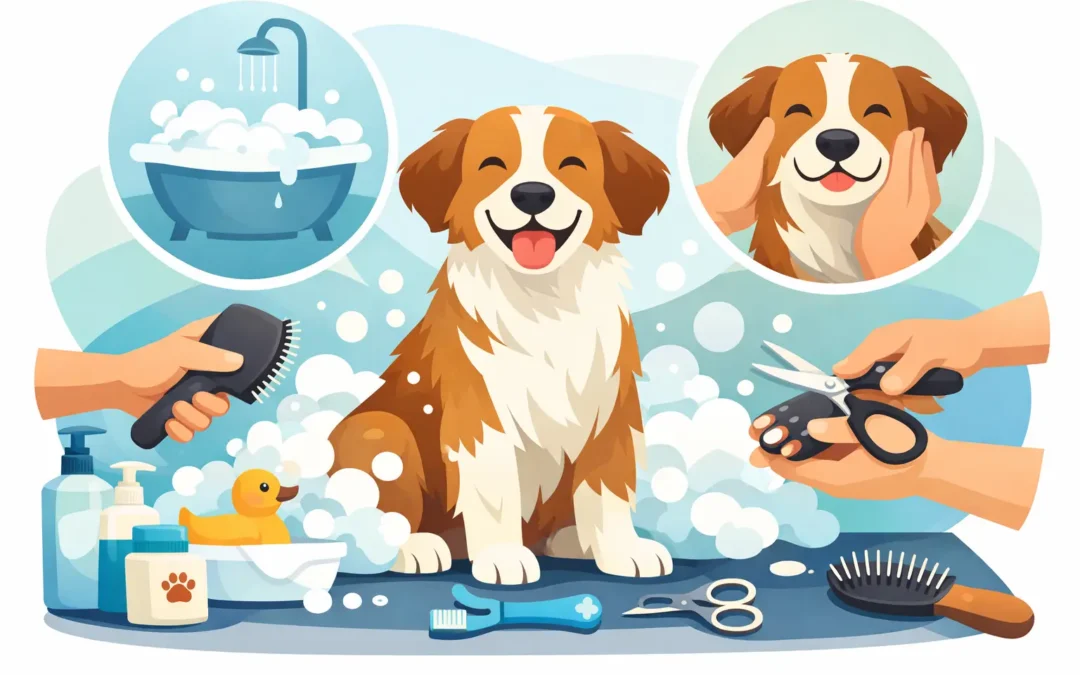
A full grooming experience may include bathing, drying, brushing, coat trimming, face shaping, nail care, paw treatment, ear attention, and teeth cleaning. The exact services can vary based on your dog’s breed, coat type, and the package you choose. What should not vary is gentle handling and a commitment to helping your pet feel safe throughout the visit.
A Clean, Comforting Bath
The bath is the foundation of many grooming appointments. It removes everyday dirt, loose hair, dander, and odors that can settle into the coat between visits. Professional pet-safe shampoos are selected with a dog’s skin and coat in mind, helping leave them clean without using harsh products that may cause dryness or irritation.
For dogs with sensitive skin, frequent outdoor adventures, or a particularly thick coat, the bathing process may need a little extra care. A thorough rinse matters just as much as the shampoo itself. Leftover product can make skin feel itchy, so a patient groomer takes the time to rinse thoroughly and make sure your pup is comfortable.
After the bath, careful drying helps prevent lingering dampness in the coat. Depending on your dog’s comfort level and coat type, this may involve towel drying, gentle high-velocity drying, fluff drying, or a combination of methods. The goal is not simply to get a dog dry quickly. It is to create a clean, soft finish while keeping the experience as calm as possible.
Brushing, Fluffing, and Coat Care
Brushing is one of the most valuable parts of a grooming visit, especially for dogs with longer, double, curly, or silky coats. It lifts out loose undercoat, removes tangles, and helps keep the coat from packing down against the skin. A proper fluff and brush treatment can leave a dog looking polished while also improving everyday comfort.
Mats are more than a cosmetic concern. Tight tangles can pull at the skin, hold moisture, hide irritation, and make movement uncomfortable. If a coat is mildly tangled, patient brushing may be enough. If mats are tight or widespread, shaving may be the kinder option. While no pet parent loves a shorter-than-expected haircut, relieving painful matting always comes before preserving coat length.
Regular professional brushing also helps reduce the amount of loose fur that ends up on furniture, clothes, and car seats. More importantly, it gives groomers a chance to notice changes such as dry patches, bumps, fleas, or tender areas that may deserve a closer look at home or with your veterinarian.
Hair Trims That Suit Your Dog
A haircut is not required for every dog, but for many breeds it is an essential part of healthy coat maintenance. Full grooming packages may include body trimming, sanitary trimming, foot shaping, and a tailored style that fits your pet’s coat and your preferred maintenance routine.
Face trims deserve special attention. Hair around the eyes, mouth, and chin can collect tears, food, and moisture. Keeping this area neat can help your dog see clearly and feel more comfortable, while giving them that bright, well-cared-for expression pet parents love. A gentle, experienced approach is especially important here because many dogs are naturally sensitive about their face and muzzle.
The best style is not always the longest or most elaborate one. It depends on your dog’s coat condition, how often they are brushed at home, the Florida heat, and how active their days tend to be. A practical trim that stays clean and manageable can be a wonderful choice for a busy family pet.
Nail, Paw, and Ear Care
Nail care is a small service with a big impact on comfort. Overgrown nails can affect how a dog stands and walks, catch on rugs, and create pressure on the toes. During grooming, nails are carefully trimmed or filed to a comfortable length. Because every dog’s nails and quicks are different, this is a service that calls for patience rather than rushing.
Paw treatment may include tidying excess hair around the pads and checking for debris or compacted fur. Clean, neat paws can help dogs gain better traction and reduce the chance of dirt being carried indoors. For pets who spend plenty of time outside, paw care is a thoughtful finishing touch that supports their everyday comfort.
Ear care is often included as well, though it should always be handled gently and appropriately. Groomers may clean visible debris around the outer ear area and alert you if they notice unusual odor, redness, or discharge. A groomer can support hygiene, but signs of an ear infection or ongoing discomfort should be addressed by a veterinarian.
Teeth Cleaning for a Fresher Finish
Many grooming appointments include basic teeth cleaning to freshen breath and remove surface buildup. This service can be a welcome part of a polished routine, especially for dogs who dislike having their mouths handled at home. It also encourages pet parents to stay aware of their dog’s oral hygiene between appointments.
Cosmetic teeth cleaning is different from veterinary dental care. If your dog has severe tartar, swollen gums, loose teeth, pain, or a strong persistent odor, they may need a veterinary examination. Professional grooming complements regular health care, but it does not replace it.
The Part You Cannot See: Individualized Attention
The best answer to what is included in dog grooming is not only a checklist of services. It is the way those services are delivered. A nervous rescue dog, a wiggly puppy, an older pet with stiff joints, and a confident social butterfly should not all be treated the same way.
A comfort-first appointment allows time for reassurance, gentle handling, breaks when needed, and a pace that respects the dog in front of the groomer. This is especially meaningful for pets who have had stressful grooming experiences in the past. Trust is built in small moments: a calm voice, a patient hand, a warm towel, and a groomer who pays attention to body language.
At Jolis Grooming, that personalized care is part of the experience. From a tidy face trim to a full bath and groom package, each visit is designed to help pets feel pampered rather than processed.
How Often Should Your Dog Be Groomed?
The right schedule depends on the dog. Many pets benefit from a bath and brush every four to eight weeks, while high-maintenance coats may need grooming every four to six weeks to stay free of mats. Short-haired dogs may not need haircuts, but they still benefit from bathing, nail care, brushing, and a regular wellness check from a trusted groomer.
Puppies often do well with early, positive introductory visits that help them become comfortable with the sounds, tools, and handling involved in grooming. Senior dogs may need shorter appointments or extra support depending on mobility and health needs. Sharing these details with your groomer helps create a visit that feels right for your pet.
A grooming appointment is a simple way to give your dog the clean coat, comfortable paws, and loving attention they deserve. When their tail is wagging on the way home, that polished finish feels even better.