
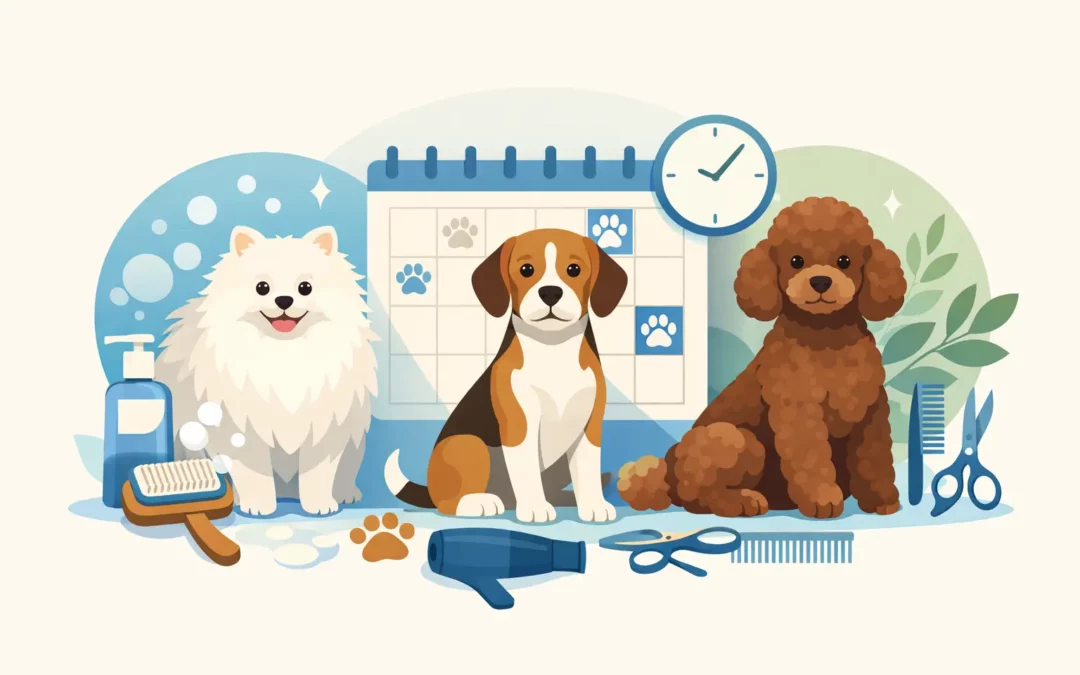
A shaggy face that suddenly hides the eyes. Nails clicking across the kitchen floor. A soft coat that starts to mat behind the ears almost overnight. Most pet parents do not need a complicated chart to know when grooming is overdue – they see it, feel it, and their dog does too. The best dog grooming schedule by coat depends on more than appearance. It shapes your dog’s comfort, skin health, cleanliness, and confidence between visits.
At Jolis Grooming, we believe grooming should feel like thoughtful care, not a rushed errand. The right schedule keeps your dog looking polished, but it also helps prevent tangles, trapped debris, overgrown nails, irritated paws, and that uncomfortable heavy-coat feeling many dogs carry longer than they should.
Why the best dog grooming schedule by coat matters
Every coat grows, sheds, traps dirt, and holds moisture differently. That is why one dog may need a professional bath and brush every few weeks, while another can comfortably go a bit longer with lighter maintenance in between. A grooming routine that fits the coat type helps protect the skin barrier, reduce matting, keep shedding under control, and make each appointment easier and less stressful.
There is also a practical side for busy families. A predictable schedule means fewer surprises. Instead of waiting until the coat is tangled or the nails are too long, you can stay ahead of the discomfort and enjoy a cleaner, happier dog at home.
Short-haired coats need less trimming, not less care
Short-coated dogs are often seen as low-maintenance, and in some ways that is true. Breeds with smooth coats usually do not need frequent haircuts, but they still benefit from regular bathing, brushing, nail care, ear cleaning, and paw attention. Their coats can collect dander, oil, and loose hair quickly, especially in Florida’s warm climate.
For most short-haired dogs, a professional grooming visit every 4 to 8 weeks works beautifully. Dogs with sensitive skin may do better on a gentler, more personalized schedule using pet-safe products that support skin comfort without overbathing. If your dog spends a lot of time outdoors, swims often, or has noticeable shedding, leaning closer to every 4 weeks can help keep the coat fresh and the skin balanced.
At home, a quick weekly brush and regular wipe-down can make a big difference. What you are watching for is not overgrowth, but skin dryness, extra shedding, dullness, and buildup around the paws or face.
Double coats thrive with routine de-shedding support
Double-coated dogs have a soft insulating undercoat beneath a coarser topcoat, and they often need more upkeep than pet parents expect. These coats are beautiful, plush, and protective, but they are also prone to trapped loose hair, undercoat compaction, and seasonal shedding that seems to cover every surface in the house.
A good grooming schedule for a double-coated dog is usually every 4 to 6 weeks. That timing helps remove loose undercoat before it packs tightly against the skin, which can affect comfort and airflow. A fluff and brush treatment during regular appointments can be especially helpful for maintaining softness and preventing that dense, heavy feel.
There is a trade-off here. Waiting too long between visits may save time in the short term, but it often leads to more shedding, more brushing struggles at home, and a coat that is harder to fully clean and dry. On the other hand, grooming too aggressively or too often without the right technique can irritate the skin. That is why a balanced, coat-specific approach matters.
Long silky coats need frequent upkeep to stay elegant and comfortable
Silky coats look effortless when they are well maintained, but they rarely stay that way on their own. These coats can tangle around the ears, chest, legs, and sanitary areas very quickly. Even a dog that feels soft on top may be developing hidden knots underneath.
For long-haired or silky-coated dogs, every 3 to 5 weeks is often the sweet spot. If your dog wears a longer trim, appointments may need to be more frequent to keep the coat flowing and mat-free. Face trims, paw tidy-ups, and brushing support between full grooms help maintain that polished look while keeping your pet comfortable.
This is one of the clearest examples of why coat length changes the schedule. A shorter maintenance trim may allow a little more time between appointments, while a fuller style usually asks for more consistency. Neither is wrong. It simply depends on the look you love, your dog’s tolerance for brushing, and how much upkeep fits your routine.
Curly and wavy coats need consistency more than guesswork
Curly-coated and doodle-type coats are often the most misunderstood. Because they may not shed heavily, some pet parents assume they can go longer between grooms. In reality, curls and waves can mat fast, especially in friction spots like the collar area, armpits, tail, and behind the legs.
For these coats, a professional appointment every 4 to 6 weeks is usually ideal, with many dogs benefiting from a tighter schedule if they keep a fuller style. Bath and groom visits that include careful brushing, trimming, nail and paw treatment, and face maintenance help prevent discomfort before it starts.
If you have ever noticed your dog pulling away when you touch a matted area, you already know this is about more than appearance. Mats can tug on the skin, trap moisture, and turn simple brushing into a stressful experience. Staying consistent keeps your dog more relaxed and makes each visit gentler.
Wire and coarse coats still need a tailored rhythm
Wire-coated dogs have a distinctive texture that should not be treated exactly like soft, fluffy coats. Their grooming needs can vary depending on the breed, the desired style, and whether the coat is being maintained for function, appearance, or both.
A typical grooming schedule is every 4 to 8 weeks, though some dogs need closer attention around the face, feet, and sanitary areas between full appointments. These coats often benefit from regular shaping and cleaning so they stay neat without losing their character.
What matters most is the individual dog. A very active terrier who loves the yard may need more frequent bath and tidy services than a calmer indoor companion with the same coat type. The best plan is one that respects both the coat and the lifestyle.
Puppies, seniors, and sensitive dogs may need a gentler schedule
Coat type is the starting point, but age and temperament matter too. Puppies often do best with shorter, positive visits that introduce grooming gradually. Seniors may need more frequent comfort-focused maintenance because hygiene tasks become harder at home and mobility changes can affect cleanliness. Dogs with anxiety, skin sensitivities, or medical concerns may need a customized plan built around shorter intervals and low-stress handling.
That is where personalized care becomes so valuable. A comfort-first grooming experience helps dogs build trust over time, which can transform grooming from something they tolerate into something they manage with far more ease.
Signs your current grooming routine is too stretched out
Sometimes the coat tells you the schedule is off before you realize it. If your dog is developing tangles, carrying a lingering odor, licking the paws more often, scooting because of hygiene discomfort, or resisting brushing at home, it may be time to tighten the routine. Excess shedding, overgrown nails, and hair blocking the eyes are also common clues.
A schedule should feel supportive, not reactive. When appointments are spaced well, your dog stays cleaner, your home stays fresher, and grooming becomes easier to maintain.
A simple way to choose the right schedule
If you are unsure where to start, think in three layers: coat type, haircut preference, and lifestyle. A short-coated dog with an active outdoor routine may need frequent baths without haircuts. A doodle with a plush longer style may need regular full grooming on a much shorter cycle. A silky-coated lap dog may need face trims and brushing support to stay tidy between major appointments.
The most reliable plan is one that keeps your dog comfortable before problems start. For many families, that means booking recurring appointments instead of waiting until the coat feels unmanageable. It is easier on your schedule, easier on your dog, and much more effective for long-term coat health.
If your dog’s coat has been hard to keep up with, you do not need to figure it out alone. A professional groomer can help you build a realistic rhythm based on your pet’s texture, condition, and day-to-day routine. At Jolis Grooming, that personalized attention is part of the experience – because every dog deserves care that feels as good as it looks.
A beautiful coat is lovely, but comfort is what your dog carries every day. The right schedule gives them that quiet, cared-for feeling from nose to tail.